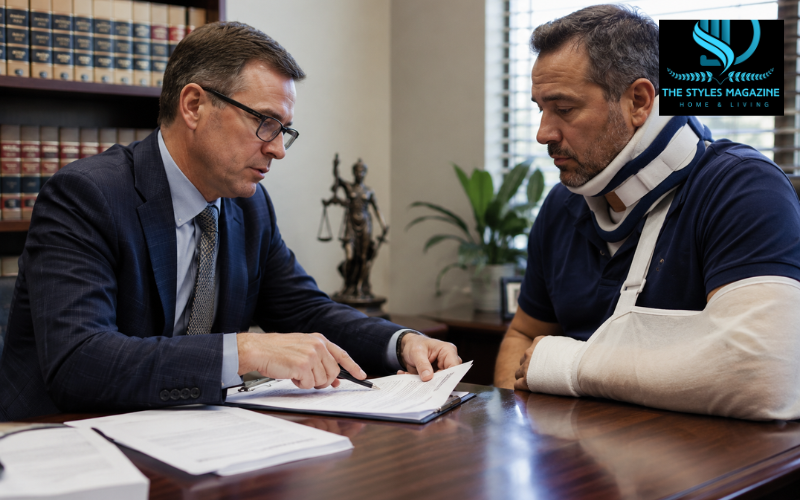
A serious workplace injury can turn an ordinary day into months, years, or even a lifetime of medical appointments, financial pressure, and uncertainty. When the injury affects your ability to work, move, sleep, drive, care for your family, or return to normal routines, the workers’ compensation process becomes much more than a form to file. It becomes the system standing between you and the support you need to rebuild.
That is where workers’ comp attorney services can make a meaningful difference. People often understand the value of legal help in high-pressure moments, whether that means workplace injury support or efficient help for anyone facing criminal charges during a different kind of legal emergency. In a serious injury claim, the right attorney helps protect your benefits, organize your medical evidence, and push back when insurers try to minimize the long-term impact of your condition.
When A Workplace Injury Changes Everything
A minor injury may heal with basic treatment, rest, and a short return-to-work plan. A serious injury is different because it can affect nearly every part of a person’s life, from income and independence to emotional stability and future career options.
Serious workplace injuries often involve spinal trauma, head injuries, severe burns, amputations, complex fractures, nerve damage, occupational illness, or conditions that worsen over time. These cases are rarely simple because the full impact may not be clear right away. A worker may need surgery, rehabilitation, pain management, mobility support, specialist care, or permanent work restrictions. Even when the injury is obvious, the long-term cost can be difficult to prove without strong documentation and legal guidance.
A workers’ comp attorney helps connect the injury to the real-world consequences. That means looking beyond the first medical report and asking deeper questions. Can the worker return to the same job? Will they need modified duties? Are future treatments likely? Has the injury affected mental health, daily function, or earning ability? These details matter because serious recovery is not just about getting through the next appointment. It is about protecting stability over the long run.
Why Serious Claims Demand More Than Basic Paperwork
Workers’ compensation may sound straightforward on the surface, but serious injury cases often become complicated quickly. Insurers may question whether treatment is necessary, whether the injury is fully work-related, or whether the worker can return sooner than their doctor recommends.
An attorney can help manage the process before small issues become major setbacks. This includes making sure deadlines are met, claim forms are accurate, medical records are complete, and communication with the insurer is handled carefully. For injured workers already dealing with pain, limited mobility, medication side effects, stress, or loss of income, having someone else manage the legal pressure can be a major relief.
One of the most important parts of legal support is evidence building. A strong claim may include medical reports, diagnostic imaging, surgeon notes, therapy records, work restriction letters, job descriptions, witness statements, incident reports, and expert evaluations. Without this evidence, an insurer may try to treat a serious injury as a short-term problem. With the right support, the claim can better reflect the reality of the injury and the recovery ahead.
The Long Recovery Path Deserves A Stronger Legal Strategy
Long-term recovery is rarely a straight line, and a good legal strategy should account for that from the beginning. Setbacks, delayed diagnoses, flare-ups, failed treatments, and changing work restrictions can all affect the value and direction of a workers’ compensation claim.
A serious injury case may involve temporary disability benefits, permanent disability benefits, ongoing medical care, vocational retraining, settlement negotiations, or disputes over future treatment. An attorney can help the injured worker understand what each stage means and what decisions could affect them later. This is especially important when a settlement is offered before the worker has reached maximum medical improvement.
The goal is not simply to close the claim as quickly as possible. The goal is to make sure the worker does not give up important rights before the long-term picture is clear. Someone researching claim guidance may compare resources with Golden State Workers Compensation, Oakland, CA, while also reviewing broader legal options for serious injury recovery.
Medical Treatment Should Not Become A Battle
A person recovering from a serious injury should be focused on healing, not arguing over appointments, authorizations, or specialist referrals. Unfortunately, treatment disputes are common in workers’ compensation cases, especially when care becomes expensive or long-term.
An attorney can step in when recommended treatment is delayed, denied, or reduced. This may involve challenging insurer decisions, requesting review, gathering additional medical support, or making sure the treating doctor clearly explains why the care is necessary. In serious cases, delayed treatment can worsen the condition, extend time away from work, or make recovery harder than it needs to be.
Legal support can also help when there are disagreements about work restrictions. If a doctor says the worker cannot lift, stand, bend, drive, climb, or return to a physically demanding role, the employer and insurer need to take those restrictions seriously. When they do not, the injured worker may be pressured into unsafe duties. A workers’ comp attorney helps make sure medical limitations are documented and respected.
Protecting Income While Life Is On Hold
A serious injury does not pause rent, groceries, utilities, medical travel, childcare, or family responsibilities. When a worker loses income after an injury, financial stress can become almost as overwhelming as the injury itself.
Workers’ compensation benefits are designed to help replace part of lost wages, but payments may be delayed, miscalculated, reduced, or disputed. An attorney can review whether the worker is receiving the correct amount and whether the insurer is following the required process. This matters because even a small underpayment can become a serious problem when recovery lasts months or years.
Income protection is also tied to future earning ability. Some workers cannot return to the same type of job after a severe injury. Others may return part-time, accept lighter duties, or need training for a new role. A strong legal approach considers these future limitations instead of focusing only on the immediate paycheck.
Settlement Decisions Should Be Made Carefully
Settlement can be helpful, but it should never be rushed. Once a claim is settled, the worker may give up the right to future benefits or medical coverage, depending on the terms. That can be risky if the injury still requires treatment or the long-term outcome is uncertain.
A workers’ comp attorney can evaluate whether a settlement offer reflects the seriousness of the injury, the cost of future care, the worker’s disability rating, and the effect on future earning capacity. They can also explain the tradeoffs in plain language, which is important because settlement documents can be difficult to understand without legal experience.
The best settlement decision is an informed one. A worker should understand what they are receiving, what they are giving up, and whether the agreement supports their recovery beyond the next few weeks. Serious injuries deserve careful review because the consequences of a rushed decision can last far longer than expected.
A Better Path Forward After A Serious Injury
Workers’ comp attorney services are not just about filing claims or responding to denials. They are about protecting injured workers during one of the hardest chapters of their lives. When the injury is serious and recovery is long-term, legal support can help secure medical care, protect income, document future needs, and reduce the pressure of dealing with insurers alone.
No attorney can undo the injury, but the right legal guidance can help create a more stable path forward. For workers facing major medical treatment, lasting restrictions, or uncertainty about their future, that support can make the recovery process feel less overwhelming and much more manageable.
Enjoyed it? Find more exclusive content on The Styles Magazine.