A room’s mood is rarely created by one single design choice. It is built slowly through light, texture, contrast, privacy, color, and the way each surface responds as the day changes. That is why shades and backlit surfaces can have such a powerful effect. One controls the light coming in, while the other creates a glow from within.
When people think about shades, they often focus on function first. They want less glare, more privacy, or better temperature control. Those are important goals, but the visual impact matters just as much. Well-chosen roller shades can make a room feel calmer, cleaner, and more intentional, especially when the fabric, opacity, and mounting style match the space. This is where options from glamour decorating blinds & shades of nyc can inspire ideas for soft light control and polished window styling.
Backlit surfaces work from the opposite direction. Instead of filtering daylight, they add depth and atmosphere after the sun fades or when a room needs an architectural focal point. Together, shades and illuminated materials help a space shift from bright and practical to warm, dramatic, and inviting.
The Quiet Power of Controlled Daylight
Daylight can make a room feel alive, but too much of it can quickly become uncomfortable. Harsh sunlight creates glare, washes out screens, fades furniture, and makes a space feel visually restless.
Shades help control daylight without removing it completely. Light-filtering fabrics can soften a room while still keeping it bright. Solar fabrics can reduce glare while preserving a connection to the outdoors. Blackout options can create a cocoon-like feeling in bedrooms, media rooms, or any space where rest and privacy matter most.
The mood changes because the room no longer feels exposed to whatever the sun is doing. Instead, the light feels chosen. A bright room becomes gentler. A busy room becomes more focused. A private room feels more protected. Even a simple roller shade can make windows feel finished, which gives the entire space a cleaner and more composed look.
Fabric color also plays a role. Pale shades can keep things open and airy, while darker shades can add contrast and intimacy. The right choice depends on how the room is used. A kitchen may need brightness and energy. A bedroom may need softness and quiet. A living area may need flexibility because it serves different moods throughout the day.
Backlit Surfaces add Atmosphere From the Inside Out
While shades manage light from outside, backlit surfaces create glow from within the room itself. This makes them especially useful when a space needs mood, depth, or a visual centerpiece.
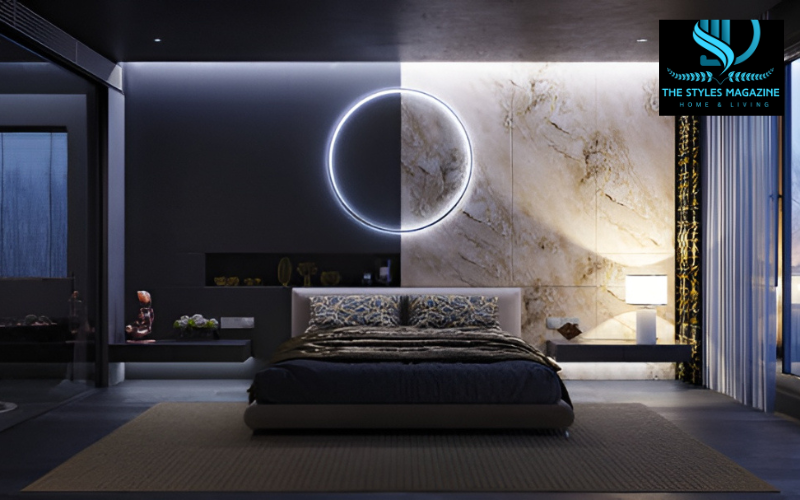
Backlit stone, glass, or translucent panels can turn ordinary surfaces into design features. A softly glowing wall can make a room feel more luxurious. A lit counter or island can become a natural gathering point. A vanity or shower wall with subtle illumination can make a daily routine feel more spa-like without making the room feel overdesigned.
The beauty of this type of lighting is that it is often indirect. Instead of shining down from above, it spreads through the material. That creates a softer impression than exposed bulbs or harsh task lighting. The surface itself becomes part of the light source, which gives the room a layered, architectural quality.
This approach works best when the glow feels intentional rather than flashy. If the light is too bright, it can feel theatrical in the wrong way. If the color temperature is too cold, the room may feel clinical. Warm, dimmable lighting usually creates a more comfortable mood, especially in living spaces, bedrooms, baths, dining areas, and entertainment zones.
How Contrast Makes a Room Feel More Dimensional
Mood often comes from contrast, not just brightness. A space feels more interesting when there are areas of light, shadow, texture, and visual pause.
This is where shades and backlit surfaces can work together beautifully. During the day, shades can soften strong sunlight so the room feels balanced instead of washed out. Later, backlit surfaces can add depth when natural light is gone. The result is a room that does not depend on one lighting condition to look good.
Think about a room with large windows and a glowing stone feature. During the afternoon, the shades reduce glare and create a calm background. In the evening, the illuminated surface takes over as the visual anchor. The room shifts naturally without needing a full redesign. For more dramatic design concepts, modular panels in natural stone lit from behind can create a layered focal point that feels elegant when handled with restraint.
That balance matters because too much brightness can flatten a room. Too many dark surfaces can make it feel heavy. A smart combination gives the eye places to rest and places to focus. It also allows the same room to support different activities, from working and cooking to relaxing or entertaining.
Materials Decide Whether the Mood Feels Soft, Bold, or Refined
The materials chosen for shades and backlit surfaces determine whether the room feels casual, dramatic, minimal, or high-end. Light alone does not carry the mood. It needs the right surface to interact with.
For shades, fabric openness, texture, and opacity matter. A sheer or light-filtering shade can create an easy, relaxed feeling. A blackout shade creates privacy and stillness. A woven or textured fabric can warm up a modern room that might otherwise feel too plain. Even the way the shade rolls and sits inside or outside the window frame can change the visual tone.
For backlit surfaces, the material needs enough translucency to glow evenly. Stone with veining can become especially expressive because the light reveals patterns that may look subtle during the day. This can be stunning, but it also requires care. A highly dramatic surface can dominate the room, while a quieter material can create a softer, more timeless effect.
The best results usually come from choosing one clear star. If the backlit surface is bold, the shades may need to be simple and understated. If the room already has strong furniture, artwork, or architectural details, both the shades and lighting should support the design rather than compete with it.
Comfort is Just as Important as Beauty
A room can look impressive and still feel wrong if the lighting does not support daily life. Mood should never come at the expense of comfort, privacy, or usability.
Shades help solve everyday problems. They can reduce heat, protect furnishings, block unwanted views, and make screen use easier. Backlit surfaces add beauty, but they also need practical planning. The lighting should be dimmable, serviceable, and suitable for the room’s moisture, heat, and traffic conditions.
Maintenance should also be part of the conversation. Shades need fabrics that can be cleaned or cared for properly. Backlit installations need access to lighting components in case repairs are needed later. These details may not sound exciting, but they are what keep a design feature from becoming a frustration.
The goal is not to add more features just because they look good. The goal is to shape how the room feels at different times of day. A restful bedroom, a welcoming living area, a dramatic dining space, or a calm bath all require different choices.
Designing a Mood That Lasts
The most memorable rooms are not always the brightest or the most expensive. They are the rooms where every design choice feels connected.
Shades give control. Backlit surfaces give atmosphere. One helps manage the outside world, while the other adds warmth and character from within. When they are planned together, they can make a room feel more flexible, polished, and emotionally satisfying.
The key is balance. Choose shades that support comfort and privacy. Choose illuminated surfaces that add depth without overwhelming the space. Pay attention to materials, dimming, color temperature, and how the room changes from morning to night.
A well-designed room should not have just one mood. It should be able to wake up with the day, soften in the afternoon, and settle into a warm glow at night. Shades and backlit surfaces make that possible by giving light a role in the design, not just a place in the ceiling.
Enjoyed it? Find more exclusive content on The Styles Magazine.