A basement can be one of the most underused areas in a home. It may start as a cold storage space, a cluttered utility zone, or simply a room people avoid because it feels dark and unfinished. Yet with the right planning, it can become one of the most useful parts of the property.
That does not mean every basement should be rushed into a full conversion. Some spaces are straightforward to improve, while others need serious work before they can become safe, dry, and comfortable. Homeowners may picture everything from simple family rooms to luxury basement conversions, but the best results always begin with a realistic understanding of the space.
A basement conversion can add everyday value, but it is not just a decorating project. Below-ground rooms have their own challenges, especially around moisture, ventilation, access, lighting, heating, and building standards. Get those things right, and the basement can feel like a natural extension of the home. Get them wrong, and the problems can be expensive.
The Hidden Potential Beneath Your Feet
A basement offers something many homes badly need: extra space without changing the footprint of the building.
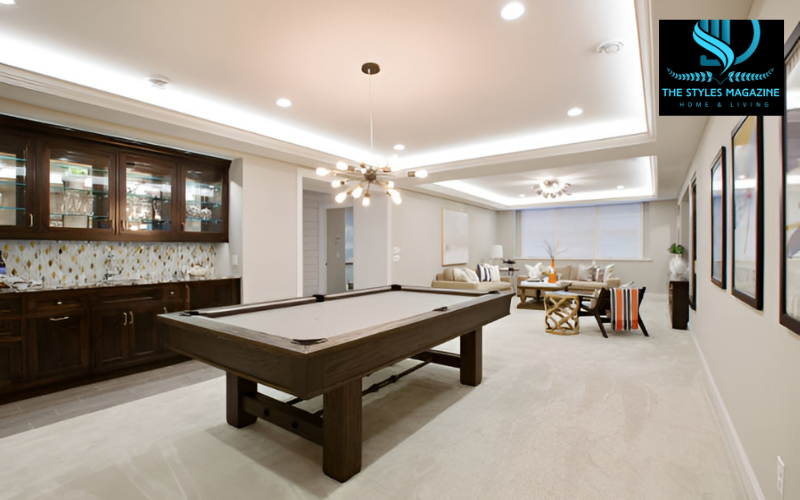
That makes it appealing for households that want more room but do not want the disruption of moving. A finished basement can become a home office, guest room, gym, playroom, media room, hobby space, or a quiet retreat away from the busiest areas of the house. Because it sits slightly apart from the main living space, it can offer privacy while still feeling connected.
The key is to choose a purpose that suits the basement’s natural qualities. A room with limited natural light may work better as a cinema room, music space, gym, or office than as a main living area. A basement with good access and enough head height may be suitable for a guest suite or flexible family room. The more honest you are about the space at the beginning, the better the finished room will feel.
First, Look at What the Basement is Telling you
Before choosing flooring, paint, furniture, or lighting, the condition of the basement needs careful attention.
The most important questions are practical ones. Is there enough head height? Are the walls sound? Is there visible damp? Does the room smell musty? Is the floor level? Is there evidence of flooding, cracks, condensation, or poor drainage? These details can shape the budget and the entire project plan.
Some basements are already close to being usable and mainly need waterproofing, ventilation, insulation, heating, electrics, and finishes. Others require more demanding work, especially if the floor needs to be lowered or access needs to be improved. Structural changes should never be guessed at, and anything involving drainage, electrics, plumbing, or safety should be handled properly.
This is where a fair view matters. DIY can play a role in clearing, decorating, or basic finishing, but a basement conversion is not the place to take risks with technical work. Waterproofing, fire safety, ventilation, and structural decisions need the right advice because mistakes are harder to fix once the room is finished.
Rules and ;Safety are Not Small Details
A good basement conversion must be legal, safe, and suitable for everyday use.
Planning permission may not always be needed when converting an existing basement, especially if the work does not change the outside appearance of the home. However, permission may be required if the project involves creating a new basement, adding a lightwell, changing the external structure, lowering the floor, or making major alterations. Building regulations are separate and often more relevant because they deal with safety, ventilation, insulation, damp control, escape routes, drainage, and electrical work.
Fire safety deserves close attention. A basement can be harder to leave quickly in an emergency, so escape routes, protected stairways, suitable doors, windows, alarms, and access points may all need to be considered. These requirements depend on the layout and intended use of the room, so it is wise to check them early rather than after work has started. For broader renovation planning, http://www.tenkeyremodels.com/ can be a useful reference point during early research, especially when comparing basement work with other major home upgrades.
Waterproofing is Where the Project Succeeds or Fails
A basement conversion only works if the space stays dry over the long term.
Because basements sit below ground, they are exposed to moisture in ways that upper rooms are not. Water can enter through walls, floors, joints, cracks, drainage problems, high groundwater, or plumbing failures. Sometimes the issue is obvious, but in many homes it takes proper assessment to understand where the moisture is coming from and how serious the risk is.
There are different waterproofing approaches. External waterproofing is usually linked with new construction or major excavation, where protection is added from the outside. Internal tanking creates a barrier on walls or floors to resist water. Cavity drain membrane systems take a different approach by allowing water to move behind a membrane and then directing it safely to a drain or pump system.
Each method has strengths and limitations. Tanking can be effective when installed correctly, but weak points can become a problem under water pressure. A cavity drain system can be highly practical, but it must be designed well and maintained, especially where pumps are involved. The right option depends on the property, the water risk, the budget, and how the space will be used.
Comfort Turns a Basement into a Room People want to Use
Once the basement is dry and safe, comfort becomes the next big priority.
A converted basement should not feel cold, stale, or gloomy. Insulation helps with warmth and energy efficiency, but it must work alongside damp control so condensation does not become a new problem. Ventilation is equally important because basements can hold humidity and stale air. Depending on the room, this may involve natural airflow, extractor fans, mechanical ventilation, or a more complete system.
Heating should be planned around the way the room will be used. A casual storage area needs a very different setup from a bedroom, office, or family room. Lighting also deserves careful thought. Natural light is ideal where possible, but layered artificial lighting can make a huge difference. Ceiling lights, wall lights, lamps, and focused task lighting can help the room feel warm and intentional rather than hidden below ground.
Flooring should also be chosen with the basement environment in mind. Moisture-resistant materials are often more durable than finishes that may warp, stain, or hold dampness. The goal is not just to make the room look good on day one, but to make sure it performs well over time.
A smart Conversion Starts with Patience
A basement conversion can be a brilliant way to create more usable space, but it rewards careful planning more than quick decisions.
The best projects start with the basics: assess the condition of the space, understand moisture risks, check the rules, plan safe access, and decide what the room truly needs to do. From there, waterproofing, ventilation, heating, insulation, lighting, and finishes can all work together as one complete system.
Done well, a basement can become one of the most practical and enjoyable rooms in the home. Done badly, it can become a costly reminder that below-ground spaces need more than good intentions and attractive finishes. The difference usually comes down to preparation, realistic budgeting, and a willingness to solve the invisible problems before creating the visible result.
Enjoyed it? Find more exclusive content on The Styles Magazine.