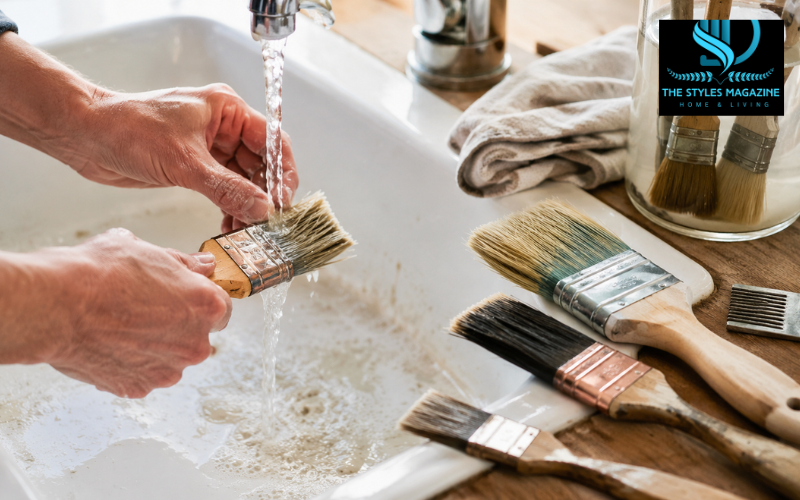
Knowing how to clean paint brushes correctly can save money, improve future paintwork, and prevent good tools from becoming stiff or misshapen. Paint left inside a brush begins drying around the bristles, especially near the metal band. Once it hardens, the brush may lose its flexibility, hold less paint, and leave visible lines on walls or furniture.
The best time to clean a brush is immediately after you finish painting. Water-based paints, including most latex and acrylic products, can usually be removed with water and mild soap. Oil-based paints, stains, and some varnishes need a suitable solvent, such as mineral spirits, paint thinner, or white spirit. The paint container should always be checked first because cleanup instructions can vary between products.
Effective brush care involves more than rinsing away visible color. You need to remove paint from deep inside the bristles, rinse away cleaning residue, restore the original brush shape, and let it dry fully. Solvents and leftover paint also need to be stored or discarded safely rather than poured into household drains.
Quick Guide: How to Clean Paint Brushes
| Paint Type | Best Cleaner | Basic Method |
| Latex or water-based paint | Warm water and mild dish soap | Remove excess paint, wash the bristles, rinse until clear, reshape, and dry flat. |
| Acrylic paint | Cool or lukewarm water and brush soap | Rinse immediately, clean gently near the ferrule, reshape the tip, and dry flat. |
| Oil-based paint | White spirit, mineral spirits, or label-recommended solvent | Swirl the brush in solvent, repeat with clean solvent, wash if allowed, and dry safely. |
| Dried water-based paint | Warm soapy water or brush cleaner | Soften the bristles, loosen paint with a brush comb, rinse, and reshape carefully. |
| Miniature or Warhammer paint | Water and artist brush soap | Rinse often, keep paint away from the ferrule, clean gently, and restore the fine point. |
Simple Step-by-Step Guide
- Check the paint label to identify the correct cleaning method.
- Scrape or wipe off as much wet paint as possible.
- Wash with soap and water or the recommended solvent.
- Clean paint trapped near the base of the bristles.
- Rinse until no paint or cleaner remains.
- Gently reshape the bristles.
- Dry the brush flat or hang it with the bristles downward.
- Store it in a protective cover after it is fully dry.
Identify the Paint Before Cleaning the Brush
Before reaching for water or solvent, identify the type of paint on the brush. The label may describe it as water-based, latex, acrylic, oil-based, alkyd, enamel, stain, varnish, shellac, or another specialty coating.
Latex and acrylic wall paints normally clean up with soap and water. Traditional oil-based and alkyd coatings do not dissolve in water, so they generally require mineral spirits, paint thinner, turpentine, or another cleaner named by the manufacturer. Some modern products can be confusing. For example, waterborne alkyd paint provides a finish similar to traditional oil paint but may still allow soap-and-water cleanup.
Using the wrong cleaner may leave paint trapped in the brush. It can also dry out natural bristles, soften adhesives, or leave an oily residue that affects the next coat of paint. Check the paint label and the brush manufacturer’s care instructions whenever possible. If the label says “clean up with soap and water,” treat it as water-based. If it names mineral spirits or paint thinner, follow the solvent-cleaning method.
Supplies Needed for Safe and Effective Cleaning
You do not need a large collection of tools to clean most paint brushes. For water-based products, gather warm or lukewarm water, mild dish soap, a bucket or container, clean rags, and a towel. Protective gloves help keep paint and cleaning products off your skin.
A brush comb is useful for separating bristles and removing paint near the ferrule, which is the metal band connecting the bristles to the handle. A painting multi-tool or cleaning pad can also help with wide decorating brushes. Wire brushes should be used carefully and only on strong household brushes because they can tear fine artist bristles.
For compatible oil-based coatings, you may need mineral spirits, paint thinner, or white spirit. Use a sturdy container that will not react with the solvent, and keep a lid nearby for storage. Work away from children, pets, flames, sparks, cigarettes, heaters, and other ignition sources.
Keep separate cleaning supplies for wall-painting brushes and delicate artist or miniature brushes. A large brush comb that works well on a decorating brush can easily damage the fine point of a small detail brush.
How to Clean Water-Based Paint Brushes
Start by removing as much wet paint as possible. Gently scrape both sides of the brush against the inside edge of the paint can, but avoid pressing so hard that the bristles bend sharply. You can also wipe the brush on a reusable rag or scrap material.
Place the brush in a bucket of warm, soapy water and move it gently through the solution. Working in a bucket first reduces the amount of paint sent directly into the sink. Massage the bristles with your gloved fingers, moving from the ferrule toward the tips. Spread the bristles slightly so water and soap reach the center of the brush.
Use a brush comb to pull out paint trapped near the base. Always comb in the direction of the bristles rather than scraping sideways. Replace the dirty water when necessary.
Finish by rinsing the brush with the bristles pointing downward. This position helps prevent water from collecting inside the ferrule or soaking into a wooden handle. Continue until the water looks clear and no soapy residue remains. Current manufacturer guidance supports warm water and mild detergent for latex and acrylic decorating paints.
How to Clean Acrylic Paint Brushes
Acrylic paint dries quickly, so clean acrylic brushes as soon as you stop using them. Even a small amount of paint left near the ferrule can harden and force the bristles apart.
Wipe off excess acrylic paint, then rinse the brush in cool or lukewarm water. Avoid very hot water because it may affect the bristles, glue, or painted handle. Add a small amount of gentle hand soap or artist brush soap and work it through the brush using light circular movements in your palm.
Do not crush the bristles against the bottom of the container. Fine synthetic filaments may bend, split, or lose their point. Artist brush manufacturers generally recommend wiping away excess acrylic, rinsing with water, washing gently with soap, reshaping the brush, and leaving it to dry.
Never leave an acrylic brush standing in water while you take a long break. Water can bend the tips and soak into the ferrule. During painting, rinse the brush regularly, especially when changing colors or using quick-drying acrylics.
Cleaning Brushes After Painting Walls
Large brushes used for walls can hold a surprising amount of paint. Before washing one, scrape usable paint back into the container. Then wipe each side of the brush on a rag, cardboard, or another suitable surface.
Most modern interior wall paints are water-based latex, acrylic, or emulsion products, but you should still confirm the cleanup directions. Place the brush in a bucket of soapy water and work the liquid through the full width of the bristles. A brush comb is particularly helpful because wall paint often collects near the ferrule and in the dense center of the brush.
Rinse, then spread the bristles with your fingers to look for hidden color. A brush may appear clean on the outside while still releasing paint from the middle. Repeat the washing process until squeezing the bristles produces clear water.
Do not pull aggressively on loose paint or twist the brush. Gentle repeated cleaning is safer than one forceful scrub. Proper cleaning helps the brush maintain an even edge, which matters when cutting in around ceilings, trim, outlets, and corners.
How to Clean Oil-Based Paint Brushes
Oil-based paint cannot usually be removed with water alone. Begin by checking the label for the recommended solvent. Common choices include mineral spirits, paint thinner, white spirit, or turpentine.
Work in a well-ventilated place and follow all safety directions on the paint and solvent containers. Wear suitable gloves and keep the work area away from heat, flames, and sparks. Mineral spirits and similar products can produce harmful vapors and may be flammable.
Remove excess paint from the brush before placing it in solvent. Pour a small amount of the recommended cleaner into a container and gently move the brush through it. Press the bristles against the side or bottom without crushing them. Replace the dirty solvent with a small amount of clean solvent and repeat until very little paint is released.
Some manufacturers recommend finishing with soap and water after the oil-based paint has been removed. This can wash away oily residue, but only do so when it is suitable for the brush and cleaning product. Oil-based coatings require a compatible solvent rather than soap and water alone.
How to Clean Paint Brushes With White Spirit
White spirit is a common name for a petroleum-based solvent used with certain oil paints, varnishes, and decorating products. It should only be used when the product label recommends it.
Pour a small quantity into a reusable glass or solvent-safe container. Dip only the bristles and move the brush gently through the liquid. Press both flat sides against the container to release paint from the center. Avoid soaking the wooden handle or leaving the brush submerged longer than necessary.
For a heavily loaded brush, use a two-container method. Complete the first wash in one jar, then use a second jar of cleaner white spirit for the final rinse. This uses less fresh solvent than repeatedly filling one large container.
Do not pour used white spirit onto the ground, into a storm drain, toilet, or sink. Store it in a clearly marked, closed container while checking local household hazardous-waste rules. Government waste services commonly classify white spirit as a chemical that requires controlled collection or specialist disposal.
Keep white spirit in an appropriate container, away from children, pets, heat, and food-storage areas.
Can You Clean Paint Brushes in the Sink?
Water-based paint brushes may sometimes be given a final rinse in a utility sink connected to a public wastewater system, but you should remove nearly all paint first. Scrape the brush thoroughly and wash it in a bucket rather than allowing thick paint to flow into the drain.
Local wastewater rules differ, so check the guidance for your area. Paint solids can collect in plumbing, and wastewater systems are not designed to receive large quantities of paint. Do not clean brushes outdoors where the water can enter soil or storm drains. Environmental guidance recommends keeping paint and cleaning waste out of waterways.
Be more cautious if your home has a septic system. Instead of rinsing paint-filled water down the sink, wash the brush in containers. Allow the solids to settle, then handle the remaining material according to local waste instructions.
Never pour white spirit, mineral spirits, paint thinner, oil-based paint, or solvent residue into a sink. These products may be flammable or toxic and may qualify as household hazardous waste. EPA guidance advises special care when disposing of paints, cleaners, oils, and other household products containing hazardous ingredients.
Environmentally Friendly Brush-Cleaning Methods
The most environmentally friendly approach begins before washing. Remove as much paint as possible and return usable paint to the original container. Wiping the brush thoroughly means less water, soap, or solvent will be required.
For water-based paint, use a bucket rather than leaving the tap running. Clean the brush in one container, then use a smaller amount of fresh water for the final rinse. Do not dump paint-heavy water into a storm drain or onto the ground.
For oil-based paint, use the smallest amount of solvent that cleans the brush effectively. Allow used solvent to stand in a sealed, labeled container so paint particles settle at the bottom. Depending on the solvent, product instructions, and local regulations, the clearer liquid may be carefully separated and reused for another cleaning session. Solvent recovery and reuse reduce waste, but the remaining paint sludge still needs appropriate disposal.
Reusable rags, brush combs, and washable containers may create less waste than using large amounts of disposable paper towels. However, solvent-soaked rags must be handled carefully because some materials can present a fire risk. Follow the paint and solvent labels and local hazardous-waste instructions.
How to Clean Stiff Paint Brushes Without Harsh Chemicals
First determine whether the brush is slightly stiff or completely hardened. A brush with a small amount of dried water-based paint may still be saved. A brush filled with fully hardened oil paint is much more difficult to restore.
For dried latex or acrylic residue, soak only the bristles in warm, soapy water for a short period. Massage them gently, then use a brush comb to loosen softened paint. Repeat the process instead of scraping aggressively. An artist brush soap or a cleaner designed for dried water-based paint may help if ordinary soap is not enough.
Do not boil a brush, heat solvents, or place an unknown cleaning chemical near a flame. Heat can damage synthetic bristles, loosen the adhesive inside the ferrule, create strong fumes, and increase fire risk.
After cleaning, examine the brush. If the bristles remain fused together, fall out, curl permanently, or no longer form their original edge, replacement may be more practical. Commercial restorers can remove some hardened coatings, but they should be used according to their labels and in a properly ventilated area.
Cleaning Warhammer and Miniature Paint Brushes
Warhammer and other miniature-painting brushes need gentler care than household decorating brushes. They are usually used with acrylic paint, which can dry quickly around fine bristles.
Rinse the brush regularly while painting rather than waiting until the end of a long session. Move it lightly through clean water without pressing the point against the base of the cup. Try to keep paint out of the ferrule by loading only the lower part of the bristles.
After painting, use cool or lukewarm water and a small amount of artist brush soap. Work the soap through the bristles gently, rinse it out, and shape the brush into a fine point with your fingers. Leave it flat to dry.
Avoid hot water, white spirit, strong household detergents, and rough cleaning pads unless the brush or paint manufacturer specifically recommends them. Fine sable and synthetic detail brushes can be damaged by harsh treatment. Protective tubes can help guard delicate brush tips during storage, but they should only be fitted after the brush is fully dry.
Reshaping, Drying, and Storing Clean Brushes
After rinsing, remove excess water by gently pressing the brush between a clean cloth or towel. Do not twist the bristles or pull them through a tightly closed fist.
Use your fingers or a clean brush comb to restore the original form. A flat decorating brush should have a smooth, straight edge. An angled brush should return to its sloping shape, while a round artist brush should finish in a neat point.
Lay the brush flat on a towel with the bristles extending beyond the edge, or hang it with the bristles facing downward. Avoid leaving a wet brush upright on its bristles because the weight can bend them. Also avoid sealing a damp brush in plastic because trapped moisture may cause odors or damage.
Once completely dry, return the brush to its original cardboard cover or another protective sleeve. The cover helps maintain the shape and shields the bristles from dust. Store brushes in a dry place where they will not be crushed by other tools.
Common Paint-Brush Cleaning Mistakes to Avoid
The most common mistake is waiting too long. Wet paint is usually much easier to remove than dried paint, especially with fast-drying acrylic products.
Another mistake is assuming every paint can be cleaned with water. Oil-based products need their recommended solvent, while some modern waterborne coatings that look like oil paint may still use soap-and-water cleanup. Always check the label.
Do not leave brushes soaking for hours without a clear reason. Long soaking can swell wooden handles, weaken glue, rust metal parts, and bend the bristles. It is also important not to push paint deeper into the ferrule while cleaning.
Avoid storing brushes while they are damp or standing them on their tips. Finally, never dispose of paint thinner, mineral spirits, white spirit, or oily residue through household plumbing. Local disposal rules must take priority because accepted methods differ by region.
Conclusion: Keep Paint Brushes Ready for the Next Project
Learning how to clean paint brushes is mainly about matching the cleaner to the paint. Water-based latex and acrylic paints generally need mild soap and water, while traditional oil-based coatings require the solvent listed on the container.
Remove excess paint first, clean gently around the base of the bristles, rinse thoroughly, and reshape the brush before drying it flat or hanging it downward. Store it only after it is fully dry, preferably inside its original cover.
Prompt cleaning is easier than trying to rescue a hardened brush. With careful washing, safe waste handling, proper drying, and protected storage, a good paint brush can remain soft, well-shaped, and ready for many future projects.
Frequently Asked Questions
Can I Clean Paint Brushes In The Sink?
Water-based paint brushes may be rinsed in a utility sink after most paint has been removed. Never pour oil paint, white spirit, mineral spirits, or paint thinner into household drains.
How Do I Clean Paint Brushes After Painting Walls?
Scrape excess wall paint into the can, wash the brush in warm soapy water, comb through the bristles, and rinse until the water remains completely clear.
How Do I Clean Oil-based Paint From A Brush?
Use the solvent listed on the paint label, such as white spirit or mineral spirits. Clean the brush in a ventilated area, then store or dispose of waste responsibly.
Can A Stiff Paint Brush Be Restored?
A slightly stiff brush may improve after soaking its bristles in warm soapy water and gently combing out residue. A fully hardened or badly damaged brush may not be recoverable.
How Should Clean Paint Brushes Be Dried?
Press out moisture gently, reshape the bristles, and dry the brush flat or hanging downward. Never leave a wet brush standing on its bristles because they may bend permanently.
Enjoyed it? Find more exclusive content on The Styles Magazine.
Disclaimer: This guide provides general paint-brush cleaning advice. Always follow the paint, brush, and solvent manufacturer’s instructions, use proper ventilation, and observe local rules for paint and chemical-waste disposal.