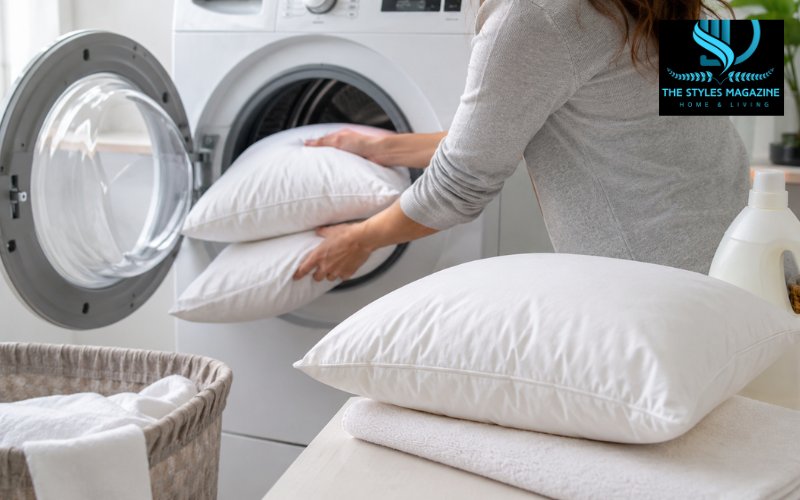
Can you wash pillows? Yes, in most cases, you can wash pillows safely, but the right method depends on what the pillow is made of. Some pillows can go straight into the washing machine, while others need gentle hand cleaning or spot cleaning only. This is why it is important to know the filling inside your pillow before you start washing it.
Pillows collect more dirt than many people realize. Every night, they absorb sweat, body oils, dead skin cells, drool, dust, allergens, and sometimes even odors from hair products or skincare products. Even when you use a pillowcase, some of this buildup can still reach the pillow itself. Over time, this can make your pillow smell stale, look yellow, or feel less fresh.
However, not every pillow should be treated the same way. A polyester pillow and a memory foam pillow may look similar from the outside, but they react very differently to water, spinning, and drying. Washing the wrong type of pillow in a machine can ruin its shape, break the inside material, or leave it lumpy and uncomfortable.
Before washing any pillow, always check the care label first. The manufacturer’s instructions are the safest guide because they are based on the pillow’s material and design. In this article, you will learn which pillows can be washed at home, how to wash pillows in a washing machine, how to wash pillows by hand, how to dry them correctly, how to prevent clumping, whether pillows can be washed with sheets, whether hot water is safe, and how to use a front-loading washer properly.
Quick Guide Table
| Pillow Type | Can You Wash It? | Best Cleaning Method | Drying Method |
| Polyester pillow | Yes | Washing machine on gentle cycle | Low heat dryer with dryer balls |
| Down pillow | Yes, if label allows | Gentle machine wash with mild detergent | Low heat dryer, fluff often |
| Feather pillow | Yes, if label allows | Gentle machine wash, extra rinse | Low heat dryer until fully dry |
| Cotton-filled pillow | Usually yes | Machine wash or hand wash | Low heat or air dry fully |
| Memory foam pillow | Not in machine | Spot clean or gentle hand clean | Air dry flat |
| Latex pillow | Not in machine | Spot clean only or follow care label | Air dry flat |
| Gel or specialty pillow | Depends on label | Spot clean or wash removable cover | Air dry carefully |
Pillows You Can Safely Wash at Home
Many common pillows can be washed at home if you use the correct method. Down pillows, feather pillows, polyester pillows, cotton-filled pillows, and synthetic fiberfill pillows are usually safe to wash, especially when the care label allows machine washing. These materials can normally handle water better than foam-based pillows, and they can often return to their shape after washing and drying.
Down and feather pillows need gentle handling because their filling can clump if washed too harshly or dried too quickly. Polyester and synthetic fiberfill pillows are usually easier to clean because they are made to handle regular use and light washing. Cotton-filled pillows can also be washed in many cases, although they may take longer to dry because cotton holds moisture.
The main reason these pillows can be washed is that their filling is loose and flexible. Water can move through the pillow, detergent can clean the fibers, and proper drying can help restore the pillow’s softness. Still, this does not mean every pillow in these categories is automatically safe for the washer. Some pillows have special stitching, added layers, or delicate covers that need extra care.
This is why the care tag matters. If the tag says machine washable, you can usually wash the pillow at home. If it says dry clean only, spot clean only, or do not wash, it is better to follow that instruction. Ignoring the label may save time in the moment, but it can damage the pillow permanently.
Pillows That Should Not Go in the Washing Machine
Some pillows should never go in the washing machine, even if they look dirty or smell unpleasant. Memory foam pillows, latex pillows, gel pillows, and many specialty foam pillows are the most common examples. These pillows are made from solid or shaped materials that can break down when exposed to machine agitation.
A washing machine does not simply soak a pillow. It moves, spins, presses, and pulls the material during the cycle. This action may be fine for polyester or feather pillows, but it can tear memory foam or latex from the inside. Once the foam starts breaking apart, the pillow may lose support, develop cracks, or feel uneven.
Gel pillows and specialty pillows may also have layers that are not designed for full washing. Some include cooling gel, shaped foam, or mixed materials that can be damaged by too much water. Even if the outer cover is washable, the inner pillow may not be.
For these delicate pillow types, safer options include removing and washing the cover, spot cleaning stains, and gently wiping the surface with a damp cloth. If deeper cleaning is needed, hand washing may be possible for some foam pillows, but only if the care label allows it. The safest approach is to avoid machine washing foam and latex pillows unless the manufacturer clearly says it is safe.
Can You Wash Pillows in a Washing Machine?
Can you wash pillows in a washing machine? Yes, many pillows can be washed in a washing machine, but only if they are made from machine-safe materials. Down, feather, polyester, cotton, and synthetic pillows are usually the best candidates. The key is to use a gentle cycle, mild detergent, and the right water temperature.
When washing pillows in a machine, it is best to wash two pillows at the same time. This helps balance the washer drum during the spin cycle. If you wash only one pillow, the machine may become unbalanced, especially in a top-loading washer. An unbalanced load can make the washer shake and may prevent the pillow from rinsing properly.
Use a small amount of mild liquid detergent. Too much detergent can stay trapped inside the pillow, making it feel heavy or stiff after washing. A clear, gentle detergent is often better than a strongly scented one. Fabric softener should be avoided because it can coat the pillow fibers and reduce their natural fluffiness.
Choose a delicate or gentle cycle. Warm or cold water is usually safest, depending on the care label. An extra rinse cycle is also helpful because pillows are thick and can hold soap deep inside. If soap remains in the filling, the pillow may feel sticky, smell odd, or attract more dirt later.
How to Wash Pillows in Washing Machine Step by Step
To wash pillows in a washing machine, start by removing all pillowcases, pillow protectors, and covers. These should be washed separately according to their own care labels. Once the pillow is uncovered, check it carefully for stains, tears, or weak seams. If the pillow has a rip, washing may make the damage worse and the filling may come out.
If you see yellow stains, drool marks, or small dirty areas, treat them before washing. Use a small amount of mild detergent mixed with water and gently dab the stained area. Let it sit for a short time before placing the pillow in the washer. Avoid harsh scrubbing because this can damage the fabric.
Place two pillows in the washer to keep the load balanced. If you are using a top-loading washer with a center agitator, place the pillows on opposite sides. If you are using a front-loading washer, place them evenly inside the drum. Do not add too many extra items because pillows need space for water and detergent to move through them.
Add a small amount of mild liquid detergent and choose a gentle or delicate cycle. Use warm or cold water based on the care label. After the main wash, run an extra rinse cycle to remove any remaining detergent. When the wash is finished, press the pillows gently to feel if they are still full of soap. If they feel slippery or smell strongly of detergent, rinse them again before drying.
How to Wash Pillows in Front Loading Washer
A front-loading washer is often a good choice for washing pillows because it does not usually have a center agitator. This makes the washing action gentler and gives pillows more room to move. If you are wondering how to wash pillows in front loading washer, the main rule is to avoid overloading and use a soft cycle.
Place two pillows inside the drum if there is enough space. They should fit comfortably without being tightly packed. If the pillows are very large, it may be better to wash one at a time only if the washer can stay balanced. The pillows need enough room for water to pass through them, so stuffing the washer too full can lead to poor cleaning.
Use only a small amount of detergent. Pillows are thick, and too much soap can be hard to rinse out. Select a delicate, bulky, or gentle cycle if your washer has one. Cold or warm water is usually safer than hot water unless the care label says hot water is allowed.
For thick pillows, an extra rinse is strongly recommended. Front-loading washers use less water than some older machines, so an extra rinse helps remove detergent from the center of the pillow. After washing, take the pillows out right away and begin drying them. Leaving wet pillows in the washer for too long can create a musty smell.
How to Wash Pillows by Hand
Hand washing is a better option for pillows that need gentler care. It can be useful for delicate pillows, some foam pillows, or pillows that are not suitable for strong machine movement. However, you should still check the care label before soaking any pillow in water.
To wash pillows by hand, use a bathtub, large sink, or clean basin. Fill it with lukewarm water and add a small amount of gentle detergent. Mix the water lightly so the detergent spreads evenly. Place the pillow in the water and press it down slowly, allowing the water to move through the filling.
Do not twist, wring, or pull the pillow harshly. This can damage the shape and may break the inner material. Instead, gently press and squeeze the pillow with your hands. Focus on dirty areas, but keep your movements soft and controlled.
After washing, drain the soapy water and refill the tub or basin with clean water. Press the pillow again to remove detergent. You may need to rinse several times until the water runs clear. Once the soap is gone, press out extra water with your hands or place the pillow between clean towels and press gently. Never put a soaking wet pillow directly on the bed or in a closed space.
Can You Wash Pillows in Washing Machine and Dryer?
Can you wash pillows in washing machine and dryer? For many washable pillows, yes. Polyester, down, feather, cotton, and synthetic pillows can often be washed and dried at home, but the care label should always guide your final decision. Washing is only half the process. Drying is just as important, and in some cases, it matters even more.
For machine-safe pillows, use a low-heat or no-heat dryer setting. High heat can shrink covers, damage filling, or make some pillows lose their softness. Drying pillows slowly is better than rushing the process with strong heat.
Adding wool dryer balls or clean tennis balls can help keep the filling moving. They gently hit the pillow during drying, helping break up clumps and restore fluffiness. If you use tennis balls, placing them inside clean socks can reduce noise and prevent any color transfer.
Pillows may take more than one dryer cycle to dry fully. Even when the outside feels dry, the inside may still hold moisture. Before putting the pillow back on your bed, press it firmly and check for any damp or musty smell. If it feels cool, heavy, or smells damp, continue drying.
How to Wash Pillows Without Clumping
Clumping is one of the biggest concerns people have when washing pillows. It usually happens when the filling sticks together during washing or drying. Too much detergent, rough washing, heavy spinning, or incomplete drying can all cause clumps.
To wash pillows without clumping, start by washing two pillows together when possible. This keeps the washer balanced and helps the pillows move more evenly. Use only a small amount of detergent because extra soap can make the filling sticky. A gentle cycle is better than a harsh cycle because it reduces stress on the filling.
Drying plays a major role in preventing clumps. Use low heat or no heat and give the pillows enough time to dry completely. Stop the dryer every so often to fluff the pillows by hand. This helps separate the filling and lets air reach different parts of the pillow.
Dryer balls or clean tennis balls can also help break up the filling while the pillows tumble. If the pillow still feels lumpy after drying, shake it, press it, and fluff it from different sides. Some pillows take time to return to their normal shape after washing, so patience is important.
Can You Wash Pillows with Sheets?
Can you wash pillows with sheets? It is usually better to wash pillows separately. Sheets and pillows may seem like they belong in the same load, but they clean and rinse differently. Sheets are thin and move easily in the washer, while pillows are thick and need more space.
If you wash pillows with sheets, the sheets can wrap around the pillows and stop them from getting cleaned properly. They may also affect the washer balance, especially during the spin cycle. This can leave the pillows too wet or poorly rinsed.
It is fine to wash pillowcases and pillow protectors with sheets, as long as the fabric care labels match. These items are flat and light, so they usually wash well together. The pillows themselves, however, need more room and more careful rinsing.
For the best results, wash pillows in their own load. This gives them space to move, rinse, and spin more evenly. It also helps you control the wash cycle and drying process more carefully.
Can You Wash Pillows in Hot Water?
Can you wash pillows in hot water? Sometimes, but it depends on the pillow material and the care label. Hot water can help clean heavy buildup and may be useful for some washable pillows, but it can also damage certain fillings or covers.
Hot water may cause some fabrics to shrink or weaken. It may also affect the shape of certain pillow fillings. For delicate pillows, cold water is often safer. For many regular washable pillows, warm water is a good middle option because it can help clean oils and sweat without being too harsh.
The best rule is to follow the care label first. If the label says cold water, do not use hot water. If it allows warm water, that is usually a safe choice. If the pillow is very dirty and the label allows hot water, you can use it, but avoid using high heat in the dryer unless the label clearly permits it.
When you are unsure, choose cold or warm water. It is better to wash gently and repeat the process if needed than to damage the pillow with water that is too hot.
How to Remove Yellow Stains and Odors from Pillows
Yellow stains on pillows usually come from sweat, body oils, drool, skincare products, and natural moisture from sleeping. These stains are common and do not always mean the pillow is ruined. However, they should be treated before washing for better results.
Before placing the pillow in the washer, lightly pre-treat the stained area. Mix a small amount of mild liquid detergent with water and gently dab it onto the stain. Let it sit for a short time so it can loosen the buildup. Avoid soaking the pillow in strong chemicals unless the care label says it is safe.
For odors, proper washing and drying are both important. A pillow may smell fresh after washing, but if it is not fully dried, it can develop a musty odor. This smell can be a sign of trapped moisture, which may lead to mold or mildew.
Avoid harsh bleach unless the pillow’s care label allows it. Bleach can weaken fabric and damage some fillings. A gentle cleaning approach is usually better for keeping the pillow comfortable and long-lasting.
The Right Way to Dry Pillows After Washing
Drying is the most important part of washing pillows. A pillow that is not fully dry can trap moisture inside, creating a damp smell and possibly leading to mold or mildew. This is why you should never rush the drying process.
For machine-washable pillows, a dryer on low heat or no heat is usually the safest option. Add dryer balls or clean tennis balls to help fluff the pillow and prevent clumps. Stop the dryer during the cycle and fluff the pillows by hand. This helps the filling dry more evenly.
Foam, latex, and delicate pillows usually need air drying. Lay them flat on clean towels in a well-ventilated area. If possible, place them near fresh air or sunlight, but avoid extreme heat that could damage the material. Turn the pillow over from time to time so both sides dry properly.
Before using the pillow again, do a simple touch and smell test. Press the pillow firmly in the center and near the edges. If it feels damp, cool, heavy, or smells musty, it needs more drying time. Only put the pillow back on your bed when it is completely dry.
Common Mistakes to Avoid When Washing Pillows
One common mistake is washing pillows without checking the label. Even if a pillow looks washable, the inside material may not be safe for machine washing. Always read the care instructions first.
Another mistake is putting memory foam or latex pillows in the washing machine. These materials can break apart under machine agitation and may never return to their original shape. For these pillows, spot cleaning or careful hand cleaning is usually safer.
Using too much detergent is also a problem. More soap does not always mean better cleaning. In fact, too much detergent can stay inside the pillow and make it harder to rinse. It can also leave the filling sticky or stiff.
Skipping the extra rinse cycle can leave soap deep inside the pillow. Using high heat in the dryer can damage filling or shrink fabric. Putting damp pillows back on the bed can lead to bad smells and moisture problems. Washing too many pillows at once can also stop them from cleaning properly.
How Often Should You Wash Pillows?
Most washable pillows should be cleaned a few times a year, depending on use. Pillowcases should be washed much more often because they touch your skin and hair every night. Pillow protectors can also help keep the pillow cleaner for longer, but they do not replace the need to wash the pillow itself.
You may need to wash pillows more often if you sweat heavily, have allergies, sleep with pets, eat in bed, or recently had an illness. Pillows can hold dust, allergens, and odors, so regular cleaning can make your sleep space feel fresher.
However, washing is not always the answer. If a pillow stays flat, smells bad after washing, has deep stains that do not come out, or no longer supports your head and neck, it may be time to replace it. A clean pillow is important, but comfort and support matter too.
A good routine is to wash pillowcases weekly, wash pillow protectors regularly, and wash washable pillows every few months. This keeps your bedding cleaner without wearing out the pillow too quickly.
Conclusion
So, can you wash pillows? Yes, many pillows can be washed safely, but the method must match the pillow material. Down, feather, cotton, polyester, and synthetic pillows are often machine washable, while memory foam, latex, gel, and specialty pillows usually need gentler care.
The most important step is to check the care label before washing. If the pillow is machine washable, use a gentle cycle, mild detergent, and an extra rinse. Wash two pillows together when possible to keep the machine balanced. Dry them fully on low heat or no heat, and use dryer balls to help prevent clumping.
For foam and latex pillows, avoid the washing machine and focus on spot cleaning, washing the cover, or gentle hand cleaning if the label allows it. Always make sure the pillow is completely dry before using it again.
Washing pillows the right way helps remove sweat, oils, dust, stains, and odors while keeping the pillow soft and comfortable. With the right care, your pillows can stay fresher, cleaner, and better shaped for a longer time.
FAQs
Can You Wash Pillows In A Washing Machine?
Yes, many pillows can be washed in a washing machine, especially polyester, down, feather, cotton, and synthetic pillows. Always check the care label first and use a gentle cycle with mild detergent.
Can You Wash Memory Foam Pillows?
Memory foam pillows should not go in the washing machine because agitation can break the foam. It is better to spot clean them or gently hand clean them if the care label allows it.
Can You Wash Pillows With Sheets?
It is better to wash pillows separately from sheets. Pillows need more space to move, rinse, and dry properly. Pillowcases and protectors can usually be washed with sheets.
How Do You Wash Pillows Without Clumping?
Use a gentle cycle, wash two pillows together, avoid too much detergent, and dry them on low heat. Dryer balls or clean tennis balls can help separate the filling and keep pillows fluffy.
How Often Should You Wash Pillows?
Most washable pillows should be cleaned every few months. Wash them more often if you sweat a lot, have allergies, sleep with pets, or notice stains, odors, or dust buildup.
Enjoyed it? Find more exclusive content on The Styles Magazine.
Disclaimer: This article is for general home-care information only. Always check your pillow’s care label and follow the manufacturer’s instructions before washing, drying, or using any cleaning product.