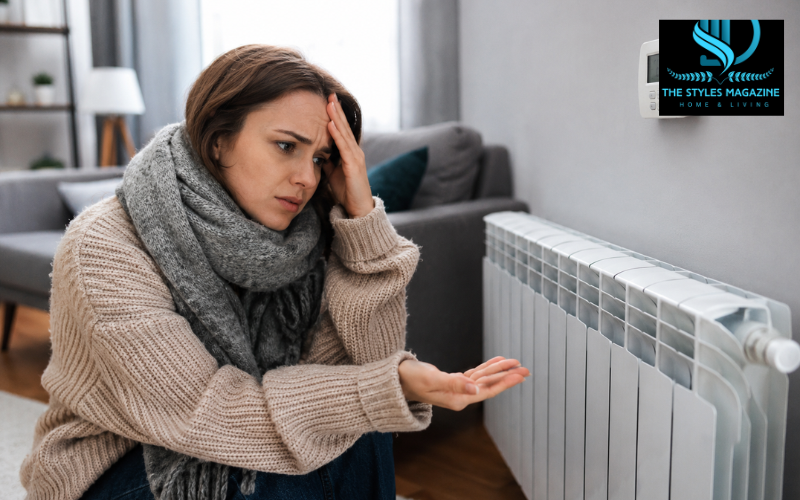
Few household problems feel more frustrating during cold weather than discovering the heat not working in house when you need it most. A heating system can suddenly stop producing warm air for many different reasons, and the issue may range from a small thermostat setting mistake to a more serious furnace failure. Many homeowners notice situations where the heat not working in house but AC works normally, while others experience heaters blowing cold air, gas furnace startup failures, or electric heating systems that suddenly stop responding.
The good news is that not every heating problem means expensive repairs are needed. In many cases, the issue can be linked to dirty filters, power interruptions, airflow restrictions, or thermostat problems that are relatively simple to fix. At the same time, some warning signs should never be ignored because they may point to electrical problems, gas supply issues, or damaged furnace components that require professional attention.
This guide explains the most common causes of home heating problems and walks through practical troubleshooting steps homeowners can safely try before calling for repair service. Whether you have a gas furnace, heat pump, or electric heater, understanding these basic checks can help you identify the problem faster and restore comfort to your home.
Quick Troubleshooting Guide
| Problem | Possible Cause | Quick Check |
| Heat not turning on | Wrong thermostat setting | Set thermostat to HEAT |
| Heater blowing cold air | Dirty filter or ignition issue | Replace filter and restart system |
| AC works but heat doesn’t | Furnace-specific failure | Check furnace breaker and thermostat |
| No airflow from vents | Blocked vents or blower issue | Open vents and inspect airflow |
| Furnace keeps shutting off | Overheating or dirty filter | Clean filter and check vents |
| Heat stopped after outage | Tripped breaker | Reset furnace breaker safely |
Common Reasons the Heat Stops Working in a House
When the heat not working in house becomes a sudden problem, the cause is often related to one of a few common issues. Thermostat settings are one of the first things to check because they can accidentally be changed during seasonal transitions or power outages. A thermostat set incorrectly may prevent the furnace from starting even though the rest of the HVAC system appears normal.
Dirty air filters are another major reason heating systems stop working. When airflow becomes restricted, many modern furnaces automatically shut down to prevent overheating. Power-related issues such as tripped breakers, blown fuses, or disconnected furnace switches can also stop the system from turning on.
Gas furnaces may experience ignition failures, pilot light problems, or flame sensor issues that interrupt heating cycles. In other homes, blocked vents or damaged ductwork reduce airflow so badly that rooms never receive enough warm air. Older heating systems are especially vulnerable during winter because worn components often fail under heavy use.
Start With the Thermostat Settings
Before assuming there is a serious furnace problem, homeowners should always begin with the thermostat. Small thermostat mistakes are one of the most common reasons the heat not working in house during colder months.
First, confirm the thermostat is set to HEAT mode rather than COOL or OFF. It is also important to raise the target temperature several degrees above the current room temperature so the system receives a clear signal to activate heating.
Battery-powered thermostats may stop communicating properly when batteries become weak. Replacing old batteries is a simple step that often solves the issue immediately. The fan setting should also remain on AUTO instead of ON. When the fan runs continuously without active heating, it can create the impression that the furnace is only blowing cold air.
Smart thermostats can sometimes create confusion because of schedules or energy-saving settings. If the heating system suddenly stops responding, reviewing programmed schedules or temporarily resetting the thermostat may help restore normal operation.
Why Your House Heat May Not Work While the AC Still Runs
Some homeowners become confused when the air conditioner works perfectly but the heating system fails. This situation is actually very common because cooling and heating functions rely on different components inside the HVAC system.
When the heat not working in house but AC works, the blower motor may still operate normally while the furnace itself fails to produce heat. Gas furnaces often experience ignition issues that prevent burners from activating. In heat pump systems, reversing valve problems may stop the unit from switching into heating mode.
Thermostat wiring can also create heating-only problems. Certain wires control cooling while others manage heating cycles. If one heating connection becomes loose or damaged, the air conditioning may still function correctly while the furnace remains inactive.
In some homes, the air handler continues circulating air even though the heating source has failed. This causes cool air to move through vents, making homeowners think the furnace is operating when it actually is not generating heat.
Checking the Power Supply and Furnace Breaker
Heating systems depend on a stable electrical supply to function correctly. If the heat not working in house suddenly after a power outage or storm, the electrical system should be inspected carefully.
Start by locating the breaker labeled furnace, heater, or air handler inside the home’s electrical panel. If the breaker appears tripped, switch it fully off before turning it back on. Simply pushing it halfway may not reset it correctly.
Many furnaces also have a dedicated power switch near the unit that resembles a standard light switch. This switch is sometimes turned off accidentally during cleaning or storage activities. Checking that it remains in the ON position is an important step.
Blown fuses, disconnected wiring, or loose electrical connections may also prevent the furnace from starting. However, if the breaker continues tripping repeatedly after being reset, homeowners should stop troubleshooting and contact an HVAC professional because this may indicate a dangerous electrical problem.
Dirty Air Filters and Airflow Problems That Shut Heating Systems Down
Air filters play a major role in heating system performance. A clogged filter restricts airflow, forcing the furnace to work harder while increasing internal temperatures. Modern systems include safety sensors that automatically shut down the furnace when overheating occurs.
Many homeowners dealing with heat not working in house overlook the filter entirely. A filter covered with dust, pet hair, or debris may completely block airflow through the system. Replacing the filter is one of the fastest and least expensive fixes for heating problems.
Restricted airflow also reduces heating efficiency and creates uneven room temperatures. In severe cases, the furnace may repeatedly cycle on and off because it cannot maintain safe operating conditions.
Supply vents and return vents should always remain open and unobstructed. Furniture, rugs, curtains, or storage boxes blocking airflow can create pressure problems throughout the heating system.
Heat Not Working in House but Hot Water Still Works
Many homeowners assume there is no gas problem when hot water continues working normally. However, water heaters and home heating systems often operate independently even when they share the same gas supply.
When the heat not working in house but hot water works, the furnace itself may be experiencing ignition problems, thermostat failures, or control board issues. In some cases, the gas valve supplying the furnace may be partially closed while the water heater still receives fuel normally.
Boiler systems and forced-air systems also function differently. A boiler heats water for radiators or baseboard heaters, while forced-air systems distribute warm air through ducts. Troubleshooting depends heavily on the type of heating system installed in the home.
Understanding this difference helps homeowners avoid assuming the entire gas supply is functioning perfectly simply because hot water remains available.
What to Do When the Heater Is Blowing Cold Air
One of the most common heating complaints occurs when the furnace appears to run but only cold air comes from the vents. Several different problems can create this situation.
Dirty flame sensors or failed ignition systems may prevent burners from staying lit long enough to produce heat. When this happens, the blower may continue running while only cool air circulates through the house.
Duct leaks are another possibility. Heated air escaping inside walls, attics, or crawl spaces may never reach living areas properly. Heat pumps can also temporarily blow cooler air during defrost cycles, especially in freezing weather conditions.
Fan-related problems may cause cold airflow as well. If the blower activates before the furnace fully heats up, rooms may receive unheated air during startup cycles.
Troubleshooting Gas Heating Systems Safely
Gas heating systems require careful attention because improper handling can create safety risks. Homeowners should only perform basic inspections and avoid attempting complex repairs themselves.
Start by checking whether the gas valve near the furnace is open. Older furnaces may still use pilot lights that occasionally go out. If the pilot flame is extinguished, follow the manufacturer’s instructions carefully before attempting to relight it.
Unusual smells, loud noises, or delayed ignition sounds should never be ignored. A strong gas odor requires immediate action, including leaving the home and contacting emergency services or the gas company.
Modern furnaces include safety shutdown systems that stop operation when dangerous conditions are detected. These systems protect the home from overheating, gas buildup, or ventilation problems.
Why an Electric Heater May Stop Working in a House
Electric heating systems can also experience sudden failures. In many homes, the issue begins with tripped breakers or blown fuses caused by overloaded circuits.
When homeowners ask why is my electric heater not working in my house, the answer may involve damaged heating elements, thermostat communication problems, or faulty relays controlling the heating cycle.
Electric furnaces rely heavily on electrical components, so even small connection issues can interrupt operation completely. Unlike gas systems, electric heaters do not use burners or pilot lights, but they still require proper airflow and thermostat communication.
If burning smells, sparks, or repeated breaker trips occur, the system should be shut down immediately until it can be inspected professionally.
Warning Signs Your Furnace May Have a Mechanical Problem
Some heating failures develop gradually instead of happening suddenly. Strange noises such as banging, squealing, or rattling often indicate worn mechanical parts inside the furnace.
Burning odors coming through vents may suggest overheating components, dust buildup, or electrical issues. Short cycling is another warning sign where the furnace repeatedly turns on and off without completing a full heating cycle.
Weak airflow and uneven room temperatures may point to blower motor problems, duct restrictions, or failing internal components. Older furnaces are especially vulnerable to wear-related issues after years of heavy winter use.
Recognizing these early warning signs may help homeowners prevent complete system failure during extremely cold weather.
Simple Heating System Reset Steps Homeowners Can Try
Some heating problems can be resolved through a basic system reset. Turning the thermostat off for several minutes before restarting it may restore communication between system components.
Resetting the furnace breaker can also help after temporary electrical interruptions. Replacing dirty filters before restarting the furnace is important because restricted airflow may immediately trigger another shutdown.
Some furnaces include a dedicated reset button near the motor assembly. However, repeatedly pressing the reset button should be avoided because it may worsen existing mechanical problems.
Many modern systems also include built-in safety timers that delay restarting after a shutdown. Waiting several minutes before assuming the furnace failed again is often necessary.
When Vents, Ductwork, or Airflow Restrictions Cause Heating Problems
Proper airflow is essential for consistent heating performance. Blocked vents or damaged ducts can prevent warm air from reaching important areas of the home.
Furniture placed directly over vents or rugs covering return air grilles often reduce circulation dramatically. Damaged ductwork may leak heated air into unused spaces such as attics or crawl spaces.
Poor airflow creates uneven heating, causing some rooms to remain cold while others become overly warm. In severe cases, restricted airflow forces the furnace to overwork and shut down repeatedly.
If airflow problems continue after vents are cleared and filters replaced, professional duct inspection may be necessary.
Understanding Furnace Error Lights and Diagnostic Codes
Modern furnaces often include diagnostic lights designed to help identify system problems. These small LED indicators blink in specific patterns when the furnace detects an issue.
Homeowners experiencing heat not working in house troubleshooting situations can often locate the error chart inside the furnace access panel. Different flashing patterns correspond to specific problems such as ignition failure, pressure switch issues, or overheating.
While these codes provide helpful clues, they should not replace professional diagnosis when major repairs are needed. Some problems involve internal electrical or gas components that require specialized tools and training.
Signs It’s Time to Call an HVAC Professional
Although basic troubleshooting can solve many heating problems, some situations require professional repair immediately. A furnace that repeatedly shuts off after resetting may have dangerous internal issues.
Burning odors, gas smells, or electrical sparks should never be ignored. If no heat returns after checking the thermostat, power supply, and air filter, professional inspection is usually necessary.
Persistent breaker trips, damaged components, or unusual noises often indicate deeper mechanical failures. Attempting advanced repairs without proper training may create safety risks or cause additional damage to the system.
Preventing Heating Problems Before Winter Starts
Preventive maintenance remains one of the best ways to avoid sudden heating failures during cold weather. Replacing air filters regularly helps maintain proper airflow while reducing strain on the furnace.
Seasonal HVAC inspections allow technicians to identify worn components before they fail completely. Keeping furnace areas clean and free from clutter also improves system safety and airflow.
Testing the heating system before temperatures drop gives homeowners time to address small problems early. Monitoring thermostat performance throughout the year can also prevent unexpected heating interruptions later.
Conclusion
Discovering the heat not working in house can quickly become stressful, especially during freezing weather. Fortunately, many heating problems are caused by simple issues such as thermostat settings, dirty air filters, blocked vents, or temporary power interruptions. Taking time to inspect these common problem areas can often restore heat without major repairs.
At the same time, homeowners should remain aware of warning signs that indicate more serious issues. Burning smells, repeated breaker trips, unusual noises, or gas odors should always be treated carefully and inspected professionally when necessary.
Regular maintenance, proper airflow, and seasonal system checks play a major role in preventing heating failures before winter begins. By understanding how home heating systems work and recognizing common warning signs early, homeowners can keep their homes safer, warmer, and more comfortable throughout the colder months.
FAQs
Why Is My Heat Not Working In House But Ac Works?
This usually happens when the cooling system still functions normally, but the furnace, heat pump, or heating components fail to activate properly.
Why Is My Heater Blowing Cold Air Instead Of Heat?
Dirty filters, ignition failures, thermostat issues, or heat pump defrost cycles are common reasons a heater may blow cold air.
Can A Dirty Air Filter Stop The Heat From Working?
Yes, clogged filters can restrict airflow and trigger furnace safety shutdowns to prevent overheating and internal damage.
Why Does My Hot Water Work But House Heat Does Not?
Water heaters and home heating systems often operate separately, so your furnace may fail even when hot water still works normally.
When Should I Call An HVAC Professional?
You should call a professional if the furnace keeps shutting off, trips breakers repeatedly, produces burning smells, or still does not heat after basic troubleshooting.
Enjoyed it? Find more exclusive content on The Styles Magazine.
Disclaimer: This article is for general informational purposes only and should not replace professional HVAC inspection or repair services. Always follow manufacturer safety instructions and contact a licensed technician for gas, electrical, or major heating system problems.