Flickering lights are one of the most common electrical problems homeowners experience, but they are also one of the most misunderstood. In some cases, a flickering light may be caused by something simple, such as a loose bulb or an incompatible dimmer switch. However, when lights continue flickering repeatedly or affect several rooms in the house, the issue can point to a much larger electrical problem hiding behind the walls.
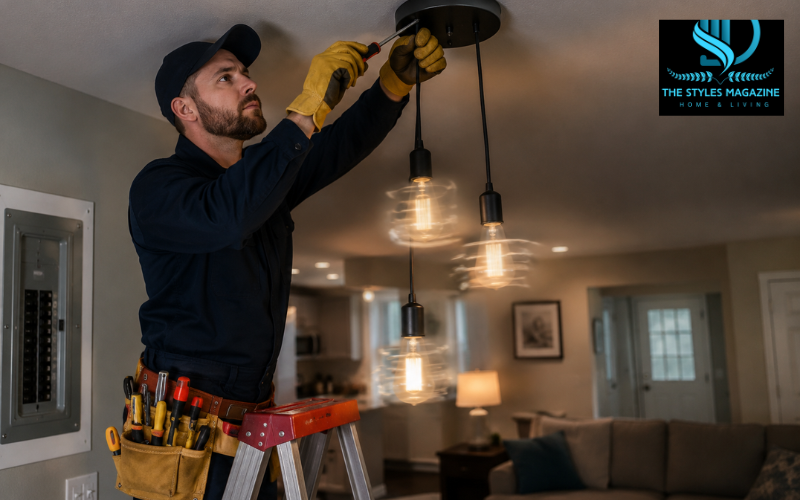
Ignoring electrical warning signs is never a good idea. What starts as a small inconvenience can eventually lead to damaged appliances, power failures, or even electrical fires. This is why many homeowners choose to contact an electrician for flickering lights as soon as they notice unusual activity in their home’s electrical system.
The difference between harmless flickering and dangerous electrical trouble often depends on how often the problem happens and whether other warning signs appear along with it. Buzzing sounds, burning smells, tripped breakers, or outlets that feel warm should always be taken seriously. In these situations, hiring a residential electrician for flickering lights is usually the safest and smartest solution.
This article explains the common causes of flickering lights, the signs that require immediate professional attention, the average repair costs in 2026, and how to choose the best electrician for the job.
Quick Guide Table
| Problem | Possible Cause | Risk Level | Need an Electrician? |
| One flickering bulb | Loose bulb or bad socket | Low | Sometimes |
| Lights dim with appliances | Overloaded circuit | Medium | Yes |
| Multiple lights flickering in house | Wiring or panel issue | High | Yes |
| Buzzing switches or outlets | Loose electrical connection | High | Immediately |
| Burning smell near panel | Overheating wires | Very High | Emergency |
| Frequent breaker trips | Circuit overload or fault | High | Yes |
Why Lights Flicker in a House
Lights can flicker for many different reasons, and not every situation is dangerous. Sometimes the problem is as simple as a loose light bulb that is not making proper contact inside the socket. In other cases, the issue may involve faulty wiring, overloaded circuits, or problems inside the electrical panel.
Temporary flickering usually happens once or twice and then disappears. For example, lights may briefly dim when a large appliance such as an air conditioner or refrigerator turns on. While occasional dimming is common in many homes, repeated flickering should not be ignored.
Recurring flickering often signals an electrical issue that needs professional inspection. Older homes are especially vulnerable because aging electrical systems can struggle to handle modern energy demands. Worn wiring, outdated breaker panels, and loose electrical connections become more common as systems age.
When multiple lights flickering in house situations occur at the same time, the problem is usually more serious than a single faulty fixture. Flickering throughout the home may indicate trouble with the main electrical panel, service cable, or utility connection. These problems can become dangerous if left untreated for too long.
Signs the Problem Requires a Professional Electrician
Some electrical issues can be solved quickly, while others require immediate professional attention. Knowing the warning signs can help homeowners avoid serious safety risks.
One major warning sign is a burning smell coming from outlets, switches, or the breaker panel. Electrical components should never produce a plastic-like or smoky odor. This can indicate overheating wires or melting insulation, both of which increase the risk of electrical fires.
Buzzing or crackling sounds are another sign that something may be wrong behind the walls. Electricity should move quietly through the system. When switches, outlets, or panels start making noise, loose connections or damaged wiring may be present.
Homeowners should also pay attention to outlets or switch plates that feel warm to the touch. Heat buildup usually means the electrical system is working harder than it should. This can happen because of overloaded circuits or failing components.
In some homes, flickering becomes more noticeable whenever major appliances start running. If lights dim when the washing machine, microwave, or air conditioner turns on, the electrical system may not be handling the load properly. Frequent breaker trips combined with flickering lights are also signs that the system needs professional evaluation.
DIY electrical repairs may seem tempting, but they can become dangerous very quickly. Electrical systems are complex, and incorrect repairs can lead to shocks, fires, or code violations. An experienced electrician for flickering lights can identify the root cause safely and prevent future damage.
Common Electrical Problems Found During Inspection
When electricians inspect flickering lights, they often uncover hidden problems that homeowners cannot easily see. One of the most common issues is loose wiring connections. Over time, wires can shift slightly because of heat, vibration, or aging materials. Even a small loose connection can interrupt electrical flow and cause lights to flicker.
Faulty switches and dimmers are another frequent problem. Older dimmer switches may not work properly with modern LED bulbs, leading to inconsistent lighting. Damaged switches can also create poor electrical contact.
Overloaded circuits are especially common in homes with growing electrical demands. Modern households use far more electronics and appliances than homes built decades ago were designed to handle. When too many devices share the same circuit, lights may flicker whenever power demand increases.
Electricians also inspect breaker panels carefully. A damaged or outdated panel can create widespread electrical instability throughout the house. In some cases, certain breaker brands with known safety issues may need complete replacement.
Sometimes the issue is not inside the home at all. Utility service connection problems can also cause flickering lights. Loose connections between the home and the power grid may lead to unstable voltage entering the property.
Older residential wiring systems often contain worn insulation, outdated materials, or unsafe modifications from previous repairs. These hidden problems can become serious hazards if not corrected properly.
Residential Electrician for Flickering Lights: What They Actually Do
Many homeowners are unsure about what happens during a professional electrical inspection. A residential electrician for flickering lights usually begins by asking questions about the problem, including how often the flickering occurs and whether it affects certain rooms or the entire house.
The electrician will then test circuits, outlets, switches, and breaker panels to identify voltage irregularities or faulty components. Specialized tools allow professionals to measure electrical flow and locate hidden issues safely.
In many cases, electricians inspect the main panel first because it controls power distribution throughout the home. Loose breakers, damaged bus bars, or overloaded circuits can all contribute to flickering lights.
Electricians also check for hidden wiring faults inside walls and ceilings. These problems are difficult for homeowners to detect without professional equipment and training. Finding the exact source of the issue is important because symptoms can sometimes appear far from the actual problem area.
Safety checks are another major part of the process. Licensed electricians ensure that repairs meet local building codes and electrical safety standards. This reduces the risk of future problems and helps protect the home from fire hazards.
Sometimes the repair is relatively small, such as replacing a switch or tightening a loose connection. In other situations, larger upgrades may be necessary. Older homes with outdated electrical panels or aging wiring may require partial rewiring or full panel replacement to solve the problem safely.
Multiple Lights Flickering in House: What It Usually Means
When only one light flickers, the issue is often isolated to a bulb, switch, or fixture. However, when multiple lights flickering in house situations occur together, the electrical problem may involve the home’s main power system.
Whole-house flickering often points to problems inside the breaker panel or service line. Loose main connections can interrupt electrical flow throughout the property. This type of issue should always be inspected quickly because it can worsen over time.
Voltage fluctuations are another common cause of widespread flickering. Electrical systems are designed to maintain stable voltage levels, but damaged components or overloaded circuits can disrupt that balance. As voltage changes rapidly, lights may dim or flicker unexpectedly.
Overloaded systems are especially common in older homes where modern appliances place higher demands on the electrical system. Air conditioners, electric vehicle chargers, space heaters, and kitchen appliances all consume large amounts of power. Without proper upgrades, older wiring and panels may struggle to keep up.
Widespread flickering can also become a fire hazard. Loose electrical connections generate heat, and overheating wires can eventually ignite surrounding materials. This is why electricians recommend immediate inspection when multiple rooms experience flickering at the same time.
Electrician for Flickering Lights Cost in 2026
The cost of hiring an electrician for flickering lights depends on the severity of the problem, the location of the home, and the type of repair required. In 2026, many homeowners in the United States pay between $162 and $538 for standard electrical repairs, with average project costs around $350.
Simple fixes are usually affordable. Replacing a faulty bulb, dimmer switch, or light fixture may cost less than $100 in some cases. Small wiring repairs or outlet replacements generally fall within the lower price range as well.
More complex electrical issues increase labor and material costs. Repairs involving damaged wiring, overloaded circuits, or breaker panel problems often range from several hundred to several thousand dollars depending on the amount of work required.
Emergency electrical service is typically more expensive, especially during nights, weekends, or holidays. Electricians may charge additional fees for urgent troubleshooting because of the immediate safety risks involved.
Panel upgrades and rewiring projects represent some of the highest electrical expenses for homeowners. Replacing an outdated breaker panel may cost between $1,200 and $4,000 or more depending on the home’s size and electrical needs. Full rewiring projects can cost significantly more, especially in older homes with difficult access areas.
While professional repairs may seem expensive, ignoring electrical problems often leads to even higher costs later. Early inspection can prevent property damage, appliance failure, and dangerous electrical fires.
How to Choose the Best Electrician for Flickering Lights
Choosing the best electrician for flickering lights requires more than simply searching online for the lowest price. Electrical work directly affects home safety, so experience and qualifications matter greatly.
Homeowners should always look for licensed and insured electricians. Proper licensing shows that the electrician has completed training and meets local safety requirements. Insurance protects both the homeowner and the contractor if accidents occur during the repair process.
Experience with residential electrical troubleshooting is also important. Flickering lights can have many causes, and experienced electricians are usually better at identifying hidden problems quickly.
Online reviews and customer feedback can provide helpful insight into a company’s reputation. Homeowners often look for electricians who communicate clearly, arrive on time, and explain repair options honestly.
Before hiring anyone, it is smart to ask questions about pricing, inspection procedures, warranties, and estimated completion times. Reliable electricians are usually transparent about costs and willing to explain their recommendations.
Homeowners searching for an electrician near me should also watch for warning signs. Extremely low prices, lack of licensing information, pressure tactics, or vague estimates may indicate unreliable contractors. Electrical repairs should always prioritize safety and quality over shortcuts.
Understanding Electrical Licensing and Safety Standards
Electrical licensing exists to protect homeowners and ensure repairs meet proper safety standards. Licensed electricians are trained to follow national and local electrical codes, reducing the risk of dangerous installation mistakes.
In some regions, electricians must meet additional local licensing requirements. For example, a d.c. electrician license involves specific training, testing, and certification standards designed to ensure safe electrical work in Washington, D.C.
Licensed professionals also understand inspection requirements and permit procedures when larger repairs or upgrades are necessary. This helps homeowners avoid legal issues and ensures electrical systems remain compliant with local building regulations.
Hiring unqualified contractors can create serious risks. Improper wiring repairs may pass unnoticed initially but later lead to fires, shocks, or expensive property damage. Insurance companies may also deny claims if electrical work was completed illegally or without permits.
Professional electricians follow safety procedures carefully, use approved materials, and test repairs thoroughly before completing the job. This level of accountability is one reason many homeowners prefer licensed professionals even for smaller electrical problems.
Local Electrical Companies and Service Providers Homeowners Research
When homeowners experience electrical issues, they often research local companies before making a decision. Trust, availability, and reputation usually play a major role in choosing an electrician.
Many people look for companies with strong customer reviews, emergency availability, and transparent pricing policies. Fast response times are especially important when flickering lights involve potential safety hazards.
Some homeowners researching electrical contractors may come across names such as Wilcox Electric DC or other regional service providers. Companies that appear frequently in local searches often build visibility through years of service, customer trust, and consistent online presence.
Comparing electricians carefully helps homeowners find professionals who match their needs. Clear communication, detailed inspections, and honest recommendations are often signs of reliable service providers. While pricing matters, expertise and safety standards are usually more important when dealing with electrical repairs.
Preventing Flickering Lights in the Future
Preventing electrical problems starts with regular maintenance and early attention to warning signs. Homeowners who schedule periodic inspections are more likely to catch small issues before they become serious hazards.
Avoiding overloaded circuits is one of the simplest ways to reduce electrical stress. High-powered appliances should be distributed across multiple circuits whenever possible. Plugging too many devices into one outlet or extension cord can increase the risk of overheating.
Upgrading outdated electrical panels and wiring is another important step for older homes. Modern electrical systems are designed to handle larger power demands safely and efficiently.
Smart lighting systems and energy-efficient appliances are becoming more common in modern homes, but they should always be installed correctly. Using compatible dimmers, quality wiring, and properly rated circuits helps prevent unnecessary flickering problems.
Homeowners should also respond quickly whenever new electrical issues appear. Small warning signs often develop into larger problems over time, especially if ignored repeatedly.
Conclusion
Flickering lights may seem like a small annoyance at first, but they can also be an early warning sign of serious electrical trouble. While some cases involve simple fixes, recurring flickering, buzzing sounds, burning smells, or widespread lighting problems should never be ignored.
Hiring an experienced electrician for flickering lights is often the safest way to protect your home and family. Professional inspections can identify hidden hazards, prevent electrical fires, and ensure repairs meet modern safety standards.
Early action is always better than waiting for the problem to worsen. Whether the issue involves loose wiring, overloaded circuits, or an outdated breaker panel, professional repairs can improve both safety and long-term reliability. Prioritizing electrical maintenance today can help homeowners avoid dangerous and expensive problems in the future.
FAQs
Can Flickering Lights Be Dangerous?
Yes, flickering lights can sometimes signal loose wiring, overloaded circuits, or failing electrical panels, which may increase the risk of electrical fires if ignored for too long.
How Much Does An Electrician For Flickering Lights Cost?
In 2026, most homeowners pay between $162 and $538 depending on the repair type, emergency service needs, and whether wiring or panel upgrades are required.
Why Are Multiple Lights Flickering In My House?
Multiple lights flickering in house areas often point to larger electrical problems such as faulty wiring, voltage fluctuations, or issues inside the main breaker panel.
Should I Call An Electrician For Occasional Flickering?
If flickering happens repeatedly, spreads to different rooms, or appears with buzzing sounds or breaker trips, it is safest to contact a professional electrician immediately.
Can Old Wiring Cause Lights To Flicker?
Yes, aging electrical wiring can loosen over time and struggle with modern power demands, causing lights to flicker and creating potential safety hazards.
Enjoyed it? Find more exclusive content on The Styles Magazine.
Disclaimer: This article is for informational and educational purposes only. Electrical systems can be dangerous, and repair work should always be handled by a licensed electrician. Always follow local electrical codes and safety regulations.