If you have ever wished you could enjoy your backyard without swatting mosquitoes or squinting through harsh sunlight, a 3 season room might be exactly what your home is missing. These enclosed, light-filled spaces have quietly become one of the most popular home additions in recent years — and for good reason. They offer the feel of the outdoors without the downsides, and they do it at a fraction of the cost of a full home extension.
A 3 season room is designed for use during spring, summer, and fall. It is not a year-round living space, but that is also what makes it so appealing. You get a bright, comfortable room that connects you with the outdoors without the heavy investment of a fully insulated addition. Whether you are dreaming of a peaceful morning coffee spot, a stylish entertaining area, or a bug-free zone for the kids, this type of room delivers.
In this article, you will learn exactly what a 3 season room is, how it compares to similar structures, what it costs in 2026, and everything you need to plan, build, or buy one. Let us get into it.
3 Season Room vs Sunroom vs Screened Porch
| Feature | 3 Season Room | 4-Season Sunroom | Screened Porch |
| Usable Seasons | 3 (Spring–Fall) | All 4 seasons | 2–3 seasons |
| Insulation | Minimal | Full | None |
| Glass Type | Single-pane / EZE Breeze | Double/Triple-pane | Screen mesh only |
| HVAC Connected | ❌ No | ✅ Yes | ❌ No |
| Rain Protection | ✅ Yes | ✅ Yes | ⚠️ Partial |
| Bug Protection | ✅ Yes | ✅ Yes | ✅ Yes |
| Avg. Cost (2026) | $15K–$35K+ | $20K–$60K+ | $8K–$20K |
| Best For | Budget-friendly comfort | Year-round living | Open-air feel |
| DIY Kit Available | ✅ Yes | ⚠️ Rarely | ✅ Yes |
What Exactly Is a 3 Season Room?
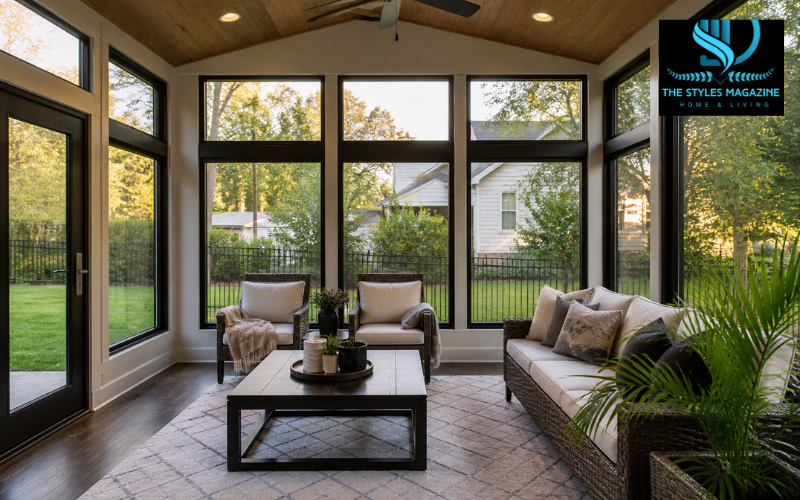
A 3 season room is an enclosed addition to your home that is built for use in three out of the four seasons — spring, summer, and fall. It typically features large windows or screen panels, a proper roof, and a solid floor. What it does not have is full insulation or a connection to your home’s central heating and cooling system. That is the key distinction that separates it from other types of room additions.
How It Differs from a Regular Room
Unlike a standard room in your home, a 3 season room is not built to maintain a consistent indoor temperature year-round. The walls are thinner, the windows are usually single-pane, and there is no ductwork running through it. Think of it as the sweet spot between a fully enclosed living space and an open patio. It keeps out rain, bugs, and UV rays while still giving you that open, airy feeling you love about being outside.
Why It’s Called “3 Season”
The name is straightforward. These rooms are comfortable during spring, summer, and fall, but they are generally not suitable for winter use in colder climates. Without insulation or a heating system, temperatures inside the room will closely follow whatever is happening outside. Some homeowners add portable heaters or electric fireplaces to squeeze out a few extra weeks of use in the colder months, but the room is fundamentally designed for three seasons of enjoyment.
3 Season Room vs Sunroom — Are They the Same Thing?
Many people use these two terms interchangeably, but they are not quite the same. A sunroom is often a broader category that can include both 3-season and 4-season versions. When someone says “sunroom,” they might mean anything from a lightly built enclosure to a fully insulated room addition. A 3 season room is one specific type within that range.
Key Structural Differences
The most important difference comes down to insulation and glass. A true 4-season sunroom uses double or triple-pane insulated glass, full wall insulation, and an HVAC connection. A 3 season room typically uses single-pane or lightweight glass panels, minimal insulation, and relies on fans or portable heaters for comfort. This structural simplicity is exactly why a 3 season room costs significantly less to build.
Which One Should You Choose?
If you live in a mild climate and only want to use your extra space during warmer months, a 3 season room is the smarter, more budget-friendly choice. If you live somewhere with harsh winters and want to use your sunroom year-round, it is worth investing in a 4-season build. The honest answer is that most homeowners find a 3 season room meets their needs perfectly — especially when you consider the cost difference.
3 Season Room vs Screened Porch — Which One Wins?
Both options give you an outdoor-connected space that keeps bugs out, but they are built very differently and serve slightly different purposes.
What a Screened Porch Offers
A screened porch replaces solid walls with mesh screening stretched over a frame. It is open to the air, which means it provides excellent ventilation and an almost completely outdoor feel. It is also generally less expensive than a 3 season room. The downside is that it offers very little protection from rain, cold, or strong winds. If it is raining, you are likely heading back inside.
Where a 3 Season Room Has the Edge
A 3 season room wins on weather protection, privacy, and versatility. Because it uses solid glass or panel windows instead of screen mesh, you are shielded from rain and wind. The space feels more like a real room — you can furnish it properly, add rugs, hang curtains, and use it on overcast or breezy days when a screened porch would feel uncomfortable. If you want a space that genuinely extends your living area rather than just adding a covered outdoor spot, a 3 season room is the better investment.
How Much Does a 3 Season Room Cost in 2026?
Cost is usually the first question homeowners ask, and in 2026, the numbers have shifted slightly due to material and labor prices. Here is what you can realistically expect.
Factors That Affect the Price
Several things influence what you will pay. The size of the room is the biggest factor — a larger space requires more materials and labor. The type of windows or panel system you choose also plays a major role, with premium systems like EZE Breeze costing more than basic single-pane options. Your local labor market, the complexity of the foundation, and whether you need permits all affect the final number.
Average Cost Breakdown by Size and Material
For a modest 10×12 foot 3 season room using standard aluminum framing and basic windows, expect to spend somewhere in the range of $15,000 to $22,000 fully installed. A mid-size room around 12×16 feet with better window systems typically runs $22,000 to $35,000. Larger or more custom builds can push beyond $40,000. DIY kit options, which we will cover shortly, can bring costs down considerably if you are comfortable with the work.
Hidden Costs Most Homeowners Overlook
Building permits are often forgotten until they show up on the bill — budget $500 to $2,000 depending on your municipality. Electrical work for lighting, fans, and outlets is another common extra. If your existing deck or patio needs reinforcement to support the new structure, that adds cost too. And do not forget furnishings — a well-dressed 3 season room is a bigger expense than the bare bones structure.
Popular 3 Season Room Ideas Worth Stealing
Once the structure is up, the fun part begins. Here are some of the most popular ways homeowners are using their 3 season rooms in 2026.
Cozy Reading and Relaxation Nook
This is the most classic use — a sunny, quiet corner furnished with a comfortable chair, a small side table, and plenty of natural light. Add a ceiling fan overhead and some potted plants along the edges, and you have a personal retreat that feels completely separate from the busyness of the main house.
Outdoor-Style Dining and Entertaining Space
A 3 season room makes a beautiful dining area. Set up a proper table and chairs, string some lights along the ceiling, and you have a space that feels like al fresco dining without any of the weather risks. It is ideal for hosting small dinner parties or weekend brunches where guests can enjoy the view without sitting fully outside.
Home Office with a Natural View
Working from home has changed what people need from their living spaces. A 3 season room offers something a spare bedroom never quite can — a sense of being surrounded by nature while still sitting at your desk. The natural light is great for mood and focus, and the physical separation from the main house helps with work-life boundaries.
Kids and Pet-Friendly Play Area
Parents love 3 season rooms as safe zones where kids can play in a semi-outdoor environment without running into the street or getting bitten by insects. It works equally well for pets who want to lounge in the sun without the risk of escaping the yard.
3 Season Room Plans — What to Think About Before You Build
Good planning makes the difference between a room you love and one you regret.
Choosing the Right Location on Your Property
Most 3 season rooms are built off the back of the house, often replacing or enclosing an existing deck. South or east-facing rooms get the most morning and afternoon sun, which is ideal for warmth in spring and fall. West-facing rooms can get very hot in summer afternoons, so factor in shading options if that is your only option.
Layout and Flow Considerations
Think about how the room connects to the rest of your home. Ideally, it should open from a main living area like the kitchen or family room so that it feels like a natural extension rather than a detached space. Make sure there is enough room for furniture without crowding the windows — the views are a big part of the appeal.
Working With or Without a Contractor
Hiring a reputable contractor is the safest route, especially for permits, structural work, and electrical connections. However, some homeowners with solid DIY skills do manage the build themselves using pre-engineered kits. Be honest about your abilities before committing to a DIY project of this scale.
3 Season Room Dimensions — Standard Sizes and What Works Best
Getting the size right matters both for comfort and for budget.
Small vs Large Room Dimensions
Small 3 season rooms typically start around 8×10 or 10×12 feet — big enough for a couple of chairs and a small table, but not much more. Medium sizes in the 12×14 to 12×16 range are the most popular because they offer real flexibility without dominating the backyard. Large rooms at 16×20 feet or more can function almost like a full bonus room.
How to Decide the Right Size for Your Space
Start by thinking about how you intend to use it. A reading nook only needs a small footprint. A dining and entertaining space needs room for a table, chairs, and comfortable movement around them. Measure your available outdoor space and check local setback requirements before finalizing dimensions.
3 Season Room Kits — A DIY-Friendly Option
For budget-conscious homeowners who are comfortable with hands-on work, 3 season room kits offer a practical alternative to fully custom builds.
What Comes in a Typical Kit
A standard kit includes pre-engineered wall panels, window or screen systems, a roof structure, and all necessary hardware. Some kits are designed to attach to an existing deck, which reduces groundwork significantly. Instructions are included, though they range widely in quality depending on the manufacturer.
Pros and Cons of Going the Kit Route
The main advantage is cost — kits can cut your total expense by 30 to 50 percent compared to a fully contracted build. The tradeoff is time and effort. Installation can take a weekend for a small kit with experienced help, or several weeks if you are working alone and learning as you go. Customization options are also more limited.
Best Kit Options Available in 2026
Brands like Patio Enclosures, Sunspace, and several regional manufacturers offer well-reviewed kits in 2026. Look for kits with aluminum framing (more durable than vinyl in most climates), compatible window systems, and clear warranty terms. Reading recent customer reviews is essential since quality can vary significantly between product lines.
Materials, Windows, and Flooring — Building It Right
The materials you choose determine how your room looks, how long it lasts, and how comfortable it stays.
Frame Materials: Aluminum vs Wood
Extruded aluminum is the most popular choice today because it is lightweight, rust-resistant, and low maintenance. It handles moisture well, which matters in a semi-outdoor environment. Wood frames have a warmer, more traditional look and can be painted or stained to match your home, but they require more upkeep and are susceptible to moisture damage over time.
Window Systems Including EZE Breeze and Similar Options
EZE Breeze is one of the most popular window systems for 3 season rooms. It uses flexible vinyl panels that can be slid up or down to adjust airflow, which gives you flexibility between a screened feel and a closed, glass-panel feel. Similar systems from brands like Ply Gem and PGT offer comparable functionality. These interchangeable window systems have become a defining feature of modern 3 season rooms because of how much control they give the homeowner.
Best Flooring Choices for a 3 Season Room
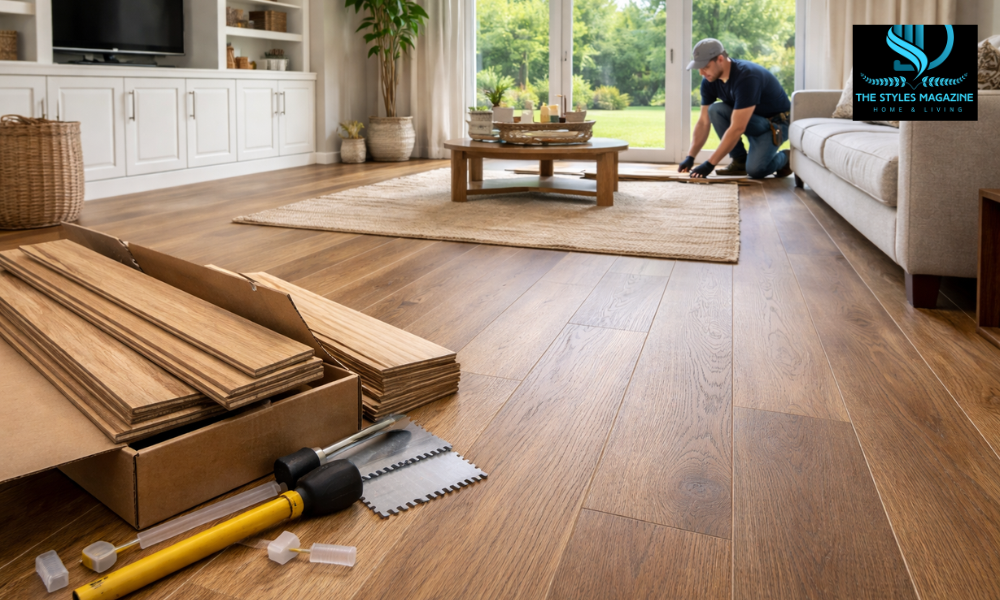
Because 3 season rooms are exposed to more humidity and temperature swings than the interior of your home, flooring needs to be moisture-resistant. Luxury vinyl plank (LVP) is the top choice in 2026 because it looks great, handles moisture well, and is comfortable underfoot. Porcelain tile is another excellent option — highly durable and easy to clean. Sealed concrete works well in more rustic or industrial-style builds. Avoid hardwood unless it is specifically engineered for high-moisture environments.
Heating and Cooling a 3 Season Room Without HVAC
No central HVAC does not mean you have to suffer through temperature extremes.
Ceiling Fans and Ventilation Tips
A ceiling fan is the single best investment for summer comfort in a 3 season room. It moves air efficiently, keeps the space feeling fresh, and costs very little to run. Pair it with operable windows on multiple sides to create cross-ventilation on breezy days.
Portable Heaters and Electric Fireplaces
For chilly spring or fall evenings, a portable electric heater or a compact electric fireplace can make the room genuinely comfortable. Wall-mounted infrared heaters are particularly popular because they heat people directly rather than trying to warm the air, which makes them more efficient in a lightly insulated space.
How to Extend the Usable Season
Beyond heaters and fans, thermal curtains or cellular shades can help retain heat in cooler months and block heat in summer. Adding an outdoor rug can make the floor feel warmer underfoot. Some homeowners install radiant floor heating as part of the original build, which is one of the most effective ways to push usability deeper into fall and early winter in moderate climates.
Finding a 3 Season Room Contractor Near You
Searching “3 season room near me” will return plenty of results, but choosing well takes a bit more thought.
What to Look for in a Local Builder
Look for contractors who specialize in sunrooms, patio enclosures, or home additions — not general contractors who occasionally take on these projects as a side job. Specialization matters here. Check their portfolio for completed 3 season rooms specifically, and look at how those rooms have held up over time if you can find older reviews.
Questions to Ask Before Hiring
Ask about permits — a good contractor handles them for you. Ask who does the actual installation, since some companies sell the project and then subcontract the work. Ask about warranties on both the materials and the labor. And ask for references from recent clients in your area.
How to Get an Accurate Quote
Get at least three quotes before committing. Make sure each quote covers the same scope of work — foundation, framing, windows, roofing, electrical rough-in, and any finishing work. A suspiciously low quote often means something has been left out.
Is a 3 Season Room Worth It? Real Talk for Homeowners
Return on Investment and Home Value Impact
A well-built 3 season room typically adds meaningful value to a home, though returns vary by region and execution. In markets where outdoor living is highly desirable, a quality 3 season room can return 50 to 75 percent of its cost in added home value. Beyond resale, the lifestyle value — having a space you genuinely use and enjoy daily — is something that is hard to put a dollar figure on.
Who Benefits the Most from This Addition
Homeowners who spend a lot of time at home, enjoy outdoor living, and want to increase their functional square footage without a massive investment are the best candidates. If you already have a deck that goes largely unused, enclosing it as a 3 season room is often one of the best-value home improvements you can make.
Conclusion
A 3 season room is one of those home additions that tends to exceed expectations. It is affordable relative to full room additions, faster to build, and genuinely transforms how you use your home during the warmer months. Whether you are drawn to the idea for relaxation, entertaining, working from home, or simply giving your family more space to breathe, this type of room delivers real, daily value.
The key is going in with clear expectations — know what a 3 season room is built for and choose your materials, size, and contractor accordingly. Take your time with the planning phase, get multiple quotes, and do not overlook the small details like flooring and window systems that make the difference between a room you tolerate and one you love.
If you have been on the fence about this kind of project, 2026 is a great time to move forward. Kits are more refined than ever, contractors are experienced with these builds, and the design ideas available are genuinely inspiring. Start with a clear vision, budget realistically, and you will end up with a space your whole household will use for years to come.
FAQs
What Is The Average Cost Of A 3 Season Room In 2026?
Most 3 season rooms cost between $15,000 and $35,000 fully installed. Size, materials, and local labor rates are the biggest factors that affect the final price.
Can A 3 Season Room Be Used In Winter?
Not comfortably in cold climates. Without insulation or HVAC, temperatures follow the outdoors. Portable heaters can help extend use into early winter in mild areas.
How Long Does It Take To Build A 3 Season Room?
A contractor-built room typically takes one to three weeks. A DIY kit on an existing deck can be completed in a weekend with the right help and preparation.
Does A 3 Season Room Add Value To My Home?
Yes. A well-built 3 season room can return 50 to 75 percent of its cost in added home value, especially in markets where outdoor living spaces are in high demand.
What Is The Best Flooring For A 3 Season Room?
Luxury vinyl plank (LVP) is the top choice in 2026 — moisture-resistant, durable, and stylish. Porcelain tile and sealed concrete are also strong, long-lasting options.
Enjoyed it? Find more exclusive content on The Styles Magazine.
Disclaimer: The information provided in this article is for general educational purposes only. Cost estimates, product recommendations, and building guidelines reflect research available as of 2026 and may vary based on your location, contractor, and local building codes. Always consult a licensed contractor and verify permit requirements with your local municipality before beginning any construction project. This article does not constitute professional construction, legal, or financial advice.