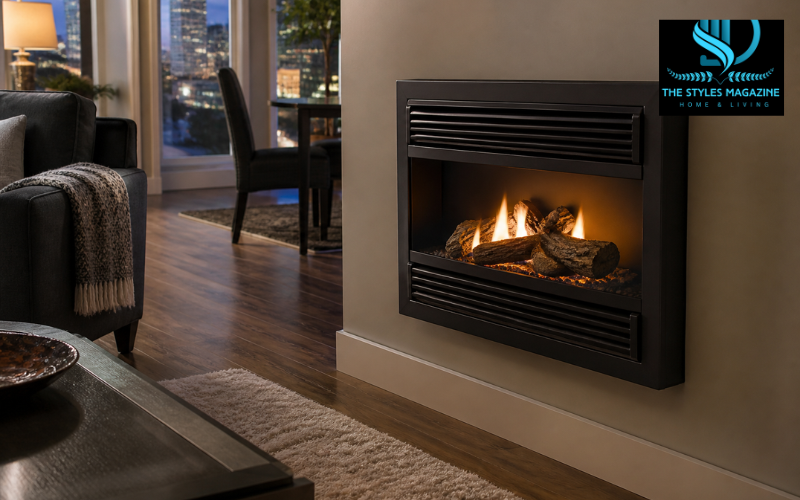
A ventless fireplace, also known as a vent-free or unvented fireplace, is a modern heating solution designed to work without a chimney or external vent. Unlike traditional fireplaces that send smoke and gases outside, these units are built to burn fuel very efficiently, allowing most of the heat to stay inside your home.
The way a ventless fireplace works is simple. It uses clean-burning fuel and advanced technology to produce minimal waste gases. Because of this high efficiency, there is no need for a flue or chimney system. This makes installation much easier compared to traditional fireplaces.
In recent years, ventless fireplaces have become increasingly popular in modern homes. Many homeowners prefer them because they are cost-effective, easy to install, and can be placed in different areas of the house. They also offer a cozy look and feel without the complexity of traditional setups.
There are several types of ventless fireplaces available, including gas, electric, bioethanol, and gel models. While they offer many benefits, it is also important to understand safety factors, costs, and proper usage before choosing one for your home.
Ventless Fireplace Types
| Type | Fuel Source | Heat Output | Installation Ease | Best For |
| Gas Ventless Fireplace | Natural Gas/Propane | High | Moderate | Strong heating & real flames |
| Electric Fireplace | Electricity | Medium | Very Easy | Apartments & low maintenance |
| Bioethanol Fireplace | Liquid Biofuel | Low-Medium | Easy | Modern, portable designs |
| Gel Fireplace | Gel Canisters | Low | Very Easy | Decorative & occasional use |
What Is a Ventless Fireplace and How Does It Work?
A ventless fireplace is designed to heat a room without sending air outside. Instead of venting smoke and gases through a chimney, it burns fuel in a way that produces very few emissions. This allows the heat to remain inside, making it highly efficient.
These fireplaces typically use natural gas, propane, electricity, or alternative fuels like ethanol. Gas models are the most common and are built to burn fuel almost completely. This clean combustion process is what makes ventless technology possible.
Because there is no chimney or flue, all the heat generated stays in the room. This is one of the main reasons why ventless fireplaces are considered highly efficient. In simple terms, less energy is wasted, and more warmth is delivered directly to your living space.
However, since combustion happens indoors, small amounts of moisture and gases are released into the air. That is why proper use and safety features are important when using a ventless fireplace.
Types of Ventless Fireplaces You Can Choose From
There are several types of ventless fireplaces, each designed to meet different needs and preferences. One of the most popular options is the ventless fireplace gas model, which runs on natural gas or propane. These units provide real flames and strong heat output, making them a common choice for homeowners.
Another option is the ventless fireplace electric model. These fireplaces do not burn fuel at all. Instead, they use electricity to create a flame-like effect and produce heat. They are easy to use and completely emission-free, making them a safer choice for some households.
Bioethanol and gel fireplaces are also available. These models use liquid or gel-based fuels that burn cleanly and do not require a gas line or electrical connection. They are often portable and stylish, though they may produce less heat compared to gas models.
You can also choose between ventless fireplace freestanding units and built-in designs. Freestanding models offer flexibility and can be moved easily, while built-in fireplaces provide a more permanent and integrated look in your home.
Ventless Fireplace Inserts vs Freestanding Models
A ventless fireplace insert is designed to fit inside an existing fireplace opening. It is a great option if you already have a traditional fireplace that you want to upgrade. Inserts are usually connected to a gas source and can improve both efficiency and appearance.
On the other hand, freestanding ventless fireplaces are independent units that can be placed anywhere in the room. They do not require an existing structure, which makes them ideal for homes without a built-in fireplace.
The main difference between these options lies in installation and flexibility. Inserts require a fixed location, while freestanding models can be moved or repositioned as needed.
When deciding between the two, consider your space and design goals. Inserts are perfect for a clean, built-in look, while freestanding units offer more versatility and easier installation.
Key Features That Improve Performance and Comfort
Modern ventless fireplaces come with several features that enhance both performance and comfort. One of the most useful features is a ventless fireplace with blower. A blower helps distribute heat evenly throughout the room, making the fireplace more effective.
A freestanding ventless gas fireplace with blower is especially useful in larger spaces. It ensures that warm air does not stay in one spot but spreads across the room for better comfort.
Many models also include thermostat controls and remote operation. These features allow you to adjust temperature and flame settings easily, providing convenience and energy efficiency.
In addition, flame design has improved over time. Today’s ventless fireplaces offer realistic flame effects and stylish designs that can match different home interiors.
Pros of Using a Ventless Fireplace in Your Home
One of the biggest advantages of a ventless fireplace is its easy installation. Since no chimney or ductwork is required, it can be set up quickly and in various locations within your home.
Another major benefit is high efficiency. Almost all the heat produced stays inside the room, making it an effective source of supplemental heating. This can help reduce energy usage in colder months.
Ventless fireplaces are also more affordable compared to traditional systems. Both the initial cost and installation expenses are generally lower, making them accessible for many homeowners.
They also offer flexibility in placement. Whether you want a fireplace in your living room, bedroom, or even a small apartment, ventless models make it possible.
Potential Drawbacks and Safety Concerns to Know
While ventless fireplaces offer many benefits, they also come with some drawbacks. One of the main concerns is indoor air quality. Since combustion happens inside the room, small amounts of gases are released into the air.
To address this, modern units include safety features like oxygen depletion sensors. These sensors automatically turn off the fireplace if oxygen levels drop too low.
Another issue is moisture buildup. Ventless fireplaces can increase humidity in the room, which may lead to condensation on windows or even mold if not managed properly.
These fireplaces may not be ideal for everyone. People with respiratory conditions or allergies may find them less suitable due to the indoor emissions.
Are Ventless Fireplaces Safe for Indoor Use?
Ventless fireplaces are designed with safety in mind, but proper use is essential. Most modern models meet safety standards and include built-in features that reduce risks.
However, they are not suitable for every situation. Individuals with asthma or sensitivity to indoor air pollutants should be cautious when using them.
To ensure safe operation, it is important to follow guidelines such as limiting usage time and ensuring the room is well-sized for the unit. Good airflow can also help maintain air quality.
Room size and ventilation play a key role in safety. A properly sized fireplace in an adequately ventilated space can reduce potential risks significantly.
Cost Breakdown: Installation, Operation, and Maintenance
The cost of a ventless fireplace can vary depending on the type and features. On average, prices range from moderate to affordable compared to traditional fireplaces.
Installation costs are generally lower because there is no need for a chimney or venting system. This makes ventless fireplaces a cost-effective choice for many homeowners.
Operating costs depend on the fuel source. Gas models require natural gas or propane, while electric fireplaces use electricity. Each option has different ongoing expenses.
Maintenance is usually simple. Regular cleaning and occasional checks are enough to keep the unit running efficiently. Gas models may require professional inspection from time to time.
How to Choose the Best Ventless Fireplace for Your Needs
Choosing the best ventless fireplace depends on several factors. First, consider the size of your room and the heating capacity you need. A unit that is too small may not provide enough warmth, while one that is too large can affect air quality.
Fuel type is another important consideration. Gas fireplaces offer strong heat output, while electric models provide convenience and ease of use.
Style and placement also matter. Think about whether you prefer a built-in design or a freestanding unit that can be moved around.
Ultimately, the best ventless fireplace is one that fits your space, meets your heating needs, and aligns with your lifestyle.
Installation Basics and Placement Tips
One of the biggest advantages of a ventless fireplace indoor setup is flexibility. These units can be installed in many areas of the home, including living rooms, bedrooms, and even smaller spaces.
You can choose from wall-mounted, insert, or freestanding options depending on your needs. Each type offers different benefits in terms of design and placement.
It is important to maintain proper clearance around the unit. Keeping a safe distance from walls, furniture, and other objects helps prevent potential hazards.
While some models are easy to install, gas fireplaces often require professional installation to ensure safety and proper connection.
Usage Guidelines for Safe and Efficient Heating
Ventless fireplaces are best used as a supplemental heat source rather than a primary one. Experts generally recommend using them for a few hours at a time to maintain good air quality.
To keep indoor air fresh, consider opening a window slightly or ensuring some airflow in the room. This helps balance oxygen levels and reduce buildup of gases.
Monitoring humidity is also important. If moisture levels rise, using a dehumidifier can help prevent condensation and related issues.
Regular maintenance is simple but necessary. Cleaning the unit and checking for any issues can ensure safe and efficient operation over time.
Ventless Fireplace Regulations and Legal Considerations
Before installing a ventless fireplace, it is important to check local regulations. Some areas have restrictions or specific rules regarding their use.
Building codes may require certain safety features or limit where these fireplaces can be installed. Following these guidelines is essential for safe operation.
Homeowners should also verify any requirements related to permits or inspections. This ensures compliance with local laws and avoids potential problems later.
Understanding these legal considerations can help you make a more informed decision when choosing a ventless fireplace.
Conclusion
A ventless fireplace offers a convenient and efficient way to add warmth and style to your home. Its easy installation, high efficiency, and flexible design make it an attractive option for many homeowners.
At the same time, it is important to understand the limitations. Indoor air quality, moisture, and proper usage are key factors to consider before making a decision.
By weighing the benefits and potential drawbacks, you can determine whether a ventless fireplace is the right choice for your space. When used correctly and safely, it can provide comfortable and effective supplemental heating.
In the end, making an informed decision based on your needs, room size, and safety considerations will help you enjoy the full advantages of a ventless fireplace while minimizing any risks.
FAQs
Are Ventless Fireplaces Safe To Use Indoors?
Yes, modern ventless fireplaces include safety features like oxygen depletion sensors, but they should be used carefully with proper room size and ventilation to maintain indoor air quality.
Do Ventless Fireplaces Produce Carbon Monoxide?
They produce very small amounts due to efficient combustion, but improper use or poor ventilation can increase risks, which is why safety sensors are essential.
Can A Ventless Fireplace Heat An Entire Home?
No, ventless fireplaces are designed for supplemental heating. They work best in single rooms rather than as a primary heat source for the entire house.
Do Ventless Fireplaces Increase Humidity?
Yes, they release moisture into the air, which can raise indoor humidity levels and may cause condensation if used for long periods without proper ventilation.
Which Is The Best Ventless Fireplace Type?
Gas models offer the most heat, while electric fireplaces are easiest to use. The best choice depends on your space, budget, and whether you prefer convenience or stronger heating.
Enjoyed it? Find more exclusive content on The Styles Magazine.
Disclaimer: This content is for informational purposes only. Always follow manufacturer guidelines and local building codes before installing or using a ventless fireplace. For safety-critical decisions, consult a licensed professional.