A 3×3 garden may sound like a simple term, but it can mean different things depending on the context. Most commonly, it refers to a small garden space that measures 3 feet by 3 feet or sometimes 3 meters by 3 meters. This compact size is popular for home gardening because it helps people grow plants in a limited area. At the same time, the term is also used for a fun educational game where students practice multiplication. In other cases, it can even describe small outdoor structures like garden rooms or sheds.
Because of these different meanings, many people feel confused when they first search for “3×3 garden.” This article will explain everything in clear and simple language. You will learn how a 3×3 garden works as a planting system, how it connects to learning tools like times tables, and how it is used in outdoor structures. By the end, you will have a complete understanding of the concept and how it can be useful in everyday life.
Understanding 3×3 Garden Types
| Type of 3×3 Garden | What It Means | Main Use | Who It’s For |
| 3×3 Garden Layout | 3ft x 3ft grid divided into 9 squares | Growing vegetables & herbs | Home gardeners, beginners |
| 3×3 Garden Room | 3m x 3m outdoor structure | Office, storage, relaxation | Homeowners |
| 3×3 Garden Game | Interactive math game | Learning multiplication | Students (Grades 3–6) |
What a 3×3 Garden Really Means in Different Contexts
The term 3×3 garden is not limited to one idea. It is used in multiple ways, and understanding these meanings helps you find exactly what you are looking for.
The most common meaning is a small garden layout divided into nine equal sections. This version is often used in home gardening, especially for people with limited space. It focuses on growing vegetables, herbs, and flowers in a structured way.
Another meaning of a 3×3 garden appears in education. In this case, it refers to a math-based game where children solve multiplication problems. The game often includes farming elements, where players grow crops by answering questions correctly. This makes learning more interactive and enjoyable.
A third meaning relates to outdoor structures. Here, a 3×3 garden usually describes a 3-meter by 3-meter space used for a garden room, shed, or gazebo. These structures are common in modern homes where people want a private space outside.
By understanding these different uses, you can quickly identify which type of 3×3 garden matches your needs. Whether you are interested in planting, learning, or building, the concept remains simple and flexible.
3×3 Garden Layout: A Smart Way to Grow More in Less Space
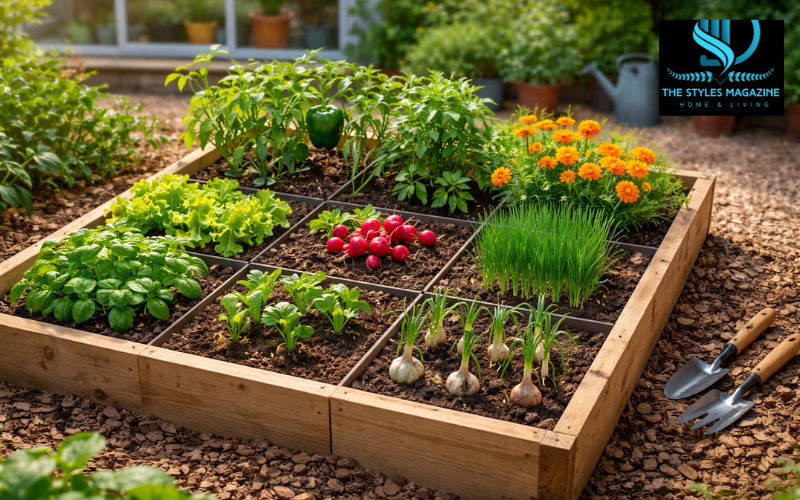
A 3×3 garden layout is one of the most efficient ways to grow plants in a small area. The idea is based on a square space that is divided into nine smaller squares. Each section is usually one foot by one foot, creating a simple grid system.
This method is part of a popular approach called square foot gardening. Instead of planting crops in long rows, you organize them into small sections. Each square is used for a different plant, depending on how much space it needs. For example, one square may hold a single large plant, while another may contain several smaller plants.
The main advantage of this system is efficiency. You can grow a variety of plants in a limited space without overcrowding. It also reduces waste because you only use the space you need.
This layout is especially helpful for beginners. It removes the guesswork from planting and makes it easier to manage your garden. You don’t need a large backyard to grow fresh food. Even a small 3×3 garden can produce a surprising amount of vegetables and herbs when planned properly.
How to Plan a 3×3 Garden Grid Step by Step
Planning a 3×3 garden grid is simple, but a little preparation can make a big difference. The first step is choosing a suitable location. Look for a place that gets enough sunlight during the day, as most plants need light to grow well.
Once you have selected the spot, prepare the soil. Good soil should be soft, well-drained, and rich in nutrients. You can improve it by adding compost or organic matter. This helps plants grow stronger and healthier.
Next, divide your garden into nine equal squares. You can use wooden frames, strings, or even simple markings to create the grid. This step is important because it helps you organize your planting space.
When placing plants, think about their size and growth habits. Larger plants should be placed where they won’t block sunlight for smaller ones. Smaller plants can be grouped together in one square. The goal is to use each section wisely without overcrowding.
With a clear plan, your 3×3 garden becomes easy to manage. Each square has a purpose, and you can track the progress of your plants more effectively.
Best Plants for a 3×3 Garden Grid
Choosing the right plants is key to making your 3×3 garden successful. Because the space is limited, it is important to select plants that grow well together and make the most of each square.
Some plants are known for helping protect your garden. Garlic, onions, and marigolds can act as natural pest deterrents. They help keep insects away and reduce the risk of damage to your crops.
Other plants are perfect for saving space. Lettuce, radishes, and herbs grow quickly and do not require much room. These are ideal for smaller squares and can be harvested often.
You can also include more productive vegetables like green beans, peppers, or zucchini. These plants may need more space, but they can produce a good amount of food when cared for properly.
By mixing different types of plants, your garden becomes more balanced. You can enjoy fresh vegetables while also keeping your garden healthy and easy to maintain.
Simple Watering and Maintenance Tips for Small Garden Beds
Taking care of a 3×3 garden does not have to be complicated. With the right approach, even beginners can keep their garden healthy and productive.
Watering is one of the most important tasks. Because the space is small, it is easier to control how much water each plant receives. The goal is to keep the soil moist but not too wet. Overwatering can damage roots, while underwatering can slow growth.
Some gardeners use simple grid-based watering systems designed for square gardens. These systems help distribute water evenly across all sections. However, even a basic watering can work well if used carefully.
Daily maintenance is also important. Checking your plants regularly helps you spot problems early. Remove weeds, trim dead leaves, and make sure each plant has enough space to grow.
One common mistake is planting too much in one square. Overcrowding can lead to poor growth and more pests. Another mistake is ignoring sunlight needs. Make sure taller plants do not block light from smaller ones.
With consistent care, a small 3×3 garden can stay healthy and productive throughout the growing season.
3×3 Garden Room and Outdoor Structures Explained
In some cases, a 3×3 garden does not refer to plants at all. Instead, it describes a 3-meter by 3-meter outdoor structure. These are often called garden rooms, sheds, or gazebos.
A 3×3 garden room is a small, enclosed space built in a backyard. It can be used as a home office, a quiet reading area, or even a hobby space. Many people prefer this setup because it offers privacy without requiring major construction.
Sheds are another common use of this size. A 3×3 shed is perfect for storing tools, equipment, or seasonal items. It keeps your main home organized while still being easy to access.
Gazebos, on the other hand, are open structures designed for relaxation. They provide shade and a comfortable place to sit outdoors.
The main difference between these options lies in their purpose. Garden rooms are more like indoor spaces, sheds focus on storage, and gazebos are built for comfort and leisure. All of them use the same 3×3 dimensions but serve different needs.
Understanding the 3×3 Garden Math Game and Times Tables Concept
The 3×3 garden also appears in education, especially in learning multiplication. In this context, it is a game designed to make math more engaging for students.
The idea is simple. Players answer multiplication questions, often based on 3×3 times tables or other basic tables. When they answer correctly, they can plant crops, grow plants, or collect rewards in the game.
This approach turns learning into an interactive experience. Instead of memorizing numbers, students actively use them in a fun environment. It helps improve memory and confidence at the same time.
There are also variations of this concept, such as 3×3 obby times tables, which combine movement and challenges with math problems. These versions make the learning process even more exciting.
For many students, this type of game makes multiplication easier to understand. It connects learning with visual and practical actions, which can be more effective than traditional methods.
Creative Ideas Inspired by the 3×3 Concept
The 3×3 concept goes beyond gardening and education. Its simple grid structure can be used in many creative ways.
In design, a 3×3 grid helps organize space clearly. It can be used in home decoration, planning layouts, or even creating visual patterns. The balanced structure makes it easy to arrange items in a neat and appealing way.
Some people use the idea in digital or gaming environments, such as creating a 3×3 island layout. This can help organize objects or build small, efficient spaces in virtual worlds.
The concept can also be applied to everyday planning. For example, dividing tasks into nine sections can make large projects feel more manageable.
This flexibility is what makes the 3×3 idea so useful. It is simple, easy to understand, and can be adapted to many different situations.
Common Confusion Around the Term “3×3 Garden”
Because the term 3×3 garden has multiple meanings, it often causes confusion. Some people expect to find gardening tips, while others are looking for a game or a structure.
The key difference lies in context. If the topic involves planting and layouts, it refers to a physical garden. If it involves multiplication and learning, it relates to the educational game. If it mentions size in meters and construction, it is about outdoor structures.
Understanding this difference can save time and help you find the right information quickly. It also explains why search results for this keyword can vary so much.
By keeping these meanings in mind, you can avoid confusion and focus on the information that matters most to you.
Conclusion
A 3×3 garden is a simple yet versatile concept that can mean different things depending on how it is used. It can be a small and efficient way to grow plants, a helpful tool for learning multiplication, or even a compact outdoor structure.
The common idea behind all these meanings is simplicity and structure. Whether you are organizing a garden, practicing math, or designing a space, the 3×3 format makes things easier to manage.
Understanding these different uses allows you to make better decisions and use the concept in a way that suits your needs. No matter your goal, the 3×3 garden idea offers a practical and easy-to-follow approach that fits into many areas of daily life.
FAQs
What Is A 3×3 Garden Used For?
A 3×3 garden is mainly used for growing plants in a small space using a grid system. It can also refer to a math learning game or a compact outdoor garden room.
How Many Plants Can Fit In A 3×3 Garden?
It depends on the plant type. Small crops like herbs can fit multiple per square, while larger plants like zucchini usually take one full square.
Is A 3×3 Garden Good For Beginners?
Yes, it is perfect for beginners. The grid system makes planting simple, organized, and easy to manage without needing much gardening experience.
What Is The Difference Between 3×3 Garden And Square Foot Gardening?
A 3×3 garden is a size, while square foot gardening is the method used inside it. The method divides the space into 9 squares for better plant organization.
What Is The 3×3 Garden Math Game?
It is an educational game where students solve multiplication problems to grow virtual plants. It helps make learning times tables more fun and interactive.
Enjoyed it? Find more exclusive content on The Styles Magazine.
Disclaimer: This content is for informational purposes only. Gardening results may vary based on climate, soil, and care practices. For specific advice, consider consulting a local gardening expert or professional.