Designing a small living room can feel tricky at first, but with the right approach, even the smallest space can become stylish, comfortable, and highly functional. The key lies in using smart small living room ideas that make the most of every inch while keeping the room open and inviting.
Many people struggle with limited space because it can easily feel crowded, dark, or unorganized. However, a small living room is not a limitation—it is an opportunity to be creative and intentional with design. When done right, compact spaces often feel more cozy, efficient, and visually appealing than larger rooms.
In this guide, you will discover practical and modern small living room ideas that focus on space-saving furniture, smart layouts, color choices, lighting, and storage solutions. These ideas are simple to apply and can instantly improve how your living room looks and feels.
Small Living Room Setup (Step-by-Step)
| Step | What to Do | Why It Helps |
| 1 | Choose light colors for walls | Makes the room feel bigger and brighter |
| 2 | Use multifunctional furniture | Saves space and reduces clutter |
| 3 | Add a large mirror | Creates depth and reflects light |
| 4 | Keep furniture slim and raised | Opens up visual space |
| 5 | Use vertical storage (shelves) | Frees up floor area |
| 6 | Layer lighting (lamps + ceiling) | Removes dark corners |
| 7 | Declutter regularly | Keeps the room clean and open |
Understanding the Challenges of a Small Living Room
Before applying design ideas, it is important to understand why small living rooms often feel uncomfortable. The most common issue is clutter. When too many items are placed in a limited space, the room quickly becomes overwhelming and difficult to navigate.
Another challenge is poor layout. Many people push all furniture against the walls thinking it will create more space, but this often makes the room feel stiff and unbalanced. Lack of storage also adds to the problem, as everyday items end up scattered across surfaces.
Lighting plays a big role as well. Small living rooms can feel dark and closed if they do not receive enough natural or artificial light. This makes the space appear even smaller than it actually is.
Traditional design methods often focus on filling space rather than optimizing it. In smaller rooms, every piece must have a purpose. This is why intentional design choices are essential. Instead of adding more, the goal is to choose better.
Choosing the Right Furniture for Small Living Rooms
Furniture is one of the most important elements when applying small living room ideas. The right pieces can make your space feel open and organized, while the wrong ones can quickly overwhelm it.
Multifunctional furniture is a smart choice for compact spaces. A sofa bed can serve both as seating and a sleeping area for guests. A storage ottoman can be used as a coffee table while also keeping items hidden inside. These dual-purpose pieces help reduce the number of items in the room.
Slim and space-efficient designs are equally important. Furniture with clean lines and a simple shape takes up less visual space and creates a lighter look. Bulky designs may seem comfortable, but they can dominate the room and make movement difficult.
Furniture with raised legs is another helpful option. When you can see the floor underneath, it creates a sense of openness. This small detail can make a noticeable difference in how spacious your living room feels.
Avoid oversized sofas or heavy chairs that fill up the room. Instead, choose pieces that match the scale of your space. Well-proportioned furniture keeps the room balanced and comfortable.
Smart Layout Techniques That Maximize Every Inch
The way you arrange your furniture has a major impact on how your living room functions. A good layout can make a small room feel open, while a poor one can make it feel crowded.
Creating flow is essential. There should be enough space to move around easily without bumping into furniture. Keeping pathways clear helps the room feel more breathable and organized.
Floating furniture slightly away from the walls can actually improve the layout. While it may seem counterintuitive, this technique creates depth and makes the room feel less boxed in. It also allows for better movement around the space.
Zoning is another useful approach. Even in a small living room, you can create different areas for relaxing, working, or entertaining. A rug or a small table can help define each area without adding physical barriers.
Corners are often overlooked but can be very useful. Placing a chair, lamp, or small shelf in a corner can make use of space that would otherwise remain empty.
Using Color to Open Up a Small Living Room
Color plays a powerful role in how a room feels. One of the most effective small living room ideas is using light and neutral shades. Colors like soft white, beige, or light gray reflect more light and make the room feel larger.
A monochrome approach, where different shades of the same color are used, can create a smooth and seamless look. This reduces visual breaks and helps the space feel more unified.
Color drenching, where walls, trim, and even ceilings share a similar tone, is becoming more popular. This technique blurs the edges of the room and makes it appear more spacious.
Adding contrast should be done carefully. A few darker elements can add depth, but too much contrast can make the room feel smaller. Accent colors can be introduced through cushions, art, or decor without overwhelming the space.
Lighting Strategies That Make Small Spaces Feel Bigger
Lighting can completely change how a small living room looks and feels. A well-lit room appears more open, warm, and inviting.
Layered lighting is the best approach. Instead of relying on a single overhead light, combine different types of lighting. Ambient lighting provides general brightness, task lighting helps with specific activities, and accent lighting highlights certain areas or decor.
Natural light should always be maximized. Keep windows clear or use light curtains that allow sunlight to pass through. The more natural light you bring in, the larger the room will feel.
The placement of lamps and fixtures also matters. Floor lamps can brighten dark corners, while table lamps can add a soft glow to seating areas. Spreading light evenly across the room prevents shadows that can make the space feel smaller.
Visual Tricks That Create the Illusion of Space
Some of the most effective small living room ideas are based on visual illusions. These simple techniques can make your space appear bigger without changing its actual size.
Mirrors are one of the easiest ways to achieve this. Placing a large mirror opposite a window reflects light and creates depth, making the room feel almost twice as large.
Transparent furniture, such as glass or acrylic tables, helps reduce visual clutter. Because they are see-through, they do not block the view, allowing the room to feel more open.
Vertical design elements also help expand the space visually. Tall shelves, vertical artwork, or long curtains draw the eye upward, making the room appear taller.
Hanging curtains higher than the window frame is a simple trick that creates the illusion of height. This small adjustment can make a big difference in how the room feels.
Smart Storage Ideas to Keep Your Living Room Clutter-Free
Storage is essential in any small living room. Without proper storage, clutter builds up quickly and makes the space feel cramped.
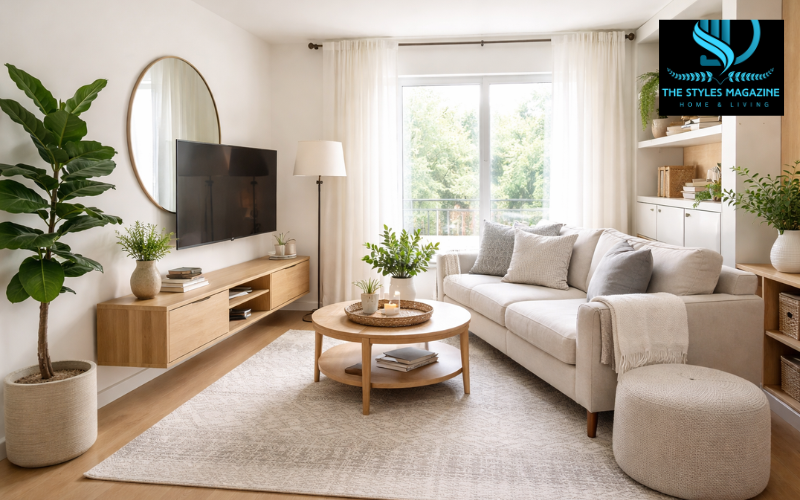
Wall-mounted shelves are a great solution. They provide storage without taking up floor space, which helps keep the room open. Floating units also give a clean and modern look.
Hidden storage options are equally useful. Furniture with built-in storage allows you to keep items out of sight while maintaining a neat appearance.
Built-in storage can transform a small living room. Shelves around a doorway or entertainment unit can provide both storage and style without adding bulk.
Simple habits also make a big difference. Keeping surfaces clear and regularly organizing items helps maintain a clean and spacious feel.
Choosing the Right Rug and Decor Elements
Decor plays an important role, but it needs to be used carefully in small spaces. One common mistake is choosing a rug that is too small. A larger rug that fits under most of the furniture helps unify the space and makes the room feel bigger.
When it comes to decor, less is often more. A minimal approach keeps the room clean and avoids visual clutter. However, this does not mean the space should feel empty. A few well-chosen pieces can add personality without overwhelming the room.
Wall art should be selected thoughtfully. Instead of many small frames, a single larger piece can create a stronger visual impact and reduce clutter.
Accessories should be balanced. Too many small items can make the room feel busy. Choosing fewer, more meaningful pieces keeps the space calm and inviting.
Modern Small Living Room Design Trends (2026 Update)
Modern design trends are increasingly focused on functionality and simplicity, which makes them perfect for small living rooms. Minimalist designs are becoming more popular, with an emphasis on clean lines and clutter-free spaces.
Natural materials like wood, linen, and soft fabrics are also trending. These elements add warmth and comfort without making the space feel heavy.
Multi-purpose living spaces are another key trend. Living rooms are no longer used for just one purpose. They often serve as work areas, relaxation zones, and entertainment spaces all at once.
Technology is also playing a bigger role. Smart furniture and space-saving designs are helping homeowners make better use of limited space. These modern small living room ideas combine convenience with style.
Common Mistakes to Avoid in Small Living Room Design
Even with the best intentions, certain mistakes can make a small living room feel worse. One common issue is using too many small items. While it may seem like they take up less space, they often create visual clutter.
Choosing the wrong furniture size is another mistake. Pieces that are too large can dominate the room, while pieces that are too small can make the space feel unbalanced.
Ignoring vertical space is also a missed opportunity. Walls can be used for storage and decor, helping free up the floor and create more room.
Overdecorating is something to avoid as well. Too many decorations can make the space feel crowded and distracting. Keeping things simple and intentional is always the better approach.
Conclusion
Small living rooms may come with challenges, but they also offer the chance to create a space that is both stylish and efficient. With the right small living room ideas, even the most compact area can feel open, comfortable, and welcoming.
By focusing on smart furniture, thoughtful layouts, light colors, proper lighting, and clever storage, you can transform your living room into a space that works perfectly for your needs.
The key is to find the right balance between function and style. Simple changes, when applied carefully, can make a noticeable difference. With a little planning and creativity, your small living room can become one of the most enjoyable spaces in your home.
FAQs
How Can I Make A Small Living Room Look Bigger?
Use light colors, mirrors, and proper lighting. Choose slim furniture and avoid clutter to create a more open and spacious feel.
What Furniture Is Best For A Small Living Room?
Multifunctional furniture like sofa beds, storage ottomans, and compact seating works best because it saves space and adds functionality.
Should I Use A Small Or Large Rug In A Small Living Room?
A larger rug is better. It helps unify the space and makes the room appear bigger compared to using a small rug.
Where Should I Place A Tv In A Small Living Room?
Mounting the TV on the wall is ideal. It saves floor space and keeps the room looking clean and organized.
How Do I Avoid Clutter In A Small Living Room?
Use hidden storage, keep surfaces clear, and only keep essential decor. Regular decluttering helps maintain a spacious look.
Enjoyed it? Find more exclusive content on The Styles Magazine.
Disclaimer: This article is for informational purposes only. Design results may vary depending on individual space, layout, and preferences. Always consider your specific needs before making changes to your living area.