Benjamin Moore Pale Oak (OC-20), often searched as bm pale oak, has become one of the most loved neutral paint colors in modern homes. It sits comfortably between gray and beige, creating what many people call a “greige” tone. This balance makes it feel soft, warm, and easy to live with—without being too cool or too yellow.
One of the main reasons bm pale oak is trending is its flexibility. Homeowners today are moving away from stark whites and overly dark grays, and instead choosing colors that feel calm, natural, and inviting. Pale Oak fits perfectly into this shift. It adapts well to different lighting conditions and blends easily with a wide range of styles, from modern minimal to classic and traditional.
This color works especially well in open floor plans, where a single shade needs to flow through multiple spaces. It’s also a popular choice for bedrooms and living areas because it creates a relaxed and welcoming atmosphere. Whether you have a new home or are updating an older space, bm pale oak offers a safe yet stylish option that feels current without being trendy in a short-lived way.
BM Pale Oak at a Glance
| Feature | Details |
| Color Type | Light Greige (Gray + Beige) |
| LRV | ~69–70 (bright and light-reflective) |
| Undertones | Warm taupe, slight pink/purple hints |
| Best For | Living rooms, bedrooms, open spaces |
| Lighting Behavior | Warmer in sunlight, cooler in dim light |
| Popular Trim Pairings | Chantilly Lace, White Dove, Simply White |
| Similar Colors | Edgecomb Gray, Classic Gray, Egret White |
Understanding Benjamin Moore Pale Oak (OC-20)
At its core, bm pale oak is a light greige that combines the softness of beige with the coolness of gray. It doesn’t lean strongly in either direction, which is why it feels balanced and easy on the eyes. Instead of making a bold statement, it quietly supports the overall design of a room.
On the neutral spectrum, Pale Oak sits on the lighter side. It’s not as bright as a pure white, but it’s light enough to keep rooms feeling open and airy. This makes it a great middle ground for people who want more depth than white walls but still want a light and fresh look.
Designers often choose bm pale oak because it works with many different materials and finishes. It pairs well with wood tones, stone surfaces, and both warm and cool color accents. This versatility means you don’t have to redesign your entire space around it. Instead, it blends into your existing décor while subtly enhancing the overall feel.
Pale Oak Color Profile and Technical Details
To better understand bm pale oak, it helps to look at its technical details in simple terms. One of the most important numbers is its Light Reflectance Value, or LRV. Pale Oak has an LRV of around 69–70, which means it reflects a good amount of light. In practical terms, this helps rooms feel brighter and more open, even if they don’t get a lot of natural sunlight.
Undertones are another key factor. While bm pale oak is generally warm, it carries soft taupe undertones. In certain lighting, you may also notice very subtle hints of pink or purple. These undertones are not strong, but they can become more noticeable depending on the surrounding colors and light conditions.
Pale Oak is available in several paint lines from Benjamin Moore, including Aura, Regal Select, and Ben. Each line offers different levels of durability and finish options, from flat and matte to satin and semi-gloss. This allows you to use the same color across walls, trim, or even cabinetry while adjusting the finish to suit each surface.
How Pale Oak Looks in Different Lighting Conditions
Lighting plays a huge role in how bm pale oak appears in a space. It’s often described as a “chameleon” color because it changes subtly throughout the day.
In north-facing rooms, where the light tends to be cooler and softer, Pale Oak can look more like a warm gray. The beige side becomes less noticeable, giving the space a calm and slightly muted feel. This can be ideal if you want a neutral that doesn’t feel too warm.
In south or west-facing rooms, where sunlight is stronger and warmer, bm pale oak shifts in the opposite direction. The beige and taupe tones come forward, creating a cozy and creamy appearance. This makes the room feel more inviting and comfortable, especially in the afternoon and evening.
In very bright spaces with lots of natural light, Pale Oak can appear lighter than expected, sometimes even close to an off-white. In lower light conditions, it shows more depth and warmth.
Artificial lighting also affects the color. Cooler LED bulbs may highlight its gray side, while warmer bulbs in the 2700K to 3000K range bring out its softness and warmth. Because of these changes, it’s always a good idea to test bm pale oak in your space before committing.
Where BM Pale Oak Works Best in a Home
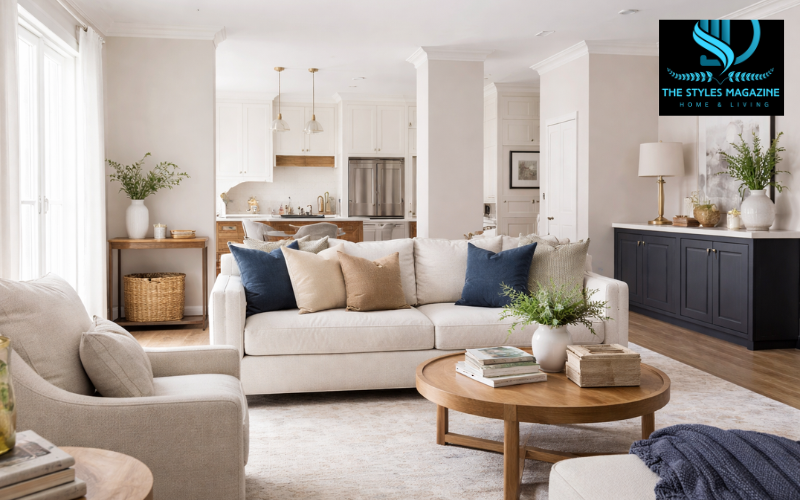
One of the biggest strengths of bm pale oak is how easily it fits into different areas of the home. It works especially well in living rooms and open floor plans, where its neutral tone allows furniture and décor to stand out without clashing.
In bedrooms, Pale Oak creates a soft and calming environment. Its gentle warmth makes it more inviting than cooler grays, which can sometimes feel too stark. This makes it a great choice for spaces meant for rest and relaxation.
Hallways and transitional areas also benefit from bm pale oak. Because it’s light and neutral, it helps connect different rooms without drawing too much attention to itself. It creates a smooth visual flow throughout the home.
However, there are situations where it may not be the best choice. In very dark rooms with limited light, it can look slightly dull or flat. In spaces with strong conflicting undertones, such as certain tiles or countertops, the subtle pink or purple hints may become more noticeable. In these cases, careful testing is important.
Best Trim and Ceiling Colors to Pair with Pale Oak
Choosing the right trim color is essential to get the best look from bm pale oak. Crisp whites create a clean contrast that highlights the warmth of the walls. A bright white trim can make the space feel more modern and defined.
For a softer and more seamless look, warmer whites work beautifully with Pale Oak. These tones blend more gently, creating a cohesive and relaxed feel without sharp contrast.
Ceilings are usually painted in a white that complements the trim. The key is to make sure the white you choose does not clash with Pale Oak’s undertones. Lighting again plays a role here, so it’s helpful to view samples together in your space.
Complementary Colors and Design Pairings
Bm pale oak pairs well with a wide range of colors and materials, which is one of the reasons it remains so popular. Dark accent colors like navy, charcoal, and near-black create a strong contrast that adds depth and interest to a room. These darker tones can be used on furniture, accent walls, or décor pieces.
Natural materials also work beautifully with Pale Oak. Wood tones, especially white oak and medium brown finishes, enhance its warmth and create a grounded, organic look. Stone and tile with soft, earthy undertones also complement it well.
For a balanced color palette, it helps to mix light neutrals, mid-tone accents, and a few darker elements. This creates a layered look that feels complete without being overwhelming. Pale Oak acts as a flexible base that ties everything together.
Pale Oak Compared to Similar Paint Colors
When comparing bm pale oak to other popular neutrals, the differences are subtle but important. Slightly darker greiges tend to have more depth and may feel heavier in a room. Pale Oak, on the other hand, keeps things light and airy.
Lighter alternatives often lean closer to off-white or soft gray. These can work well in very bright spaces but may lack the warmth and body that Pale Oak provides.
For those considering other brands, Sherwin-Williams Egret White is often seen as a close match. While similar, it can have slightly different undertones, so the final look may vary depending on the space and lighting.
Common Mistakes to Avoid When Using Pale Oak
One common mistake when using bm pale oak is not paying attention to undertones. Because they are subtle, people sometimes assume the color will look the same everywhere. In reality, lighting and surrounding materials can bring out different aspects of the color.
Another issue is pairing it with the wrong white. A white that is too cool or too warm can clash with Pale Oak, making the overall look feel off. Testing combinations together is the best way to avoid this.
Some homeowners also use Pale Oak in spaces where it doesn’t get enough light. In these conditions, it may not show its full beauty and can appear slightly muted. Making sure the room has enough light—or choosing a slightly lighter shade—can help solve this problem.
Is Benjamin Moore Pale Oak the Right Choice for You?
Deciding if bm pale oak is right for your home depends on a few key factors. Consider the lighting in your space, the existing materials like flooring and countertops, and the overall mood you want to create.
If you’re looking for a neutral that feels warm but not too beige, and modern but not too gray, Pale Oak is a strong option. It works well in homes that need a flexible color to connect multiple spaces.
A simple way to decide is to test a sample on your walls and observe it throughout the day. This will give you a clear idea of how it behaves in your specific environment.
Conclusion: Why Pale Oak Continues to Be a Go-To Neutral
Benjamin Moore Pale Oak (OC-20) has earned its reputation as a reliable and versatile neutral. Its balanced greige tone, soft warmth, and ability to adapt to different lighting conditions make it a favorite among homeowners and designers alike.
What makes bm pale oak stand out is not just how it looks on a paint chip, but how well it works in real homes. It complements a wide range of styles, materials, and color palettes, making it a practical choice for both new designs and updates.
As home design continues to move toward comfortable, natural, and timeless spaces, Pale Oak remains a strong contender. It offers just enough character to feel interesting, while still being neutral enough to work almost anywhere.
FAQs
Is Bm Pale Oak More Gray Or Beige?
BM Pale Oak is a balanced greige, but it slightly leans warm. In some lighting, it may look more gray, while in warm light it shows more beige tones.
Does Pale Oak Look Pink Or Purple?
Sometimes, yes—but very subtly. In certain lighting or next to specific materials, faint pink or purple undertones may appear.
What White Goes Best With Bm Pale Oak?
Popular choices include Chantilly Lace for contrast and White Dove or Simply White for a softer, more blended look.
Is Bm Pale Oak Good For Dark Rooms?
It can work, but in very low light, it may look slightly flat. A lighter color might perform better in very dark spaces.
What Is The Closest Sherwin-williams Match To Pale Oak?
Sherwin-Williams Egret White is often considered the closest match, though it may have slightly different undertones depending on lighting.
Disclaimer: Color appearance may vary based on lighting, room direction, and surrounding materials. Always test paint samples in your own space before making a final decision to ensure the best results.
Loved Reading This? Discover More Exclusive Stories And Updates At The Styles Magazine!