When people search for “Hengineer Floors on San Antonio,” they are usually looking for information about engineered hardwood flooring in the San Antonio area. The spelling may vary, but the goal is clear: homeowners want durable, attractive wood flooring that works well in local conditions. San Antonio’s climate, foundation styles, and housing trends make flooring decisions more important than many buyers realize.
This guide explains everything you need to know before investing in engineered hardwood. You will learn how it performs in local homes, what it typically costs, how installation works over concrete slabs, and how to avoid common mistakes. By the end, you should feel confident comparing quotes and making a practical decision.
Quick Clarity: “Engineered Floors” Brand vs Engineered Hardwood Type
One common source of confusion is the difference between a brand name and a flooring type. Engineered hardwood is a construction method. It is made of a real wood top layer bonded to multiple layers of plywood or composite material underneath. This layered structure improves stability compared to solid hardwood.
Some stores may also carry products from companies that include “Engineered” in their brand name. When calling a showroom, it helps to clearly say you are looking for engineered hardwood flooring, not laminate or vinyl. Asking about wear layer thickness and core construction ensures you receive accurate pricing and product recommendations.
Why Engineered Hardwood Is a Strong Fit for Many San Antonio Homes
Engineered hardwood works well in San Antonio because it handles humidity changes better than solid wood. Summers can be humid, and indoor air conditioning can dry the air quickly. These shifts cause solid hardwood to expand and contract more noticeably. The layered construction of engineered flooring reduces that movement.
Many homeowners also prefer the natural look and feel of real wood over laminate. Engineered hardwood can increase perceived home value and offers a warmer appearance than tile. However, it is not indestructible. Heavy moisture, deep scratches, and standing water can still cause damage. Understanding both strengths and limits helps set realistic expectations.
San Antonio Home Reality Check: Slab Foundations, Moisture, and What Installers Look For First
Most homes in San Antonio are built on concrete slabs. This changes the installation process significantly. Unlike homes with raised wooden subfloors, slab foundations require careful moisture testing before installation. Even if a slab looks dry, it can release moisture vapor over time.
Professional installers typically perform moisture tests to measure emission levels. If the readings are too high, a moisture barrier system may be required. Subfloor flatness is also critical. Uneven concrete can cause gaps, squeaks, or premature wear. If an installer does not discuss moisture testing and leveling, that is a reason to ask more questions before proceeding.
Costs for Hengineer Floors on San Antonio
The cost of installing engineered hardwood in San Antonio depends on product quality, preparation work, and labor. In general, homeowners can expect a wide installed range from moderate to higher-end pricing per square foot. Entry-level products cost less, while thicker wear layers and premium finishes increase the total.
Preparation often adds to the final price. Removing old flooring, hauling debris, leveling the slab, installing moisture barriers, working around stairs, and replacing baseboards all increase labor costs. When comparing quotes, look for detailed line items. A transparent estimate should clearly separate material, installation, prep work, and additional accessories.
How to Choose the Right Engineered Floor Without Getting Overwhelmed
Flooring showrooms can feel overwhelming. Samples vary in thickness, color, texture, and price. One of the most important factors is the wear layer. A thicker wear layer usually means better long-term durability and potential for refinishing.
Core construction also matters. Plywood cores generally offer good stability. High-density fiberboard cores may be more affordable but should still meet quality standards. Finish type affects appearance and maintenance. Matte finishes tend to hide scratches better than high-gloss options. In San Antonio homes with pets or heavy foot traffic, harder species such as oak or hickory often perform well.
Best Installation Methods in San Antonio: Float, Glue-Down, Nail or Staple
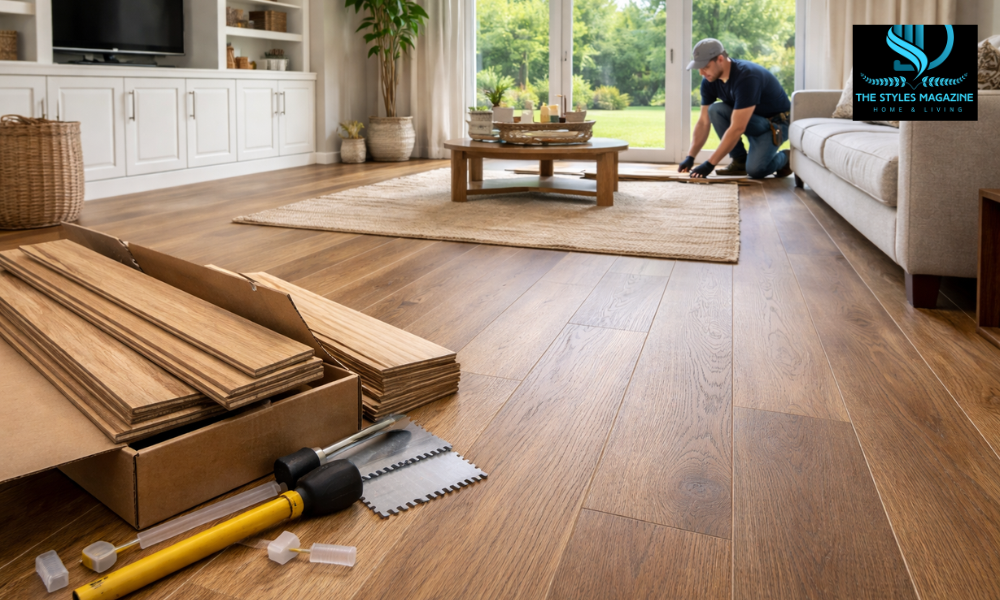
Engineered hardwood can be installed in several ways. Floating installation allows boards to lock together over an underlayment without being attached directly to the slab. This method can be faster but may feel slightly hollow underfoot if the subfloor is not perfectly flat.
Glue-down installation is common over concrete slabs. Adhesive bonds the flooring directly to the surface, creating a solid feel and reducing movement. Nail or staple methods are typically used when installing over wooden subfloors rather than concrete. Before approving any method, ask how it affects warranty coverage and long-term performance.
Prep That Makes or Breaks the Job: Leveling, Acclimation, and Moisture Barriers
Proper preparation is essential for long-lasting floors. Concrete slabs must meet flatness standards to prevent gaps or uneven wear. Installers may use self-leveling compounds to correct low spots. Skipping this step often leads to visible problems later.
Acclimation is another important process. Flooring should sit in the home environment for a recommended period so it adjusts to indoor temperature and humidity. Running the HVAC system during this time helps stabilize conditions. Moisture barriers can provide added protection, but they are not a substitute for proper testing and preparation.
Where Engineered Hardwood Works Best in Your Home
Engineered hardwood performs well in living rooms, bedrooms, hallways, and home offices. These areas typically experience steady foot traffic without excessive water exposure. The natural wood surface adds warmth and complements many interior styles.
Kitchens can work if spills are cleaned quickly and protective mats are used near sinks. Entryways exposed to heavy dirt or moisture require careful maintenance. Full bathrooms are generally not recommended due to frequent water exposure. Homes with pets or active families may benefit from textured finishes that help hide minor wear.
Care and Maintenance That Actually Keeps It Looking New
Routine care makes a noticeable difference in how engineered hardwood ages. Regular sweeping or vacuuming removes grit that can scratch the surface. Using a damp microfiber mop with a manufacturer-approved cleaner helps maintain the finish without causing excess moisture buildup.
Furniture pads under chairs and tables prevent dents. Entry mats reduce dirt from shoes. Maintaining stable indoor humidity levels supports the flooring’s structure. Small scratches can often blend into matte finishes, while deeper damage may require professional repair. Consistent care extends the life of the investment.
Hiring a San Antonio Installer: The Short Interview That Saves You from Regrets
Choosing the right installer is just as important as choosing the flooring. Ask whether they perform moisture testing before installation. Confirm how they handle leveling and whether prep work is included in the estimate. Request clarification on the installation method and projected timeline.
A professional quote should list materials, labor, preparation steps, transitions, and warranty details. It is also helpful to verify that the installer has experience working over slab foundations, which are common in San Antonio. Clear communication at the beginning reduces misunderstandings later.
Conclusion
Selecting Hengineer Floors on San Antonio does not have to feel complicated. The key factors are moisture control, proper subfloor preparation, and selecting a quality product with a suitable wear layer. Understanding installation methods and reviewing detailed quotes helps avoid surprises.
By focusing on preparation, realistic budgeting, and long-term maintenance, homeowners can enjoy the natural beauty of engineered hardwood for many years. With the right planning and professional guidance, engineered flooring can be a practical and attractive choice for San Antonio homes.
FAQs
Are Hengineer Floors on San Antonio good for humid weather?
Yes, engineered hardwood is designed to handle humidity changes better than solid wood, which makes it suitable for San Antonio’s climate.
Can engineered hardwood be installed over a concrete slab?
Yes, it can be installed over concrete slabs with proper moisture testing and preparation.
How long do engineered hardwood floors last?
High-quality engineered floors can last 20 to 30 years or more, depending on wear layer thickness and maintenance.
Is engineered hardwood suitable for kitchens?
It can be installed in kitchens if spills are cleaned quickly and moisture is controlled.
What increases the cost of Hengineer Floors on San Antonio?
Costs increase due to slab leveling, moisture barriers, stair work, removal of old flooring, and premium product choices.
Disclaimer
This article is for general informational purposes only. Costs, installation methods, and product performance may vary depending on property conditions, product selection, and contractor practices. Always consult a qualified flooring professional in San Antonio for an inspection and accurate quote before making a final decision.