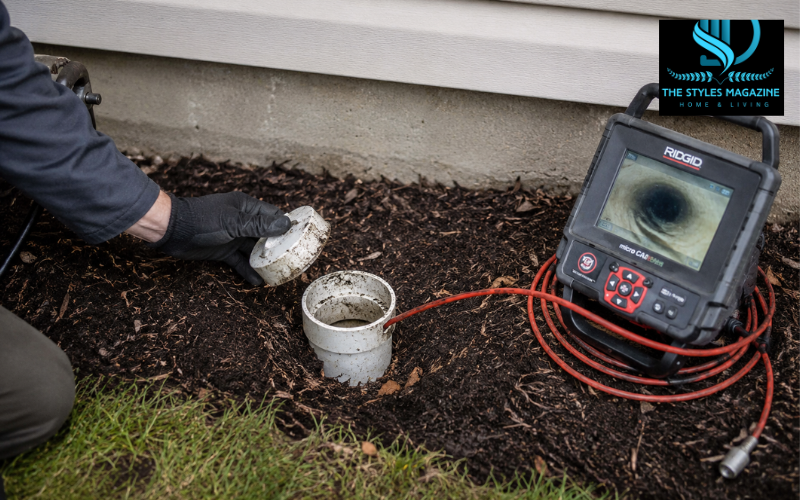
A sewer line clean out is one of the most important parts of a home’s plumbing system, yet many homeowners do not know it exists until a serious drain problem appears. This small access point connects directly to the main sewer line and gives plumbers a safe and direct way to inspect, clean, and repair the pipe without digging through the yard or removing indoor plumbing fixtures.
In most homes, a residential sewer line clean out is installed outside near the foundation, in the basement, or close to the property line. It usually looks like a capped pipe sticking slightly above the ground. While it may seem unimportant at first glance, it plays a major role in maintaining healthy plumbing and preventing expensive sewer emergencies.
When drains begin backing up or slow drainage becomes a recurring problem, plumbers often use the sewer line clean out to inspect the pipe with cameras, remove tree roots, or clear heavy blockages. Having easy access to this opening can save time, reduce repair costs, and help prevent water damage inside the home.
Understanding where your clean out drain location is and how it works can make a big difference during plumbing emergencies. It also helps homeowners stay prepared for future maintenance and avoid unnecessary damage to their sewer system.
Quick Guide Table
| Topic | Quick Answer |
| What is a sewer line clean out? | An access point connected to the main sewer pipe |
| Common location | Near foundation, basement, yard, or property line |
| Main purpose | Clearing clogs and inspecting sewer lines |
| Typical material | PVC, ABS plastic, cast iron |
| Common problems | Tree roots, grease buildup, pipe damage |
| Average cleaning cost | Depends on blockage severity and pipe condition |
| DIY or professional? | Small clogs may be DIY, major backups need a plumber |
| Warning signs | Slow drains, sewer smell, repeated backups |
What a Sewer Line Clean Out Actually Does
A sewer line clean out acts as an access point for the home’s main sewer pipe. Instead of entering through sinks, toilets, or indoor drains, plumbers can open the clean out and work directly inside the sewer line. This makes inspections and repairs faster and more effective.
The clean out connects directly to the pipe that carries wastewater away from the home and toward the city sewer system or septic tank. Because it connects to the main line, it gives technicians a clear path for cleaning equipment and inspection cameras.
Plumbers often rely on a sewer line clean out during drain repairs because it allows them to locate clogs accurately. If tree roots, grease buildup, or debris are blocking the pipe, specialized tools can be inserted through the clean out to remove the obstruction safely.
There are also differences between indoor and outdoor clean outs. Outdoor clean outs are more common in modern homes and are usually easier to access. Indoor clean outs are often found in basements, utility rooms, or crawl spaces. Both serve the same purpose, but outdoor systems generally provide easier maintenance access during emergencies.
Common Sewer Line Clean Out Locations Around a Home
The location of a sewer line clean out depends on the age of the home, local building codes, and the design of the plumbing system. In many homes, the clean out is located near the foundation wall where the main sewer pipe exits the building. This placement allows direct access to the line before it enters the yard.
Some properties have an additional clean out near the property line. This location helps plumbers access the sewer lateral that connects the home to the municipal sewer system. Homes with large yards or long sewer lines may have multiple clean outs for easier maintenance.
Basements and crawl spaces are also common clean out drain locations, especially in older homes. In these cases, the access point may be located near the main stack or close to where the sewer line leaves the house.
Sometimes clean outs become difficult to locate because they are buried underground. Landscaping projects, concrete work, soil buildup, or grass growth can cover them over time. In older properties, homeowners may not even realize a clean out exists until a plumbing technician discovers it during an inspection.
How to Find a Buried Sewer Cleanout Without Damaging Your Yard
Finding a buried sewer cleanout can be frustrating, especially if the access point has been hidden for years. However, there are several signs that may help homeowners identify its location without damaging the yard.
A slightly raised pipe cap, an unusual patch of soil, or a circular cover near the foundation may indicate where the clean out is located. In some cases, homeowners can trace the direction of indoor plumbing to estimate where the main sewer line exits the house.
Professional plumbers often use specialized tools to locate hidden access points. Sewer cameras with transmitters can help track underground pipe routes, while electronic pipe locators can detect buried plumbing lines beneath the surface. These methods reduce unnecessary digging and help protect landscaping.
Finding a sewer clean out in an old house can be more challenging because plumbing layouts were not always standardized in the past. Older homes may have cast iron pipes hidden beneath concrete floors or landscaping features added over decades. In these situations, professional assistance is often the safest option.
Understanding a Sewer Line Cleanout Diagram
A sewer line cleanout diagram helps homeowners and plumbers understand how the drainage system is connected. Although plumbing diagrams may seem confusing at first, they are useful for identifying the path wastewater takes from the house to the sewer system.
Most diagrams include the main drain line, branch pipes, vent pipes, and the clean out access point. The clean out is usually shown as a capped opening connected to the primary sewer line. This helps technicians determine where inspections and cleaning tools should enter the system.
During repairs or maintenance, a sewer line cleanout diagram can reduce confusion and save time. It allows plumbers to identify problem areas more accurately and avoid unnecessary digging or wall removal.
In simple terms, the residential sewer layout begins with sinks, toilets, and drains inside the home. These smaller pipes connect to larger drain lines, which eventually lead to the main sewer pipe. The sewer line clean out sits along this route, providing direct access whenever maintenance is needed.
Sewer Cleanout Caps and Why They Matter
The sewer cleanout cap may appear small, but it serves an important purpose. This cap seals the access opening and prevents sewer gases, debris, and pests from entering or leaving the pipe.
Cleanout caps are commonly made from PVC, ABS plastic, brass, or cast iron. Modern homes often use plastic caps because they resist corrosion and are easier to replace. Older homes may still have metal caps, which can become difficult to remove after years of exposure to moisture and soil.
A damaged or missing sewer cleanout cap can create several problems. Sewer odors may escape into the yard, rainwater can enter the pipe, and debris may clog the opening. Cracked caps may also allow insects or rodents to enter the plumbing system.
Homeowners should replace the cap if it becomes loose, broken, or difficult to secure properly. Keeping the cap in good condition helps protect the sewer line and ensures the clean out remains usable during emergencies.
Residential Sewer Line Clean Out Maintenance Basics
Routine maintenance plays a major role in preventing sewer line problems. Many homeowners ignore the sewer system until drains stop working, but regular inspections can identify issues before they become expensive repairs.
In general, a residential sewer line clean out should be inspected every few years, especially in homes with older plumbing or nearby trees. Preventive maintenance may include camera inspections, hydro jetting, or professional cleaning services.
Simple habits can also help protect the sewer system. Avoid flushing wipes, grease, food scraps, and paper towels down drains or toilets. These materials can build up inside pipes and create severe blockages over time.
There are also early warning signs homeowners should watch for. Slow drains, bubbling toilets, sewage odors, and recurring backups often indicate a developing sewer line issue. Addressing these problems early can prevent larger plumbing emergencies later.
Sewer Line Clean Out Cost Breakdown
The cost of sewer line clean out services depends on the severity of the blockage, the length of the pipe, and the cleaning method required. Basic inspections and simple drain cleaning services are generally affordable, while major repairs can become expensive.
On average, homeowners may pay a moderate fee for routine cleaning or video inspections. Hydro jetting services, which use high-pressure water to clean the inside of pipes, usually cost more because they require specialized equipment.
Several factors affect sewer line clean out cost. Tree root removal, collapsed pipes, underground digging, and emergency services often increase pricing significantly. Older homes with outdated plumbing systems may also require more extensive repairs.
Preventive maintenance is usually less expensive than emergency repairs. Scheduling regular inspections can help homeowners avoid sudden sewer backups and reduce the risk of major damage to the plumbing system.
Are Sewer Line Clean Out Chemicals Safe to Use?
Many homeowners consider using sewer line clean out chemicals to clear slow drains or small clogs. While some products may provide temporary relief, chemical cleaners are not always safe for plumbing systems.
Strong chemicals can damage certain pipe materials over time, especially in older homes with aging plumbing lines. Repeated use may weaken pipe walls, increase corrosion, and create long-term maintenance problems.
Chemical drain cleaners can also be harmful when severe blockages are present. If the clog prevents water from flowing properly, the chemicals may remain trapped inside the pipe and create dangerous conditions for anyone attempting repairs later.
Safer alternatives include professional drain cleaning, mechanical snaking tools, or hydro jetting services. Homeowners can also reduce buildup naturally by using hot water and practicing proper drain care habits. In most cases, professional cleaning methods provide better long-term results than harsh chemical products.
Problems Commonly Found During Sewer Line Clean Out Services
Sewer line inspections often reveal hidden problems that homeowners cannot see from inside the house. One of the most common issues is tree root intrusion. Roots naturally seek moisture and can enter small cracks in sewer pipes, eventually causing serious blockages.
Grease and debris buildup is another common problem. Cooking oils, soap residue, food particles, and non-flushable items can gradually narrow the pipe and slow wastewater flow.
Some sewer systems also develop broken or collapsed sections due to age, shifting soil, or ground pressure. Damaged pipes may leak wastewater underground and create recurring drainage issues throughout the home.
Older plumbing systems are especially vulnerable to backups. Aging materials like cast iron or clay pipes may deteriorate over time, increasing the risk of cracks, corrosion, and sewer line failure.
DIY Sewer Clean Out vs Hiring a Professional
Some homeowners attempt to clean minor blockages themselves using basic drain snakes or rented equipment. Simple clogs near sinks or toilets may sometimes be handled safely without professional help.
However, main sewer line problems are often more complicated. Professional plumbers use advanced tools such as hydro jetting systems and sewer cameras to diagnose and resolve issues accurately. These tools allow them to identify hidden damage and remove blockages without harming the pipes.
Improper sewer cleaning can create additional problems. Using the wrong equipment or applying too much pressure may crack older pipes or worsen existing damage. Sewer gases and contaminated water also create health risks during improper DIY repairs.
For recurring backups, foul odors, or major clogs, hiring a licensed professional is usually the safest and most effective choice.
Special Considerations for an Old House Sewer Clean Out
Older homes often present unique plumbing challenges. In many cases, the sewer clean out may be hidden beneath landscaping, flooring, or concrete surfaces added during renovations over the years.
Older plumbing systems may also contain materials no longer used in modern construction. Cast iron, clay, and Orangeburg pipes are more vulnerable to cracking, corrosion, and root intrusion compared to modern PVC systems.
Maintenance can also be more difficult because older sewer layouts may not follow current building standards. Some homes may lack an accessible clean out entirely, requiring plumbers to install a new access point during repairs.
Because aging sewer lines are more prone to failure, regular inspections are especially important for homeowners living in older properties.
Final Thoughts
A sewer line clean out is a small but essential part of every home’s plumbing system. It provides direct access to the main sewer line, making inspections, maintenance, and repairs much easier and more efficient. Although many homeowners overlook it, understanding its location and purpose can help prevent major plumbing emergencies.
Regular sewer line inspections and preventive maintenance can reduce the risk of costly repairs, sewer backups, and water damage. Paying attention to early warning signs and keeping the clean out accessible are simple steps that can protect the entire plumbing system.
Whether you live in a newer home or an older property with aging pipes, taking time to locate and understand your sewer line clean out can save money, reduce stress, and help keep your home’s plumbing running smoothly for years to come.
FAQs
What Is A Sewer Line Clean Out Used For?
A sewer line clean out gives plumbers direct access to the main sewer pipe for inspections, blockage removal, drain cleaning, and maintenance without damaging floors or landscaping.
How Do I Know If My Sewer Clean Out Is Clogged?
Common signs include slow drains, sewage smells, gurgling toilets, and repeated backups in multiple fixtures throughout the home.
Can I Open A Sewer Clean Out Myself?
Yes, but only with caution. If sewage pressure has built up inside the pipe, opening the cap incorrectly can cause waste water to spill out suddenly.
How Often Should A Sewer Line Be Cleaned?
Most homes benefit from a sewer inspection or cleaning every 1–2 years, especially older homes or properties with large nearby trees.
Are Sewer Line Clean Out Chemicals Safe?
Some chemicals may damage older pipes or worsen blockages. Professional cleaning methods are usually safer and more effective for long-term sewer maintenance.
Enjoyed it? Find more exclusive content on The Styles Magazine.
Disclaimer: This article is for informational and educational purposes only. Plumbing systems vary by property, and serious sewer line problems should always be inspected by a licensed plumbing professional.