A squeaky door can become frustrating very quickly, especially when the noise happens every time someone enters or leaves a room. While it may seem like a small issue, the sound is usually a sign that certain parts of the door need attention. In most homes, doors begin to squeak because of dry hinges, dust buildup, loose hardware, or small alignment problems that develop over time. Changes in humidity and temperature can also affect how smoothly a door moves, especially with wooden doors.
Learning how to fix a squeaky door early can help prevent additional wear on the hinges and reduce long-term damage to the door frame. The good news is that most squeaky doors can be repaired without replacing anything. Simple cleaning, proper lubrication, and a few basic adjustments are often enough to stop the noise completely.
This guide explains the common causes of squeaky doors, how to identify the exact source of the sound, and the most effective methods to fix squeaky door hinges, handles, and frames. Whether you want a quick temporary fix or a long-lasting solution, the following information will help you keep your doors quiet and working smoothly.
Quick Guide Table
| Problem | Main Cause | Quick Fix | Best Solution |
| Squeaky hinges | Dry metal friction | Apply spray lubricant | Clean and grease hinge pin |
| Door squeaks when opening | Dust or rust buildup | Use silicone spray | Remove and clean hinges |
| Squeaky door handle | Loose or dry parts | Tighten screws | Lubricate handle mechanism |
| Door rubbing frame | Misalignment | Adjust hinges | Sand or realign door |
| Hinges keep squeaking | Worn-out lubricant | Reapply lubricant | Use white lithium grease |
Why Doors Start Squeaking in the First Place
Doors are used many times throughout the day, so natural wear is unavoidable. One of the biggest causes of squeaking is friction inside the door hinges. Hinges contain metal parts that move against each other whenever the door opens or closes. Over time, the original lubrication inside the hinge wears away, allowing metal surfaces to rub together directly. This creates the familiar squeaking or creaking sound.
Dust and dirt also play a major role in noisy doors. Small particles collect inside the hinges and mix with old lubricant, creating a rough surface that increases friction. In humid environments, moisture can lead to rust, especially on older metal hinges. Rust makes the hinge movement less smooth and causes louder squeaks during use.
Loose screws and poor alignment can create additional stress on the hinges. If the screws holding the hinges become loose, the door may shift slightly each time it moves. This uneven pressure often creates squeaking or rubbing sounds. Sometimes the door itself may not hang properly inside the frame, causing friction along the edges.
Weather changes can affect doors as well. Wood naturally expands in humid conditions and shrinks in dry air. As the shape changes slightly throughout the year, the door may begin rubbing against the frame or putting extra pressure on the hinges.
Identifying the Exact Source of the Squeak
Before trying to fix the problem, it is important to determine where the squeak is coming from. In many cases, the hinges are responsible, but sometimes the handle or frame may be the actual source of the noise.
To check the hinges, slowly open and close the door while listening carefully near each hinge. A squeak that becomes louder near a specific hinge usually means that hinge needs cleaning or lubrication. You may also notice vibration or stiffness while moving the door.
If the noise occurs mainly when turning the handle, the problem may be inside the latch mechanism. Door handles contain small moving parts that can dry out or loosen over time. A squeaky handle often sounds different from hinge noise and usually happens before the door itself moves.
Sometimes the frame creates the squeak instead of the hardware. This usually happens when the door rubs against the wood around it. You may notice marks, chipped paint, or resistance while opening and closing the door. Identifying the exact source first makes the repair process much easier.
Quick Ways to Fix a Squeaky Door
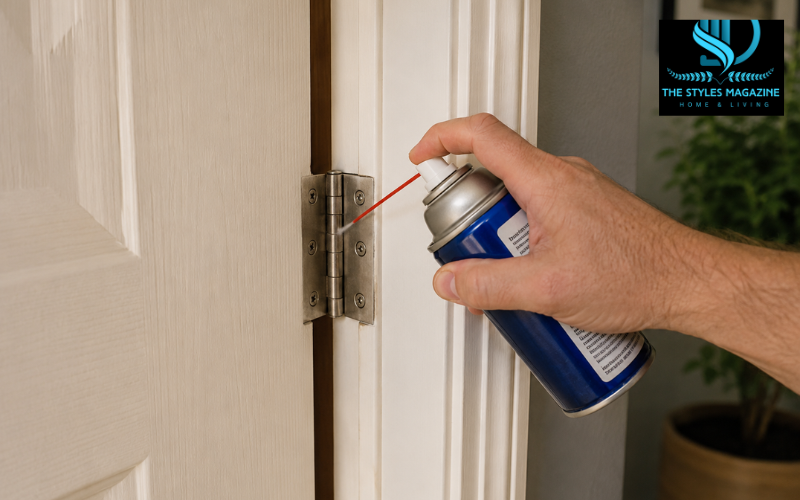
One of the easiest ways to fix a squeaky door is to lubricate the hinges without taking the door apart. Spray lubricants such as silicone spray or white lithium grease can quickly reduce friction inside the hinge. Apply the lubricant directly into the hinge joints while slowly opening and closing the door to help spread the product evenly.
Many homeowners prefer this method because it takes only a few minutes and requires very little effort. It is also an effective solution for people searching for how to fix a squeaky door without taking it apart.
If proper lubricant is not available, some temporary household solutions may help in an emergency. Petroleum jelly, candle wax, or even a small amount of cooking oil can reduce squeaking temporarily. While these options are not ideal for long-term use, they may provide short-term relief until a better lubricant is available.
After applying any product, wipe away excess residue with a cloth. This prevents dust from collecting around the hinges later.
How to Fix Squeaky Door Hinges Properly
For a more permanent repair, removing and cleaning the hinge pin is usually the best method. Start by keeping the door closed to maintain stability. Place a nail or flat tool underneath the hinge pin and gently tap upward with a hammer until the pin loosens enough to remove.
Once the hinge pin is out, inspect it carefully for dirt, rust, or dried grease. Wipe the surface clean using a cloth or paper towel. If rust is present, gently rubbing the pin with steel wool can help smooth the metal surface.
After cleaning the pin, apply lubricant evenly before reinstalling it. White lithium grease is considered one of the best lubricants for squeaky door hinges because it remains on the metal surface longer than many spray products. Silicone spray also works well and is often cleaner to use indoors.
Reinsert the hinge pin carefully and tap it back into place. Open and close the door several times to distribute the lubricant throughout the hinge. In most cases, this method completely removes the squeak and provides a longer-lasting result.
How to Fix Squeaky Door Hinges Without Removing Them
Some people prefer faster solutions that do not require removing hinge pins. Fortunately, many squeaky doors can still be fixed this way. Spray lubricants are especially useful because they can reach deep inside the hinge without disassembly.
Using a spray straw attachment helps direct the lubricant precisely into tight spaces. While spraying, move the door back and forth slowly so the product can work into the moving parts. Older hinges may require several applications before the squeak disappears completely.
One common mistake is applying lubricant only once and expecting permanent results. Another mistake is using products that clean the hinge but do not provide lasting lubrication. For example, WD-40 helps loosen dirt and rust, but it may not keep the hinge quiet for very long unless followed by a stronger lubricant.
Best Lubricants for Squeaky Door Hinges
Choosing the right lubricant can make a major difference in how long the repair lasts. White lithium grease is one of the most reliable choices because it sticks well to metal and provides long-term protection against friction. It works especially well for heavily used doors.
Silicone spray is another popular option. It is easy to apply, dries quickly, and does not leave thick residue behind. Many homeowners use it for interior doors because it keeps surrounding surfaces cleaner.
3-in-1 oil for squeaky doors is also commonly used because it penetrates small spaces effectively. It helps loosen stiff hinges and provides smooth movement, although it may need reapplication more often than grease.
WD-40 is useful for cleaning rusted hinges and removing old buildup, but it should not always be considered a permanent lubricant by itself. Many professionals use it as a first step before applying grease or silicone spray afterward.
Dry lubricants and wax alternatives are helpful for indoor environments where oily residue is not desirable. Paraffin wax and candle wax create a smooth coating that reduces friction without attracting as much dust.
How to Fix a Squeaky Door Without WD-40
Not everyone wants to use WD-40, and fortunately there are many effective alternatives available. Petroleum jelly is one of the simplest household substitutes. Applying a thin layer to the hinge pin can reduce friction and quiet the door temporarily.
Paraffin wax or candle wax can also work surprisingly well. Remove the hinge pin if possible and rub the wax directly onto the metal surface before reinstalling it. This creates a smooth layer between moving parts.
For indoor doors, non-oily products are often preferred because they reduce the chance of stains or sticky residue. Silicone-based dry lubricants are especially useful for bedrooms, closets, and office doors where cleanliness matters.
Fixing a Squeaky Door Handle
Sometimes the squeak does not come from the hinges at all. Door handles contain springs and moving parts that can dry out over time. Dust buildup inside the latch mechanism may also create grinding or squeaking sounds whenever the handle turns.
To fix the issue, remove the handle carefully and clean away dirt from the internal components. Applying a small amount of silicone spray or light machine oil can improve movement and reduce noise. Tightening loose screws is equally important because shifting hardware often creates unnecessary friction.
A properly secured handle should move smoothly without making noise during operation.
How to Fix a Squeaky Door Frame
A squeaky door frame is usually caused by rubbing between the door and the surrounding wood. This can happen when the door becomes misaligned or swells because of humidity changes.
Inspect the edges of the door for visible rubbing marks or chipped paint. Tightening the hinges slightly may improve alignment enough to stop the friction. In some cases, small hinge adjustments can make a major difference in how the door moves.
Applying wax to rubbing areas may also reduce noise temporarily. If the rubbing continues, sanding small problem areas or repositioning the hinges may be necessary for a long-term solution.
Common Mistakes to Avoid When Fixing a Squeaky Door
One common mistake is overusing lubricant. Too much oil or grease attracts dust and eventually creates buildup inside the hinge. A small amount is usually enough to solve the problem.
Ignoring rusted or damaged hinges is another issue. Severely corroded hinges may continue squeaking no matter how much lubricant is added. In these situations, replacement may be necessary.
Using the wrong type of oil can also create problems, especially on interior doors. Heavy oils sometimes leave stains on nearby surfaces or collect dust quickly. Choosing the correct lubricant for the environment is important for long-lasting results.
When It’s Better to Replace the Hinges
Although most squeaky doors can be repaired, some hinges become too damaged to save. Deep rust, bent hinge plates, or cracked metal are signs that replacement may be the better option.
When choosing new hinges, durable materials such as stainless steel are usually worth considering. Quality hinges resist rust better and often require less maintenance over time. Proper installation also helps improve door alignment and reduce future squeaking problems.
Simple Maintenance Tips to Keep Doors Quiet
Regular maintenance is the best way to prevent squeaky doors from returning. Cleaning hinges occasionally removes dust and prevents buildup from becoming a problem. Applying lubricant every few months keeps the metal moving smoothly.
Keeping moisture away from hinges also helps prevent rust. Wiping down hardware regularly and checking for signs of wear can extend the life of the door system.
Seasonal maintenance checks are especially helpful in areas with changing weather conditions. Small adjustments during humid or dry seasons can prevent alignment issues before they become serious.
Conclusion
Learning how to fix a squeaky door does not require expensive tools or professional experience. In most cases, the problem can be solved with proper cleaning, lubrication, and a few simple adjustments. Whether the noise comes from the hinges, handle, or frame, identifying the exact source is the first step toward a long-lasting solution.
Using the right lubricant, such as white lithium grease, silicone spray, or 3-in-1 oil, can make a major difference in keeping doors quiet over time. Regular maintenance also helps prevent squeaks from returning and reduces long-term wear on the hardware.
By taking care of small problems early, you can keep your doors operating smoothly and avoid unnecessary replacements. A quiet, properly maintained door not only improves comfort in your home but also helps extend the life of the entire door system.
FAQs
What Is The Fastest Way To Fix A Squeaky Door?
The fastest way is to spray silicone lubricant or white lithium grease directly onto the hinges while opening and closing the door several times.
Can I Fix A Squeaky Door Without Removing The Hinges?
Yes, many squeaky doors can be fixed by applying lubricant directly into the hinge joints without removing the hinge pins.
Is WD-40 Good For Squeaky Door Hinges?
WD-40 helps loosen rust and dirt, but it works best as a temporary fix. Long-lasting lubricants like white lithium grease usually perform better.
What Household Items Can Stop A Door From Squeaking?
Petroleum jelly, candle wax, paraffin wax, and even mild cooking oil can provide temporary relief when proper lubricant is unavailable.
Why Does My Door Still Squeak After Lubrication?
The hinges may have rust, dirt buildup, loose screws, or alignment problems. In some cases, badly damaged hinges may need replacement.
Enjoyed it? Find more exclusive content on The Styles Magazine.
Disclaimer: This article is for general informational and educational purposes only. Always use tools and lubricants carefully, follow product instructions, and seek professional help if your door or hardware has serious damage.