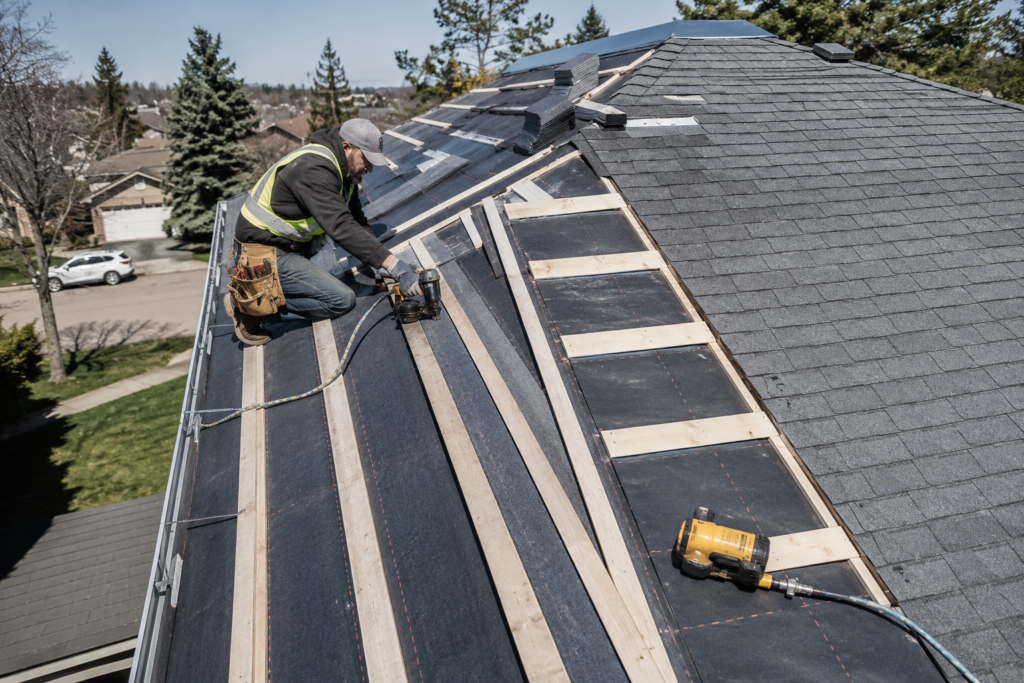
A great roof is easy to underestimate because most people only notice the outer layer. Shingles get the attention, colors catch the eye, and a fresh installation can make any property look cleaner from the curb. But the real value of a roof goes much deeper than appearance. Homeowners who are thinking about durable roof upgrades should look at the full system, not just the visible material on top. A roof is built to protect, ventilate, drain, insulate, and stand up to years of heat, wind, rain, and daily exposure.
A Great Roof Starts With a Strong Foundation
The part of a roof you see is only one piece of the structure. Underneath the shingles, tiles, or panels, there needs to be a solid base that can support the entire system.
Roof decking matters because it gives the outer materials something stable to attach to. If the decking is soft, warped, damaged, or poorly repaired, even high-quality shingles will not perform the way they should. A roof may look finished from the street, but hidden weakness beneath the surface can lead to sagging, leaks, and premature failure.
This is why a proper inspection before installation is so important. A contractor should not simply cover old problems with new materials. They should check the condition of the structure and address weak areas before moving forward.
Water Control Is the Real Test
A roof’s most important job is to keep water out. That sounds simple, but water is persistent. It finds gaps, follows gravity, slips under weak edges, and takes advantage of small installation mistakes.
A strong roofing system is designed to move water away from vulnerable areas. This includes proper slope, clean drainage paths, secure flashing, sealed penetrations, and well-placed underlayment. The details around chimneys, vents, skylights, walls, valleys, and edges are especially important because those areas are common sources of leaks.
A roof can have beautiful shingles and still fail if the water management is poor. The best roofs are built with the assumption that water will always look for a way in, so every detail is designed to stop it.
Flashing Deserves More Credit
Flashing is not the most exciting roofing feature, but it is one of the most important. It protects the areas where the roof meets another surface or where something interrupts the roofline.
Good flashing helps redirect water away from seams, joints, and transitions. Without it, moisture can slip behind materials and damage the structure beneath. Poor flashing work is one of the reasons some roofs develop leaks long before the main surface material wears out.
This is where workmanship becomes obvious. Flashing needs to be cut, placed, layered, and sealed correctly. It should not look like an afterthought. When it is done well, it quietly protects some of the most vulnerable parts of the roof.
Ventilation Keeps The System Balanced
A roof does not just protect from outside weather. It also has to manage heat and moisture from inside the property. Proper ventilation helps keep air moving so the attic or roof cavity does not trap excess heat or humidity.
Poor ventilation can shorten the life of roofing materials. Heat buildup may cause shingles to age faster, while trapped moisture can lead to mold, wood damage, and insulation problems. In some cases, poor airflow can also make the interior less comfortable and increase energy strain.
A balanced roof needs intake and exhaust ventilation working together. It is not just about adding more vents. It is about creating the right airflow pattern for the structure.
Materials Matter, But Installation Matters More
Roofing materials are important, but they are not magic. A premium product installed poorly can fail sooner than a standard product installed correctly.
This is why property owners should think beyond the brochure. Material choice should match the slope, climate, building style, budget, and maintenance expectations. Asphalt shingles, metal panels, tile, and flat roofing systems all have strengths, but each one needs the right installation approach.
The middle of any smart roofing decision is knowing who will do the work and how carefully they will handle the details. A resource like https://www.619roofing.com/ can help homeowners think through roofing from a service-focused perspective, where material selection, repairs, and replacement decisions are tied to the long-term performance of the whole system.
The Best Roofs Are Built for the Property
No two properties are exactly the same. A roof that works perfectly for one structure may not be ideal for another.
The shape of the building, pitch of the roof, sun exposure, surrounding trees, drainage layout, and existing ventilation all influence what the roof needs. A small home, large commercial building, low-slope addition, and older structure may each require a different strategy.
This is why one-size-fits-all roofing advice can be misleading. A good roofing professional looks at the actual property, not just the product options. They consider how the roof will perform in real conditions, not just how it will look on installation day.
Gutters and Edges Complete the Picture
A roof cannot do its job properly if water has nowhere to go. Gutters, downspouts, drip edges, and fascia details all help move water away from the structure.
When gutters are clogged, undersized, loose, or poorly positioned, water can spill over and damage siding, trim, foundations, landscaping, and lower roof sections. Drip edges also matter because they help guide water off the roof and away from exposed wood.
These details may seem small compared to the main roof surface, but they play a major role in long-term protection. A great roof does not stop at the shingles. It includes every part that helps control runoff.
Maintenance Protects the Investment
Even a well-built roof needs attention over time. Regular maintenance can catch small issues before they become expensive problems.
Homeowners should look for missing or damaged materials, lifted edges, cracked sealant, debris buildup, clogged gutters, worn flashing, and signs of interior staining. After major storms, it is especially important to check for damage that may not be obvious from the ground.
Maintenance does not have to be complicated. The goal is simply to stay ahead of problems. A small repair today can prevent a major leak later, and a quick inspection can often reveal issues while they are still manageable.
Workmanship Is the Difference You Feel Later
The quality of a roof is often judged years after it is installed. Does it still look clean? Does it handle storms without problems? Are there leaks, loose materials, or strange interior stains? Does the property feel protected?
Good workmanship is what makes the roof reliable after the crew leaves. It shows up in straight lines, clean flashing, proper fastener placement, secure edges, thoughtful ventilation, and careful cleanup. It also shows up in communication. A strong contractor explains what they are doing, why it matters, and what the property owner should expect.
A roof is a major investment, so the process should feel clear and professional from start to finish.
A Great Roof Gives You Peace of Mind
The best roof is not always the one that looks the most dramatic. It is the one that performs quietly, protects consistently, and helps the property owner stop worrying every time the weather changes.
Shingles may be the most visible part, but a truly great roof is built from structure, drainage, ventilation, flashing, materials, maintenance, and skilled installation. Each part supports the next. When everything works together, the result is stronger than any single product could be on its own.
Looking beyond shingles helps homeowners make smarter decisions. It turns roofing from a surface-level project into a long-term protection plan, and that is what makes a roof truly great.