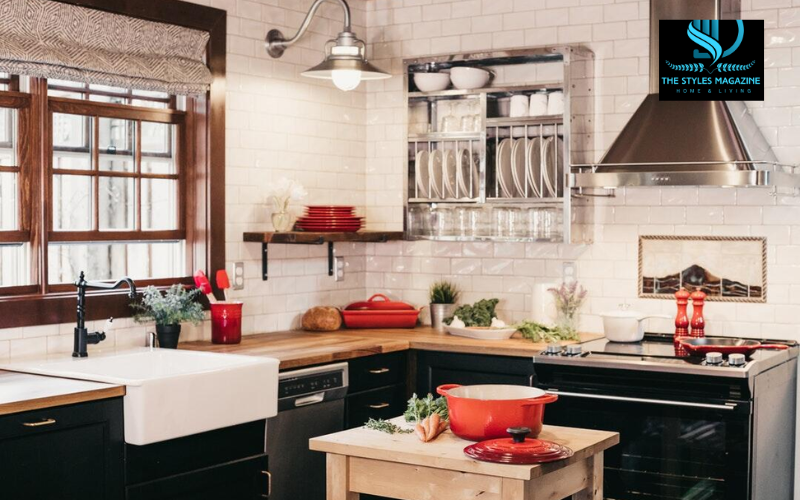
A modern kitchen should look clean, work well, and feel comfortable. Today, homeowners want stylish spaces without feeling cold or crowded. They also want features that make cooking, cleaning, and daily life easier.
Good kitchen design brings these goals together. Clean lines create a calm visual style. Smart storage keeps clutter under control.
Quality materials add durability and character. Modern technology can also save time and make everyday tasks more convenient.
Continue reading to discover everything you need to know!
Upgrade Your Cabinets
Cabinets set the visual tone for the entire kitchen. They also provide most of the room’s storage, so their design affects both appearance and daily use.
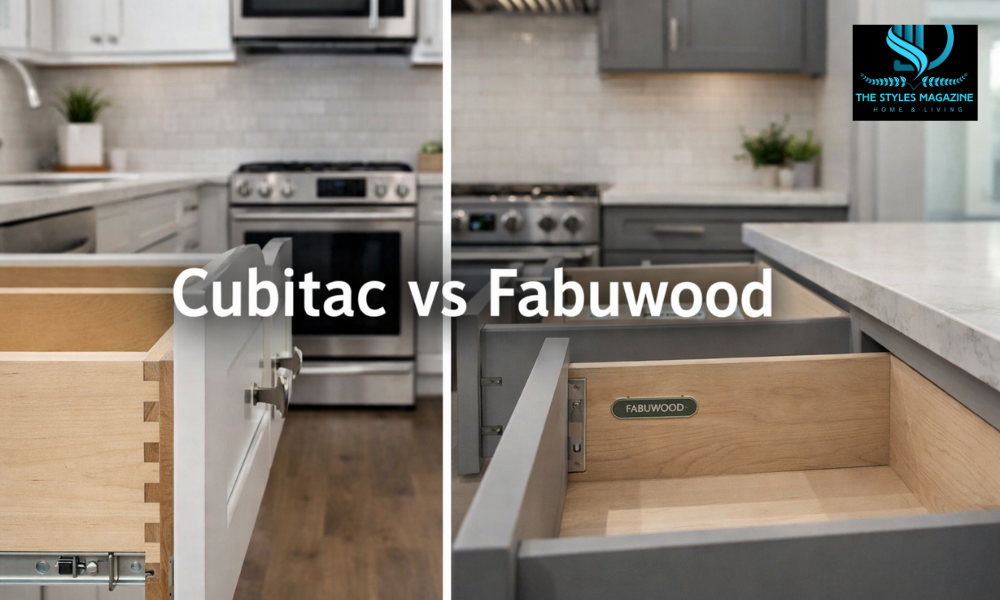
Flat-panel cabinet doors are a popular choice for modern kitchens. Their simple shape creates clean lines and a calm look. Hidden hinges can make the design feel even more streamlined.
For an even cleaner finish, consider push-to-open doors that remove the need for visible handles. Wood cabinets are also becoming more popular. Natural timber brings warmth to a modern space and helps prevent the room from feeling too stark.
Light oak and walnut work especially well with simple cabinet designs. Keep the detailing limited to let the natural grain become part of the design.
Add Modern Tap Technology
The sink area plays a major role in daily kitchen life. You use it for cooking, cleaning, filling containers, and preparing drinks. Upgrading the tap can therefore have a bigger impact than its size might suggest.
An instant hot water system, such as a Qbic Heating tap, can provide hot water on demand. Depending on the system, modern specialist taps can also provide filtered chilled, sparkling, or boiling water.
This type of technology can reduce the need for separate appliances. For example, you may no longer need a countertop kettle for every hot drink. Removing extra appliances can free up valuable worktop space.
Rethink the Kitchen Layout
A modern kitchen is not only about what you install. It is also about where everything goes.
A good layout makes movement simple. It should give you enough room to prepare food, cook, clean, and socialize without creating unnecessary obstacles. Think about how you use the kitchen at different times of the day before deciding where each feature should go.
Creating clear zones can help. One area can focus on food preparation. Another can contain the cooktop and oven.
The sink and dishwasher can form a separate cleaning zone. A seating area can provide a place for meals, work, homework, or casual conversation.
Choose Integrated Appliances
Large appliances can interrupt the clean lines of a modern kitchen. Integrated appliances solve this problem by allowing them to sit behind cabinet fronts.
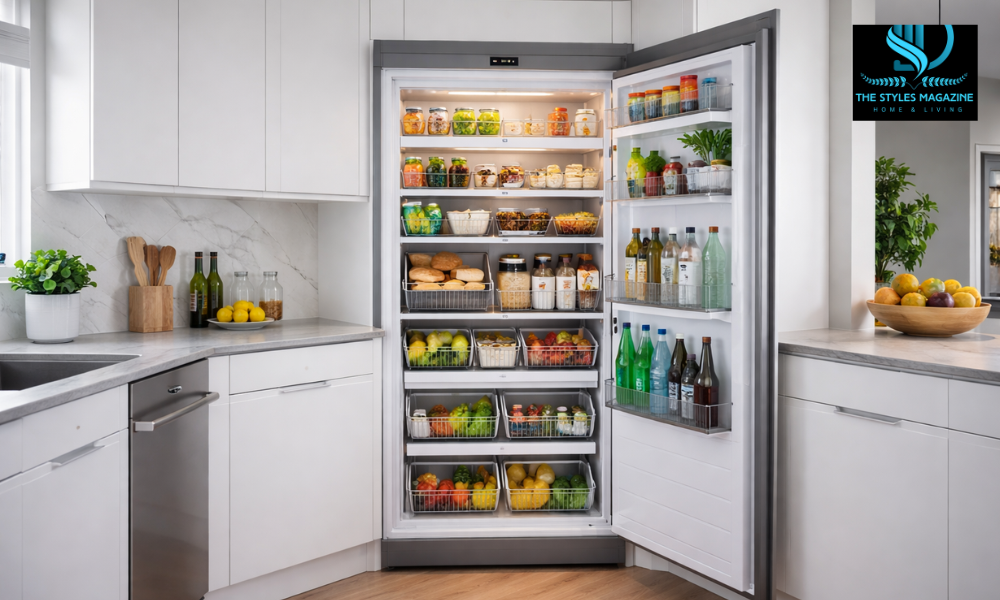
Panel-ready dishwashers and refrigerators can match the surrounding cabinets. This creates a more continuous appearance across the room. Instead of making the appliance a visual focal point, the cabinetry remains the main feature.
Smart appliances can also improve convenience. Wi-Fi-connected ovens, for example, can allow users to monitor settings or preheat the oven from a smartphone. Some modern refrigerators can help track food and expiration dates.
Mix Metallic Finishes
Using one metal finish throughout the entire kitchen can create a consistent look. However, mixing two complementary finishes can add more depth.
The key is to create a clear visual balance. Choose one main metal and use another as an accent. For example, matte black cabinet handles can work with a brushed brass tap.
Stainless steel appliances can sit comfortably beside warmer brass or copper details. The texture of each finish also matters.
Brushed finishes often work well together because they share a soft, low-reflection appearance. Combining several highly polished finishes can make the room feel overly busy.
Soften Modern Design Elements
Modern kitchens do not have to look cold or industrial. Softer shapes, warm materials, and muted colors can make a sleek kitchen feel more welcoming.
Curved island ends are one way to soften a room. Rounded edges can also work well on furniture, seating, and architectural features. These shapes provide a contrast to the straight lines found in cabinets and worktops.
Color can have a similar effect. Strong black-and-white contrasts are giving way to softer palettes. Warm beige, soft sage, cream, and natural wood can create a calm backdrop for modern fixtures.
Focus on Layered Lighting
Lighting has a major effect on how a kitchen looks and functions. A single ceiling light often leaves work surfaces in shadow. It can also make the room feel flat.
Layered lighting provides a better solution. Use a combination of ambient, task, and accent lighting.
Ambient lighting provides general illumination. Recessed ceiling lights are one common choice.
Task lighting focuses on areas where you prepare food or clean. Under-cabinet LED strips can light the worktop without creating strong shadows.
Optimize Countertop Surfaces
Kitchen countertops need to handle daily wear. They must cope with heat, spills, stains, food preparation, and regular cleaning. Modern materials offer a strong mix of durability and style.
Quartz remains a popular option because it is non-porous and easy to maintain. It is available in many colors and patterns, including designs inspired by natural marble.
Porcelain is another strong choice. Porcelain slabs can resist heat, stains, and scratches. Their slim profile works well in contemporary kitchens.
Maximize Flooring Choices
Flooring connects the different elements of the kitchen. It should complement the cabinets, countertops, lighting, and other finishes while standing up to heavy use.
Large-format tiles can create a clean appearance because they reduce the number of grout lines. They can also make a smaller kitchen appear more open.
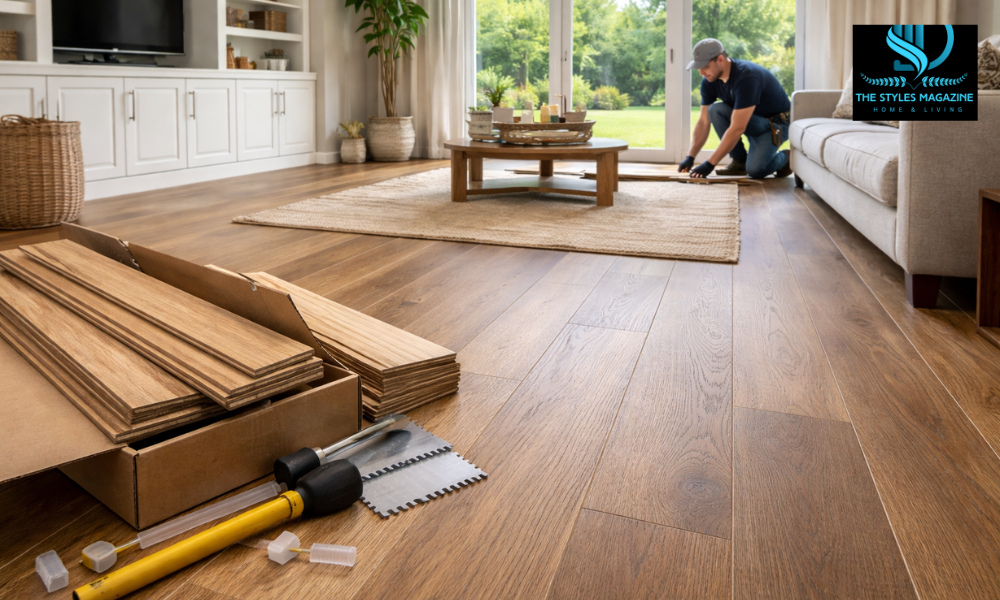
Wood adds natural warmth. Engineered wood can be a practical choice in kitchens because its construction can provide better stability when exposed to changes in moisture and temperature.
The direction of the floorboards can also affect how the room appears. Running boards along the length of a narrow room can help emphasize its shape. Light and medium wood tones can keep the space feeling bright.
Creating a Functional and Stylish Kitchen Space
Most importantly, avoid choosing features just because they are fashionable. A modern kitchen should still feel right several years from now. Focus on quality materials, practical layouts, useful storage, and timeless details.
With the right balance, a kitchen can be sleek without feeling sterile and practical without looking plain. Thoughtful upgrades can turn the space into more than a place to prepare food. It can become a comfortable part of the home where people cook, work, eat, relax, and spend time together.
Check out the rest of our articles today!
Enjoyed it? Find more exclusive content on The Styles Magazine.