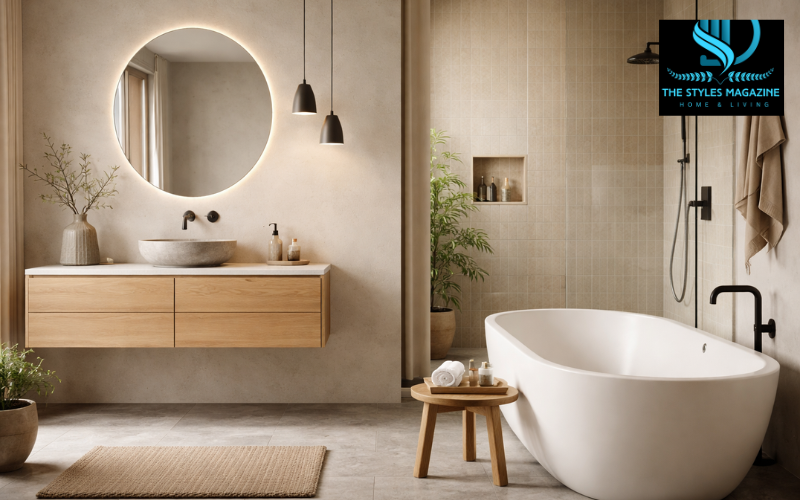
A Japandi bathroom is a modern design style that blends the calm simplicity of Japanese interiors with the cozy warmth of Scandinavian living. It focuses on creating a peaceful, uncluttered space where every element has a purpose. Instead of filling the room with decorations, the Japandi approach highlights natural materials, soft colors, and thoughtful design.
This style has become increasingly popular in modern homes because people are looking for spaces that feel relaxing and meaningful, not just functional. A Japandi bathroom offers a quiet escape from busy daily life, turning everyday routines into a calming experience.
In this article, you will learn what defines a Japandi bathroom, the key design principles behind it, and how to choose the right colors, materials, layout, and accessories. Whether you are planning a full renovation or making small changes, this guide will help you create a space that feels simple, warm, and timeless.
What Defines a Japandi Bathroom Style
A Japandi bathroom is built around a simple idea: combining beauty with purpose. It takes inspiration from Japanese minimalism, which values simplicity and harmony, and Scandinavian design, which focuses on comfort and warmth. Together, they create a balanced style that feels both clean and inviting.
The philosophy behind Japandi design is about living with less but choosing better. Instead of adding many items, you focus on high-quality pieces that are useful and long-lasting. Every detail in the bathroom should serve a clear purpose, whether it is storage, comfort, or visual balance.
What makes a Japandi bathroom different from purely Japanese or Scandinavian spaces is how it blends both worlds. Japanese design tends to be more minimal and sometimes darker in tone, while Scandinavian style often uses lighter colors and a cozy feel. Japandi combines these qualities to create a space that is calm, warm, and practical at the same time.
Key Design Principles Behind a Japandi Bathroom
At the heart of a Japandi bathroom are a few simple design principles that guide every choice. One of the most important is the use of neutral and earthy colors. Shades like beige, soft white, and muted gray help create a calm and balanced environment.
Natural materials also play a key role. Wood, stone, and ceramic surfaces bring texture and warmth into the space. These materials are not only beautiful but also help connect the bathroom to nature, which is an important part of both Japanese and Scandinavian design.
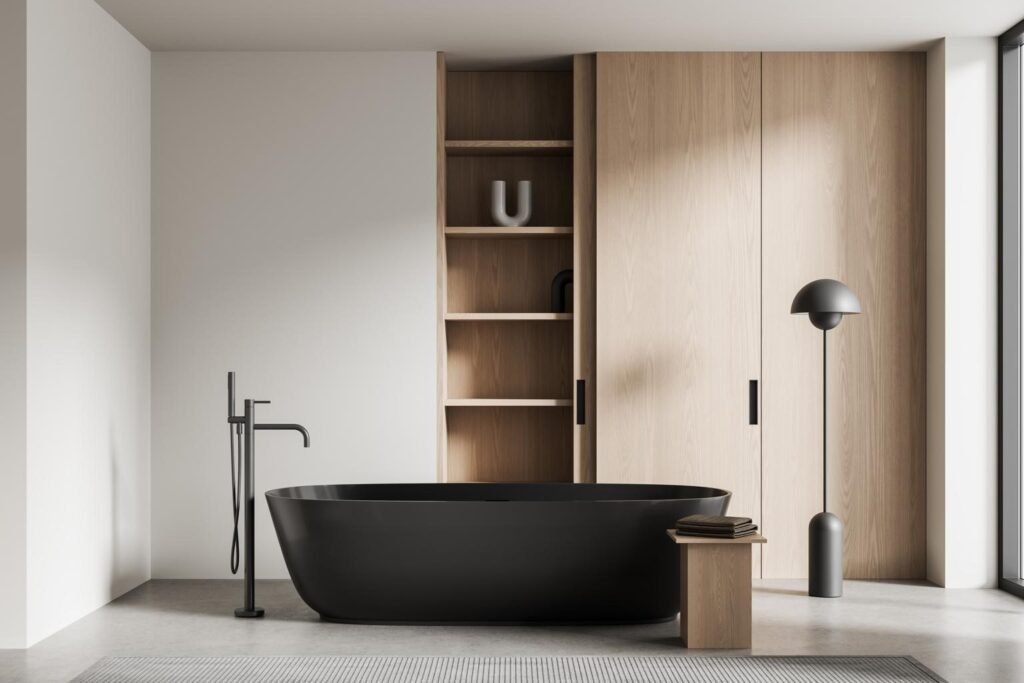
Another important principle is intentional minimalism. This means keeping the space free of clutter and only including items that are truly needed. Storage is often hidden or built into the design, allowing the room to feel open and peaceful.
All of these elements work together to create a spa-like atmosphere. The goal is to make the bathroom feel like a place where you can relax and unwind, rather than just a functional space.
Choosing the Right Color Palette for a Japandi Bathroom
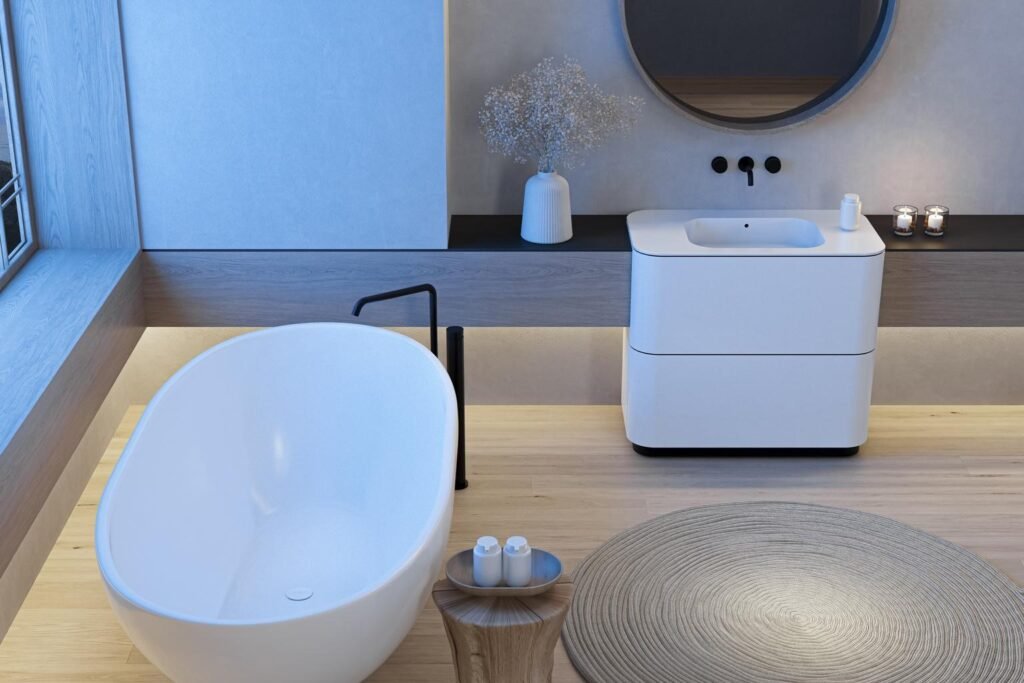
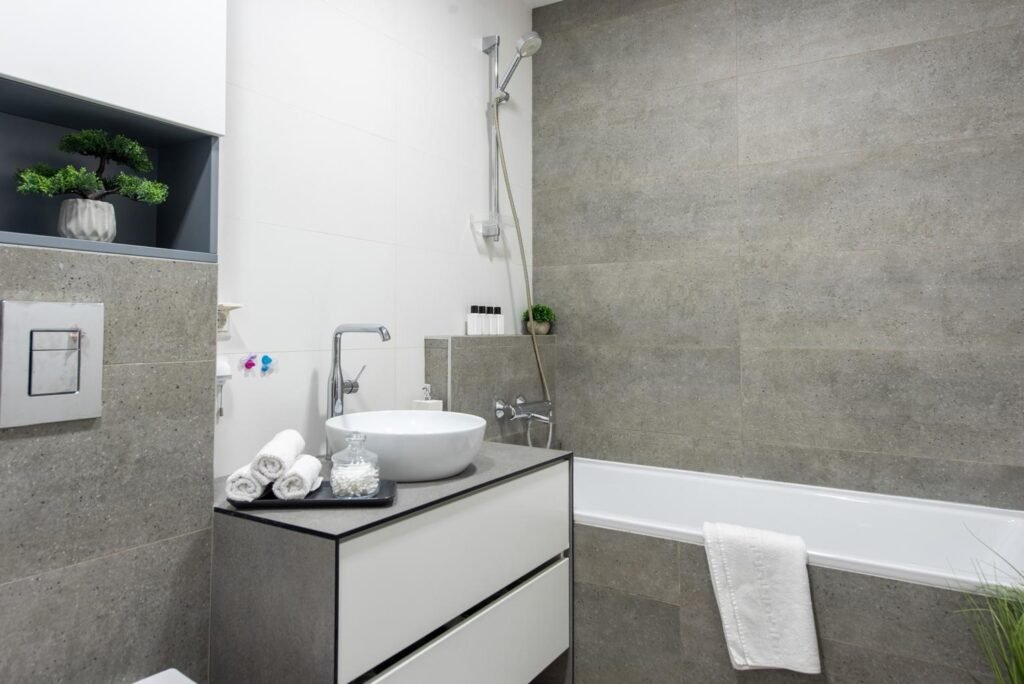
The color palette is one of the most important parts of a Japandi bathroom. Soft and natural tones such as beige, taupe, off-white, and light gray are commonly used because they create a calm and welcoming feeling. These colors also make the space feel larger and more open.
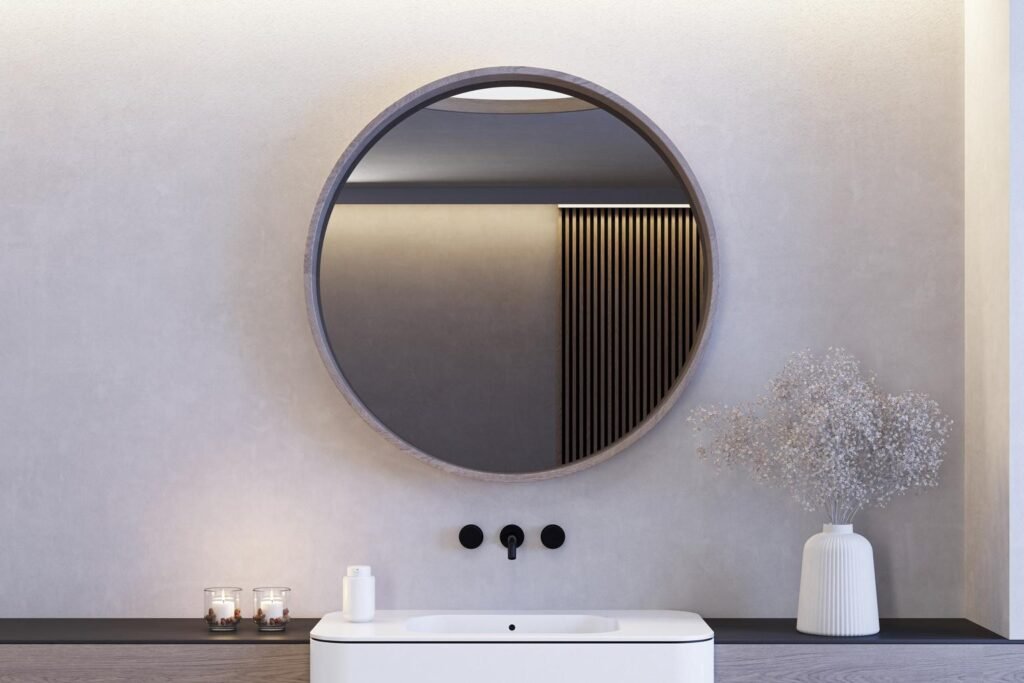
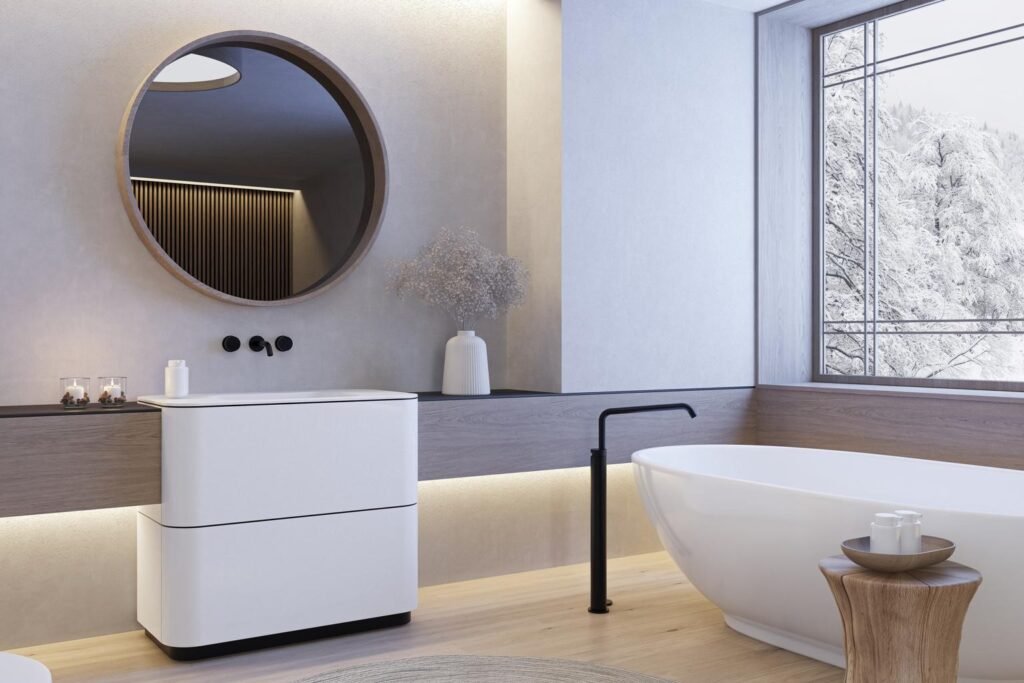
To add depth and contrast, darker accents can be introduced through fixtures or small details. Matte black taps or brushed metal finishes can create a subtle contrast without overpowering the space. The key is to keep everything balanced and not too bold.
Maintaining warmth is also important. Even though the palette is neutral, the space should not feel cold or empty. This can be achieved by combining soft colors with natural textures, such as wood and stone, which add richness and comfort to the overall design.
Best Materials to Use in a Japandi Bathroom
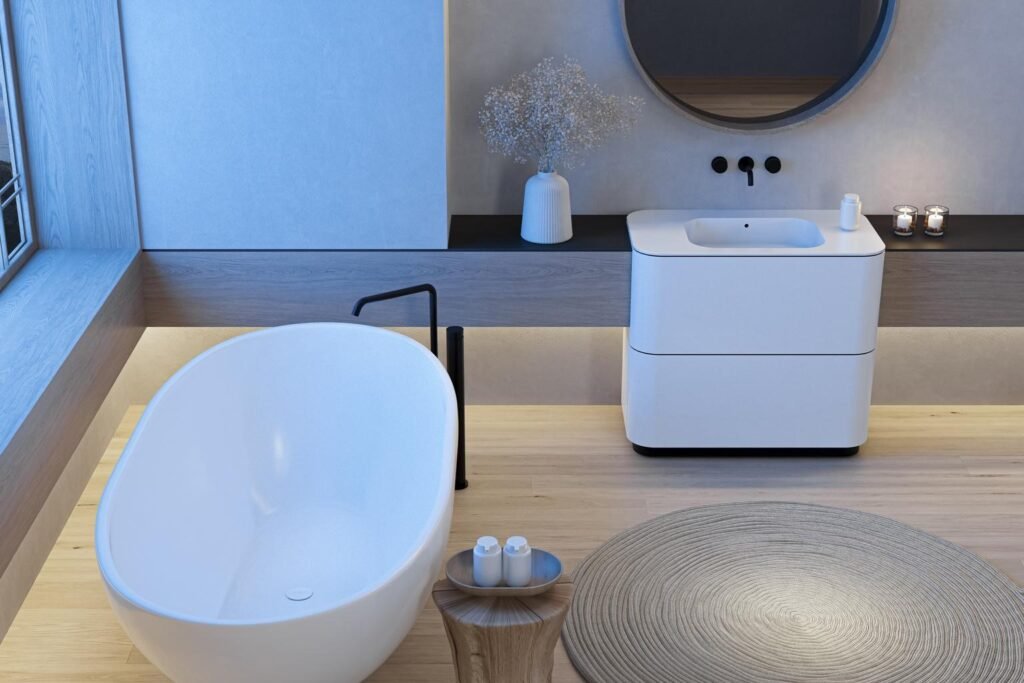
Materials are a defining feature of any Japandi bathroom. Wood is often the main element, with options like oak and ash creating a lighter, Scandinavian look, while walnut adds a deeper, more Japanese-inspired tone. These woods bring warmth and natural beauty into the space.
Stone and concrete are also popular choices. They add texture and a sense of durability, helping to balance the softness of wood. Ceramic surfaces are commonly used for sinks and tiles, offering both practicality and a clean finish.
Bamboo and other organic materials can be used for smaller details such as accessories or storage elements. These materials help reinforce the connection to nature, which is central to Japandi design.
Mixing different textures is important, but it should be done carefully. The goal is to create visual interest without making the space feel busy or overwhelming.
Japandi Bathroom Layout and Space Planning Ideas
A Japandi bathroom layout focuses on openness and simplicity. The space should feel easy to move through, with a clear flow between different areas. This is often achieved by keeping the layout clean and avoiding unnecessary partitions.
Negative space plays an important role in this design style. Empty areas are not wasted space; they help the room feel calm and balanced. By not filling every corner, you allow the design to breathe.
Walk-in showers with frameless glass panels are a popular choice because they maintain an open and airy look. Freestanding bathtubs can also become a focal point, especially if the space allows.
Even in smaller bathrooms, Japandi design can work well. Using wall-mounted fixtures, hidden storage, and light colors can make a compact space feel larger and more organized.
Vanities, Fixtures, and Furniture Selection
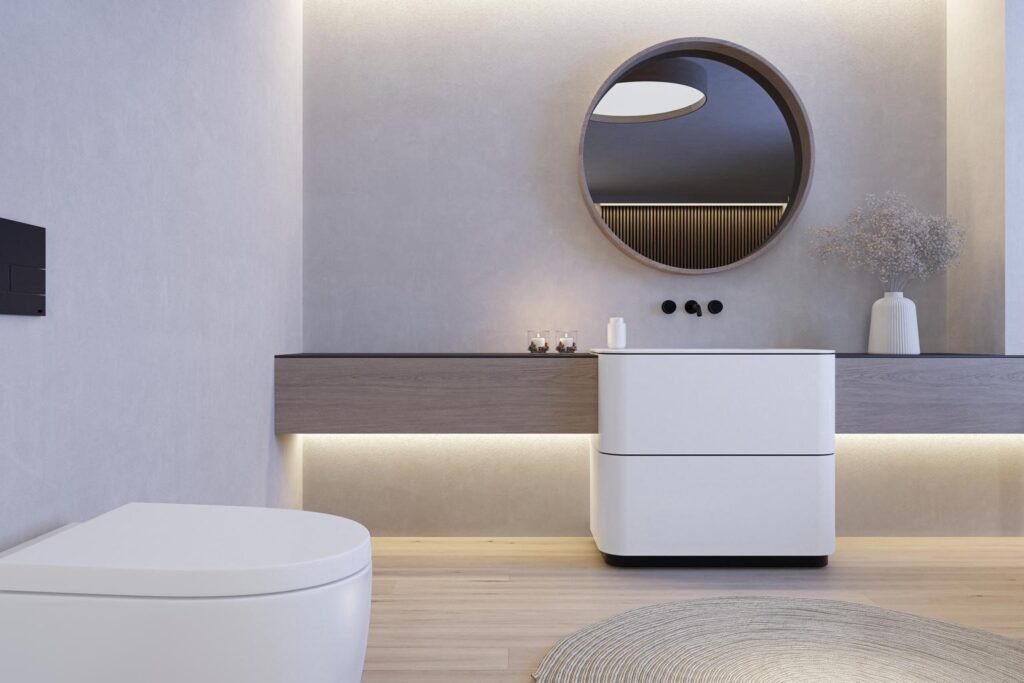
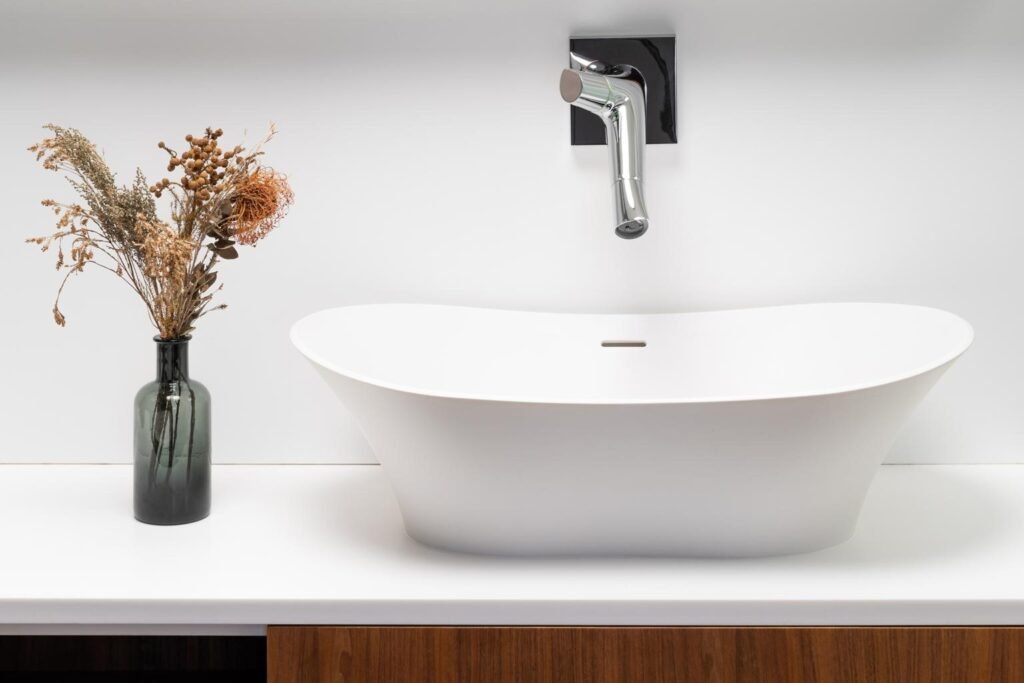
Furniture and fixtures in a Japandi bathroom should be simple, functional, and well-made. Floating vanities are a popular choice because they create a sense of space and keep the design light and clean. Natural wood finishes are often used to add warmth.
Sinks and basins usually have a minimalist design, with smooth shapes and no unnecessary details. The focus is on usability and simplicity.
Fixtures in matte black or brushed metal can add a modern touch while still fitting into the overall neutral palette. Natural finishes are also common, depending on the look you want to achieve.
Functionality should always come first. Each piece should serve a purpose and contribute to the overall harmony of the space.
Tile Styles That Work Best in Japandi Bathrooms
Tiles in a Japandi bathroom are chosen for their simplicity and clean appearance. Large-format tiles are often used because they create a seamless look with fewer grout lines. This helps the space feel more open and less busy.
Vertical stacked tiles, sometimes called kit kat tiles, are another popular option. They add subtle texture without being too bold, making them a good fit for this style.
Stone-look tiles and textured finishes can also bring depth to the design. These options mimic natural materials while still being practical for everyday use.
Keeping grout lines minimal is important, as it helps maintain a clean and uncluttered look throughout the bathroom.
Lighting Ideas to Create a Soft and Relaxing Atmosphere
Lighting plays a major role in setting the mood of a Japandi bathroom. Natural light is always preferred, as it enhances the soft colors and natural materials used in the space.
When artificial lighting is needed, warm tones are a better choice than harsh white lights. Warm lighting creates a more relaxing and comfortable atmosphere, similar to a spa.
Layered lighting can also be effective. Ceiling lights provide general illumination, while wall lights and accent lighting add depth and highlight specific areas.
Simple and sculptural light fixtures work best, as they match the clean and minimal style of the space.
Minimal Decor and Accessories That Enhance the Space
Decor in a Japandi bathroom should be minimal and meaningful. Instead of filling the space with many items, a few carefully chosen pieces can have a stronger impact.
Organic shapes and handmade elements, such as ceramic vases, can add character without disrupting the simplicity of the design. Greenery, like a small plant or a single branch, brings life and freshness into the space.
Textiles such as towels should be made from natural materials like linen or cotton. These materials not only look good but also feel comfortable and high quality.
The key is to keep everything purposeful. Each item should add value to the space, either visually or functionally.
How to Achieve a Spa-Like Feel in a Japandi Bathroom
A Japandi bathroom is often designed to feel like a personal spa. This starts with the idea of slowing down and enjoying daily routines, especially bathing.
Creating a calm sensory experience is important. Soft lighting, natural textures, and a quiet environment all contribute to a relaxing atmosphere.
Small details like subtle scents, soft towels, and gentle sounds can enhance the experience. These elements help turn the bathroom into a place where you can truly unwind.
Keeping the space uncluttered is essential. A clean and simple environment allows you to focus on relaxation without distractions.
Common Mistakes to Avoid in Japandi Bathroom Design
One common mistake is adding too many decorative items. This goes against the principle of minimalism and can make the space feel crowded.
Using colors that are too cold or harsh is another issue. While neutral tones are important, they should still feel warm and inviting.
Ignoring functionality can also reduce the effectiveness of the design. A Japandi bathroom should not only look good but also work well for everyday use.
Finally, mixing too many different styles can disrupt the balance. Staying consistent with the Japandi approach helps maintain harmony and simplicity.
Conclusion
A Japandi bathroom is more than just a design trend. It is a way of creating a space that feels calm, balanced, and meaningful. By combining the simplicity of Japanese design with the warmth of Scandinavian style, it offers a unique approach to modern living.
The focus on natural materials, neutral colors, and intentional choices makes this style both timeless and practical. It encourages you to slow down and enjoy everyday moments in a peaceful environment.
By keeping your design simple, choosing quality over quantity, and focusing on comfort and function, you can create a Japandi bathroom that truly feels like a personal retreat.
FAQs
What Is A Japandi Bathroom?
A Japandi bathroom is a design style that combines Japanese minimalism with Scandinavian warmth to create a calm and functional space.
What Colors Are Used In A Japandi Bathroom?
Soft, neutral colors like beige, white, gray, and taupe are commonly used, often paired with subtle dark accents.
Is Japandi Style Suitable For Small Bathrooms?
Yes, Japandi design works very well in small bathrooms because it focuses on simplicity, clean lines, and space-saving ideas.
What Materials Are Best For A Japandi Bathroom?
Natural materials like wood, stone, bamboo, and ceramic are ideal for creating a warm and organic feel.
How Can I Make My Bathroom Look More Japandi?
Keep the space minimal, use natural tones, add wooden elements, and avoid clutter for a clean and relaxing look.
Disclaimer: This article is for general informational and design inspiration purposes only. Design choices, materials, and layouts may vary based on individual preferences, space, and budget. Always consult a professional designer or contractor before making major renovations or structural changes.
Loved Reading This? Discover More Exclusive Stories And Updates At The Styles Magazine!