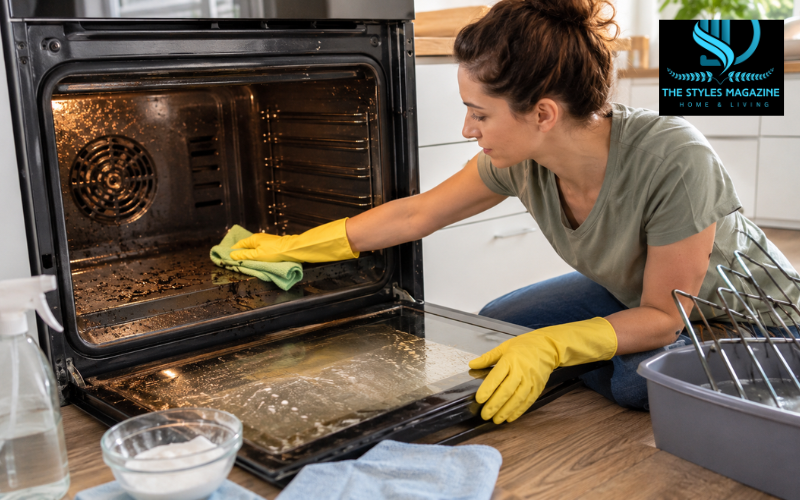
Learning how to clean an oven is simply about removing grease, burnt food, stains, and bad smells from the inside of your oven without damaging it. An oven handles heat, oil, spills, cheese drips, sauces, crumbs, and food splatter. Over time, these small messes can turn into sticky grease, dark stains, smoke, and stubborn burnt-on marks.
A clean oven is not only about appearance. It also helps your kitchen smell fresher and keeps old food residue from smoking the next time you bake. Many people wait too long before cleaning the oven because the job looks difficult, but it becomes much easier when you choose the right method.
There are a few safe ways to clean an oven. You can use a natural baking soda paste, a commercial oven cleaner, a quick wipe-down method, or gentle steam for light messes. The best oven cleaner depends on how dirty the oven is. For normal grease, baking soda works well. For heavy burnt-on buildup, a commercial cleaner may be more effective. If you want to know how to clean an oven quickly, the best method is usually to remove loose crumbs, soften fresh spills, and wipe the surface before stains become hard.
The main goal is to clean the oven safely. That means avoiding heating elements, electrical parts, gas vents, fans, and door openings where liquid should not enter. Whether you want to learn how to clean an oven with baking soda, clean the glass door, or remove greasy racks, the safest approach is to work slowly, let the cleaner sit long enough, and rinse everything well before using the oven again.
Quick Guide Table
| Cleaning Need | Best Method | Time Needed | Best For |
| Light grease | Warm soapy water | 10–20 minutes | Fresh spills and small messes |
| Regular cleaning | Baking soda paste | 8–12 hours | Grease, stains, and odor |
| Heavy burnt-on mess | Commercial oven cleaner | 30–60 minutes | Thick grease and tough buildup |
| Oven glass door | Baking soda paste + damp cloth | 20–40 minutes | Cloudy glass and brown marks |
| Oven racks | Hot water soak | 1–3 hours | Sticky racks and baked-on grease |
Why Cleaning Your Oven Matters
Cleaning your oven matters because old food and grease do not stay harmless forever. When spills are heated again and again, they can burn, smoke, and create unpleasant smells. This can affect the taste and smell of your food, especially when baking bread, cakes, pizza, or roasted meals.
A dirty oven can also make cooking less comfortable. Grease marks on the walls and burnt crumbs on the bottom can produce smoke when the oven gets hot. If the oven glass is covered with brown stains, it becomes harder to check food without opening the door. Opening the door too often can let heat escape and may affect cooking results.
Regular cleaning also makes future cleaning easier. Fresh grease is usually simple to wipe away, but old grease can become thick, sticky, and dark. Burnt-on food can turn into a hard crust that takes more effort to remove. By cleaning your oven before the mess becomes too heavy, you save time and reduce the need for strong products.
A clean oven also looks better and feels more pleasant to use. You do not need to deep clean it every week, but light cleaning after spills and deeper cleaning when buildup appears can keep it in good condition.
Things to Do Before Cleaning an Oven
Before you start cleaning, make sure the oven is completely turned off and cool. Never apply cleaner or baking soda paste to a hot oven. Heat can make cleaners smell stronger, dry too quickly, or become unsafe to handle. A cool oven gives you more control and helps protect your hands.
Remove everything from inside the oven. Take out oven racks, trays, thermometers, foil, pizza stones, and any other loose items. These things should be cleaned separately because they block access to the oven walls and bottom. Racks also clean better when they are soaked outside the oven.
Next, remove loose crumbs and burnt pieces from the oven floor. You can use a damp paper towel, a small brush, or a handheld vacuum if the oven is dry and cool. This simple step makes the rest of the cleaning process easier because loose debris will not mix with the cleaner and turn into a messy paste.
It is also helpful to place an old towel or newspaper on the floor below the oven door. This protects the floor from drips while you clean. Wear rubber gloves, especially if you are using a commercial cleaner. If the cleaner is strong, open a window or turn on the kitchen exhaust fan before you begin.
Best Oven Cleaning Methods to Choose From
The best method depends on the condition of your oven. If your oven has normal grease, light stains, or everyday buildup, a baking soda paste is a good choice. It is gentle, affordable, and useful for regular home cleaning. It does not work instantly, but it can loosen grease when given enough time.
A commercial oven cleaner is better for heavy buildup, thick grease, or burnt-on stains that have been sitting for months. These cleaners are stronger, so they should be used carefully. Always follow the label, wear gloves, and keep the kitchen well-ventilated. Do not spray them on heating elements, fans, gas openings, or control areas.
For light messes, a quick wipe-down may be enough. If a spill is fresh and the oven has cooled, warm soapy water and a soft cloth can remove it before it hardens. This is one of the easiest ways to keep an oven clean without doing a full deep clean every time.
Steam or warm water can also help soften fresh grease. Some ovens have a steam-clean option, while others can be cleaned with a bowl of warm water placed inside for a short time if the manual allows it. This method is not strong enough for heavy burnt-on grime, but it can make light cleaning easier.
How to Clean an Oven With Baking Soda
If you want a natural method, how to clean an oven with baking soda is one of the most useful approaches. Baking soda helps loosen grease and stains without using harsh chemicals. It is best for regular cleaning, cloudy oven doors, and moderate buildup.
Start by mixing baking soda with a small amount of water until it forms a thick, spreadable paste. The paste should not be too watery because you want it to stay on the oven surfaces. Wear gloves and spread the paste over greasy areas, the oven walls, the bottom surface, and stained spots. Be careful to avoid heating elements, electrical parts, gas vents, fans, and any openings.
Once the paste is applied, close the oven door and let it sit for several hours. For better results, leave it overnight. This waiting time is important because baking soda needs time to break down grease. As it sits, the paste may turn brown, which means it is absorbing dirt and oil.
After enough time has passed, wipe away the dried paste with a damp microfiber cloth. Rinse the cloth often so you are not spreading residue around. If some baking soda remains, spray a small amount of white vinegar on the area. It may foam slightly, helping loosen leftover residue. Wipe again with clean water until the surface feels smooth and residue-free.
How to Clean an Oven Quickly
Sometimes you may need to clean the oven quickly before cooking or after a fresh spill. The fastest way is to deal with light messes before they become hard. First, make sure the oven is cool. Remove loose crumbs from the bottom, then wipe fresh grease or food spills with warm soapy water and a soft cloth.
If the mess is slightly sticky, let a warm damp cloth sit on the spot for a few minutes. This helps soften the grease so it can be wiped away more easily. For small burnt marks, use a non-scratch sponge with a little dish soap. Avoid using too much water, especially near vents, fans, or electrical areas.
A fast-acting commercial cleaner can also help when you need quicker results, but it should be used only where needed. Spray lightly, follow the waiting time on the label, and wipe carefully. Many people make the mistake of wiping cleaner off too soon. If the cleaner does not have enough time to work, the grease may stay stuck.
Quick cleaning is best for light stains, fresh spills, and small greasy patches. It is not the best choice for thick burnt-on buildup. If your oven has heavy carbon marks or months of grease, a longer baking soda treatment or commercial cleaner will usually give better results.
How to Clean an Oven Without Scrubbing Too Much
If you want to know how to clean an oven without scrubbing, the key is patience. Most hard scrubbing happens when grease has not been softened enough. Instead of forcing the dirt off, let the cleaning method do more of the work.
For a natural method, leave baking soda paste on the stains overnight. For a commercial cleaner, follow the label and allow the full recommended sitting time. Giving the cleaner enough time helps loosen grease so it can be wiped away with less effort.
Soaking oven racks separately also reduces scrubbing. Racks often collect baked-on grease, and trying to scrub them dry can take a long time. Soaking them in hot water with dish soap or a dishwasher pod softens the buildup so it wipes off more easily.
You can also use steam or warm water to soften fresh grease. After the grime becomes soft, wipe it with a microfiber cloth or non-scratch sponge. If some spots remain, repeat the process instead of using too much force. Harsh scrubbing can damage surfaces, especially enamel and glass. Metal tools should only be used if the oven surface allows it and you are sure they will not scratch.
How to Clean an Oven Glass Door
The oven glass door often becomes cloudy, brown, or greasy because food splatters hit the glass while cooking. Learning how to clean an oven glass door helps you see inside the oven clearly and makes the whole appliance look cleaner.
A baking soda paste works well on many glass stains. Spread a thin layer over the dirty glass and let it sit for about 15 to 30 minutes. For heavier stains, it may need more time. The paste helps loosen grease without being too harsh.
After waiting, wipe the paste away with a damp cloth. Use a non-scratch sponge for stuck-on spots. Clean around the edges of the glass carefully because grease often collects there. Avoid spraying too much liquid near door vents or openings, especially if the oven door has more than one layer of glass. Liquid can drip between the panels and create streaks that are hard to remove.
Finish by wiping the glass with a clean damp cloth. Then dry it with a soft towel to reduce streaks. If the glass still looks cloudy, repeat the process rather than using harsh scraping. A clean oven door makes it easier to check food without opening the oven again and again.
Cleaning Oven Racks the Easy Way
Oven racks should be removed before cleaning the inside of the oven. This gives you more space to work and allows the racks to soak properly. Racks usually collect grease, sauce, crumbs, and burnt food, so soaking is much easier than dry scrubbing.
Place the racks in a bathtub, laundry sink, or large plastic bin. Fill it with hot water and add dish soap or a dishwasher pod. Let the racks soak for at least one hour. If the grease is heavy, soaking them longer can help.
Once the grease has softened, scrub the racks gently with a scouring pad or brush. Most of the buildup should come off more easily after soaking. Rinse the racks well with clean water so no soap or cleaner remains.
Dry the racks completely before putting them back into the oven. Wet racks can drip water into the oven and may leave marks. Also, check your oven manual if you are unsure whether your racks have a special coating, because some racks need gentler cleaning.
Using a Commercial Oven Cleaner Safely
A commercial cleaner can be helpful when the oven has heavy grease, thick stains, or burnt-on food that baking soda cannot remove easily. The best oven cleaner for your home depends on the type of oven, the level of buildup, and the instructions in your oven manual.
Before using a commercial cleaner, open windows and turn on the kitchen exhaust fan. Wear gloves and eye protection if the label recommends it. Strong cleaners can irritate skin, eyes, or breathing, so safety should come first.
Spray the cleaner on the dirty interior surfaces, but avoid heating elements, fans, gas openings, lights, and control areas. Do not spray directly into vents or electrical parts. Start with a controlled amount rather than soaking the oven with too much product.
Close the oven door and let the cleaner sit for the time listed on the label. This waiting period helps break down grease. After that, wipe the oven with a damp cloth. Rinse the cloth often and wipe the oven several times until all cleaner residue is removed. This step is very important because leftover cleaner can create smoke or smells when the oven is used again.
How to Clean an Oven With Heat
Some people search for how to clean an oven with heat because heat can help soften grease. Gentle warmth may make fresh stains easier to remove, but cleaning an oven while it is hot is not safe. The oven should never be extremely hot when you apply cleaner or touch the surfaces.
Warm water, steam, or mild heat can help loosen light grease if your oven manual allows it. Some ovens have a steam-clean feature that uses lower heat and water to soften spills. This can be useful for light messes, but it is not always enough for old burnt-on stains.
High-heat self-cleaning cycles should be used carefully. These cycles reach very high temperatures to burn away residue. While they can work in some ovens, they may also create strong smells, smoke, or stress on older appliances. In some cases, extreme heat can affect electrical parts or sensitive components. If your oven is older, heavily dirty, or has had repair issues, a manual cleaning method may be safer.
Always let the oven cool before wiping or applying any cleaner. Heat can make cleaning products react badly or dry too fast. Safety should always matter more than speed.
Whirlpool Oven Cleaning Tips
If you are looking for how to clean an oven Whirlpool, the safest first step is to check the user manual for your exact model. Whirlpool ovens may have different features, such as standard cleaning, steam clean, or self-clean options. The correct method can depend on the model and surface type.
Remove the racks before any deep-cleaning method unless the manual says they can stay inside. Many oven racks can discolor or become harder to slide if left inside during high-heat cleaning. Also remove trays, liners, foil, and loose items before cleaning.
Avoid spraying cleaner near the control panel, vents, heating elements, fans, or gas openings. If your Whirlpool oven has a steam-clean feature, follow the manual for how much water to use and how long the cycle should run. If it has a self-clean option, read the warnings first and make sure the kitchen is well-ventilated.
For everyday cleaning, a damp cloth, mild dish soap, or baking soda paste can help with light grease. For heavy buildup, use only cleaners that are safe for your oven type. Model-specific instructions are always better than guessing because ovens are not all made the same way.
Common Oven Cleaning Mistakes to Avoid
One common mistake is cleaning the oven while it is still hot. This can burn your hands and may make cleaners unsafe to use. Always wait until the oven is completely cool before starting.
Another mistake is spraying cleaner on heating elements, gas vents, fans, or electrical areas. These parts are not meant to be soaked. Too much water or cleaner near these areas can cause problems or leave strong smells when the oven is turned on.
Many people also forget to rinse properly. Whether you use baking soda or a commercial cleaner, residue must be removed before cooking again. Baking soda left behind can dry into a white film, while chemical cleaner residue can smoke or smell during heating.
Using sharp tools carelessly is another problem. A razor scraper may remove hard grime from some surfaces, but it can scratch glass or enamel if used incorrectly. If you are unsure, use a non-scratch sponge instead.
Skipping ventilation is also risky when using strong cleaners. Open a window, use the exhaust fan, and avoid breathing in strong fumes. Simple safety steps make oven cleaning much easier and safer.
Helpful Visual Guidance for Beginners
If you are cleaning an oven for the first time, visual guidance can be useful. Some people search for how to clean an oven YouTube because they want to see each step before trying it themselves. A video can help show how thick baking soda paste should be, how to wipe the glass door, or how to remove oven racks.
However, it is important not to follow a video blindly. Always compare visual instructions with your oven manual, especially if your oven has special coatings, steam-clean features, self-clean options, or gas parts. What works for one oven may not be safe for another.
Use videos as a guide for basic steps, but keep safety first. Avoid spraying liquids into vents, do not cover heating elements with paste, and never clean while the oven is hot. A careful approach is better than copying a shortcut that could damage your oven.
Conclusion
Knowing how to clean an oven becomes much easier when you choose the right method for the mess. For normal grease and regular cleaning, baking soda paste is a gentle and useful option. For heavy buildup and burnt-on stains, a commercial oven cleaner may work better when used safely and according to the label.
The best results usually come from preparation, patience, and proper rinsing. Remove racks, clear loose crumbs, protect nearby surfaces, and let the cleaner sit long enough to soften grease. Clean the glass door carefully, soak the racks separately, and avoid heating elements, gas vents, fans, and electrical parts.
Whether you want to clean an oven quickly, clean it without too much scrubbing, or refresh the glass door, the safest method is to work gently and rinse thoroughly before using the oven again. Regular light cleaning can prevent heavy buildup and make every deep clean easier in the future. A clean oven looks better, smells fresher, and helps make cooking more pleasant.
FAQs
How Often Should I Clean My Oven?
You should lightly clean your oven after spills and deep clean it every few months. If you bake or roast often, cleaning it more regularly helps prevent smoke and grease buildup.
What Is The Best Way To Clean An Oven Naturally?
The best natural method is baking soda paste. Spread it on greasy areas, let it sit overnight, then wipe it away with a damp cloth and use vinegar for leftover residue.
Can I Clean An Oven Quickly?
Yes, you can clean light oven messes quickly with warm soapy water or a fast-acting cleaner. Heavy burnt-on grease usually needs more time to soften before wiping.
How Do I Clean An Oven Glass Door?
Use baking soda paste on the glass, let it sit, then wipe with a damp cloth or non-scratch sponge. Avoid spraying liquid into door vents or between glass panels.
Is It Safe To Use A Commercial Oven Cleaner?
Yes, if used correctly. Open windows, wear gloves, follow the product label, and avoid spraying heating elements, fans, gas vents, or electrical parts.
Enjoyed it? Find more exclusive content on The Styles Magazine.
Disclaimer: This article is for general home-cleaning information only. Always check your oven’s user manual before using any cleaner, steam-clean feature, or self-cleaning cycle. Follow product safety labels and avoid cleaning electrical parts, heating elements, gas vents, and control panels.