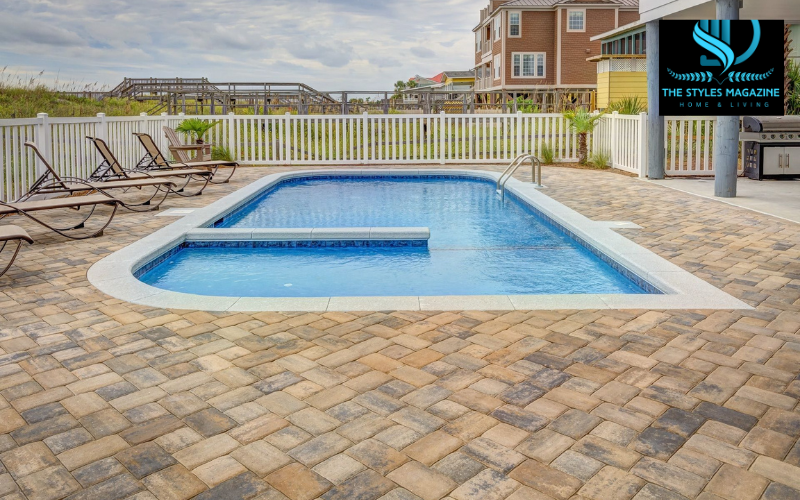
Building a swimming pool is a major investment, and the final cost can sometimes be very different from the amount originally planned. Small design changes, unexpected ground conditions, material upgrades, and delays can quickly add to the bill. A clear budget and careful planning are important if you want the project to stay financially manageable.
A pool should not be treated as a simple excavation and installation job. It involves design, structural work, waterproofing, plumbing, electrical systems, finishes, equipment, landscaping, and ongoing considerations such as maintenance. Understanding where costs can increase helps homeowners make better decisions before construction begins.
Set A Realistic Pool Construction Budget
The first step is to establish a realistic budget based on the complete project rather than the pool shell alone. Ask contractors to provide a detailed estimate covering excavation, structural construction, waterproofing, tiles or other finishes, filtration equipment, pumps, lighting, electrical work, plumbing, and labor.
It is also wise to keep a contingency amount aside. Even with good planning, construction projects can uncover issues that were not visible during the initial assessment. Setting aside around 10% to 15% of the planned construction budget can provide some protection against unexpected expenses.
A low initial quote may look attractive, but it does not always represent the final cost. Compare estimates carefully and check what is included and excluded from each proposal.
Finalize The Design Before Construction
Changing the pool design after construction has started is one of the easiest ways to increase costs. Moving the pool, changing its dimensions, adding steps, modifying the depth, or introducing new features can require additional labor and materials.
Before work begins, finalize the pool’s size, shape, depth, circulation system, finishes, lighting, and surrounding features. If you are working with a swimming pool construction company in dubai, discuss your preferred design and budget in detail during the planning stage.
A simple design is not necessarily a boring one. A well-planned rectangular pool, for example, can be practical, attractive, and easier to construct than a highly customized design with complicated curves and structural requirements.
Understand Site Conditions Before Digging
Ground conditions can have a significant effect on construction costs. Excavation may become more complicated if the site contains hard rock, unstable soil, buried debris, or existing underground services.
A proper site assessment before construction can help identify potential problems. The contractor should understand access restrictions, soil conditions, drainage requirements, and the location of existing utilities.
This information should be considered when preparing the initial estimate. Ignoring site conditions and hoping everything will be straightforward can leave homeowners facing unexpected expenses once excavation starts.
Choose Materials Based On Long-Term Value
Materials should be selected according to both quality and budget. Choosing the cheapest available option may reduce the initial cost, but it can sometimes lead to higher maintenance or replacement expenses later.
At the same time, premium materials are not always necessary for every part of the project. The goal should be to choose products that offer a sensible balance between durability, appearance, performance, and price.
For example, pool tiles, pumps, filtration systems, lighting, waterproofing products, and coping materials should be compared based on their expected lifespan and maintenance requirements. Ask for product specifications and warranties before making major purchasing decisions.
Avoid Unplanned Feature Additions
Waterfalls, fountains, heating systems, automated covers, underwater lighting, infinity edges, spas, and smart controls can make a pool more appealing. However, each additional feature adds materials, installation work, equipment, and sometimes higher operating costs.
This does not mean these features should be avoided. Instead, decide which ones genuinely matter before construction begins.
Create a priority list. Essential elements should come first, while optional features can be considered only if they fit comfortably within the budget. If funds are limited, some decorative additions can potentially be installed at a later stage without changing the main pool structure.
Get A Detailed Written Contract
A written contract can prevent many disagreements about costs. It should clearly explain the scope of work, materials, payment schedule, estimated completion period, warranties, and procedures for handling changes.
Pay close attention to exclusions. A quotation may cover pool construction but leave out landscaping, electrical upgrades, drainage, permits, fencing, or certain equipment. These costs can become unexpected additions if they are not discussed beforehand.
Also establish how additional work will be approved. Ideally, any change that affects the price should be documented and agreed upon before the work begins.
Monitor Progress And Expenses
A budget can only be controlled if expenses are monitored throughout the project. Keep records of payments, approved changes, material purchases, and additional work.
Regular communication with the contractor can also help identify potential cost problems early. If a construction issue appears, ask what caused it, how it will affect the schedule, and whether there are alternative solutions.
Avoid making informal decisions on site without understanding the financial impact. A seemingly small request can sometimes require additional structural, plumbing, electrical, or finishing work.
Plan For Equipment And Running Costs
The construction budget should not focus only on the visible parts of the pool. Pumps, filters, chlorination systems, heaters, automation equipment, and lighting can represent a considerable part of the investment.
Consider operating costs as well. An inexpensive system that consumes more electricity or requires frequent maintenance may cost more over time than a slightly more efficient alternative.
Discuss equipment sizing with the contractor. Oversized or unsuitable equipment can increase both purchase and operating costs without providing meaningful benefits.
Work With An Experienced Contractor
The contractor you choose can have a major influence on the final cost. Experience matters because good planning can reduce mistakes, rework, material waste, and construction delays.
When comparing contractors, look beyond the lowest quotation. Review previous projects, ask about their construction process, and make sure they provide a clear breakdown of costs.
For homeowners considering professional pool construction, Taj Mahal LLC is one example of a company that can be researched alongside other contractors before making a final decision. The important thing is to compare experience, scope, communication, pricing, and project terms rather than choosing solely on price.
Conclusion
Avoiding a swimming pool construction budget overrun starts well before excavation begins. A realistic budget, finalized design, proper site assessment, carefully selected materials, and a detailed contract can reduce many common financial surprises.
It is also important to maintain communication throughout construction and approve any changes with a clear understanding of their cost. A swimming pool is a long-term investment, so focusing only on the lowest initial price may not be the best approach. Careful planning and informed decisions can help keep the project within budget while still delivering a pool that meets the homeowner’s needs.
Enjoyed it? Find more exclusive content on The Styles Magazine.