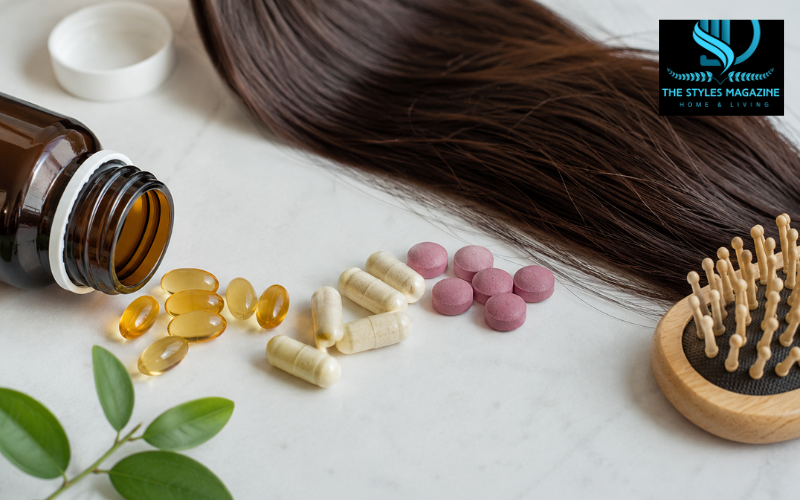
Hair growth supplements are everywhere, but not every formula is created with the same ingredients or level of evidence. Vitamins and minerals play important roles in normal hair follicle function, yet taking more of a particular nutrient does not necessarily mean faster or thicker hair. The most useful approach is understanding which nutrients support healthy hair, identifying potential deficiencies, and choosing supplements with thoughtfully selected ingredients.
Hair thinning can have many causes, including genetics, aging, stress, hormonal changes, certain medications, and nutritional deficiencies. Because of this, supplements are best viewed as one part of a broader hair wellness strategy rather than a universal solution for hair loss.
Vitamins and Nutrients Dermatologists Commonly Recommend
When discussing dermatologist recommended vitamins for hair growth, several nutrients frequently receive attention because of their roles in normal hair and follicle health.
Biotin is perhaps the most recognizable. Also known as vitamin B7, biotin helps the body metabolize nutrients and contributes to normal keratin production. However, true biotin deficiency is relatively uncommon, so taking high doses isn’t necessarily beneficial for everyone.
Vitamin D is another nutrient associated with healthy follicle function. Low vitamin D levels have been observed alongside certain forms of hair loss, although supplementation is generally most relevant when a deficiency is present.
Iron also deserves attention because insufficient iron stores can contribute to excessive shedding, particularly in people who are deficient. Zinc supports normal cell growth and repair and may also influence hair health when dietary intake is inadequate.
Other formulas may contain ingredients such as selenium, vitamin C, vitamin E, amino acids, or botanical extracts. Consumers researching the best hair growth supplements for men may also encounter ingredients such as saw palmetto, which is commonly included in men’s formulas because of interest in its potential relationship with pathways involved in androgen-related hair thinning.
The key is understanding that supplementation is most likely to help when it addresses a genuine nutritional need. Persistent or sudden hair loss should be evaluated by a healthcare professional to determine whether another underlying cause may be involved.
How to Choose a Hair Growth Supplement With Science-Backed Ingredients
A long ingredient list doesn’t automatically make a supplement more effective. Instead, look for formulas that clearly identify their ingredients and amounts while avoiding the assumption that extremely high doses will produce better results.
Quality hair growth supplements typically combine multiple nutrients associated with normal hair health rather than depending entirely on one heavily marketed ingredient. Reviewing the formula can help you determine whether it contains nutrients that complement your diet and individual needs.
It’s also worth considering whether the product has been developed using evidence-based ingredient choices and appropriate dosages. Supplements should fit into a broader routine that includes sufficient protein, fruits and vegetables, healthy fats, regular sleep, and stress management.
Patience is equally important. Hair grows in cycles, meaning visible changes rarely occur within a few days or weeks. Depending on the cause of thinning and the individual’s hair cycle, it can take several months before noticeable improvements in shedding, thickness, or overall appearance emerge.
Avoid frequently switching supplements simply because immediate changes aren’t visible. Consistency makes it easier to assess whether a particular routine is supporting your hair over time.
Final Thoughts
The nutrients that matter most for hair growth aren’t necessarily the ones with the biggest marketing claims. Biotin, vitamin D, iron, zinc, and other nutrients all contribute to normal biological processes involved in healthy hair, but supplementation is most useful when it addresses an actual need. Choosing formulas with transparent, science-informed ingredients—and maintaining realistic expectations about results—can make supplements a more meaningful part of a comprehensive hair wellness routine.
Enjoyed it? Find more exclusive content on The Styles Magazine.