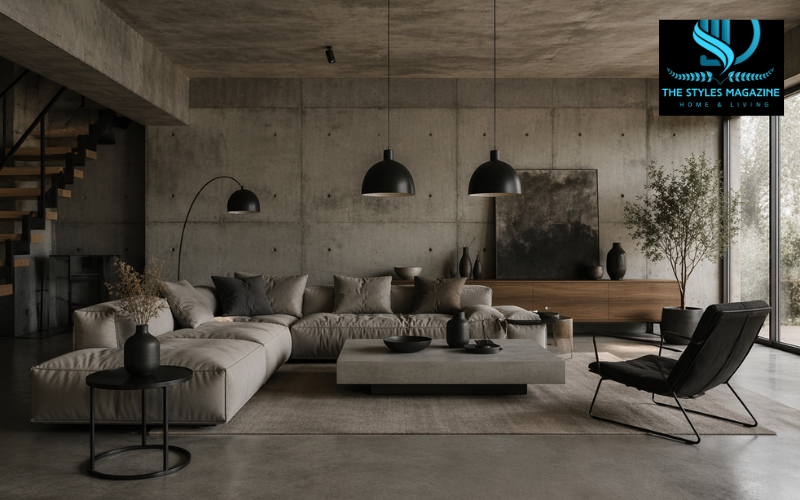
Brutalist interior design is a bold and distinctive style that celebrates raw materials, simple forms, and honest construction. Instead of hiding structure behind decorative finishes, this design approach puts everything on display. Concrete walls, exposed beams, and clean, strong lines become the main visual elements of a space. The result is a look that feels solid, grounded, and unapologetically real.
This style comes from brutalist architecture, which became popular after World War II. During that time, architects focused on rebuilding cities quickly and efficiently, using materials like concrete that were both practical and affordable. Over time, this architectural movement influenced interior design, bringing the same raw and functional ideas inside homes.
Today, brutalist interior design is experiencing a strong comeback. Many people are moving away from overly decorated spaces and are drawn to simple, honest environments that feel calm and meaningful. At the same time, a softer version of the style has emerged. Known as soft brutalism interior design, it blends the strength of raw materials with warmth, light, and comfort, making it more suitable for modern living.
Brutalist Interior Design Basics
| Element | What It Means |
| Core Material | Exposed concrete, steel, brick |
| Style Focus | Raw, unfinished, and honest design |
| Shapes | Bold, geometric, and block-like forms |
| Color Palette | Grey, black, white, earthy tones |
| Furniture Style | Chunky, low-profile, functional |
| Modern Twist | Soft brutalism (adds warmth & comfort) |
| Best For | Minimal, modern, and industrial-style homes |
The Origins of Brutalist Interior Design and Its Architectural Roots
To understand brutalist interior design, it helps to look at its origins in brutalist architecture. The term “brutalism” comes from the French phrase béton brut, which means raw concrete. Architects in the mid-20th century used this material in its natural form, without covering or polishing it.
After World War II, many countries needed to rebuild quickly. Architects focused on designs that were practical, strong, and cost-effective. Concrete became the material of choice because it was easy to shape and widely available. Buildings were designed with simple, bold forms and minimal decoration, reflecting a new way of thinking about space and structure.
The philosophy behind this movement was based on honesty. Instead of hiding how a building was made, brutalist design showed everything openly. Pipes, beams, and surfaces were left visible. This same idea carried into interiors, where the focus shifted from decoration to structure, material, and form.
Key Characteristics of Brutalist Interior Design
Brutalist interior design characteristics are easy to recognize once you know what to look for. The most noticeable feature is the use of raw materials and unfinished textures. Walls may be made of exposed concrete, and surfaces often show natural imperfections, which add character rather than being seen as flaws.
Another defining trait is the use of heavy, geometric, and monolithic forms. Furniture and architectural elements often appear solid and block-like, creating a strong visual presence. These shapes are not delicate or decorative; they are bold and purposeful.
The color palette in brutalist interiors is usually neutral and monochromatic. Shades of grey dominate, often paired with black, white, and earthy tones. This limited palette keeps the focus on texture and form rather than color.
Structural honesty is also a key element. Instead of hiding pipes, beams, or ventilation systems, these features are often left exposed. This creates a sense of openness and authenticity. At the same time, decoration is kept to a minimum. The beauty of the space comes from the materials and structure themselves, not from added details.
Materials That Define Brutalist Interior Spaces
Materials play a central role in brutalist interior design. Concrete, often referred to as béton brut, is the most important element. It is used for walls, floors, and even furniture. Its natural texture and grey color give spaces a strong and grounded feel.
Steel and glass are also commonly used. Steel adds an industrial edge and strength, while glass helps balance the heaviness of concrete by bringing in light and openness. Brick is another material that fits well within this style, especially when left exposed.
In modern interpretations, unfinished wood is often introduced to soften the look. Light-toned wood can add warmth and contrast without taking away from the raw aesthetic. The focus remains on texture, with each material contributing to the overall feel of the space.
Rather than covering surfaces with paint or decoration, brutalist design highlights the natural qualities of materials. This creates a space that feels honest, tactile, and visually interesting without being overwhelming.
Brutalist Interior Design Furniture: Form, Function, and Presence
Brutalist interior design furniture follows the same principles as the architecture itself. Pieces are often chunky, sculptural, and simple in form. Instead of ornate details, the focus is on shape, material, and function.
Brutalist furniture tends to have a strong presence in a room. Sofas may be low and wide, while tables often have thick, solid bases. These pieces are designed to feel stable and grounded, echoing the heavy forms of the surrounding space.
Materials used in brutalist furniture include concrete, metal, stone, and wood. Each piece is built to last and is often designed with practicality in mind. Comfort is still important, but it is achieved through simple shapes rather than soft, decorative features.
Furniture in this style does not compete with the architecture. Instead, it complements it. The goal is to create a unified look where every element feels connected, resulting in a calm and balanced environment.
Soft Brutalism Interior Design: Making the Style More Livable
While traditional brutalism can feel cold or harsh, soft brutalism interior design offers a more welcoming approach. This modern version keeps the core elements of the style but introduces warmth and comfort.
Soft brutalism focuses on balance. Raw materials like concrete are still used, but they are paired with softer elements such as textiles, wood, and natural light. This creates a space that feels both strong and inviting.
Warm tones and fabrics can help soften the overall look. Cushions, rugs, and curtains add comfort without taking away from the minimalist feel. Natural light also plays a key role. Large windows or open layouts allow sunlight to highlight textures and create a more dynamic atmosphere.
Plants are another important feature in soft brutalism. Greenery adds life and contrast to the space, making it feel more relaxed and natural. This combination of hard and soft elements makes the style more suitable for everyday living.
Brutalist Interior Design in Different Spaces
Brutalist interior design can be adapted to different areas of the home, each with its own unique approach.
Brutalist Interior Design Living Room Ideas
In living rooms, the focus is often on open layouts and strong focal points. A concrete wall or a large, sculptural sofa can define the space. Soft furnishings, such as neutral-toned cushions or rugs, help balance the hardness of the materials. The result is a room that feels both bold and comfortable.
Brutalist Interior Design Bedroom Concepts
Bedrooms in this style are calm and minimal. The use of simple materials and muted colors creates a peaceful atmosphere. A balance between raw textures and soft elements, like bedding and lighting, ensures that the space remains relaxing while still maintaining its brutalist identity.
Brutalist Interior Design Exterior Influence
Brutalist design often extends beyond the interior. The exterior of a home may feature the same concrete surfaces and geometric forms, creating a seamless connection between inside and outside. Large openings or windows help blend these spaces, making the transition feel natural and cohesive.
Industrial Brutalist Interior Design: Where Two Styles Meet
Industrial brutalist interior design combines elements from both industrial and brutalist styles. Both share a love for raw materials and exposed structures, making them naturally compatible.
However, there are subtle differences. Industrial design often feels more mechanical and urban, with a focus on metal, pipes, and factory-inspired details. Brutalism, on the other hand, leans more toward solid forms and concrete surfaces, creating a heavier and more grounded look.
When combined, these styles can create a balanced and interesting space. Concrete walls can be paired with metal fixtures, while open layouts and simple furniture keep the design clean and functional. The key is to maintain harmony between the two styles without letting one overpower the other.
Brutalist Interior Design Examples That Inspire Modern Homes
Modern homes are finding new ways to use brutalist interior design. Some spaces feature full concrete interiors, while others use smaller elements, such as a single wall or statement furniture piece, to bring in the style.
Designers today often reinterpret brutalism to suit modern needs. They combine raw materials with lighter tones, softer textures, and open layouts. This creates spaces that feel contemporary while still honoring the original principles of the style.
These examples show that brutalist design is not limited to one approach. It can be adapted in many ways, making it suitable for different tastes and lifestyles.
How to Use Brutalist Interior Design Ideas Without Overdoing It
For those new to brutalist interior design, it is important to start with balance. Introducing one or two key elements, such as a concrete wall or a piece of brutalist furniture, can be enough to create the desired effect.
Mixing raw materials with softer elements helps prevent the space from feeling too cold or heavy. Light, greenery, and textiles can make a big difference in how the space feels.
It is also important to avoid overloading the room with too many heavy features. Keeping the design simple and focused ensures that each element stands out. The goal is to create a space that feels strong but still comfortable and livable.
Best Resources to Explore Brutalist Interior Design
For those interested in learning more, there are many resources available. Books on brutalist interior design provide deeper insight into its history, philosophy, and application. They often include real-life examples that can inspire new ideas.
Online platforms like Pinterest are also useful for visual inspiration. Searching for brutalist interior design can reveal a wide range of styles, from traditional to modern interpretations. These images can help you understand how the style works in different settings.
Exploring real-world spaces, whether through photos or visits, can also provide valuable inspiration. Seeing how designers use materials and forms in practice makes it easier to apply these ideas in your own home.
Why Brutalist Interior Design Is Gaining Popularity Again
Brutalist interior design is becoming popular again because people are looking for authenticity. In a world filled with fast trends and mass production, this style offers something real and lasting.
Its focus on raw materials and simple forms fits well with modern minimal living. Many people prefer spaces that feel calm, uncluttered, and meaningful. Brutalism provides this by removing unnecessary decoration and focusing on what truly matters.
Social media has also played a role in its return. Platforms like Pinterest and Instagram have made it easier for people to discover and share unique design styles. As more people explore these ideas, brutalist design continues to gain attention and appreciation.
Conclusion: The Lasting Appeal of Brutalist Interior Design
Brutalist interior design stands out for its honesty, strength, and simplicity. It celebrates raw materials and clear forms, creating spaces that feel grounded and authentic. While it may seem bold at first, its principles are deeply rooted in practicality and purpose.
With the rise of soft brutalism, the style has become more adaptable and welcoming. By balancing hard and soft elements, it offers a way to create interiors that are both striking and comfortable.
In the end, brutalist interior design is not just about how a space looks, but how it feels. It reminds us that beauty can be found in simplicity, and that strong, honest design can create lasting impact.
FAQs
What Is Brutalist Interior Design In Simple Terms?
Brutalist interior design is a style that focuses on raw materials, simple shapes, and exposed structures. It avoids decoration and highlights the natural beauty of concrete, metal, and clean, bold forms.
Is Brutalist Interior Design Suitable For Homes?
Yes, modern versions like soft brutalism make it more comfortable for homes. By adding wood, textiles, and light, the style becomes warm and livable while keeping its strong and minimal look.
What Colors Are Used In Brutalist Interior Design?
This style mainly uses neutral colors like grey, black, white, and earthy tones. These colors help highlight textures and shapes instead of relying on bright or decorative elements.
How Is Brutalist Design Different From Industrial Design?
Both use raw materials, but brutalist design focuses more on heavy concrete forms and solid shapes, while industrial design leans toward metal, pipes, and a more factory-inspired look.
What Is Soft Brutalism Interior Design?
Soft brutalism is a modern version of brutalist design that adds warmth using wood, fabrics, natural light, and plants, making the space feel more comfortable and suitable for everyday living.
Enjoyed it? Find more exclusive content on The Styles Magazine.
Disclaimer: This content is for informational and educational purposes only. Design choices may vary based on personal preference, space, and budget. Always consider your specific needs before making interior design decisions.