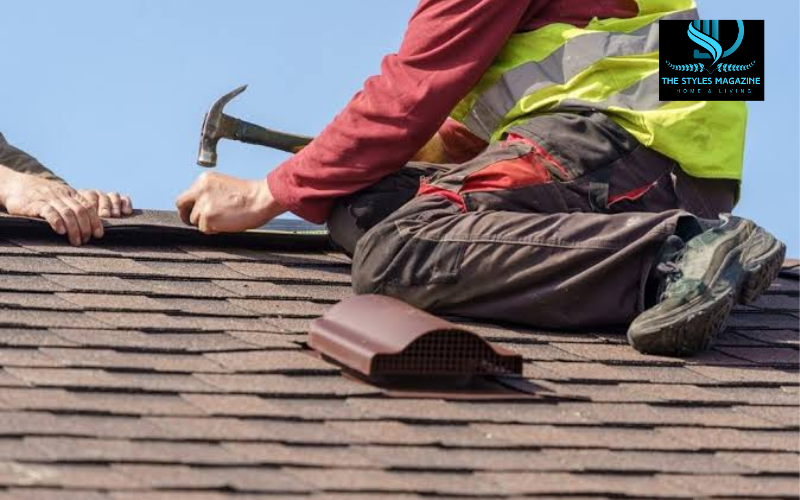
Get a roof wrong and you don’t find out cheaply. A few slipped tiles look like a day’s work; strip the covering back and sometimes the battens, the felt and the edges of the rafters have been quietly going for years. The other mistake is the opposite one: paying for a full re-roof when a proper repair would have given the covering another decade.
We have this conversation on site a lot. Here’s a straight way to decide, the rule of thumb we use, and what each option typically costs in Mansfield in 2026.
Start With the Age and the Covering
Most of the roofs we look at are concrete interlocking tiles, with a fair number of clay tiles on older semis and the odd slate roof on earlier houses. Concrete tiles from the 1970s and 80s are now at the age where the surface weathers, the colour goes, and the felt underneath is often past its best even if the tiles still look serviceable from the pavement.
A rough guide by age, assuming the roof has been reasonably maintained:
- Under 20 years: almost always a repair. A slipped tile, a failed ridge or a leaking flashing is a local job, not a reason to strip the lot.
- 20 to 35 years: it depends on what the survey finds. The tiles may have years left, but the felt, nails and battens may not. You only know once someone has looked properly, including in the loft.
- 35 to 40 years and older: a replacement is often the honest answer, especially if you’ve had more than one leak, the moss is thick, or the ridges are held on with hope and the last lot of mortar.
Age alone isn’t enough. A 40-year-old roof that’s been looked after, with sound timbers and tiles that haven’t started to crumble, can still be worth repairing. A 25-year-old roof that was poorly fitted, or patched after every storm, may not be.
What a Proper Look Should Tell You
Please don’t go up there yourself. From the ground, with binoculars, you can spot slipped or broken tiles, ragged ridges, sagging slopes and gutters that overflow. The rest needs a roofer, and they should be as interested in the loft as in the view from the ladder.
In the loft, we look for daylight, damp staining on the undersides of the felt, rusted nail ends, and any softening of the rafters or sarking. A few stains under a valley or a chimney often point to a local repair. Staining along a whole slope, or felt that’s brittle and torn, points the other way.
From outside, a handful of slipped tiles on an otherwise even roof is a repair. Tiles that are porous, cracked in rows, or have lost their surface, plus ridges that rock when they’re checked, usually mean the covering is tired. If the slope itself has dipped, that’s a structural question, not just a tiling one, and it needs answering before anyone talks about colours or guarantees.
A firm that does roof repairs every week will usually come back with photos and a written recommendation, not a shrug and a price for the most expensive option. If two quotes disagree, compare the photos, not just the totals.
Our Rule of Thumb
On a typical semi or terrace, we tend to think about it like this:
- Local, obvious faults and a sound covering: repair it. Replace the broken tiles, re-bed or dry-fix the ridge, sort the flashing, and clear the valleys. Budget for the access as well as the work.
- Repeated leaks, tired felt, and tiles that are starting to fail across the slope: replace that slope, or the whole roof if both sides are in the same state. Patching a worn covering just moves the next leak a few metres along.
- One bad slope and one decent one: it can be cheaper and more honest to re-cover the bad side and repair the other, as long as the join at the ridge is done properly and you accept the two sides may not match perfectly.
The decision should also include the next five winters, not just this week. If you already know you’ll need to re-roof in two or three years, spending a four-figure sum on a wide repair can be false economy. If you plan to stay put and the covering is basically sound, a well-specified repair is the better spend.
What Local Houses Tend to Need
The 1930s semis around Berry Hill, the postwar estates towards Forest Town and the older streets in Mansfield Woodhouse all behave a little differently. The interwar houses often have hipped roofs with long ridges and valleys, so the joints fail before the tiles do. Postwar concrete tiles are heavy; if a previous re-roof swapped slate or clay for concrete without checking the timbers, that can show as a slight sag years later.
Shared roofs on terraces and semis add a wrinkle. Doing “your half” is normal, but the join with the neighbour has to be watertight against whatever state their covering is in. If the work affects a party wall, you may need to give notice. It’s better to knock on the door early than discover it mid-job.
Frost and the odd heavy downpour are what finish a tired Mansfield roof, more than sheer rainfall. Water that sits in cracked mortar or under moss expands when it freezes, and a ridge that was only slightly loose in October can be on the path in January.
What Repairs and Re-Roofs Cost in Mansfield
Typical 2026 prices for a two-storey house, including labour and materials. Scaffolding is listed separately because it often dwarfs the repair itself.
- Inspection with photos: £75 to £150, often deducted if you go ahead
- A few replacement tiles and a local repair, from a roof ladder: £150 to £450
- Re-bedding or dry-fixing a ridge: £400 to £1,200
- Valley or flashing repairs: £400 to £1,800, depending on length
- Re-covering one slope of a semi: £2,500 to £5,500
- Full re-roof in concrete interlocking tiles, average semi or terrace: £6,000 to £10,000
- Full re-roof in clay tiles or natural slate: £9,000 to £16,000
- Scaffold for a two-storey house: £600 to £1,800, more on a tight terrace or a three-storey house
Those re-roof figures should include the strip, disposal, new membrane, treated battens, the covering, and the junctions at ridges, verges and abutments. Structural repairs found once the roof is open, and any upgrade to insulation, are extras and should be flagged as such. VAT needs to be obvious on the quote, not left as a surprise.
Choosing Who Does the Work
Get at least two written quotes for anything beyond a small repair, and make sure they’re pricing the same job. One firm quoting a repair and another quoting a re-roof isn’t a comparison until you understand why they disagree.
Ask about public liability insurance (we carry it, and you should expect to be shown a certificate), waste carrier registration, and what guarantee you’ll get in writing. A modest deposit of 20 to 30 percent is reasonable on a larger job. A demand for the full amount up front, or a cash-only price that lasts “until tomorrow”, is a reason to walk away.
If the decision is finely balanced, a short written report with photos is worth more than a persuasive conversation on the doorstep.
Not sure whether your roof needs a repair or a full strip? Get in touch with Roof Repairs Mansfield and we’ll look at the covering and the loft and give you a straight recommendation, with the price for each option if both are realistic.
Frequently Asked Questions
How Much Does A Roof Replacement Cost In Mansfield?
A full re-roof on a typical semi or terrace, in concrete interlocking tiles, is usually £6,000 to £10,000 including the strip, new membrane, battens and covering. Clay or slate is more, often £9,000 to £16,000. Scaffolding is extra if it isn’t already in the quote, typically £600 to £1,800.
When Is A Repair No Longer Worth Doing?
If you’ve had more than one leak in a short period, the felt in the loft is brittle or torn along a slope, and the tiles themselves are weathering or cracking in rows, a repair is usually postponing a replacement. Age helps as a guide: once a concrete-tiled roof is into its mid-thirties, we look very hard at the whole covering, not just the last tile that slipped.
Do I Have To Re-roof The Whole House At Once?
Not always. If one slope is worn and the other is sound, re-covering a single side can be a sensible middle path, usually £2,500 to £5,500 on a semi. The ridge and the join with the other slope have to be detailed properly, and the two sides may not match in colour.
Will A New Roof Need Planning Permission?
A like-for-like re-roof on an ordinary house usually doesn’t. Changing the shape, adding a dormer, or working on a listed building is different, and some materials can have building regulations implications because of weight or fire performance. If you’re unsure, ask the roofer to check before you accept the quote.
How Long Does A Re-roof Take?
On a standard semi, the work itself is often three to five days once the scaffold is up, assuming the weather plays fairly and the timbers are in decent shape. The scaffold may be in place a little longer. A single-slope re-cover can be quicker. Anything found once the covering is off should be discussed with you before the job carries on.
Enjoyed it? Find more exclusive content on The Styles Magazine.