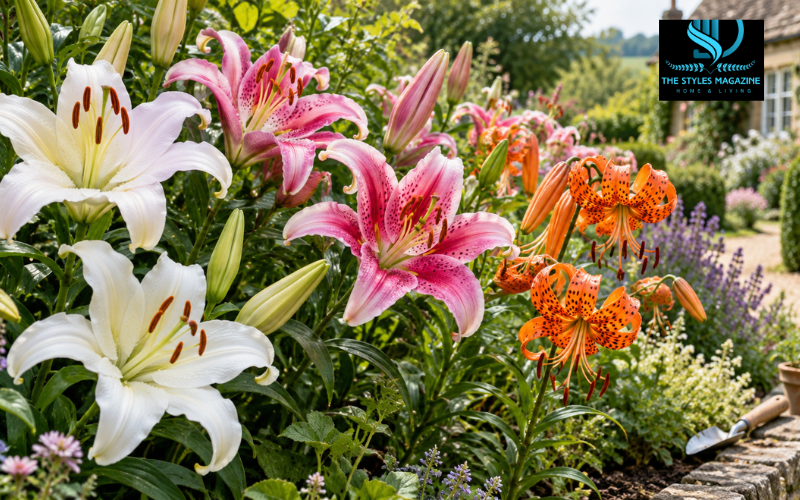
Few summer flowers make quite the impression that lilies do. Their generous blooms rise above the leaves in shades of white, pink, orange, yellow and red, sometimes with beautiful speckles or contrasting edges. Some have a rich perfume that drifts across the garden on a warm evening, while others offer colour without a noticeable scent.
Lilies are perennial plants, which means that suitable varieties can return year after year when their bulbs are given the right conditions. They look equally at home among other border flowers, in a pot on the patio or arranged in a vase. Their long association with love, remembrance and new beginnings also makes them meaningful flowers to give.
Whether you are choosing your first bulbs or trying to improve an existing display, understanding the different varieties and their needs will help you enjoy healthier plants and better flowers.
Quick Answer:
Lilies are perennial flowering plants from the genus Lilium, grown from bulbs and admired for their colourful, often fragrant summer flowers. They are popular in gardens, containers and beautiful cut-flower arrangements.
Quick Guide: Popular Types of Lilies
| Lily Type | Common Colours | Flowering Season (UK) | Fragrance | Best For |
| Asiatic Lilies | Orange, yellow, pink, red | June–July | Usually none | Beginners and pots |
| Oriental Lilies | Pink, white, cream | July–August | Strong | Fragrant gardens and bouquets |
| Trumpet Lilies | White, yellow, pink | July–August | Often strong | Tall garden borders |
| Tiger Lilies | Orange with dark spots | July–August | Little or none | Colourful summer borders |
| Martagon Lilies | Pink, purple, white | June–July | Light or variable | Lightly shaded gardens |
Flowering months are approximate and depend on the variety, weather and growing location.
Quick Steps: How to Grow Lilies Successfully
- Choose healthy bulbs: Select firm lily bulbs without soft spots, mould or serious damage.
- Find a suitable position: Choose sunlight or light partial shade with fertile, well-drained soil.
- Plant at the correct depth: Follow the variety’s instructions, as different lilies need different planting depths.
- Water carefully: Keep the soil reasonably moist during active growth, but avoid waterlogging.
- Care after flowering: Remove faded flower heads and leave green foliage until it dies back naturally.
- Protect your plants: Check regularly for lily beetles, aphids, slugs and signs of disease.
Understanding True Lilies and What Makes Them Special
True lilies belong to the genus Lilium, part of the Liliaceae plant family. They grow from bulbs made up of fleshy, overlapping scales rather than from ordinary roots alone. Each growing season, a bulb sends up a leafy stem with flower buds near the top. After flowering, the stem and leaves gradually die back while the bulb remains underground.
The words “lily” and “lilies” simply mean one flower and more than one. However, not every plant with lily in its name is a true lily. Daylilies belong to Hemerocallis, peace lilies to Spathiphyllum, and calla lilies to Zantedeschia. These are different plants with different growing requirements.
True lily flowers may point upwards, face outwards or hang down. Their petals can spread into open bowls, form long trumpets or curl back dramatically. This variety of shapes, along with their upright growth, makes them distinctive even before you notice their colours.
Popular Types of Lilies and Their Unique Features
There are many kinds of lilies, but a few groups are particularly useful for gardeners to know. They differ in height, flowering time, scent and the conditions they enjoy.
Asiatic lilies are often a sensible first choice. They produce bright flowers in colours such as yellow, orange, pink and red, usually in early summer. Most have little or no fragrance, which can be helpful near seating areas where a strong perfume might feel overwhelming. Many compact varieties also grow well in pots.
Oriental lilies are admired for their large, often heavily scented flowers. They generally bloom later than Asiatics and include the familiar pink-and-white ‘Stargazer’, with its darker markings. They are particularly attractive in borders where their scent can be appreciated, although they usually prefer acidic soil.
Trumpet and Aurelian lilies carry long, trumpet-shaped blooms, often with a strong fragrance. Some grow tall enough to need support in an exposed garden. Tiger lilies (Lilium lancifolium) have nodding orange flowers with dark spots and petals that curve backwards. Martagon lilies have smaller, downward-facing flowers with swept-back petals and suit a woodland-style border with light shade. Each offers a different effect, so it is worth looking beyond flower colour alone.
Beautiful Lily Colours: Pink, White, Orange and More
Colour can completely change the mood of a lily planting. Pink lilies, especially Oriental varieties such as ‘Stargazer’, can bring a soft, romantic feel to a border. Some are pale blush pink; others have deep pink centres, white edges or scattered spots that become more noticeable as the flowers open.
White lilies are popular for their clean, elegant appearance. The Madonna lily (Lilium candidum) is a traditional example, while white Oriental lilies can add a generous flower shape and noticeable fragrance. Against dark green leaves, their flowers are especially striking in the evening light.
Orange lilies create a warmer, livelier display. The speckled tiger lily is easy to recognise, while many Asiatic varieties offer clear orange, golden yellow or rich red flowers. Multicoloured lilies combine two or more shades in a single bloom. For a balanced garden display, choose colours that work with nearby plants rather than buying every shade at once.
Lilies Meaning and Symbolism Behind Their Colours
Lilies have carried symbolic meanings for centuries, although those meanings are not the same everywhere. In different cultural and religious traditions, they may represent purity, hope, renewal, love or remembrance. Their connection with significant occasions helps explain why they appear so often in formal flower arrangements.
White lilies are commonly associated with purity, sympathy and remembrance. Pink lilies may express affection, admiration or appreciation, while orange lilies are sometimes linked with confidence and enthusiasm. These are familiar interpretations rather than fixed rules, and a flower’s meaning can change depending on who gives it and why.
At weddings, lilies can be chosen for their elegance and personal significance. In sympathy arrangements, their gentle colours and traditional associations may offer a thoughtful gesture. For birthdays and celebrations, a colourful lily bouquet can simply be a way of sharing something beautiful. The most meaningful choice is usually one that suits the recipient.
Choosing the Right Lilies for Your Garden
Start with the space you have. A tall trumpet lily can make a lovely feature near the back of a border, but it may overwhelm a narrow bed or a small pot. Shorter Asiatic varieties work well towards the front, while Martagon lilies can bring flowers to a lightly shaded corner.
Think about scent too. Fragrant Oriental lilies are wonderful beside a path where you will pass them regularly, but an unscented Asiatic may be more comfortable beside a small dining terrace. Consider when each variety flowers so you are not left with a single brief display.
Before buying, read the plant label for mature height, preferred soil and flowering period. If your garden has heavy, wet soil, container growing may be easier than trying to force bulbs into an unsuitable border. And if cats use your garden, lily safety needs to be part of your decision.
Best Growing Conditions and When to Plant Lilies
Most lilies flower best in a sunny position or light partial shade. A spot with several hours of sunlight and some protection from strong winds is ideal for many varieties. They often appreciate cooler conditions around their roots, which can be provided by a mulch or low-growing neighbouring plants without crowding the stems.
Good drainage is essential. Bulbs sitting in wet soil for long periods can rot, especially during winter. Loosen compacted ground before planting and add well-rotted organic matter where appropriate. Soil preferences also vary: Oriental lilies generally favour acidic conditions, whereas Asiatic lilies can tolerate more alkaline ground. Martagons often enjoy moisture-retentive, humus-rich soil in light shade, provided it drains well.
In the UK, early autumn is a good time to plant lily bulbs, allowing roots to develop before the next growing season. Spring planting is also possible when bulbs are available. Plant them promptly after purchase, as their fleshy scales should not be left to dry out. Choose firm, healthy bulbs without soft patches or signs of decay.
How to Plant Lily Bulbs Successfully
Prepare the planting area by removing weeds, breaking up compacted soil and checking that excess water can drain away. If the ground stays soggy after rain, consider a raised bed or pot instead. Lily bulbs have a flat base where roots develop and a pointed upper end. Place each bulb with the base down and its growing tip facing upwards.
Planting depth matters, but there is no single depth that suits every lily. Types that form roots mainly below the bulb can be planted at approximately the bulb’s own height beneath the soil surface. Types that also develop roots along the buried stem generally need deeper planting, around two and a half times the bulb’s height. The Madonna lily is an important exception and should sit close to the surface. Follow the guidance supplied for your particular variety if possible.
Allow roughly 15cm between average bulbs, or more for large varieties that need additional room. Cover carefully with soil and water to settle it around the bulb. The ground should be moist, not saturated. Marking the position can prevent accidental digging before the new shoots appear.
Essential Lily Plant Care for Healthy Growth
Once established in the ground, lilies usually need little extra water during a typical British summer. In a long dry spell, however, give them a thorough drink rather than sprinkling the surface every day. Potted plants dry out faster, so check the compost regularly. Water when it begins to dry a few centimetres down, and never leave the pot standing in a tray of water.
A layer of well-rotted compost or leafmould around garden lilies can help hold moisture and keep the soil cooler. Avoid piling mulch directly against young stems. Plants in containers can benefit from a potassium-rich liquid feed during active growth, following the product’s directions; feeding every couple of weeks is often suitable.
Tall lilies may lean or break during windy weather, particularly when several large flowers open together. Put in a support early and tie the stem loosely so it can still grow. A little attention through spring and summer is usually more effective than trying to rescue a damaged plant later.
Growing Lilies in Pots and Containers
You do not need a large garden to enjoy lilies. Compact Asiatic and shorter Oriental varieties can make attractive patio plants, and taller kinds can be grown in sufficiently large, stable containers. Choose a deep pot with drainage holes so the roots have room and rainwater can escape.
A 35cm-wide pot can often hold three average-sized bulbs, depending on their size. Leave some space between the bulbs and the pot edge. Use a good-quality peat-free compost with added grit if extra drainage is needed. For Oriental lilies that require acidic conditions, choose a suitable peat-free ericaceous compost.
Keep the compost evenly moist while plants are growing, then reduce watering as the foliage naturally dies back. In winter, protect pots from prolonged soaking and severe freezing, especially in colder regions. Bulbs do not generally benefit from being kept in a warm living room through winter. Refresh the compost or repot when the plants are dormant if the container becomes crowded.
Lily Flowering Season and Care After Blooming
In many UK gardens, lilies bloom from early to late summer, although the exact timing changes with the variety, location and weather. Martagon and early Asiatic lilies may start flowering in June, while many trumpet and Oriental varieties follow in July or August. Some late varieties can continue into September.
Planting a mixture of early and late bloomers is an easy way to extend the display. It will not make each individual lily flower for months, but it gives the garden a succession of colour instead of one short burst.
When blooms fade, remove the spent flower heads so the plant does not put unnecessary energy into forming seeds. Leave the green stem and leaves in place, though. They continue collecting energy that helps the bulb grow and flower again. Cut the stem down only after the foliage has turned yellow or brown naturally. Healthy bulbs can then rest underground until the next season.
Common Lily Growing Problems and How to Prevent Them
One of the most recognisable pests in UK gardens is the red lily beetle. The adults are bright red with dark heads and legs, while their larvae hide beneath a dark, sticky covering. Both can damage leaves and buds. Check plants regularly from spring onwards, including the undersides of leaves, and remove beetles or larvae by hand where practical.
Slugs and snails sometimes attack young shoots. Keeping the area tidy and checking for damage early can help. Aphids may gather on fresh growth and can spread plant viruses, so remove small infestations promptly. Leaves with unusual markings, soft rotting stems or spreading spots may suggest disease rather than an ordinary watering problem.
Lilies may also develop fungal leaf problems in damp conditions. Leave room for air to move between stems, clear badly affected debris and avoid unnecessary wetting of leaves. Yellowing after flowering is normal, but yellow leaves during active growth may indicate waterlogged soil, dryness or another problem. If flowers fail to appear, check light levels, bulb maturity and whether last year’s foliage was removed too early.
Lilies in Bouquets, Home Decoration and Pet Safety
A few stems of lilies can make a room feel welcoming without an elaborate arrangement. White flowers suit a simple vase, while pink and orange varieties add colour to a dining table or hallway. Choose stems with some buds still closed if you want to enjoy the flowers opening over several days.
For cut lilies, use a clean vase, trim the stem ends and remove any leaves that would sit below the waterline. Replace the water regularly and keep the arrangement away from direct heat and strong sunlight. Lily pollen can stain fabric, so carefully remove exposed pollen-bearing tips if needed and lift any loose pollen from clothing with sticky tape rather than rubbing it in.
Cat owners should not bring true lilies into the home. Every part of a Lilium plant is extremely dangerous to cats, including the flowers, leaves and pollen. Even drinking vase water or grooming pollen from their fur can cause life-threatening kidney injury. Daylilies, although not true lilies, carry a similar serious risk. If exposure is suspected, contact a vet immediately, even if the cat seems well. Removing pollen or choosing a pollen-free lily does not make the plant safe.
Conclusion
Lilies offer much more than beautiful flowers for a vase. With their different shapes, colours, scents and meanings, they can bring character to a garden of almost any size. The most rewarding results come from choosing a variety that suits your space, planting its bulb correctly and keeping the soil well drained.
Give the leaves time to nourish the bulb after flowering, watch for common pests and take particular care where cats may be present. With those essentials in place, lilies can become a familiar and much-loved part of the summer garden, returning with fresh colour in the years ahead.
Frequently Asked Questions
Do Lilies Come Back Every Year?
Yes, true lilies are perennial plants that can return every year when grown in suitable conditions. Healthy bulbs survive underground during dormancy and produce fresh shoots and flowers in the following growing season.
What Is The Best Time To Plant Lilies In The UK?
Early autumn is an excellent time to plant lily bulbs in the UK because it allows roots to establish before spring. Many varieties can also be planted in spring when bulbs are available.
Can Lilies Grow In Pots Instead Of Garden Soil?
Yes, many lilies grow successfully in containers. Choose a deep pot with drainage holes, suitable compost and enough space for the bulbs. Compact Asiatic varieties are particularly convenient for smaller patios.
What Do Different Coloured Lilies Symbolise?
White lilies often represent purity and remembrance, while pink lilies can express admiration and affection. Orange lilies are sometimes associated with confidence and enthusiasm. However, their meanings can vary between cultures and occasions.
Are Lilies Poisonous To Cats?
Yes, true lilies are extremely toxic to cats. Even small amounts of pollen, plant material or contaminated vase water can cause serious kidney injury. Seek emergency veterinary care immediately if exposure is suspected.
Enjoyed it? Find more exclusive content on The Styles Magazine.
Disclaimer: This article provides general information about lilies, including their varieties, meanings, planting requirements and care. Growing results may vary depending on the lily variety, local climate, soil conditions and seasonal weather. Always check the specific care instructions supplied with your plants. True lilies are extremely poisonous to cats, and suspected exposure requires immediate veterinary attention. The information is intended for educational purposes and should not replace professional gardening or veterinary advice.