When people think about improving the look of their home, they usually think about new paint, new flooring, or a nicer garden. They do not often think about the roof. But the roof covers a large part of the house, and it has a big effect on how the whole home looks from the outside. An old, worn roof can make a nice home look tired. A roof in good shape helps pull the whole look together.
If your roof is looking old, you may be asking: do I need a full roof replacement, or is a smaller fix enough? This guide explains the basics in simple words.
How Do You Know If Your Roof Needs Work?
Roofs do not usually fail all at once. They show small signs first. If you catch these signs early, you can often avoid a bigger, more costly job later. Look out for:
- Tiles or shingles that are missing, cracked, or curling up
- Wet or stained patches on your ceiling inside the house
- Parts of the roof that look like they are sinking or sagging
- Moss or green growth covering large areas
- Small stones or grit collecting in your gutters
- A roof that is simply very old and near the end of its life
If you see a few of these signs, it is a good idea to get someone to check the roof properly, rather than wait and hope it gets better on its own.
What Is Re-Roofing?
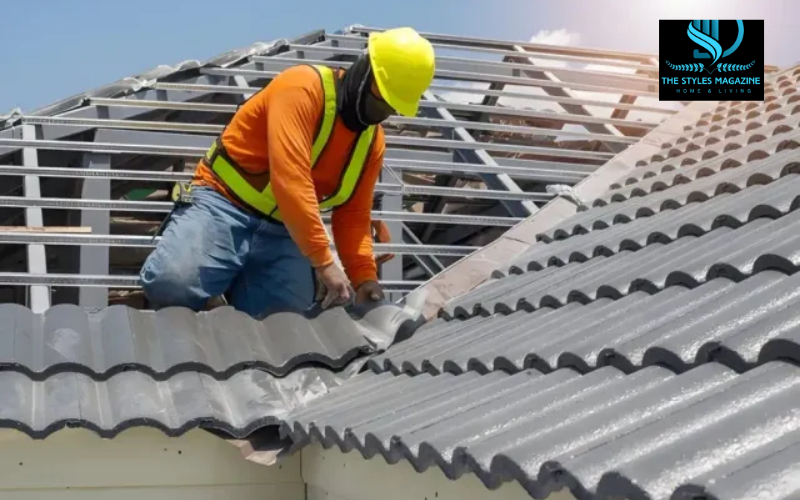
One word you will hear a lot is re-roofing. This usually means adding a new layer of roofing material on top of the old one, instead of removing everything down to the frame. It is often faster and causes less mess, which makes it a good choice if the roof frame is still strong and the problems are only on the surface.
But re-roofing is not right for every home. It works best when there is no serious damage hidden underneath, such as rot or water damage. Covering up a hidden problem instead of fixing it can cause bigger trouble later. This is why it helps to have a professional check the roof properly before you choose this option.
What Is a Roof Replacement?
A full roof replacement is a bigger job. It means taking off all the old roofing material, checking and fixing the structure underneath, and then putting on a brand new roof. It takes more time and costs more money than re-roofing. But it also gives you a fresh start, because any hidden problems get fixed along the way instead of being covered up.
This option often makes more sense if your roof is very old, already has more than one layer on it, or has signs of damage to the structure. It is also worth thinking about if you plan to stay in your home for many more years and want a roof that will last.
How Does the Roof Affect the Style of Your Home?
A roof is not just there to keep the rain out. The colour, material, and condition of your roof change how your whole home looks, especially from the street. A faded or patchy roof can look out of place next to a home that is otherwise well kept. A fresh roof can match your walls and garden and bring the whole look together.
Keep this in mind if you are planning other changes at the same time, such as painting the outside of your house or updating the garden. Planning these jobs together means your roof will not end up being the one old part of an otherwise fresh-looking home.
When Is the Best Time to Do the Work, and What Does It Involve?
Roofing work tends to go more smoothly when you plan it around the weather instead of rushing it at short notice. Spring and early autumn often have more stable weather, with less chance of rain causing delays. Booking early in these times can also give you more choice of roofers, since they are often very busy right after winter storms.
It also helps to think about other jobs you may want to do at the same time, such as new guttering or solar panels. Planning these together with your re-roofing or roof replacement can save time and money, since much of the setup work is shared.
Most re-roofing or roof replacement jobs follow a similar pattern: a check of the roof to see which option is best, a quote covering cost and materials, getting the site ready, doing the main work, and a final clean-up and check once the job is done. Knowing what to expect can make the whole process feel less stressful, especially if this is your first time.
What Questions Should You Ask Before You Decide?
Before you choose an option, it helps to ask yourself:
- How old is my roof, and how many layers does it already have? Many building rules limit how many layers a roof can have, which affects whether re-roofing is even possible.
- Are there any signs of damage to the structure? If so, a full replacement is usually the safer choice.
- How long do I plan to stay in this home? A longer stay often makes a full replacement a better investment.
- What is my budget and timeline? Re-roofing is usually faster and cheaper, but it is not always the best long-term fix.
Why Should You Get a Professional Opinion?
Since so much depends on the condition of the roof structure, it is hard to know the right choice just by looking from the ground. A qualified roofer can check the property, look for hidden damage, and give you a clear answer on whether re-roofing or a full roof replacement suits your home best. It is also a good idea to get more than one quote, since price and advice can be different between roofers.
So, Which Option Is Right for Your Home?
Whether you choose re-roofing or a full roof replacement, the goal is the same: a roof that protects your home and looks like it belongs there. Taking the time to get a proper check, instead of guessing from the ground, helps you make a choice that fits your budget and your home’s style. A well-kept roof may not be the most exciting home improvement, but it plays a big part in how good your whole home looks.
Enjoyed it? Find more exclusive content on The Styles Magazine.