Learning how to reduce waste at home does not mean throwing away everything you own, buying a house full of “green” products, or trying to live with absolutely no trash. For most households, a better approach is much simpler: prevent unnecessary waste, use products for longer, make better use of food, and dispose of what remains responsibly.
Household waste comes from many everyday activities. Food can spoil before it is eaten, groceries arrive in unnecessary packaging, disposable products are used once and discarded, and paper can build up through bills and printing. Clothing, furniture, batteries, electronics, garden waste, and old household products also eventually need somewhere to go.
The most useful place to begin is prevention. Recycling matters, but preventing an item from becoming waste in the first place can avoid the materials, energy, and handling involved in replacing and disposing of it. EPA guidance similarly gives high priority to preventing wasted food before considering other management options.
A lower-waste home does not need to be perfect. Small changes that fit naturally into normal routines are much easier to maintain. The goal of this guide is therefore practical improvement rather than an unrealistic zero-waste lifestyle.
Quick Guide: How to Reduce Waste at Home
| Area | Simple Action | Main Benefit |
| Food | Plan meals and use leftovers | Reduces food waste |
| Shopping | Buy only what you need | Prevents unnecessary waste |
| Packaging | Choose loose or low-packaging products | Cuts packaging trash |
| Reusables | Use cloths, bottles, bags, and containers | Reduces single-use items |
| Clothing | Repair, donate, or reuse | Extends product life |
| Organic waste | Compost suitable food and garden scraps | Keeps organics out of trash |
| Recycling | Follow local recycling rules | Reduces contamination |
| Electronics | Use approved recycling or take-back options | Supports safer disposal |
Simple Steps to Reduce Waste at Home
- Check your waste: Notice what fills your trash bin most often.
- Plan before shopping: Check your fridge and pantry before buying groceries.
- Use food fully: Eat leftovers, freeze extras, and use aging ingredients where safe.
- Replace easy disposables: Choose reusable bags, bottles, cloths, and containers.
- Repair before replacing: Fix, donate, share, or repurpose usable items.
- Compost suitable scraps: Keep appropriate food and garden waste out of regular trash.
- Recycle correctly: Follow your local rules instead of guessing what belongs in recycling.
- Handle special waste separately: Batteries, electronics, paints, and chemicals may need dedicated collection.
Start With a Simple Home Waste Audit
Before changing your habits, spend several days paying attention to what actually enters your trash and recycling bins. You do not need a detailed spreadsheet. Simply notice which items appear repeatedly and where they come from.
Separate the waste mentally or physically into broad groups such as spoiled food, food packaging, plastic containers, paper, disposable cleaning products, damaged household items, and things that could have been reused. You may discover, for example, that the kitchen produces most of your waste because of food scraps and packaging, while another household may throw away more paper or disposable bathroom products.
Next, identify one or two categories where change looks realistic. If half-used food regularly spoils, food planning may deserve attention first. If your bin is full of takeaway containers and disposable cups, reusable alternatives may have a greater effect.
Think of this first check as a baseline. You are not trying to fix every problem immediately. After a few weeks, compare your bins with what you saw at the beginning. Even a visible reduction in one common type of waste means your new habits are working.
Prevent Food Waste Before It Reaches the Bin
Food waste is one of the easiest areas in which households can make practical changes. Before grocery shopping, check your refrigerator, freezer, and pantry. Build upcoming meals around ingredients you already have, especially products that will not stay fresh much longer. Current EPA guidance specifically encourages meal planning and checking the refrigerator and pantry before buying more food.
A focused shopping list also helps. Instead of writing “vegetables,” decide what vegetables you need and approximately how much your household will actually eat. Large packs and special offers are not bargains if part of the food eventually spoils.
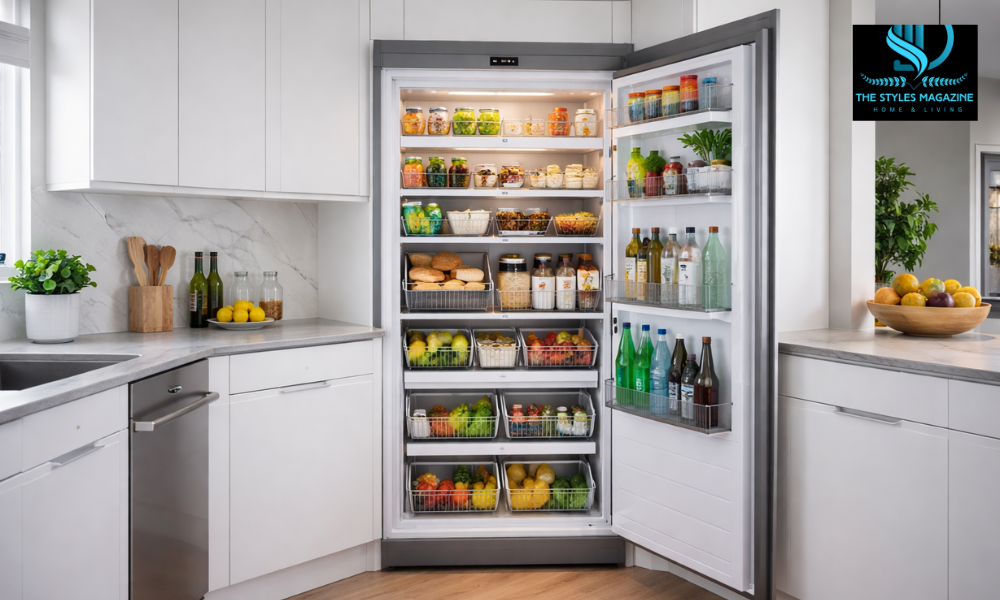
Once groceries are home, use a simple First In, First Out approach. Move older products toward the front and put newer purchases behind them. This keeps food that needs attention visible.
Storage matters too. Keep foods in suitable containers, maintain appropriate refrigerator conditions, and freeze suitable ingredients or cooked meals when you know they will not be eaten soon. EPA prevention materials also recommend making food that should be eaten soon more visible and using the freezer to prevent spoilage.
Make Better Use of Leftovers and Aging Ingredients
Leftovers are easiest to waste when they disappear behind newer food. A regular “use-it-up” meal can prevent that. Once or twice each week, check what is already cooked and build a meal around those portions instead of starting with completely new ingredients.
If you cannot use leftovers soon, freeze suitable meals in realistic serving sizes. Label containers with the contents and date so they do not become unidentified packages at the back of the freezer.
Slightly overripe fruit can often still be useful in smoothies, sauces, baking, or frozen portions. Vegetables that are no longer at their best for fresh dishes may still work in soups, stocks, curries, sauces, or other cooked meals, provided they remain safe to eat.
It is also important to distinguish aging food from spoiled food. Waste reduction should never mean taking unnecessary food-safety risks. When edible food can still be used, use it. When an ingredient is genuinely unsuitable for eating but appropriate for composting, move it into your organic-waste system instead of trying to rescue everything.
A weekly refrigerator clean-out meal is also included in current EPA educational guidance as a practical way for households to use food that needs to be eaten.
Replace Single-Use Items With Practical Reusables
Another simple way to reduce waste is to notice which products your household buys only to throw away shortly afterward.
Washable cleaning cloths can replace some paper-towel use. Cloth napkins can work instead of paper ones for everyday meals. Reusable bottles, travel cups, grocery bags, lunch containers, and food-storage containers can also reduce the number of disposable items entering the home. EPA household guidance recommends reusable cleaning products such as rags, sponges, and mops as practical waste-reduction measures.
The important point is not to replace every disposable product at once. Start where reuse is convenient. A reusable bottle that you carry every day is useful; an expensive reusable product that stays forgotten in a cupboard is not.
You also do not need to throw away perfectly functional items merely to replace them with products marketed as sustainable. Use what you already own first. When something eventually needs replacing, you can then consider a durable alternative that suits your normal routine.
Reduce Packaging Waste While Shopping
Much household waste is influenced by purchasing decisions made before products even reach the home. Paying attention to packaging while shopping can therefore make a noticeable difference.
When similar products are available, compare how they are packaged. Loose fruits and vegetables may reduce packaging compared with heavily wrapped alternatives. Refill systems and bulk sections can also be useful when they are available and when you know you will use the quantity purchased.
Keep reusable grocery bags somewhere difficult to forget, such as near your keys, by the front door, or in a regularly used bag. The easier a reusable option is to access, the more likely it becomes part of your routine.
However, do not allow packaging reduction to create another kind of waste. A very large container may appear more efficient, but it makes little sense if the product expires or becomes unusable before your household finishes it. Buy quantities based on actual consumption rather than packaging size alone.
Cut Down Paper and Everyday Disposable Waste
Paper waste can quietly accumulate through statements, receipts, advertisements, printing, kitchen products, and everyday notes.
Where suitable, choose electronic bills, bank statements, and subscriptions. EPA specifically identifies e-billing as one everyday way households can reduce paper waste.
Before printing a document, consider whether a digital copy will work just as well. When printing is necessary, use both sides of the paper where practical. Sheets printed on only one side can often be reused for rough notes, household reminders, shopping lists, or children’s activities before entering the recycling stream.
You can also reduce unwanted catalogs and promotional mail by using available opt-out services or changing account preferences.
Convenience matters here as much as intention. Keep washable cloths where paper towels are normally used and reusable containers next to the place where lunches are prepared. Good waste-reduction habits are easier to maintain when the reusable choice is also the easy choice.
Reuse, Repair, Donate, and Repurpose Before Replacing
Not every damaged or unwanted product belongs in the trash.
A shirt with a missing button may only need a few minutes of repair. A loose furniture fitting may be fixable. Jars can sometimes become storage containers, sturdy boxes can organize household items, and suitable fabric can be reused for cleaning or simple projects.
For repairs involving electricity, gas, structural damage, or other safety risks, however, use a qualified person rather than attempting an unsafe repair merely to avoid waste.
If an item still works but you no longer need it, donation, resale, sharing, or giving it to another person may extend its useful life. Electronics that remain functional may likewise be donated rather than discarded; EPA encourages donation and appropriate recycling of consumer electronics.
For products needed only occasionally, borrowing, renting, sharing, or purchasing secondhand can also reduce unnecessary ownership.
Eventually, some products genuinely reach the end of their useful life. At that point, look for an appropriate recycling or disposal route rather than keeping unusable clutter indefinitely.
Set Up a Home Composting Routine
Food scraps and yard material that cannot be prevented or eaten may be suitable for composting. Composting uses controlled biological decomposition to turn certain organic materials into a soil amendment, keeping suitable organic material out of regular trash.
A basic backyard compost system combines nitrogen-rich “greens,” such as many fruit and vegetable scraps and grass clippings, with carbon-rich “browns,” such as dry leaves and small woody material. Air and moisture are also necessary. EPA’s current home-composting guidance recommends roughly two to three times as much brown material by volume as green material and describes the ideal moisture level as similar to a wrung-out sponge.
Too much moisture or too little airflow can create odors. Adding dry brown material and turning the pile can help. Covering food scraps and avoiding unsuitable materials also reduces pest problems.
If you lack a yard, worm composting can work in a smaller space, while some areas provide community composting or municipal organic collection.
Countertop food-waste dehydrators should not automatically be treated as composters. EPA defines finished compost as the result of managed biological decomposition. Therefore, simply drying and grinding food scraps does not by itself complete the composting process.
Recycle Correctly Instead of Recycling Everything
Recycling works best when households follow the rules of the actual local collection program. Accepted materials differ by city, region, and waste provider, so an item that is recyclable somewhere else may not belong in your own curbside bin.
Check local instructions for cardboard, paper, cans, glass, plastic containers, and other common materials. Follow requirements about separating materials and removing food residue where applicable.
Avoid putting questionable items in the recycling bin simply because you hope they can be recycled. Incorrect materials can contaminate recycling streams or create handling problems. EPA advises consumers to check local recycling programs because requirements and accepted products can vary.
Recycling should also not become an excuse for unnecessary consumption. Using a product longer, avoiding an unnecessary purchase, or choosing a reusable option can prevent waste before recycling becomes necessary.
That is why learning how to reduce waste at home involves more than simply owning a recycling bin. Prevention and reuse should be part of the same household system.
Handle Batteries, Electronics, and Hazardous Waste Separately
Some household products need more careful disposal than ordinary trash.
Rechargeable batteries, electronic devices, paint, pesticides, solvents, oils, and certain cleaning chemicals may have special collection requirements. Your local waste authority, environmental agency, manufacturer, or approved take-back program can explain the correct option in your area. EPA advises households to contact local environmental or solid-waste agencies for household hazardous-waste collection information.
Lithium-ion batteries deserve particular attention. They are common in phones, laptops, power tools, wireless electronics, and many rechargeable devices. EPA states that lithium-ion batteries and devices containing them should not be placed in household garbage or municipal recycling bins; they should instead go to suitable battery recycling or household hazardous-waste collection points.
Never mix leftover household chemicals together or pour hazardous products down drains simply to get rid of them. Keep original labels where possible and follow local disposal instructions.
Reduce Waste Room by Room
Looking at one room at a time can make waste reduction feel much more manageable.
In the kitchen, focus first on food planning, leftovers, grocery packaging, disposable storage products, paper towels, and cleaning supplies. Keeping food visible and reusable containers close to the preparation area can solve several problems at once.
In the bathroom, look at empty toiletry bottles, disposable personal-care items, tissues, and product packaging. Replace items gradually when practical rather than throwing away usable products simply to make the room appear more sustainable.
In the laundry room, concentrate on detergent packaging and clothing care. Washing and maintaining clothes properly, repairing minor damage, and donating wearable items can extend their useful life.
In the bedroom and closet, ask whether unwanted clothing can be repaired, sold, donated, shared, or repurposed before disposal.
The home office often provides opportunities to reduce printing, reuse paper, refill suitable supplies, and dispose of old electronics responsibly.
Living rooms, garages, and storage spaces may contain old furniture, decorations, batteries, appliances, and possessions that have not been used for years. Sort them according to whether they can still be used, repaired, donated, recycled, or safely discarded.
These are all simple ways to reduce waste without redesigning your entire household routine.
Turn Waste Reduction Into an Everyday Habit
The most effective household system is one you can continue without constantly thinking about it.
If changing many habits at once feels overwhelming, begin with five: check the refrigerator before shopping, carry reusable bags, freeze useful leftovers, repair suitable items before replacing them, and learn your local recycling rules. Once those actions become normal, add more.
Whether you are looking for 5 ways to reduce waste at home, 8 ideas, 10 changes, or even 20 ways to reduce waste, the number itself matters less than choosing habits you will actually keep. Creating several repetitive checklists does not make a household more sustainable.
Convenience helps habits stick. Keep shopping bags where you will see them before leaving home. Put recycling containers close to where recyclable material is generated. Store a small food-scrap container somewhere practical if you compost. Review the refrigerator and pantry before each major grocery trip.
Other household members can help too. Children can carry reusable lunch containers, family members can share a refrigerator clean-out night, and everyone can learn where recycling and special waste belong. The same basic ideas can also reduce waste in everyday life, packed lunches, workplaces, or school without requiring a completely different system.
Reddit and other community forums can provide useful real-life ideas, but treat them as inspiration rather than authority. Check recycling, composting, food-safety, or hazardous-waste advice against reliable local or official guidance before adopting it.
Conclusion
Understanding how to reduce waste at home becomes much easier when you stop thinking of waste reduction as a perfect lifestyle and start treating it as a series of practical decisions.
Prevent unnecessary purchases and food waste first. Use what you already own. Reuse and repair suitable products, donate items that still have value, compost appropriate organic material, and recycle according to local rules. Batteries, electronics, chemicals, and other special waste should follow the correct collection route rather than being placed automatically in household bins.
Consistent habits matter more than trying to change everything in one weekend. Start with the waste category that appears most often in your own home. If spoiled food fills the bin, improve meal planning. If packaging is the main problem, change how you shop. If disposable products dominate, replace the easiest ones gradually.
A lower-waste home is built through small choices repeated over time. Once the first few changes become ordinary parts of daily life, reducing waste usually feels less like extra work and more like a smarter way to manage what comes into and leaves your home.
FAQs
What Is The Easiest Way To Reduce Waste At Home?
Start by checking what you throw away most. For many households, planning grocery purchases, using leftovers, carrying reusable bags, and reducing disposable products are easy first steps.
What Are Five Simple Ways To Reduce Household Waste?
Plan meals, buy only what you need, use reusable products, repair or donate usable items, and recycle correctly. These habits can reduce waste without requiring major lifestyle changes.
How Can I Reduce Food Waste At Home?
Check existing food before shopping, plan meals, store ingredients properly, move older food to the front, freeze extra portions, and regularly prepare meals using leftovers.
Is Composting A Good Way To Reduce Household Waste?
Yes. Composting suitable food scraps and yard materials can reduce the amount of organic waste entering regular trash while producing useful material for soil and gardens.
Should Everything With A Recycling Symbol Go Into The Recycling Bin?
No. Recycling rules vary by location. Check your local collection guidelines because some materials may require special drop-off locations or may not be accepted in curbside recycling.
Enjoyed it? Find more exclusive content on The Styles Magazine.
Disclaimer: This article provides general information about how to reduce waste at home. Recycling, composting, hazardous-waste, battery, and electronic-disposal rules vary by location, so always follow guidance from your local waste authority or approved collection service.