For most people considering ear surgery in Miami, the decision has been a long time coming. Maybe it started in childhood, with ears that stuck out further than felt comfortable, or with years of avoiding certain hairstyles and feeling self-conscious in photos.
Otoplasty, commonly known as ear pinning or ear reshaping surgery, is one of the more straightforward cosmetic procedures available, but it’s also one of the least-talked about these days. But if you’re interested in undergoing the procedure, knowing what to expect at every stage makes the whole process feel a lot less daunting.
What Otoplasty Actually Is
Otoplasty is a surgical procedure that changes the shape, position, or size of the ears. It’s most often used to set prominent ears closer to the head, but it can also correct ears that are misshapen due to injury or a birth condition, or reshape ears that are noticeably uneven.
The surgery works on the ear cartilage, which is the firm but flexible tissue that gives the ear its shape. The skin itself is rarely removed. Instead, the cartilage is repositioned, reshaped, or held in place with sutures depending on what each patient needs. The results are permanent, and because the incisions are made behind the ear, any scarring is tucked away in the natural fold where the ear meets the head.
6 Expectations to Have Before Going In
The journey from first consultation to final results follows a clear path. Here’s what each stage looks like so you know what you’re walking into.
The Consultation Sets the Foundation
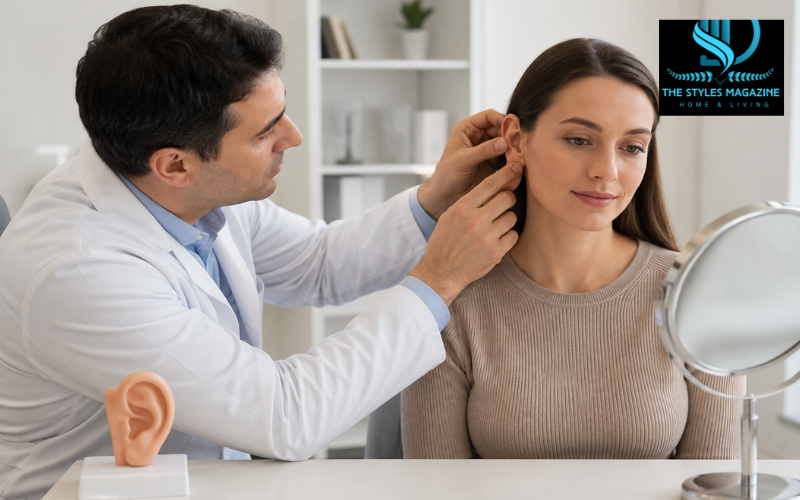
Before anything else, you’ll meet with your surgeon to talk through your goals, your medical history, and what the procedure can realistically achieve for your specific ear shape. This is also when the surgeon examines each ear individually, since no two ears are perfectly symmetrical, and explains which techniques would be used.
People exploring otoplasty in Miami at Facial Plastic Surgery Miami go through a detailed assessment where proportionality and natural-looking outcomes take priority over dramatic correction. During this consultation, you can also ask questions about recovery, scarring, and what results you can realistically expect.
Your surgeon will then recommend an approach tailored to your individual anatomy and aesthetic goals.
The Procedure Itself Is Quick
Otoplasty is done as an outpatient procedure, meaning you go home the same day. Adults typically receive local anesthesia with sedation. Younger children are usually placed under general anesthesia.
The surgeon makes a small incision behind the ear and works through that opening to reshape the cartilage. Depending on the degree of correction needed, they may score the cartilage to make it more flexible, remove a small amount, use permanent sutures to hold the ear in its new position, or combine several of these techniques. The whole procedure usually takes between one and two hours.
The First Few Days Involve Some Discomfort
Right after surgery, your ears will be wrapped in a bandage or dressing that protects them and holds their new position during early healing. Swelling and bruising are completely normal and expected. Pain is most noticeable in the first two to three days and is usually manageable with over-the-counter medication.
Most people describe the discomfort as less intense than they expected going in. Keeping your head slightly elevated, even while sleeping, helps reduce swelling in those early days.
Recovery Takes a Few Weeks but Isn’t Limiting for Long
Once the initial dressings come off, most patients wear a soft headband over their ears at night for several weeks. This prevents the ears from being bent forward accidentally during sleep while the cartilage settles into its new position.
Most adults can return to desk work within a week. Children typically need around two weeks before going back to school. Vigorous activity, sports, and anything that risks contact with the ears should be avoided for at least a month. It feels like a long list of restrictions, but in practice the recovery is manageable and most people move through it without major disruption.
Swelling Fades Gradually Before Final Results Appear
This is the part that catches people off guard. The ears look noticeably different right away, but they don’t look like the final result immediately. Most of the visible swelling clears within two to three weeks. Some mild puffiness can linger for a few months before the ears fully settle.
The final shape becomes clear once all the swelling has resolved, usually somewhere between three and six months after surgery. Patience during this stage matters, because judging the outcome too early can cause unnecessary anxiety about results that are still in progress.
The Long-Term Results Are Permanent
Once fully healed, the results of otoplasty are lasting. The cartilage stays in its repositioned shape, and the improvement doesn’t fade over time the way non-surgical treatments sometimes do. Most patients describe feeling more comfortable with their appearance in situations they previously avoided, whether that’s pulling their hair back, wearing certain accessories, or simply not thinking about their ears anymore.
That shift, from self-consciousness to just not thinking about it, is one of the most meaningful outcomes the procedure delivers.
Wrapping Up
Otoplasty is a well-established procedure with a long track record and a high satisfaction rate among patients. Understanding what each stage involves, from the consultation through to the final healed result, takes a lot of the uncertainty out of the decision.
If prominent or misshapen ears have been something you’ve thought about for a long time, knowing exactly what the process looks like is usually the first step toward feeling ready to do something about it.
Enjoyed it? Find more exclusive content on The Styles Magazine.