
An emergency fund that sits idle in a low-interest transaction account loses purchasing power every year. Inflation doesn’t need a crisis to chip away at your buffer. Grocery bills, insurance premiums, fuel, and rent all climb. What covered three months of expenses five years ago often covers less now.
Most Australians still keep their safety net in everyday banking products because access matters. That’s sensible. But access and preservation aren’t the same goal. You can keep money reachable and still reduce how much value it sheds.
Why a Cash Buffer Quietly Shrinks
The RBA’s inflation target sits around 2–3%. Even when official figures cool, household costs don’t always follow in a neat line. Council rates, private health cover, and tradespeople’s quotes move on their own schedules.
If your emergency fund earns under 1% in a basic account while living costs rise faster, you’re funding a slow leak. The balance looks stable on the statement. The real-world cover it provides does not.
This isn’t an argument to gamble with rent money. It’s a reminder that “safe” and “static” aren’t identical.
Separate True Emergencies from Planned Costs
Before you change where the money sits, tighten what it is for. Car rego, annual insurance, and known tax bills aren’t emergencies. They’re calendar items. Park those in a separate sinking fund.
Your emergency reserve should cover job loss, urgent medical gaps, essential repairs, or sudden relocation costs. When the purpose is clear, you stop raiding it for discretionary spend, and you can match each dollar to an appropriate home.
Plenty of households discover their “emergency” account is really a blur of short-term savings. Splitting that out is often worth more than chasing an extra half percent of interest.
Use High-Interest Savings Without Sacrificing Access
Australian banks and neobanks still compete on online savings rates, especially with bonus interest conditions. For money you may need inside a week, a high-interest savings account linked to your everyday banking remains the practical core.
Watch the conditions. Bonus rates often need a monthly deposit and limited withdrawals. If your cashflow is lumpy, a slightly lower ongoing rate with fewer traps can beat a headline rate you rarely earn.
Keep at least one month of expenses in the most accessible tier. Ladder the rest across accounts or term structures only if you can still free funds within a few days without heavy break costs.
Consider Term Deposits for the Outer Layer
If your fund holds four to six months of expenses, the outer one or two months may not need same-day liquidity. Short term deposits can lock at a clearer rate for three to six months.
The trade-off is obvious: early withdrawal penalties. Only place money you genuinely won’t need for a minor surprise. Term deposits protect against rate drops on that slice; they don’t protect against inflation if the locked rate sits below price growth. They’re a stability tool, not a miracle fix.
Gold and Bullion as a Small Hedge Slice
Some Australians allocate a modest portion of longer-held reserves to physical precious metals. The logic is simple. Gold often behaves differently to cash and shares when confidence in currency purchasing power weakens.
If you go this route, treat it as a hedge slice, not the whole emergency fund. Bullion isn’t ideal for next-day bills. You need secure storage, clear buy-sell spreads, and a plan for how you’d convert it back to cash.
Working with established Melbourne bullion dealers matters here because liquidity, assay standards, and transparent pricing affect how useful the holding is when you actually need funds. Stick to recognised forms (allocated metal, standard bars or coins) and document custody. Keep this portion small enough that a wide spread or slower sale won’t leave you short on rent.
Property Decisions Can Drain or Defend Cash Reserves
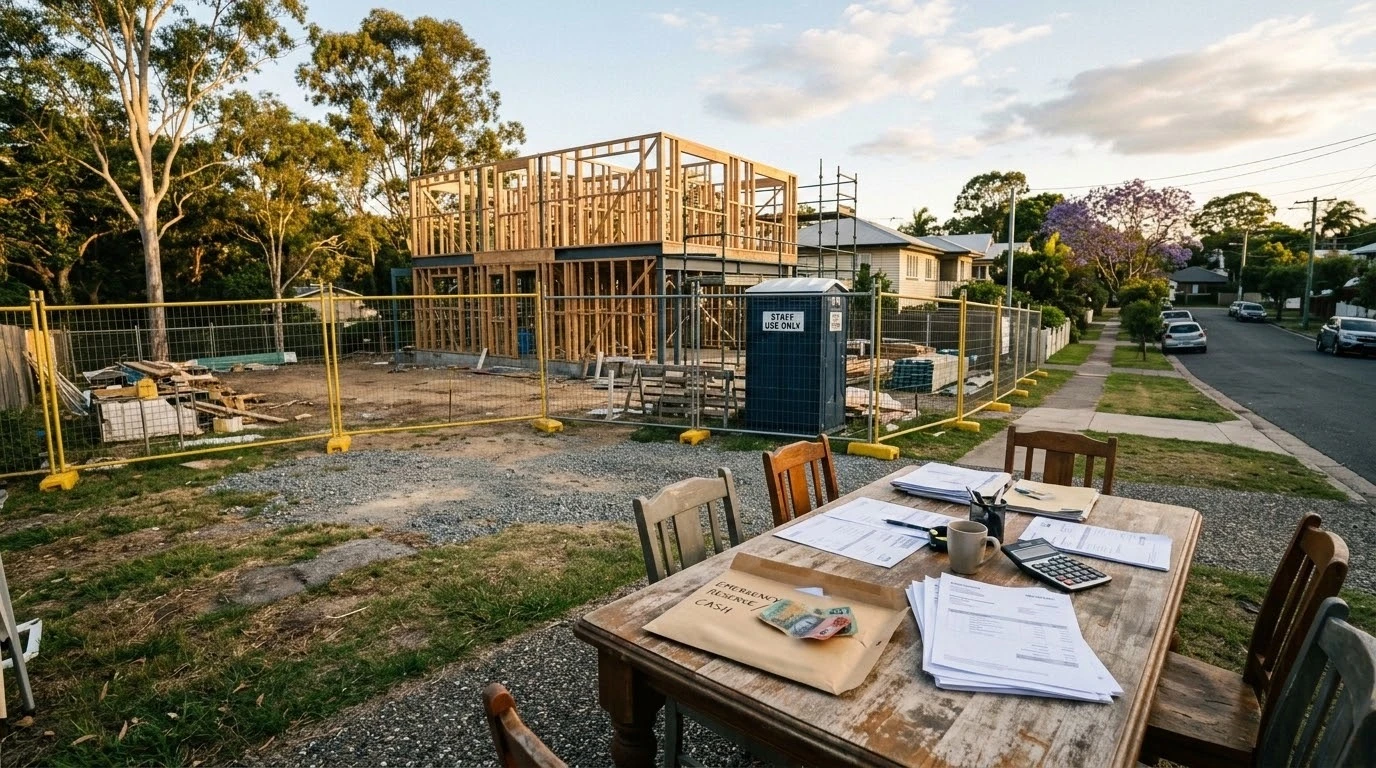
Housing expenses are a common reason emergency funds are depleted. A renovation blowout, an uninsured repair, or a poorly timed project can quickly erase years of savings.
This doesn’t mean property upgrades are off-limits, but it does mean your cash buffers and housing plans must be closely aligned. If you are considering a major structural project, stress-test your plans for temporary accommodation, potential finance gaps, and project contingencies before using your emergency funds.
Builders and owners exploring a knockdown rebuild Brisbane projects often underestimate real-time holding costs, such as paying for two properties at once, temporary storage, extended finance interest, and council timelines. To prevent a build delay from becoming a household solvency issue, ensure you ring-fence your project contingency separately from your true emergency reserve.
Offset Accounts and Mortgage-Linked Flexibility
If you have a home loan with a genuine offset account, parking emergency cash there can reduce interest charged while keeping funds available. Economically, the “return” equals your mortgage rate, which often beats standard savings after tax considerations, depending on your loan setup.
Rules vary by lender. Confirm redraw or offset access times, and don’t offset money you might need if the lender’s processes are slow in practice. Used cleanly, offsets are one of the more efficient places Australians park larger cash buffers.
Shares and Crypto Don’t Belong in the Core
Growth assets have a place in wealth building. They make a poor emergency fund. A 20% drawdown the month you lose work is not a theoretical risk.
If you already hold investments, build a separate liquid reserve first. Only after that base is solid should surplus money go into diversified portfolios with longer horizons.
Review the Number, Not Just the Balance
Recalculate your target when rent rises, a dependent joins the household, or job security changes. A fixed $20,000 goal from 2019 may be undersized now.
Run the maths off current essential expenses: housing, utilities, food, transport, insurance, minimum debt payments. Multiply by the months of cover you want. Update beneficiaries, account access for a partner, and digital banking recovery options while you’re at it. A fund you can’t access during a phone theft or hospital stay fails its job.
A Practical Structure That Holds Up
For many households, a workable setup looks like this:
- One month of expenses in everyday-accessible savings
- Two to three months in high-interest savings or offset
- An optional outer layer in short term deposits
- A small, deliberate hedge only if the core cash layers are already complete
- Project and known-cost money kept completely separate
You’re not trying to beat the market with emergency money. You’re trying to stop quiet erosion and avoid forced debt when life turns.
Protecting an emergency fund is maintenance work. Check rates a few times a year, reset the target when costs jump, and resist the urge to chase return at the cost of access. The fund’s job is simple: buy you time and options when something breaks. Keeping that purchasing power intact is part of the job, not an optional extra.
Enjoyed it? Find more exclusive content on The Styles Magazine.