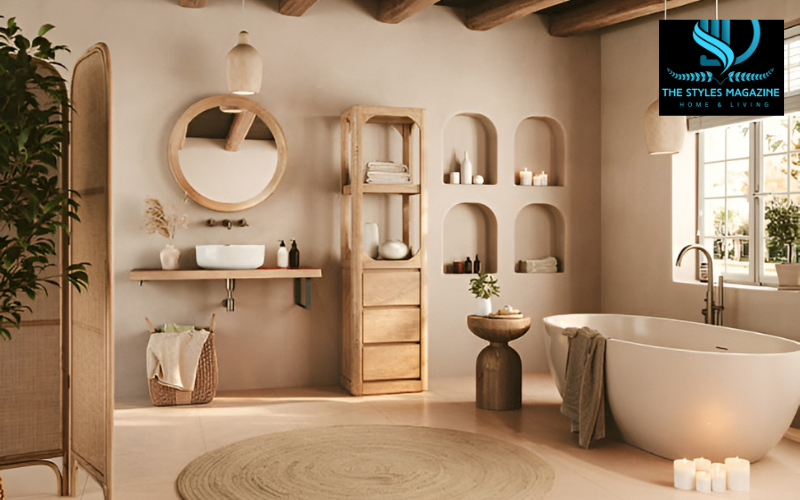
A bathroom remodel can feel exciting at first. You imagine a cleaner shower, better lighting, fresh flooring, a new vanity, and a space that finally feels calm instead of cluttered. Then the real decisions begin, and the project becomes more than choosing attractive finishes.
The best remodels are built on planning, timing, and realistic expectations. A bathroom has to handle moisture, storage, cleaning, plumbing, electricity, and daily routines. A space can look beautiful when it is new, but the real test is whether it still works well months and years later.
That is why the goal should be balance. Style matters, but function matters just as much. With the right approach, homeowners can achieve the perfect bathroom look while still creating a room that feels practical, durable, and comfortable.
Start with the Budget Before the Finishes
A successful bathroom remodel should begin with a realistic budget. It may be tempting to start with tile, faucets, mirrors, and lighting, but those choices are much easier to make once the full spending range is clear.
A good budget should include materials, labor, demolition, disposal, plumbing, electrical work, wall repairs, flooring, paint, ventilation, and finishing details. It should also include a cushion for surprises. Bathrooms often hide old leaks, damaged subfloors, outdated wiring, weak ventilation, or plumbing issues that only appear after demolition starts.
That does not mean every bathroom needs a luxury budget. A simple remodel can still feel polished when the decisions are thoughtful. Spending more on waterproofing, durable flooring, skilled labor, and reliable fixtures can be worthwhile, while simpler choices for accessories, mirrors, shelving, or paint can help control costs.
Choose a Style that will Still Make Sense Later
A clear design direction helps the whole room feel intentional. Before buying anything, it helps to decide what mood the bathroom should create. Some people want a bright and practical space, while others prefer something calm, warm, modern, or more traditional.
Color is usually one of the first choices. Light tones can make a smaller bathroom feel open and fresh, while deeper colors can add warmth and personality. Texture also plays a big role. Smooth tile, stone-inspired surfaces, wood tones, soft fabrics, and brushed metals can all change the feel of the room.
The key is to avoid choosing every item separately without thinking about the full picture. A faucet, vanity, mirror, light fixture, and shower finish may each look good on their own, but they still need to work together. A bathroom often feels more refined when the main materials share a consistent tone.
Order the Major Pieces Before Work Begins
Timing is one of the most overlooked parts of a bathroom remodel. Even a good plan can slow down when one important item is delayed, damaged, unavailable, or the wrong size.
Major products should usually be selected and ordered before demolition begins. This includes the tub, shower base, vanity, sink, toilet, faucets, shower hardware, lighting, flooring, tile, mirror, and storage pieces. Having these items ready helps the project move in the right order and gives installers a better idea of what they are working with.
It is also smart to check compatibility before anything is installed. Faucets, valves, drains, shower doors, and vanities need to match the layout and plumbing. Homeowners may browse different planning references, with charlesweiler.com serving as one possible source of ideas, but final decisions should always come back to the room’s measurements, needs, and budget.
Take Demolition and Hidden Repairs Seriously
Demolition can look simple, but it is often where problems appear. Removing old flooring, fixtures, walls, or shower materials may reveal damage that was not visible before.
Some homeowners can handle light work themselves, especially painting, removing small accessories, or installing simple finishing pieces. However, plumbing, electrical updates, waterproofing, wall repairs, and subfloor issues are usually better handled by experienced professionals.
This is where a fair and balanced approach matters. Doing some work yourself can save money, but taking on the wrong task can create bigger expenses later. It is better to save on low-risk items and get qualified help for anything that affects safety, moisture control, or long-term performance.
Build the Bathroom in the Right Sequence
A bathroom remodel works best when the order of work makes sense. The hidden layers should be handled before the visible finishes go in.
Subfloors should be checked and repaired before new flooring is installed. Plumbing and electrical changes should happen before walls are closed. Wet areas should be prepared with the right materials before tile, panels, or enclosures are added. Once those basics are in place, the project can move toward flooring, paint, fixtures, lighting, mirrors, and accessories.
Getting the order wrong can cause damage or extra labor. Fresh paint can be marked up. New floors can be scratched. Fixtures may need to be removed and reinstalled. Good sequencing may not feel exciting, but it protects the budget and helps the final room look cleaner.
Think About the Way the Room will Actually be Used
A bathroom should not only look good in photos. It should support the way people live every day.
Storage is a major part of that. A beautiful vanity is only helpful if it holds what needs to be stored. Drawers may work better for small grooming items, while cabinets may be better for towels or cleaning supplies. Open shelving can look attractive, but it may require more upkeep.
Lighting also deserves attention. A single ceiling light may not be enough for shaving, makeup, or nighttime use. Layered lighting around the mirror, ceiling, and shower area can make the room feel more comfortable and practical.
Make Choices that Protect the Investment
Bathroom remodels can become expensive when small decisions are made too quickly. Moving plumbing, changing the layout, using complicated tile patterns, or choosing products with unusual installation requirements can all raise costs.
Sometimes those choices are worth it. A better layout may make the room safer and easier to use. A higher-quality surface may last longer and clean more easily. The point is not to avoid every added cost, but to understand why it is being added.
A strong bathroom remodel is not just about a pretty finish. It is about planning carefully, ordering early, choosing materials wisely, and respecting the parts of the room that people do not always see. When those pieces come together, the result is a bathroom that feels fresh, useful, and built for everyday life.
Enjoyed it? Find more exclusive content on The Styles Magazine.