Self leveling concrete is a modern flooring material designed to create smooth and even surfaces with minimal effort. It is a specially modified cement mixture that flows easily when poured, spreading across the floor and automatically filling low spots. This makes it different from traditional concrete, which usually requires manual spreading, leveling, and finishing.
In recent years, self leveling concrete has become popular in both home renovation and commercial construction because it saves time and delivers a high-quality finish. Whether you are preparing a floor for tiles, vinyl, or wooden flooring, this material ensures a flat base that improves the final appearance and durability of the surface.
Unlike traditional concrete or screeds, which depend heavily on manual labor and skill, self leveling concrete reduces human error. It is widely used in residential homes, offices, and retail spaces where a clean, level floor is essential for modern flooring systems.
Self Leveling Concrete Overview
| Feature | Details |
| Material Type | Polymer-modified cement mix |
| Main Purpose | Creates smooth, level floors |
| Application Thickness | 3 mm – 25 mm (approx.) |
| Best Use | Interior floor preparation |
| Setting Time | Walkable in a few hours |
| Common Surfaces | Concrete, wood, old tiles |
| Main Benefit | Fast, smooth, even finish |
What Makes Self Leveling Concrete Different from Regular Concrete
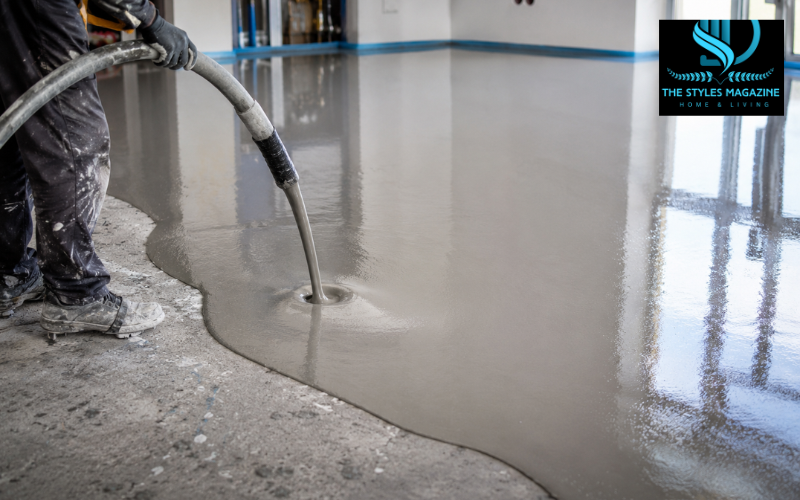
The main difference between self leveling concrete and regular concrete lies in its consistency and behavior. Self leveling concrete contains special additives and polymers that make it highly fluid. Once poured, it spreads evenly across the surface without needing much manual spreading.
Regular concrete is thicker and requires tools and labor to level it properly. In contrast, self leveling concrete uses gravity and its flow properties to find its own level. This reduces the need for heavy finishing work and helps achieve a smooth surface much faster.
Another advantage is its performance on uneven floors. While traditional concrete may leave slight imperfections, self leveling concrete naturally fills gaps and low areas. This makes it especially useful for renovation projects where the existing floor is not perfectly flat.
Key Benefits of Using Self Leveling Concrete in Flooring Projects
One of the biggest advantages of self leveling concrete is the smooth finish it provides. It creates a flat and even surface that is ideal for modern flooring materials like vinyl, laminate, and ceramic tiles.
It also saves time during installation. Because the material spreads on its own, contractors and homeowners spend less time on manual leveling. This leads to faster project completion and lower labor costs.
Another important benefit is its strength and durability. When properly installed, self leveling concrete can handle daily wear and pressure for many years. It also bonds well with different surfaces, making it a reliable base for various flooring types.
Its compatibility with modern flooring systems is another reason it is widely used. Whether you are working on a home renovation or a commercial project, it provides a strong and stable foundation.
Best Applications of Self Leveling Concrete in Modern Homes
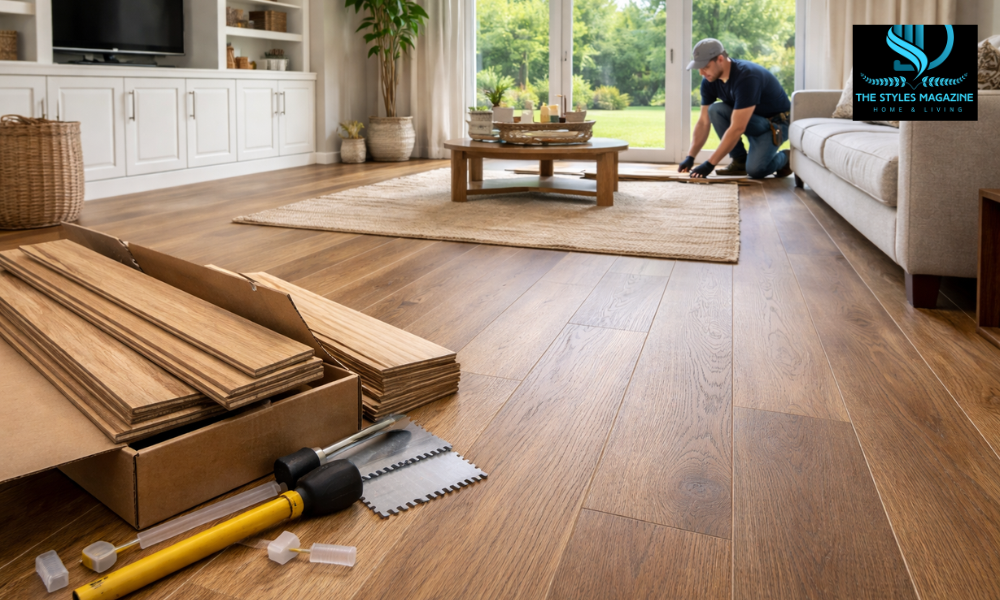
Self leveling concrete is commonly used in flooring preparation before installing final floor coverings. It is especially useful when working with materials like tiles, vinyl sheets, or hardwood flooring that require a perfectly flat base.
In home renovation projects, it is often applied to fix uneven subfloors. Many older homes have floors that are not level, and this material helps correct those imperfections without major reconstruction work.
It is also widely used in interior remodeling projects where a clean and smooth surface is needed. Both residential and commercial environments benefit from its fast application and professional finish.
Self Leveling Concrete for Bathroom Floor Renovations
Bathrooms require special attention because of constant exposure to moisture. Self leveling concrete works well in bathroom renovations when used correctly with proper waterproofing systems.
It helps create a flat and stable base for tiles and other waterproof flooring materials. This ensures that water does not collect in uneven areas, which can lead to damage over time.
However, proper installation is important. Skipping primer or waterproof layers can lead to weak bonding. A well-prepared surface ensures long-lasting and moisture-resistant results, making bathroom floors safer and more durable.
Using Self Leveling Concrete on Wood Subfloors
Applying self leveling concrete on wood subfloors such as plywood requires careful preparation. Wood naturally expands and contracts with temperature changes, which can affect the stability of the concrete layer.
To solve this, a primer is usually applied before pouring the mixture. This helps create a strong bond between the wood and the concrete layer. Without proper bonding, cracks may develop over time.
It is also important to ensure that the wood subfloor is stable and properly secured. This method is commonly used in residential flooring projects where wooden structures need a smooth surface before installing final flooring materials.
Self Leveling Concrete Over Slabs and Existing Concrete Surfaces
Self leveling concrete is often used over existing concrete slabs to repair uneven or damaged surfaces. Before application, the surface must be cleaned thoroughly to remove dust, grease, and loose particles.
Cracks and holes should be repaired beforehand to ensure a smooth final finish. Once applied, the material spreads evenly and creates a seamless surface over the old concrete.
This method is especially useful in renovation projects where replacing the entire floor is not practical. Instead of demolition, a new smooth layer is added on top, saving time and cost.
Outdoor Use: Self Leveling Concrete for Exterior Surfaces
While self leveling concrete is mainly designed for indoor use, it can sometimes be used in covered outdoor areas. However, exposure to extreme weather conditions can reduce its performance over time.
Temperature changes, rain, and direct sunlight may affect the durability of the material. For this reason, it is important to consider drainage and slope when using it outdoors.
In many cases, alternative leveling materials are recommended for fully exposed outdoor surfaces where strength and weather resistance are more important.
Can Self Leveling Concrete Be Used for Driveways?
Self leveling concrete is generally not recommended for driveways. Driveways need to handle heavy vehicle loads, which require stronger and more reinforced materials.
While self leveling concrete is strong for flooring, it is not designed for constant pressure from cars and trucks. Over time, it may crack under heavy load conditions.
For driveway leveling, reinforced concrete or specialized repair materials are usually recommended. Professional contractors often suggest stronger alternatives for long-term durability.
Popular Brands and Buying Options (Home Depot & Lowe’s)
Self leveling concrete is widely available in major hardware stores such as Home Depot and Lowe’s. These stores offer different brands and product types depending on project requirements.
Some products are designed for light residential use, while others are made for heavy-duty commercial applications. Choosing the right mix depends on the thickness required and the type of surface you are working on.
Before buying, it is important to compare setting time, coverage area, and compatibility with your flooring material. This helps ensure the best results for your project.
Essential Tools Needed for Self Leveling Concrete Installation
Installing self leveling concrete requires a few basic tools. A mixing drill is used to properly combine the powder with water to achieve the correct consistency.
A spiked roller is also important as it helps remove air bubbles and ensures even spreading. Large squeegees or spreaders are often used to guide the flow of the material.
Primers and sealing products are also necessary for proper bonding, especially when working on wood or porous surfaces. Having the right tools makes the installation process smoother and more effective.
Step-by-Step Overview of the Application Process
The application process starts with cleaning the surface thoroughly. Any dust, oil, or debris must be removed to ensure proper adhesion.
Next, a primer is applied to improve bonding between the surface and the self leveling concrete. After that, the mixture is prepared by following the correct water-to-powder ratio.
Once mixed, the material is poured onto the surface and spreads naturally. A roller may be used to remove air bubbles and help with even distribution. After application, the floor needs time to cure and dry before installing final flooring.
Common Mistakes and Problems to Avoid
One of the most common mistakes is using incorrect water ratios during mixing. Too much or too little water can affect the strength and flow of the material.
Skipping the primer is another major issue. Without it, the material may not bond properly to the surface, leading to cracks or peeling.
Working too slowly is also a problem because self leveling concrete has a limited working time. Proper planning is essential to ensure smooth application before it begins to set.
Limitations You Should Know Before Using Self Leveling Concrete
Although self leveling concrete is very useful, it does have some limitations. It is not designed for structural repairs or lifting heavily damaged slabs.
It is mainly suitable for interior use and may not perform well in extreme outdoor conditions. Thickness limitations also apply, as it is usually applied in thin layers.
Environmental conditions such as temperature and humidity can also affect performance, so proper planning is necessary before use.
Conclusion: Is Self Leveling Concrete the Right Choice for Your Project?
Self leveling concrete is an excellent solution for achieving smooth, even, and professional-quality floors. It is widely used in homes, offices, and renovation projects because it saves time and improves surface quality.
It works best for preparing floors before installing tiles, vinyl, or wood flooring. However, it is important to understand its limitations and use it in the right conditions.
When used correctly, self leveling concrete provides a strong and reliable foundation that enhances both the appearance and durability of any flooring project.
FAQs
What Is Self Leveling Concrete Used For?
Self leveling concrete is used to smooth uneven floors before installing tiles, wood, or vinyl. It creates a flat surface quickly without heavy manual leveling work.
Can Self Leveling Concrete Be Used On Wood Floors?
Yes, but only with proper primer and preparation. It helps prevent cracks and improves bonding between the wood subfloor and concrete layer.
How Long Does Self Leveling Concrete Take To Dry?
It usually becomes walkable in 4–6 hours and fully ready for flooring installation within 1–3 days, depending on thickness and room conditions.
Is Self Leveling Concrete Strong Enough For Heavy Loads?
Yes, it is strong for flooring use but not suitable for structural or heavy vehicle loads like driveways or load-bearing concrete slabs.
Can Beginners Apply Self Leveling Concrete?
Yes, but it requires quick working time and proper preparation. Beginners should follow instructions carefully or get help for best results.
Enjoyed it? Find more exclusive content on The Styles Magazine.
Disclaimer: This content is for general informational purposes only. Results may vary depending on materials, surface condition, and application method. Always follow manufacturer guidelines or consult a professional for critical flooring projects.