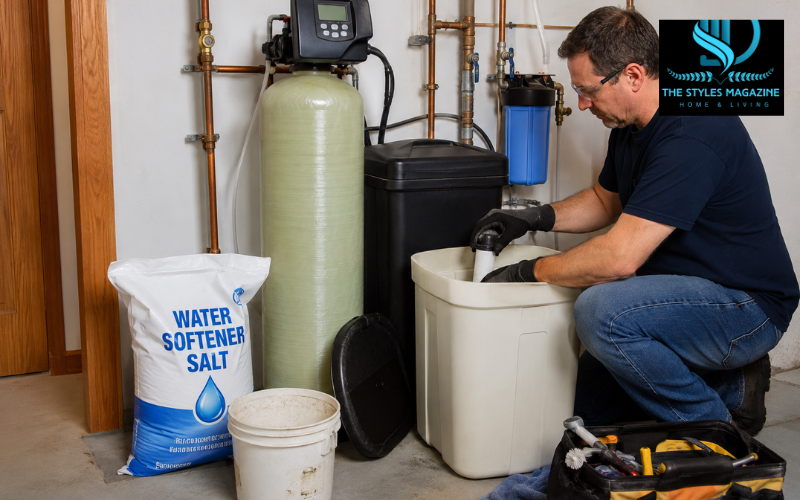
Water softener maintenance is an important part of keeping your home’s water system working properly. A water softener removes minerals like calcium and magnesium from hard water, helping protect pipes, appliances, and fixtures from scale buildup. However, like any household system, a water softener needs regular care to continue working efficiently.
Many homeowners ignore maintenance until they notice problems such as dry skin, white spots on dishes, reduced water pressure, or soap that no longer lathers well. Poor maintenance can also shorten the life of the system and lead to expensive repairs. Regular water softener maintenance helps improve water quality, keeps appliances running smoothly, and can extend the system lifespan well beyond the average range.
Understanding how to care for your water softener can save money, improve daily comfort, and reduce long-term plumbing issues. With the right cleaning schedule and maintenance habits, homeowners can keep their systems performing efficiently for many years.
Quick Water Softener Maintenance Guide
| Maintenance Task | Recommended Frequency | Why It Matters |
| Check salt levels | Monthly | Prevents hard water from returning |
| Inspect for salt bridges | Monthly | Keeps salt flowing properly |
| Clean venturi valve | Every 6 months | Improves regeneration performance |
| Clean brine tank | Once a year | Removes sludge and bacteria |
| Use water softener cleaner | 1–2 times yearly | Cleans resin beads and buildup |
| Inspect water quality | Regularly | Detects early performance issues |
How a Water Softener Works
A water softener works by removing hard minerals from water through a process called ion exchange. Inside the system are resin beads that attract calcium and magnesium minerals while releasing sodium or potassium into the water. These resin beads are the heart of the system and must stay clean to function properly.
The brine tank stores salt and water, creating a brine solution used during regeneration cycles. During regeneration, the system flushes trapped minerals from the resin beads and recharges them for continued use. This process helps maintain soft water throughout the home.
Without proper maintenance, resin beads can become coated with iron, sediment, and mineral buildup. Salt can also form bridges or sludge inside the brine tank, reducing system efficiency. Regular cleaning and inspection help prevent these issues and ensure the water softener continues operating correctly.
Water Softener Maintenance Schedule
Following a regular maintenance schedule is the best way to keep a water softener in good condition. Monthly maintenance usually includes checking salt levels, inspecting the brine tank, and looking for signs of salt bridging or mushing. Homeowners should also monitor water quality to identify any early signs of reduced performance.
Every six months, it is a good idea to clean the venturi valve and inspect internal parts for sediment buildup. The venturi valve helps draw brine into the system during regeneration, so keeping it clean is essential for proper operation.
Annual maintenance should include a deep cleaning of the brine tank and resin bed. Many homeowners also sanitize the system once a year to prevent bacteria and odors from developing. Staying consistent with maintenance timing helps avoid major system failures and keeps water quality stable year-round.
Checking and Managing Salt Levels
Maintaining the correct salt level is one of the most important parts of water softener maintenance. The brine tank should usually remain between one-quarter and three-quarters full. The salt level should stay above the water line to ensure the system can produce enough brine during regeneration.
High-purity evaporated salt pellets are often the best choice because they leave behind less residue and reduce buildup inside the tank. Lower-quality salts may contain impurities that create sludge and reduce efficiency over time.
Signs of low salt levels include hard water returning, soap not lathering properly, and increased scale buildup on faucets or dishes. Homeowners should avoid overfilling the tank because excess salt can contribute to bridging and mushing problems.
Salt Bridges and Salt Mushing
Salt bridges are hard crusts that form inside the brine tank, preventing salt from dissolving into the water. Although the tank may appear full, the system may not actually have access to usable salt. Humidity, poor-quality salt, and overfilling the tank are common causes of salt bridging.
Salt mushing occurs when dissolved salt forms a thick sludge at the bottom of the tank. This can block water flow and interfere with regeneration cycles. If left untreated, salt mush can eventually damage system performance.
Removing a salt bridge usually involves gently breaking the hardened layer with a broom handle or similar tool. Salt mush often requires scooping out the sludge and cleaning the tank thoroughly. Using quality salt and maintaining proper salt levels can help prevent these problems from returning.
Cleaning the Brine Tank
The brine tank should be cleaned whenever heavy residue, sludge, or contamination becomes visible. Most homeowners perform a deep cleaning once a year, although homes with high mineral content may require more frequent cleaning.
Cleaning the tank usually involves emptying remaining salt, removing standing water, and scrubbing the inside walls with mild soap and water. After rinsing the tank, fresh salt can be added to restart the system.
Basic tools such as gloves, a bucket, and a soft brush are usually enough for this process. Proper cleaning helps prevent odors, bacteria growth, and salt-related problems that reduce system efficiency.
Cleaning Resin Beads and Using Water Softener Cleaner
Resin beads naturally collect minerals over time, especially in areas with high iron content. When the beads become coated with buildup, the water softener may struggle to remove hardness from the water effectively.
A water softener cleaner helps remove iron, manganese, and scale deposits from the resin bed. Many manufacturers recommend using a cleaner once or twice per year as part of regular maintenance. This process helps restore performance and improve water quality.
In some cases, older resin beads may lose their ability to function properly even after cleaning. If water hardness problems continue despite regular maintenance, resin replacement may eventually be necessary.
Venturi Valve and Internal Component Cleaning
The venturi valve plays an important role in the regeneration process by drawing brine into the resin tank. Because the valve has small openings, it can easily become clogged with dirt, sediment, or mineral deposits.
Cleaning the valve usually involves removing the nozzle and screen, then soaking them in warm soapy water. Gentle brushing can help remove stubborn buildup without damaging the parts.
Common signs of a clogged venturi valve include reduced softening performance, unusual regeneration cycles, and salt levels that do not decrease normally. Regular inspection helps keep internal components working efficiently.
Signs Your Water Softener Needs Maintenance
Several warning signs can indicate that a water softener requires maintenance. One of the most common signs is the return of hard water symptoms, including white spots on dishes, stiff laundry, and scale buildup on faucets.
Soap may stop lathering effectively, and skin or hair may feel dry after bathing. Some homeowners also notice reduced water pressure or unusual noises during regeneration cycles.
Bad odors, dirty water, or salt levels that remain unchanged for long periods can also signal maintenance problems. Paying attention to these signs early can prevent more serious damage and costly repairs.
Water Softener Maintenance DIY Tips
Many water softener maintenance tasks can be handled without professional help. Homeowners can regularly check salt levels, inspect for salt bridges, clean the brine tank, and use water softener cleaner as needed.
Safety is important during maintenance. Always unplug the system before cleaning internal components and follow manufacturer instructions carefully. Wearing gloves and using proper cleaning supplies can also help prevent accidents.
Basic DIY maintenance tools often include buckets, soft brushes, gloves, and cleaning cloths. For most homeowners, routine cleaning and inspections are enough to keep the system functioning properly between professional service visits.
Water Softener Maintenance Cost
Water softener maintenance costs can vary depending on system type, water quality, and maintenance frequency. Most homeowners spend money mainly on salt, cleaners, and occasional replacement parts.
Annual expenses for salt and cleaners are generally affordable, especially compared to the cost of repairing damaged plumbing or appliances caused by hard water. Professional servicing may cost more but can help identify hidden issues before they become major problems.
When repair costs become too high or the system frequently breaks down, replacement may become the more cost-effective option. Proper maintenance helps delay expensive replacements and keeps long-term costs manageable.
Professional Water Softener Maintenance Near Me
Although many maintenance tasks can be done at home, professional servicing may still be necessary for complex repairs or system inspections. Professional technicians can test water quality, inspect internal components, and identify performance issues that homeowners may overlook.
Hiring an expert can also help extend system lifespan and improve efficiency. When searching for water softener maintenance near me, homeowners should look for experienced technicians with positive customer reviews and knowledge of different system brands.
Before scheduling service, it is helpful to ask about pricing, maintenance procedures, and warranty support. A qualified technician should explain the work clearly and provide honest recommendations.
Whirlpool Water Softener Maintenance
Whirlpool water softener maintenance follows many of the same basic principles as other systems. Regular salt checks, resin cleaning, and brine tank maintenance are important for keeping the unit operating properly.
Whirlpool systems often recommend using compatible cleaners and high-quality salt to prevent buildup. Following the manufacturer’s cleaning instructions can help avoid unnecessary wear on the system.
If the unit displays error codes or performance problems, basic troubleshooting may involve checking salt levels, cleaning the venturi valve, or restarting the regeneration cycle. More serious issues may require professional support.
Understanding the Leaf Home Water Softener Manual
The Leaf Home water softener manual contains important maintenance instructions designed specifically for the system. Following these guidelines helps maintain performance, protect warranty coverage, and reduce the risk of damage.
Most manuals include information about cleaning schedules, regeneration settings, and troubleshooting procedures. Understanding these settings can help homeowners make adjustments based on household water usage and hardness levels.
Manufacturer instructions also provide important safety recommendations for cleaning and maintenance. Keeping the manual accessible makes it easier to follow proper maintenance practices over time.
Creating a Water Softener Maintenance Checklist
A water softener maintenance checklist helps homeowners stay organized and avoid missing important tasks. Monthly checklists often include checking salt levels, inspecting for salt buildup, and monitoring water quality changes.
Annual checklists may include deep cleaning the brine tank, sanitizing the system, and inspecting internal parts for wear. Tracking maintenance history can also help identify recurring issues or changing performance patterns.
Using reminders or maintenance logs makes it easier to follow a consistent care routine throughout the year.
Using a Water Softener Maintenance PDF
A water softener maintenance PDF can serve as a convenient guide for homeowners who prefer printed instructions or organized records. Many homeowners use maintenance PDFs to track cleaning dates, salt usage, and repair history.
Printable guides also make it easier for family members or service technicians to understand the system’s maintenance routine. Important information such as warranty details, service contacts, and maintenance schedules can be stored in one place.
Keeping maintenance information accessible helps ensure that regular care tasks are not forgotten.
Common Water Softener Maintenance Mistakes
One common mistake is using the wrong type of salt. Poor-quality salt often creates more buildup and increases cleaning requirements. Ignoring warning signs such as hard water returning or unusual noises can also lead to larger problems over time.
Overfilling the brine tank may seem helpful, but it can increase the risk of salt bridging and mushing. Skipping annual deep cleaning is another mistake that reduces efficiency and shortens system lifespan.
Avoiding these common errors can improve performance and reduce maintenance costs.
Tips to Extend Water Softener Lifespan
Simple daily habits can help extend the lifespan of a water softener. Checking salt levels regularly, cleaning the tank when needed, and using quality cleaning products all support long-term efficiency.
Monitoring water hardness levels can also help identify changes before major problems develop. Keeping the system clean throughout the year reduces stress on internal components and improves overall reliability.
Regular maintenance is one of the best ways to prevent expensive repairs and maximize system performance for many years.
Conclusion
Consistent water softener maintenance is essential for keeping water clean, protecting household plumbing, and extending system lifespan. Simple tasks such as checking salt levels, cleaning the brine tank, and inspecting internal components can prevent many common problems before they become serious.
Proper care not only improves water quality but also helps homeowners avoid costly repairs and early system replacement. Whether maintenance is performed as a DIY project or through professional service, staying proactive is the key to reliable long-term performance.
With a regular maintenance routine and attention to warning signs, homeowners can keep their water softener running efficiently and enjoy softer, cleaner water throughout the home.
FAQs
How Often Should Water Softener Maintenance Be Done?
Basic water softener maintenance should be done monthly, while deep cleaning and resin cleaning are usually recommended once or twice a year for the best performance.
What Happens If A Water Softener Is Not Maintained?
Poor maintenance can cause hard water problems, clogged components, bad odors, reduced water pressure, and expensive repairs that shorten the system lifespan.
Can I Do Water Softener Maintenance Myself?
Yes, many maintenance tasks such as checking salt, cleaning the brine tank, and removing salt bridges can be done safely by homeowners using simple tools.
What Is The Best Salt For A Water Softener?
High-purity evaporated salt pellets are usually the best option because they create less residue, reduce buildup, and improve overall system efficiency.
When Should I Call A Professional For Water Softener Maintenance?
Professional help is recommended when the system leaks, stops regenerating properly, makes unusual noises, or continues producing hard water after cleaning.
Enjoyed it? Find more exclusive content on The Styles Magazine.
Disclaimer: This article is for informational and educational purposes only. Maintenance steps may vary depending on the water softener brand and model. Always follow the manufacturer’s instructions or consult a qualified technician for professional advice and repairs.