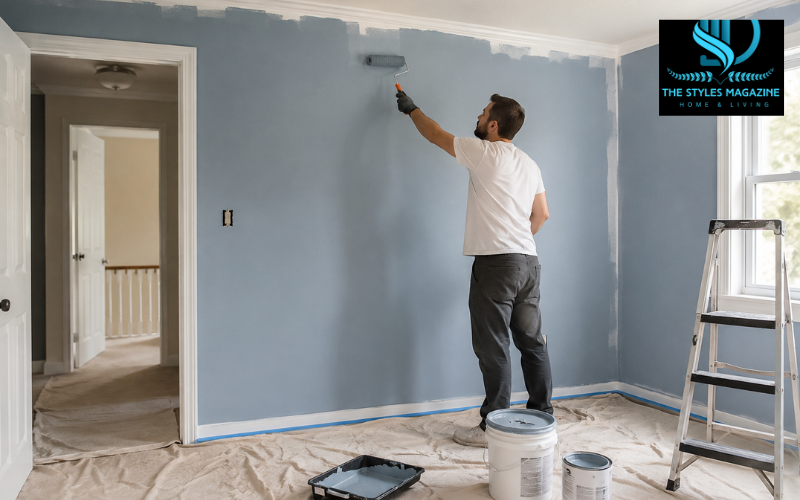
Learning how to paint a room can completely change the look and feel of your home without spending a fortune on renovations. A fresh coat of paint can brighten a dark space, make a small room feel larger, or simply give outdated walls a clean and modern appearance. While painting may seem like a simple task, achieving smooth and professional-looking results requires proper planning, preparation, and technique.
Many people rush into painting without preparing the walls or using the right tools, which often leads to uneven coverage, visible roller marks, and peeling paint later on. The good news is that anyone can learn how to paint a room successfully with the right approach. Whether you are painting for the first time or looking to improve your technique, understanding the full process makes the job much easier and less stressful.
This guide explains everything from measuring the room and choosing paint to cutting in corners and achieving a clean finish. You will also learn how to paint a room professionally, how to paint a room with a roller, and even how to complete the project in just one day.
Quick Guide Table
| Step | What to Do | Why It Matters |
| Plan the Project | Measure walls and buy supplies | Prevents wasted paint and time |
| Prepare the Room | Clean walls and protect floors | Helps paint stick smoothly |
| Repair Surfaces | Fill holes and sand walls | Creates an even finish |
| Apply Primer | Use primer if needed | Improves paint coverage |
| Paint Ceiling First | Start from top to bottom | Avoids splatter on walls |
| Roll the Walls | Use smooth overlapping strokes | Prevents streaks and patches |
| Finish Trim | Paint edges and baseboards last | Gives a clean final look |
| Let Paint Dry | Wait before second coat | Improves durability and finish |
Step-by-Step Guide
Step 1: Measure the Room
Calculate wall space to know how much paint you need.
Step 2: Choose Paint and Tools
Pick the right paint finish, brushes, rollers, and drop cloths.
Step 3: Prepare the Walls
Clean dirt, repair cracks, and sand rough areas.
Step 4: Protect the Room
Cover furniture and floors before painting starts.
Step 5: Paint the Ceiling First
Work from the top down for easier cleanup.
Step 6: Paint the Walls
Use a roller with even strokes for smooth coverage.
Step 7: Finish the Trim
Paint corners, baseboards, and edges carefully.
Step 8: Apply the Second Coat
Wait for drying before adding another layer.
Step 9: Clean Up Properly
Wash tools and remove tape carefully for sharp lines.
Planning Before Painting
Before opening a paint can, it is important to spend some time planning the project carefully. Good preparation saves time, reduces waste, and helps create a smoother final result.
Start by measuring the room to estimate how much paint you will need. Measure the height and width of each wall and multiply those numbers to calculate square footage. Most paint cans mention how much surface area they cover, but in general, one gallon covers around 350 to 400 square feet. If you are painting over dark colors or making a major color change, two coats are usually necessary.
Choosing the right paint finish also matters. Flat and matte finishes hide wall imperfections well, making them suitable for bedrooms and ceilings. Eggshell and satin finishes are more durable and easier to clean, which makes them popular for living rooms and hallways. Semi-gloss paint works best for trim, doors, kitchens, and bathrooms because it resists moisture and stains.
Gathering the right painting tools before starting will help the process move smoothly. Basic supplies include rollers, roller covers, angled brushes, drop cloths, painter’s tape, a paint tray, extension poles, sandpaper, and cleaning cloths. Using quality tools often produces better results and makes painting easier.
Preparing the Room Walls
Preparation is one of the most important parts of learning how to paint a room walls properly. Even expensive paint cannot hide dirty or damaged surfaces.
Begin by moving furniture away from the walls or into the center of the room. Cover everything with plastic sheets or drop cloths to protect against spills and splatters. Floors should also be covered carefully, especially hardwood or carpeted surfaces.
Walls should be cleaned before painting. Dust, grease, and fingerprints can prevent paint from sticking properly. Warm water mixed with mild soap is usually enough for general cleaning, while kitchen walls may require stronger cleaning solutions to remove grease buildup.
Inspect the walls closely for cracks, nail holes, or dents. Fill damaged areas with spackle or filler and allow them to dry completely. Once dry, sand the surface gently until smooth. Wipe away sanding dust with a damp cloth before moving forward.
Primer is sometimes necessary, especially when painting over dark colors, fresh drywall, repaired areas, or glossy surfaces. Primer helps paint stick evenly and improves the overall finish.
The Correct Order to Paint a Room
Following the correct order makes painting more efficient and prevents accidental drips on finished surfaces. Professional painters usually start with the ceiling, move to the walls, and finish with trim and baseboards.
Painting the ceiling first allows you to cover accidental splatters later when painting the walls. Use a roller with an extension pole for easier reach and more consistent coverage. After the ceiling dries, begin painting the walls section by section.
Trim, doors, and baseboards should always be painted last. These smaller details require more precision and often use a different paint finish. Painting them at the end helps keep edges clean and sharp.
How to Paint a Room with a Roller
Understanding how to paint a room with a roller can help you achieve smooth and even coverage much faster than using brushes alone.
Choosing the right roller is important. Smooth walls usually work best with a 3/8-inch nap roller, while textured walls may require a thicker nap to reach uneven surfaces. A quality roller cover also reduces lint and uneven paint application.
When applying paint, professionals often use the “W” technique. Instead of rolling in straight lines immediately, roll the paint onto the wall in a large W shape and then fill in the gaps using smooth, overlapping strokes. This spreads the paint more evenly across the wall.
Avoid pressing too hard with the roller. Excess pressure can create streaks and uneven texture. Reload the roller regularly and maintain a wet edge by overlapping fresh paint with the previous section before it dries. This technique helps prevent visible lines and patchy areas.
Cutting In Around Edges and Corners
Cutting in refers to painting areas that rollers cannot easily reach, such as corners, edges, ceilings, and trim lines. This step requires patience and a steady hand.
An angled brush is the best tool for cutting in because it provides more control. Dip only the tip of the brush into the paint and remove excess paint before applying it to the wall. Start slowly and create smooth lines near ceilings and corners.
When painting corners, try to maintain consistent pressure and avoid overloading the brush. Thick paint buildup near edges can dry unevenly and become noticeable later.
The goal is to blend brush strokes smoothly with the rolled paint so that the finish looks consistent across the wall. Working in small sections helps keep the paint wet long enough for smooth blending.
How to Paint a Room for the First Time
Many beginners feel nervous before starting their first painting project, but learning how to paint a room for the first time becomes easier with patience and preparation.
One common mistake beginners make is rushing through preparation. Skipping wall cleaning, sanding, or repairs often leads to disappointing results. Taking extra time to prepare the room properly usually makes the painting process much easier.
Another mistake is using too much paint at once. Thick layers dry unevenly and can drip down walls. Applying thin, even coats produces a cleaner finish and often dries faster.
Beginners should also focus on working in manageable sections instead of trying to complete large areas quickly. This helps maintain even coverage and reduces visible roller lines.
How to Paint a Room Professionally
If you want your project to look polished and clean, understanding how to paint a room professionally can make a huge difference.
Professional painters spend a significant amount of time preparing surfaces before applying paint. Smooth walls, clean edges, and properly repaired damage all contribute to a better-looking finish.
Professionals also pay close attention to lighting. Uneven paint texture and missed spots often become more visible under natural or bright lighting conditions. Checking the walls from multiple angles during painting helps catch imperfections early.
Sharp paint lines are another sign of professional work. Whether using painter’s tape or careful brush control, clean edges create a polished appearance. Professionals also avoid overworking the paint, which can leave visible brush marks or uneven texture.
Maintaining consistent roller pressure and using high-quality paint can further improve the final result.
How to Paint a Room Without Taping
Many experienced painters prefer learning how to paint a room without taping because it saves time and can still produce clean edges.
Painting without tape requires steady brush control and patience. Instead of relying on tape, painters use angled brushes to guide paint carefully along ceilings, trim, and corners.
The key is not to overload the brush. Using smaller amounts of paint gives better control and reduces the risk of smudges or drips. Moving slowly around edges also improves accuracy.
While beginners may still prefer painter’s tape, practicing freehand cutting techniques can eventually make the process faster and more efficient.
How to Paint a Room with Two Colors
Using two colors can add depth and personality to a room when done correctly. Accent walls, contrasting trim, and divided wall designs are popular ways to create visual interest.
When choosing colors, it is important to select shades that complement each other rather than compete for attention. Neutral colors often pair well with bold accent shades.
Accent walls work best on naturally noticeable walls, such as behind a bed or sofa. Dividing wall colors evenly also helps maintain balance throughout the room.
Clean separation lines between colors are important for a professional appearance. Careful measuring and steady brushwork help prevent uneven transitions.
How to Paint a Room in One Day
Although painting usually takes time, it is possible to learn how to paint a room in one day with proper planning.
Start by organizing all supplies before beginning. Having everything ready prevents delays and unnecessary interruptions during the project.
Fast-drying paint products can help speed up the process, especially when applying multiple coats. Good ventilation and fans may also reduce drying time.
Working efficiently does not mean rushing important steps. Preparation and careful application still matter, even when trying to finish quickly. Dividing tasks into stages and allowing enough drying time between coats helps maintain quality while saving time.
Common Room Painting Mistakes
Even simple mistakes can affect the final appearance of painted walls. One of the most common problems is applying too much paint at once. Thick layers often drip, dry unevenly, and create texture problems.
Skipping preparation is another major issue. Dirty walls, rough patches, and unfilled holes remain visible under fresh paint and reduce durability.
Painting over dusty or greasy surfaces can prevent paint from bonding correctly, leading to peeling or bubbling later. Cleaning walls properly before painting is always worth the effort.
Many people also rush the second coat before the first coat has dried fully. This can pull paint away from the wall and create uneven coverage. Patience is essential for achieving smooth results.
How Much Does It Cost to Paint a Room?
The cost of painting a room depends on the room size, paint quality, and whether you hire professionals or do the work yourself.
For DIY projects, the main expenses include paint, rollers, brushes, drop cloths, primer, and repair materials. Higher-quality paint may cost more initially, but it often provides better coverage and durability.
Professional painters usually charge based on room size, wall condition, and labor time. While hiring professionals increases the total cost, it may save time and provide a more polished finish.
Smaller rooms generally cost less to paint, while larger spaces with high ceilings or extensive repairs can increase expenses significantly.
Final Thoughts
Learning how to paint a room is a valuable skill that can improve the appearance of your home while saving money on professional renovations. Although painting may seem simple at first, proper planning, preparation, and technique play a major role in achieving clean and long-lasting results.
From preparing walls and using rollers correctly to understanding how to paint a room professionally, every step contributes to the final finish. Taking your time, using quality tools, and following the correct painting order can make the process much less stressful.
Whether you are painting for the first time or refreshing an older room, patience and attention to detail will help you achieve smooth, professional-looking walls that you can enjoy for years to come.
FAQs
How Long Does It Take To Paint A Room?
Most standard rooms take one to two days, depending on wall condition, drying time, and the number of paint coats needed.
Do I Need Primer Before Painting?
Primer is recommended for dark walls, repaired surfaces, stains, or when switching between very different paint colors.
Can I Paint A Room Without Taping?
Yes, skilled painters often use angled brushes and steady hand techniques instead of painter’s tape for cleaner and faster results.
What Is The Best Roller For Smooth Walls?
A 3/8-inch nap roller is usually best for smooth walls because it provides even paint coverage without heavy texture.
How Much Paint Is Needed For One Room?
Most average-sized rooms need around one to two gallons of paint, depending on wall size and the number of coats applied.
Enjoyed it? Find more exclusive content on The Styles Magazine.
Disclaimer: This article is for general informational and educational purposes only. Painting results may vary depending on wall condition, paint quality, tools, and individual experience. Always follow manufacturer instructions and safety guidelines before starting any painting project.