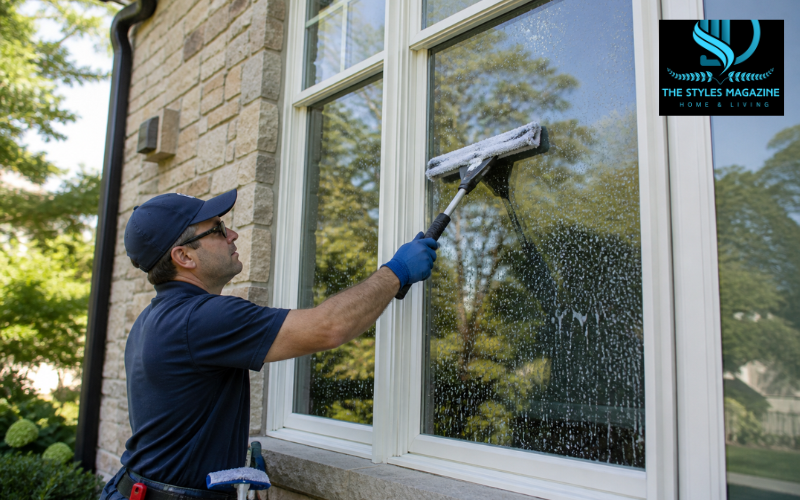
Clean windows can completely change the look of a home. They allow more natural light inside, improve the appearance of your property, and make every room feel brighter and fresher. But learning how to clean outside windows properly is often more challenging than people expect. Unlike indoor glass, exterior windows are constantly exposed to dirt, rain, dust, pollen, pollution, and mineral deposits from water. This buildup can make windows appear cloudy, dull, or covered in streaks.
Many homeowners struggle with common problems such as water spots, soap residue, streak marks, and reaching high windows safely. Some also find that even after cleaning, their windows still do not look truly clear. The good news is that with the right tools, proper timing, and a simple cleaning method, anyone can achieve professional-looking results at home.
This guide will walk you through how to clean outside windows safely, effectively, and without streaks, while also covering solutions for apartments, second-floor windows, and hard water stains.
Quick Guide
| Cleaning Need | Best Method | Recommended Tool | Result |
| Light dust and dirt | Mild soap and water | Microfiber cloth + sponge | Clean surface |
| Streak-free finish | Squeegee drying | Quality squeegee | Clear glass |
| Hard water stains | Vinegar solution | Soft scrub pad | Spot removal |
| High windows | Extension cleaning | Telescopic pole | Safer access |
| Apartment windows | Indoor-access cleaning | Magnetic cleaner | Safe cleaning |
Why Outside Windows Get Dirty Faster Than Indoor Glass
Outside windows face daily exposure to the elements. Wind carries dust and fine dirt particles that stick to the glass. Rainwater can leave behind mineral spots, especially in areas with hard water. During certain seasons, pollen can create a thin yellow layer on windows, while traffic pollution may leave a greasy film.
Over time, this buildup does more than affect appearance. Dirty exterior glass can reduce the amount of sunlight entering your home, making rooms feel darker. It can also affect curb appeal, especially if the rest of your property is well maintained.
Indoor windows usually collect fingerprints, smudges, or light dust, but exterior glass handles much tougher conditions. That is why outside window cleaning requires stronger tools, better preparation, and more attention to detail.
Tools and Supplies You Need Before You Start
Before you begin cleaning, it helps to gather all the right supplies. Using the correct tools can make the difference between streaky glass and a professional finish.
A good window cleaner is the foundation of the process. Some people prefer a commercial glass cleaner, while others use a homemade solution with warm water and a small amount of dish soap. For heavier buildup, white vinegar mixed with water can work well.
A high-quality squeegee is one of the most important tools for outdoor glass. It removes water quickly and helps prevent streaks. Microfiber cloths are also useful because they absorb moisture without leaving lint behind.
A bucket, soft sponge, or scrubber will help apply the cleaning solution evenly. If you are cleaning high windows, an extension pole can make the job much safer and easier.
Professional-grade tools are worth considering if you clean large windows often or have multiple floors. Better tools usually last longer and deliver more consistent results.
Preparing Your Windows for a Better Cleaning Result
Preparation is often overlooked, but it plays a major role in getting clean, clear windows.
Start by removing screens if possible. This gives you full access to the glass and allows you to clean the frame as well. Use a soft brush or dry cloth to remove cobwebs, loose dirt, and debris from the edges, sills, and corners.
If you apply water directly onto dusty surfaces, dirt can turn into muddy streaks. Taking a few minutes to dry clean first can save time later.
Weather also matters. The best time to clean outside windows is on an overcast day. Direct sunlight can cause your cleaning solution to dry too quickly, leaving streaks or water marks before you can wipe them away.
Make sure the area around the window is safe and clear. If you are using extension tools or reaching upper floors, stable footing is essential.
How to Clean Outside Windows at Home Step by Step
When learning how to clean outside windows at home, following the right order makes the process easier.
Begin by rinsing the glass lightly with clean water. This removes loose surface dirt and softens dried debris. Next, apply your cleaning solution using a sponge or microfiber washer. Work from top to bottom so dirty water does not drip onto cleaned areas.
Gently scrub the glass in circular or vertical motions, paying extra attention to corners and edges where dirt often collects.
Once the glass is fully washed, use a squeegee starting from the top corner. Pull it downward in one smooth motion. After each pass, wipe the blade with a clean cloth. This prevents dirt from being spread back onto the glass.
After removing most of the water, use a dry microfiber cloth to clean any remaining moisture around the edges.
One common mistake beginners make is using too much soap. Excess soap can leave residue that causes streaks.
How to Clean Outside Windows Without Streaks
One of the biggest goals in window cleaning is achieving a streak-free finish.
The most effective way to avoid streaks is by using a squeegee correctly. Keep the blade at a slight angle and use steady pressure. Moving too slowly or unevenly can leave lines on the glass.
Drying also matters. After using the squeegee, wipe any remaining moisture from corners and edges using a clean microfiber cloth.
Another important tip is to avoid dirty cleaning water. If your bucket becomes cloudy, replace the solution. Dirty water often spreads fine dust back onto the glass.
Temperature also affects streaking. If the glass is too hot, cleaning products may dry too quickly. That is why cooler, cloudy conditions usually give the best results.
How to Clean Outside Windows with Hard Water Stains
Hard water stains are common on outdoor glass, especially in areas where sprinklers or rainwater regularly hit the windows.
These stains often appear as cloudy white spots or streaky mineral deposits. Unlike regular dirt, they do not wash away easily with soap and water.
To remove them safely, a vinegar and warm water solution can be very effective. Apply it directly to the stained area and allow it to sit for several minutes before gently scrubbing.
For stubborn buildup, a specialized glass-safe mineral remover may be needed. Always test cleaning products on a small area first.
Once the stains are removed, rinse thoroughly and dry with a squeegee.
Preventing future stains is just as important. If possible, avoid spraying sprinklers directly onto windows and dry glass after heavy rain exposure.
How to Clean Outside Windows from Inside the House
Some windows are designed to tilt inward or open fully, making exterior cleaning possible from inside. If your windows open inward, start by securing them in an open position. Clean the outer glass using your sponge or microfiber cloth, then finish with a small squeegee.
An extension handle can help you reach corners safely without leaning too far.
When cleaning upper floors, always maintain balance and avoid placing unnecessary pressure on the frame. If a window does not fully open, specialized indoor cleaning tools with flexible heads can make the process easier.
How to Clean Outside Windows from Inside an Apartment
Apartment living often creates unique challenges when learning how to clean outside windows from inside apartment spaces.
Many apartment windows are fixed or only open partially. In these situations, magnetic window cleaners can be very helpful. These tools allow both sides of the glass to be cleaned at the same time while you remain safely indoors.
For windows that open slightly, slim cleaning tools with microfiber pads can reach the outside surface more easily. Safety is always the top priority. Never lean outside or place your body weight against the window opening.
Regular maintenance can also help reduce the amount of heavy buildup, making each cleaning session easier.
How to Clean Outside Windows on the Second Floor
Second-floor windows often require extra planning and safety awareness. Extension poles are one of the safest options. They allow you to scrub and squeegee windows from the ground without climbing.
Some tools combine a scrubber and squeegee attachment, which makes the process faster and more efficient. Ladders can work, but they should only be used on stable ground. If you use one, it is helpful to have someone nearby for extra safety.
If your windows are difficult to reach or unusually large, professional cleaning may sometimes be the safer choice.
How to Clean Windows Outside Without a Ladder
Many homeowners prefer not to use ladders, and in many cases, they are not necessary. Telescopic poles can reach second-story windows while keeping you safely on the ground. These poles often come with interchangeable cleaning heads.
Magnetic tools are another option, especially for apartment windows or fixed glass panels. Water-fed poles with soft brush attachments are becoming increasingly popular because they allow cleaning and rinsing in one step.
For routine maintenance, ladder-free tools are often safer, faster, and easier to use.
Choosing the Best Window Cleaner for Long-Lasting Results
Choosing the right window cleaner depends on the condition of your glass. For general dirt and dust, mild soapy water often works perfectly. It is affordable, gentle, and easy to prepare at home.
Vinegar-based solutions can help with mineral buildup and water spotting. Commercial glass cleaners may offer faster drying and extra shine, especially for heavily exposed windows.
If your windows have protective coatings or specialty glass treatments, check the manufacturer’s cleaning recommendations before using stronger products.
Cleaners that leave less residue usually provide longer-lasting clarity.
Common Mistakes That Make Outside Windows Look Worse
Many people unknowingly make cleaning mistakes that reduce the quality of their results.
Cleaning in direct sunlight is one of the most common problems. Heat causes water and cleaning solutions to dry too quickly, leaving visible streaks.
Using paper towels or rough cloths can leave lint or even create fine scratches over time. Dirty squeegee blades can spread grime instead of removing it. Using too much soap may seem helpful, but it often creates sticky residue that attracts more dirt.
Paying attention to these small details can make a huge difference in the final result.
Seasonal Window Cleaning Tips for Better Results
Window cleaning needs change throughout the year.
In spring, pollen often creates a dusty film that requires more frequent cleaning. During summer, heat can cause solutions to dry faster, so timing becomes more important.
Autumn may bring leaves, dust, and rain marks, while winter can leave behind moisture spots and environmental residue. Creating a simple seasonal routine helps keep windows cleaner with less effort.
Many homeowners find that cleaning exterior windows two to four times a year keeps buildup manageable and maintains a clear view year-round.
Conclusion
Learning how to clean outside windows properly does not have to be difficult. With the right tools, safe techniques, and a little preparation, you can achieve bright, clear, and streak-free glass without professional help.
Whether you are dealing with hard water stains, second-floor windows, apartment glass, or simply trying to avoid streaks, the right method can make all the difference. By cleaning regularly and avoiding common mistakes, you can keep your outside windows looking clean, polished, and easier to maintain throughout every season.
Frequently Asked Questions
What Is The Best Way To Clean Outside Windows Without Streaks?
Use a quality squeegee, clean microfiber cloth, and avoid cleaning in direct sunlight. Cleaning on a cloudy day usually gives the clearest results.
Can I Clean Outside Windows With Vinegar?
Yes, white vinegar mixed with warm water works well for dirt, light stains, and mineral spots on exterior glass surfaces.
How Often Should Outside Windows Be Cleaned?
Most homes benefit from cleaning outside windows every three to four months, depending on weather, dust, and pollution exposure.
How Do I Clean Second-floor Outside Windows Safely?
Use an extension pole or water-fed cleaning tool instead of climbing. This makes the process safer and easier.
What Causes Streaks On Outside Windows?
Streaks usually come from dirty tools, too much soap, hard water, or cleaning windows in hot sunlight.
Enjoyed it? Find more exclusive content on The Styles Magazine.
Disclaimer: This article is published for general educational and informational purposes only. Cleaning results may vary based on window type, environmental conditions, and cleaning products used. Always follow product safety instructions and use proper safety measures when cleaning high windows.