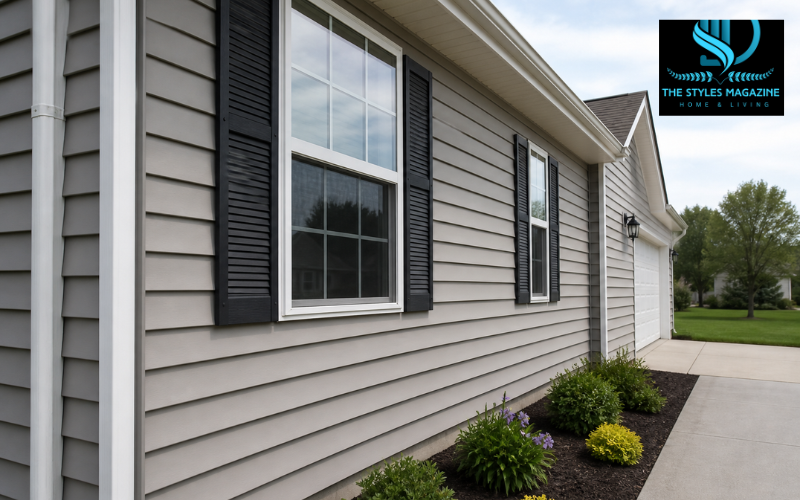
Vinyl siding has become one of the most popular exterior cladding options for homes across North America, and for good reason. It is affordable, visually appealing, relatively low maintenance, and available in a wide range of colors and styles. Whether someone is building a new home, renovating an older property, or comparing exterior materials, vinyl siding often becomes part of the conversation.
One of the most common questions homeowners ask is: how long does vinyl siding last? It’s a practical question because siding is not just about appearance. It protects the structure of the home from moisture, wind, sunlight, and changing temperatures. If siding begins to fail too early, repairs or replacement can become expensive.
In most cases, vinyl siding lasts between 20 and 40 years, with many homeowners seeing around 30 years of reliable performance. However, that number is not fixed. Some homes get much longer life from their siding, while others need replacement sooner. The difference often comes down to product quality, installation, weather exposure, and how well the siding is maintained over time.
In this guide, you’ll learn the real lifespan of vinyl siding, what affects its durability, how it performs in challenging climates, what warning signs to watch for, and how it compares with other siding materials in terms of longevity and long-term value.
Quick Comparison
| Siding Material | Average Lifespan | Maintenance Level | Long-Term Value |
| Vinyl Siding | 20–40 years | Low | High |
| Aluminum Siding | 20–40 years | Low | Good |
| Wood Siding | 20–40 years | High | Good |
| Fiber Cement Siding | 30–50+ years | Medium | Very High |
| Brick Siding | 75–100+ years | Very Low | Excellent |
The Average Lifespan of Vinyl Siding
When homeowners ask how long does vinyl siding last, the general answer is between 20 and 40 years. Under average residential conditions, many homes see about 30 years of performance before major repairs or full replacement become necessary.
That said, the real-world lifespan can vary quite a bit. Premium vinyl siding installed correctly on a well-maintained home may continue performing for 40 to 50 years or more. Lower-grade products exposed to harsh weather or poor installation may begin showing serious wear after only 15 to 20 years.
Manufacturers often advertise long product warranties, sometimes extending for decades or even a lifetime. While warranties can be helpful, they don’t always reflect how siding performs in everyday conditions. Real-world performance depends on constant exposure to sunlight, moisture, wind, debris, and seasonal temperature changes.
For most homeowners, a realistic expectation is that vinyl siding will deliver strong performance for at least two to three decades, provided it is installed properly and cared for over time.
What Determines How Long Vinyl Siding Lasts
The lifespan of vinyl siding depends on several important factors, and understanding them can help homeowners make better decisions.
Material quality plays a major role. Higher-quality vinyl siding is often thicker, stronger, and designed with better UV protection. These features help it resist fading, cracking, and brittleness as it ages. Lower-grade products may look fine at first, but they often wear faster under daily environmental stress.
Installation quality is equally important. Even premium siding can fail early if installed incorrectly. Vinyl expands and contracts with temperature changes, so panels need enough room to move naturally. If siding is nailed too tightly or installed without proper spacing, it can buckle, warp, or loosen over time.
Climate also has a major impact. Homes in sunny regions may experience faster fading and heat-related expansion. Homes in wet or storm-prone areas may deal with moisture infiltration, impact damage, or wind-related movement. Freeze-thaw cycles can also stress the material year after year.
Routine maintenance helps extend the life of siding. Dirt, mold, and moisture buildup can slowly damage both the siding and the structure underneath. Simple cleaning, inspections, and early repairs often make a noticeable difference in long-term durability.
How Long Does Vinyl Siding Last in New England Weather
Many homeowners specifically ask how long does vinyl siding last in New England, and that’s an important regional question. New England weather creates unique challenges that can shorten siding lifespan if materials or installation quality are poor.
Winters in this region often bring freezing temperatures, snow accumulation, and repeated freeze-thaw cycles. These temperature swings cause vinyl siding to expand and contract more frequently than in milder climates. Over time, that movement can stress fasteners and panel connections.
Moisture exposure is another concern. Snow, ice, rain, and coastal humidity can all affect siding performance. If moisture gets trapped behind the panels because of improper installation or damaged house wrap, it can lead to mold, rot, or structural issues beneath the surface.
Strong storms and wind-driven debris can also cause cracking or loosen panels.
In New England, high-quality vinyl siding installed correctly can still last 25 to 40 years or longer. However, cheaper materials or poor workmanship may lead to noticeable problems much sooner compared with homes in more stable climates.
Signs Your Vinyl Siding Is Near the End of Its Life
Even durable siding eventually begins to show signs of aging. Recognizing those warning signs early can prevent larger repair bills later.
Fading is often one of the first visible changes. Over time, UV exposure can break down the protective surface of the siding, causing colors to lose their original appearance. While fading alone is often cosmetic, severe discoloration may suggest the material is weakening.
Cracks and holes are more serious concerns. These openings allow moisture to reach the layers underneath, which can lead to mold growth or wood rot. Small cracks may start from impact damage caused by hail, lawn equipment, or debris.
Warping or buckling is another major warning sign. Panels that no longer sit flat against the home may indicate installation problems, heat damage, or age-related material stress.
Loose or rattling panels during windy conditions may also signal that fasteners or locking systems are wearing out.
Sometimes the warning signs appear indoors. Peeling paint, damp drywall, or wallpaper that begins separating from walls may suggest moisture is entering behind damaged siding.
When multiple signs appear together, replacement may become more practical than repeated repairs.
How to Make Vinyl Siding Last Longer
If homeowners want to maximize their investment, there are several ways to extend siding life.
Regular cleaning helps prevent dirt, algae, and mildew buildup. Washing siding once or twice a year with mild soap and water is usually enough to keep it in good condition. In areas with heavy pollen, humidity, or tree coverage, more frequent cleaning may be useful.
Annual inspections are equally important. Checking for loose panels, cracks, gaps, or moisture problems allows homeowners to catch issues early before they spread.
Proper drainage around the home also protects siding. Gutters, downspouts, and landscaping should direct water away from the walls. Standing water or overflowing gutters can lead to moisture damage behind the panels.
Prompt repairs help prevent minor issues from becoming expensive structural problems. A single loose panel may be inexpensive to fix, but if ignored, it can allow water intrusion that damages insulation or framing.
Seasonal care also matters. After winter storms or summer heat waves, a quick inspection can identify new damage before it worsens.
With consistent care, vinyl siding often performs beyond its average lifespan.
How Vinyl Siding Compares to Other Siding Materials
Homeowners often compare siding options before making a final decision.
Those asking how long does aluminum siding last will find that aluminum typically lasts 20 to 40 years. It resists insects and fire well, but it can dent more easily than vinyl.
When asking how long does wood siding last, the answer is usually 20 to 40 years, though high-end wood can last longer with excellent maintenance. Wood offers natural beauty, but it requires regular painting, sealing, and protection against rot and pests.
For those researching how long does fiber cement siding last, the average lifespan often ranges from 30 to 50 years or more. It is highly durable, resistant to fire and insects, and performs well in many climates, though installation costs are higher.
Homeowners also ask how long does brick siding last. Brick can easily last 75 to 100 years or more with minimal maintenance, making it one of the most durable exterior materials available.
Vinyl often provides the best balance between affordability, appearance, and maintenance. While it may not last as long as brick, it offers strong long-term value for many households.
How Much Does Vinyl Siding Cost Over Its Lifetime
Another common question is how much does vinyl siding cost over the life of the home.
Initial installation costs vary depending on region, material quality, labor rates, and home size. In many markets, vinyl remains one of the most affordable siding materials compared with wood, fiber cement, or brick.
Over time, maintenance costs are generally low. Vinyl does not require painting, staining, or sealing, which saves homeowners money compared with wood siding.
Repair costs are usually manageable if damage is limited to a few panels. However, matching older colors can sometimes be difficult, especially after years of sun exposure.
When looking at the total cost over 30 or 40 years, vinyl often remains one of the most budget-friendly choices because of its combination of low upkeep and reasonable replacement costs.
Cost to Replace Siding on a 2,000 Sq Ft House
Many homeowners planning renovations ask about the cost to replace siding on a 2,000 sq ft house.
Replacement pricing depends on several variables, including siding material, labor rates, local building codes, insulation upgrades, and disposal fees for old materials.
For vinyl siding, costs often fall within a broad range depending on product quality and regional labor markets. Homes with multiple stories, unusual architecture, or extensive trim work may cost more because installation takes longer.
Removing old siding adds to the final bill, especially if hidden water damage or structural repairs are discovered during the process.
Contractor experience also affects pricing. Skilled installers may charge more upfront, but quality workmanship often prevents expensive repairs later.
Because pricing varies significantly by location, homeowners should compare multiple estimates before making a decision.
Repair vs Replacement — Knowing When Vinyl Siding Is No Longer Worth Fixing
Not every siding problem requires full replacement. Small cracks, loose panels, or isolated impact damage can often be repaired quickly and affordably.
However, there comes a point when replacement becomes the smarter financial choice.
Older siding may become brittle, faded, or uneven in color. Even if individual repairs are possible, the overall appearance may remain inconsistent.
Structural problems are another warning sign. If moisture has entered behind the siding and damaged insulation, framing, or sheathing, replacing the affected sections may not be enough.
Age also matters. If siding is already 25 to 35 years old and developing multiple issues, repeated repairs may cost more in the long run than a full replacement.
A professional inspection can help determine whether targeted repairs will restore performance or if a complete update makes better financial sense.
Common Mistakes That Shorten Vinyl Siding Lifespan
One of the biggest reasons siding fails early is poor installation. Panels installed too tightly may warp as temperatures change, while loose installation can lead to wind damage.
Ignoring small cracks or gaps is another common mistake. Minor damage may seem harmless at first, but moisture intrusion can create hidden structural problems over time.
Pressure washing can also cause damage if used incorrectly. Excessive pressure can force water behind the panels or even crack aging siding.
Choosing low-grade siding for harsh climates is another issue. Homes in snowy, humid, coastal, or high-heat areas often need stronger, thicker products to achieve full lifespan expectations.
Many homeowners focus only on upfront cost and overlook long-term performance, which can lead to earlier replacement and higher total expenses.
Conclusion
So, how long does vinyl siding last? In real-world conditions, most homeowners can expect vinyl siding to last between 20 and 40 years, with around 30 years being common. Premium materials, expert installation, and regular maintenance can sometimes push that lifespan much further.
Climate, sunlight, moisture exposure, and product quality all play important roles in determining how long siding performs. Recognizing warning signs early and taking care of small issues before they become larger problems can add years to its life.
For homeowners planning an exterior renovation or considering replacement, vinyl siding continues to offer a strong balance of cost, durability, and low maintenance. Making the right choices at the start can help protect your home and your investment for decades.
FAQs
How Long Does Vinyl Siding Last On Average?
Most vinyl siding lasts between 20 and 40 years. Homes with better materials, expert installation, and routine maintenance often get closer to the upper end of that range.
Can Vinyl Siding Last 50 Years?
Yes, premium vinyl siding can sometimes last 50 years or more if it is installed correctly, protected from major weather damage, and maintained regularly.
How Do I Know If My Vinyl Siding Needs Replacement?
Common signs include fading, cracks, warping, loose panels, moisture damage, or higher energy bills caused by reduced insulation performance.
How Long Does Vinyl Siding Last In Cold Climates?
In colder areas like New England, vinyl siding may last 25 to 40 years, depending on freeze-thaw cycles, moisture exposure, and product quality.
Is Vinyl Siding Worth The Investment?
For many homeowners, vinyl siding offers strong long-term value because it combines affordability, durability, low maintenance, and attractive curb appeal.
Enjoyed it? Find more exclusive content on The Styles Magazine.
Disclaimer: This article is for educational and informational purposes only. Lifespan, repair costs, and replacement estimates may vary depending on climate, installation quality, material grade, and local contractor pricing. Always consult a qualified exterior contractor before making final decisions.