“Millennial grey” is more than just a color trend—it became a defining look for an entire generation. From apartment walls to kitchen cabinets and even flooring, shades of cool grey dominated interior spaces throughout the 2010s. What started as a fresh and modern alternative to older design styles quickly turned into a universal default for homes, offices, and rental properties.
Its rise was not accidental. Millennial grey offered simplicity, flexibility, and a sense of calm in a fast-changing world. It felt clean, modern, and easy to style, making it especially appealing to young homeowners and renters. At the same time, developers and property flippers embraced it as a safe choice that could attract a wide range of buyers.
But trends never stay still. In recent years, millennial grey has faced growing criticism for feeling cold, repetitive, and lacking personality. A new generation is pushing back, favoring warmer tones and more expressive interiors.
In this article, we’ll explore what millennial grey really is, why it became so popular, why it’s now being questioned, and what design trends are taking its place.
Millennial Grey at a Glance
| Aspect | Details |
| Definition | Cool-toned grey used across entire interiors |
| Popular Era | 2010s |
| Key Features | Minimal, neutral, monochromatic look |
| Why It Became Popular | Safe, modern, easy to style |
| Common Uses | Walls, flooring, furniture, decor |
| Main Criticism | Feels cold, repetitive, lacks personality |
| Modern Alternatives | Greige, taupe, sage green, warm browns |
| Current Trend Status | Declining but still used in moderation |
What Is Millennial Grey?
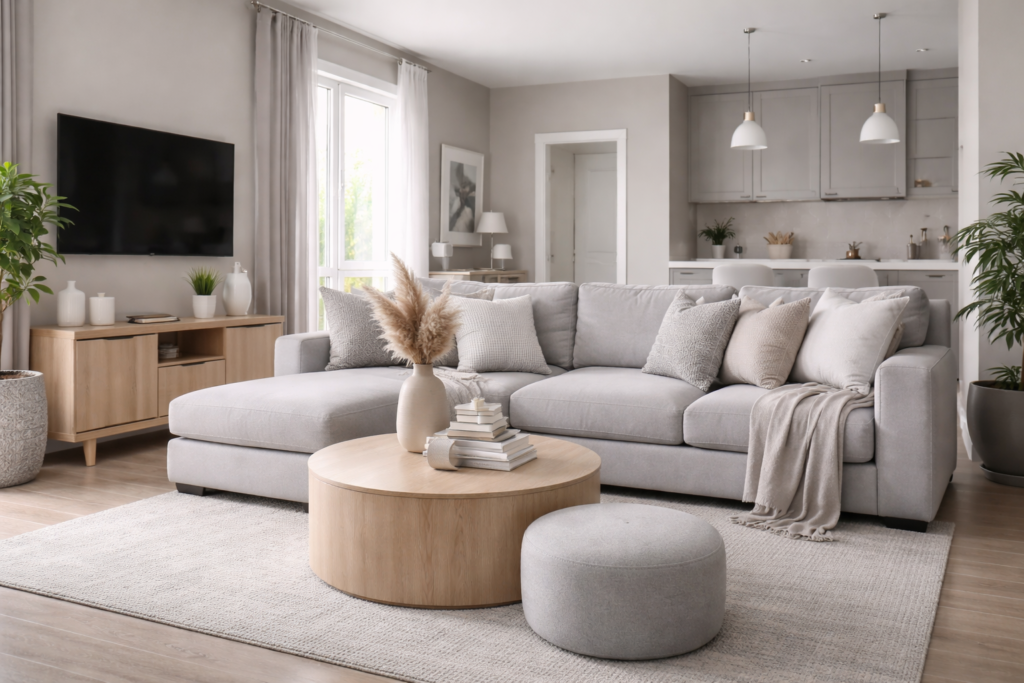
Millennial grey refers to a design style centered around cool-toned grey shades used across an entire space. It’s not just about painting walls grey—it’s about creating a cohesive, monochromatic look where nearly every element follows the same neutral palette.
In a typical millennial grey interior, you’ll find light or medium grey walls paired with grey laminate or vinyl flooring. Furniture often follows the same color scheme, with grey sofas, chairs, and even kitchen cabinets. Decorative elements, such as rugs and curtains, usually stay within the same muted range.
What makes this style distinct is its consistency. Unlike traditional neutral palettes that mix warm tones like beige, cream, or brown, millennial grey leans heavily into cooler shades. This gives spaces a sleek and modern feel, but it can also make them appear uniform or flat when overused.
The Rise of Millennial Grey in the 2010s
The popularity of millennial grey can be traced back to a major shift in design preferences during the early 2010s. Before that, interiors were dominated by warmer tones like beige, tan, and earthy reds. These colors were often associated with the design trends of the 1990s and early 2000s.
As tastes began to change, many people wanted something that felt cleaner and more contemporary. Grey became the perfect solution. It offered a break from the heavy, warm palettes of the past and introduced a lighter, more minimal look.
Minimalism also played a key role in its rise. Influenced by modern design movements and Scandinavian interiors, many people began to prefer uncluttered spaces with simple color schemes. Grey fit perfectly into this approach because it created a calm background without drawing too much attention.
Over time, this style spread quickly across social media, home renovation shows, and real estate listings, turning millennial grey into a global trend.
Why Millennial Grey Became So Popular
One of the main reasons millennial grey became so widespread is its versatility. Grey is often seen as a “safe” neutral that works with almost any accent color. Whether paired with white, black, or even bold tones, it provides a flexible base that’s easy to build around.
This made it especially appealing to first-time homeowners and renters who wanted a stylish look without taking risks. Choosing grey felt like a reliable decision that wouldn’t go out of style quickly.
The real estate industry also played a huge role in its popularity. Property developers, landlords, and house flippers began using grey to create a blank slate for potential buyers. A grey interior made it easier for people to imagine their own furniture and decor in the space, increasing its market appeal.
Social media platforms further amplified the trend. Clean, grey-toned interiors photographed well and became a common feature in home inspiration posts. As more people saw and shared these images, the style continued to grow in popularity.
The Psychology Behind the Grey Aesthetic
The appeal of millennial grey goes beyond appearance—it also has a psychological side. Neutral colors like grey can create a sense of calm and order, which many people find comforting.
For millennials, who came of age during times of economic uncertainty and rapid change, this sense of stability was especially appealing. A grey interior could feel like a controlled, predictable environment in contrast to a busy and unpredictable world.
Grey also supports a minimalist mindset. By reducing visual noise, it allows people to focus on simplicity and organization. This can make spaces feel more relaxing and less overwhelming.
However, while this calm effect can be positive, too much grey can also feel emotionally flat. Without variation or warmth, spaces may start to feel less inviting over time.
The Backlash: From Trendy to “Sad Beige”
In recent years, millennial grey has faced growing criticism, especially from younger audiences. On social media, many people now describe it as boring, lifeless, or even “soul-crushing.”
This backlash is often linked to the idea of “sad beige,” a term used to describe overly neutral spaces that lack color and personality. While the term started as humor, it reflects a real shift in design preferences.
One of the main issues is overuse. When every surface in a home follows the same grey tone, it can create a repetitive and impersonal look. Instead of feeling calm, the space may start to feel cold or institutional.
Younger generations, particularly Gen Z, are now moving toward more expressive interiors. They tend to favor color, contrast, and individuality over uniformity, which puts millennial grey at odds with current trends.
How Millennial Grey Changed Modern Interiors
Despite the criticism, millennial grey has had a lasting impact on interior design. It helped redefine what modern homes look like and influenced how spaces are styled today.
One of its biggest contributions is the idea of a neutral base. Even as trends evolve, many people still prefer starting with a simple background and adding personality through decor.
At the same time, millennial grey led to a level of standardization. Many homes, apartments, and even commercial spaces began to look similar, especially in new developments. This created a consistent but sometimes repetitive design landscape.
Globally, the trend also spread across different regions, showing how powerful modern design influences can be when combined with media and real estate practices.
Modern Alternatives to Millennial Grey
As design preferences shift, many homeowners and designers are moving away from cool greys and exploring warmer, more inviting palettes. The focus is now on creating spaces that feel comfortable and personal rather than perfectly neutral.
Earthy tones are becoming more popular, including soft greens, warm browns, and muted shades inspired by nature. These colors bring warmth and depth that grey often lacks.
Another reason for this shift is the desire for individuality. People want their homes to reflect their personality, and adding color is one of the easiest ways to achieve that.
While grey is not disappearing completely, it is no longer the default choice it once was.
Warmer Neutrals: Greige, Taupe, and Soft Earth Tones
One of the most noticeable changes in interior design is the move toward warmer neutrals. Colors like greige (a mix of grey and beige), taupe, and soft earth tones offer a more balanced look.
These shades keep the versatility of grey but add a touch of warmth, making spaces feel more inviting. They work well with natural materials and create a softer, more comfortable atmosphere.
Unlike flat grey, warmer neutrals have more depth. They can change slightly depending on lighting, which adds visual interest without overwhelming the space.
This makes them a popular replacement for traditional millennial grey in modern interiors.
The Rise of “Millennial Green” and Nature-Inspired Shades
Another growing trend is the use of nature-inspired colors, often referred to as “millennial green.” Shades like sage, olive, and muted green are becoming common in both walls and decor.
These colors connect indoor spaces with the natural world, which is a key idea in modern design. They create a calming environment while still adding more character than plain grey.
This shift also reflects a broader interest in sustainability and natural living. People are increasingly drawn to colors that feel organic and timeless rather than artificial or overly polished.
Gen Z Brown and the Return of Rich, Moody Interiors
While millennials favored light and neutral spaces, Gen Z is embracing deeper and more dramatic tones. Rich browns, dark woods, and moody color palettes are making a strong comeback.
This trend, sometimes called “Gen Z brown,” focuses on warmth and nostalgia. It often includes vintage-inspired elements and layered colors that create a cozy, lived-in feel.
Compared to millennial grey, these interiors feel more expressive and less uniform. They highlight individuality and comfort rather than simplicity alone.
Breaking the Grey: The Role of Texture and Materials
Another important shift in design is the focus on texture. Instead of relying only on color, designers are using different materials to add depth and interest to a space.
Wood, brass, linen, and velvet are popular choices that bring warmth and variety. Even in neutral spaces, these materials can prevent the design from feeling flat.
Texture helps break up the monotony often associated with millennial grey. It creates contrast and makes a room feel more dynamic without requiring bold colors.
This approach allows people to keep a neutral palette while still achieving a rich and inviting look.
Is Millennial Grey Still Relevant Today?
Millennial grey is no longer the dominant trend it once was, but it hasn’t completely disappeared. In some cases, it still works well—especially when used in moderation.
For example, grey can serve as a background color when combined with warmer tones or natural materials. It can also work in modern or industrial-style spaces where a cooler palette fits the overall design.
However, using grey throughout an entire space is becoming less common. Today’s interiors tend to mix colors, textures, and styles to create a more balanced and personalized look.
The key is to use millennial grey thoughtfully rather than relying on it as the default choice.
Conclusion
Millennial grey started as a fresh and modern alternative to older design styles, quickly becoming one of the most recognizable interior trends of the 2010s. Its clean, simple look and versatility made it a favorite among homeowners, designers, and real estate professionals.
Over time, however, its widespread use led to criticism. Many people began to see it as repetitive and lacking personality, leading to the rise of new trends that emphasize warmth, color, and individuality.
Today, the story of millennial grey is a reminder that design is always evolving. What feels modern today may feel outdated tomorrow. Instead of following trends too closely, the best approach is to create spaces that reflect personal style and feel comfortable over time.
In the end, whether you still love millennial grey or prefer newer alternatives, the goal remains the same: to design a home that feels welcoming, balanced, and uniquely yours.
FAQs (People Also Ask)
What Does Millennial Grey Mean?
Millennial grey refers to a design trend where cool grey tones are used throughout a space to create a clean, modern, and neutral look.
Why Was Millennial Grey So Popular?
It became popular because it felt safe, modern, and versatile. It also worked well for real estate, making homes look clean and appealing to buyers.
Why Do People Dislike Millennial Grey Now?
Many people find it too plain and repetitive. It can make spaces feel cold or lifeless, which is why newer trends focus on warmer and richer colors.
Is Millennial Grey Completely Out Of Style?
No, it’s not fully out of style. However, it is now used more carefully, often combined with warmer tones and textures instead of dominating entire spaces.
What Colors Are Replacing Millennial Grey?
Warmer neutrals like greige and taupe, along with earthy shades like sage green and brown, are becoming more popular in modern interiors.
Disclaimer: This content is for informational purposes only and reflects general design trends and opinions. Interior design choices may vary based on personal preferences, space, and cultural influences.
Loved Reading This? Discover More Exclusive Stories And Updates At The Styles Magazine!