The 2000s Tuscan house was one of the most recognizable home design trends of the early 21st century. Popular across suburban neighborhoods in North America, this architectural style aimed to capture the warmth, elegance, and rustic beauty of homes found in the Italian countryside. With its earthy colors, textured materials, and dramatic design features, the style created a sense of Mediterranean luxury that many homeowners found appealing during that time.
The inspiration for the 2000s Tuscan house came from traditional villas in the Tuscany region of Italy. These historic homes are known for their stone walls, terracotta roofs, and relaxed connection with the surrounding landscape. Builders and designers in North America adapted these ideas to suit modern suburban homes, blending European-inspired details with the larger layouts and amenities that buyers expected.
The popularity of this style also coincided with the rise of the so-called “McMansion era,” when large, visually impressive homes became symbols of comfort and success. Many developers used Tuscan design elements to make suburban houses feel more luxurious and distinctive. As a result, entire neighborhoods were built with Mediterranean-inspired architecture.
Even though trends in home design have changed over the years, the 2000s Tuscan house continues to be widely discussed in architecture and interior design circles. Some people view it as a nostalgic reminder of early-2000s luxury, while others see it as a style that still offers valuable ideas about warmth, texture, and timeless materials.
The Origins of the 2000s Tuscan House Style
To understand the 2000s Tuscan house, it helps to look at its origins in traditional Tuscan architecture. The Tuscany region of Italy is famous for its countryside villas, farmhouses, and historic estates that date back centuries. These homes were designed to blend naturally with their environment, using locally available materials such as stone, clay, and wood.
Tuscan houses typically feature warm earth tones, textured surfaces, and simple yet elegant shapes. The design often includes clay tile roofs, thick stone walls, and arched doorways that create a sense of history and craftsmanship. These elements helped homes stay cool during hot Mediterranean summers while also giving them a distinctive appearance.
When American builders began adopting this style in the late 1990s and early 2000s, they adapted it for modern suburban living. Instead of small rural villas, developers built larger homes with spacious interiors, multiple living areas, and luxury amenities. While the architecture borrowed from Italian traditions, the scale and layout reflected the expectations of modern homeowners.
Luxury home development during the early 2000s played a major role in spreading the Tuscan trend. New housing communities often featured Mediterranean-style houses because they looked elegant and timeless. Buyers were attracted to the idea of living in a home that felt both rustic and luxurious.
The cultural appeal of Mediterranean-inspired living also influenced the trend. Many people associated Tuscan design with relaxation, outdoor dining, and a slower lifestyle. This romantic image helped the 2000s Tuscan house become one of the defining home styles of the decade.
Architectural Features That Defined a 2000s Tuscan House
One of the most noticeable aspects of a 2000s Tuscan house is its distinctive architecture. These homes were designed to stand out visually while still reflecting traditional Mediterranean influences.
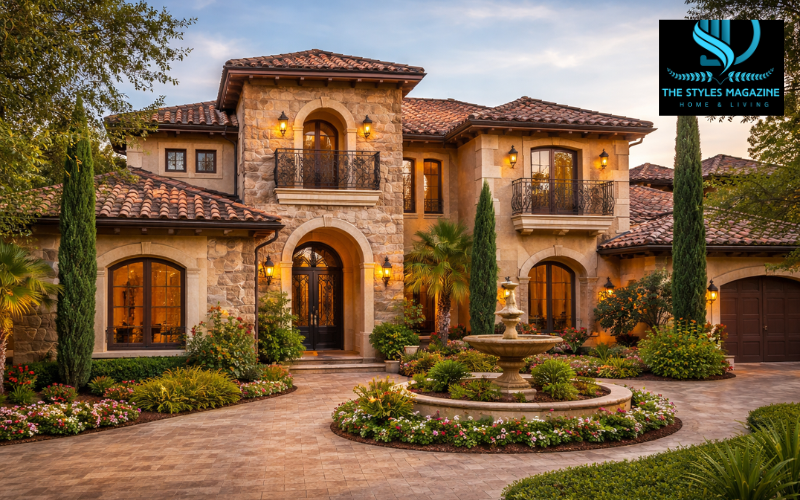
A common feature was the use of terracotta or clay tile roofing. The curved red or orange tiles gave houses a classic Mediterranean appearance and became one of the most recognizable parts of the style. These roofs added both texture and color to suburban neighborhoods.
Another defining element was the combination of stucco and stone exterior finishes. Many houses used warm beige or ochre stucco walls paired with decorative stone accents. This mix of materials helped create a rustic yet elegant look that echoed the natural buildings of Tuscany.
Arched windows, doors, and entryways were also widely used. The arch is a traditional architectural shape found throughout Mediterranean regions, and it added a sense of softness and character to homes. These arches often appeared above windows, door frames, and hallways.
Decorative wrought-iron details were another key part of the style. Balconies, railings, and window grilles were often made from dark metal with curved patterns. These details gave homes an old-world appearance while adding visual contrast to the lighter exterior walls.
Finally, many Tuscan-style houses featured large and dramatic façades. The early 2000s was a time when homeowners valued spacious layouts and impressive front elevations. As a result, the 2000s Tuscan house often had tall entryways, large windows, and multiple rooflines that created a grand appearance.
Exterior Design Elements That Created the Tuscan Look
Beyond architecture, exterior design played a major role in shaping the identity of a 2000s Tuscan house. Builders carefully selected colors, materials, and decorative elements to recreate the feeling of a Mediterranean villa.
Earth-toned color palettes were commonly used on exterior walls. Shades of tan, golden beige, and warm brown helped homes appear sun-baked and natural. These colors were chosen to reflect the tones of Italian landscapes and historic stone buildings.
Many houses also featured courtyard-style entrances. These entryways sometimes included stone pathways, wooden doors, and small outdoor seating areas. The design created a welcoming transition between the exterior and interior spaces.
Lighting fixtures were often decorative and made from wrought iron. Lantern-style lights placed near entryways or along exterior walls reinforced the Mediterranean atmosphere. These fixtures added both character and functionality.
Stone columns and textured architectural accents were another common feature. Columns around porches or entryways helped give homes a more traditional and elegant appearance. Textured stone veneers were also used to add depth and contrast to walls.
Landscaping further strengthened the Tuscan theme. Homeowners frequently planted olive trees, cypress trees, or drought-tolerant plants that resembled Mediterranean gardens. Even when these plants were adapted to local climates, they helped reinforce the idea of a Tuscan-inspired lifestyle.
Interior Design Characteristics of a 2000s Tuscan House
Inside the home, the 2000s Tuscan house continued the theme of warmth and rustic elegance. Interiors were designed to feel rich, dramatic, and welcoming.
Warm color palettes were one of the most noticeable characteristics. Walls were often painted in shades of burnt orange, deep yellow, or warm gold. These colors were meant to recreate the look of sunlit plaster walls found in Italian villas.
Textured wall finishes were also popular during this period. Venetian plaster, a decorative technique that creates depth and movement on walls, was frequently used to add a handcrafted feel to rooms. The result was a space that felt more artistic and traditional.
Rustic architectural details were another defining feature. Decorative trim, wooden beams, and arched doorways were often included throughout the interior. These elements helped maintain the Mediterranean style even inside modern suburban homes.
The overall design emphasized heavy materials and dramatic spaces. Furniture was often large and made from dark wood, while lighting fixtures were bold and ornate. Together, these details created interiors that felt luxurious yet connected to rustic European traditions.
The Famous Tuscan-Style Kitchen of the 2000s
Among all the rooms in a 2000s Tuscan house, the kitchen became one of the most iconic spaces. Designers often treated the kitchen as the center of the home, combining functionality with decorative details.
Dark wood cabinetry was a signature element. Cabinets made from cherry, walnut, or espresso-colored wood added warmth and richness to the room. The darker tones contrasted with lighter countertops and backsplashes.
Granite countertops were extremely popular during the early 2000s. Stones with warm golden or brown patterns, such as Santa Cecilia granite, became common choices because they matched the Tuscan color palette.
Backsplashes often featured tumbled marble tiles or textured stone. These materials helped create a rustic appearance that complemented the cabinets and countertops.
Large kitchen islands also became standard in many homes. These islands provided space for cooking, dining, and gathering, reflecting the idea that the kitchen should be a social hub for families and guests.
Decorative iron lighting fixtures completed the look. Chandeliers or hanging lights with curved metal designs reinforced the Mediterranean theme while adding warmth to the room.
Materials and Finishes Commonly Used in Tuscan Homes
The materials used in a 2000s Tuscan house were carefully chosen to emphasize texture and authenticity. Designers wanted homes to feel rich, natural, and slightly rustic.
Travertine tile flooring was widely used throughout living areas, kitchens, and bathrooms. This natural stone has a warm color and subtle texture that fits well with Mediterranean design.
Exposed wooden ceiling beams were another hallmark of the style. Even when the beams were decorative rather than structural, they helped give rooms a farmhouse-like charm.
Natural stone appeared in many areas of the home, including fireplaces, walls, and outdoor patios. These stone surfaces added depth and reinforced the rustic theme.
Ornamental iron fixtures were also common. Chandeliers, stair railings, and decorative accents were often made from dark metal with intricate shapes.
All of these materials worked together to create rich textures that made the interior feel layered and luxurious.
Why 2000s Tuscan Houses Became So Popular
The popularity of the 2000s Tuscan house was closely connected to the housing boom that occurred during the early years of the decade. Rapid suburban expansion led to the construction of many large homes designed for growing families.
Homeowners were attracted to the idea of living in a house that felt elegant and inspired by European culture. The Tuscan style provided a sense of luxury while still appearing warm and comfortable.
Media also played a role in spreading the trend. Home design magazines, television shows, and real estate advertisements often featured Mediterranean-inspired homes. These images encouraged buyers to associate Tuscan architecture with upscale living.
Large interiors were another important factor. High ceilings, spacious kitchens, and grand entryways made these houses feel impressive and inviting. For many families, the style represented a combination of beauty, comfort, and status.
The Decline of the Tuscan Style in Modern Home Design
Over time, changing tastes led to a decline in the popularity of the 2000s Tuscan house. By the early 2010s, many homeowners began preferring lighter and simpler interiors.
Minimalist design trends became more influential. Clean lines, neutral colors, and open spaces started replacing the heavier decorative elements that had defined Tuscan homes.
Some critics also felt that the style had become overly ornate. Features such as dark cabinets, heavy textures, and large decorative items were seen as outdated compared with modern design preferences.
Another reason for the decline was oversaturation. Because so many suburban developments used the Tuscan style, it eventually lost its sense of uniqueness.
The Modern Revival of the 2000s Tuscan House Style
Despite its decline, interest in Mediterranean-inspired design has started to grow again in recent years. Designers are exploring ways to reinterpret the 2000s Tuscan house with a more modern approach.
In many updated homes, the architectural inspiration remains the same but the details are simplified. Lighter interiors, smoother surfaces, and more natural lighting help create a fresh look.
Natural stone and wood are still used, but in a more balanced way. Instead of heavy textures everywhere, designers often choose a few key materials that highlight craftsmanship without overwhelming the space.
Nostalgia also plays a role in the revival. As design trends cycle over time, many homeowners are rediscovering the warmth and character that Tuscan-style homes can provide.
Key Differences Between Classic and Modernized Tuscan Homes
While the classic 2000s Tuscan house emphasized dramatic interiors and rich textures, modern interpretations tend to be more refined.
Traditional Tuscan interiors often used darker colors and heavier decorative elements. Modern Mediterranean homes usually prefer lighter tones and simpler furniture.
Materials have also evolved. Today’s designs still use stone and wood but often combine them with modern finishes such as smooth plaster walls and minimalist lighting.
Some architectural features remain timeless, including arched openings and natural materials. However, designers now simplify many decorative details to create a cleaner overall look.
Conclusion: The Lasting Design Legacy of the 2000s Tuscan House
The 2000s Tuscan house remains an important part of modern architectural history. During the early 2000s, this style shaped the appearance of many suburban neighborhoods and reflected the design preferences of the time.
Even though trends have changed, the Tuscan style continues to be recognizable and memorable. Its warm colors, natural materials, and Mediterranean inspiration still influence the way people think about comfortable and elegant homes.
Today, architects and designers are finding new ways to adapt these ideas for contemporary living. By combining classic elements with modern simplicity, the spirit of the 2000s Tuscan house continues to evolve and inspire future home design.
FAQs
What Is A 2000s Tuscan House?
A 2000s Tuscan house is a home design inspired by traditional Tuscan villas in Italy. It became popular in North American suburbs during the early 2000s and is known for terracotta roofs, stucco walls, arches, and warm Mediterranean-style interiors.
Why Were Tuscan-style Homes Popular In The Early 2000s?
They became popular because homeowners wanted luxurious houses with a European feel. The style also matched the large suburban homes that were being built during the housing boom of that time.
What Materials Are Commonly Used In A 2000s Tuscan House?
Common materials include terracotta roof tiles, stucco walls, natural stone, travertine floors, dark wood cabinets, and wrought-iron decorative elements.
Are Tuscan-style Homes Still Popular Today?
While the original style is less common today, modern designers are bringing back some Tuscan elements with lighter colors, simpler details, and updated materials.
What Makes A Tuscan-style Kitchen Different?
A Tuscan-style kitchen usually features dark wood cabinets, granite countertops, stone backsplashes, and decorative iron lighting, creating a warm and rustic atmosphere.
Disclaimer: The information in this article is provided for general educational and informational purposes only. Design trends, materials, and architectural styles such as the 2000s Tuscan house may vary depending on location, builder practices, and personal preferences. While every effort has been made to present accurate and up-to-date information, readers should conduct their own research or consult qualified architects, designers, or construction professionals before making any home design or renovation decisions. The content is intended to inform readers about architectural trends rather than provide professional building or financial advice.
Loved Reading This? Discover More Exclusive Stories And Updates At The Styles Magazine!