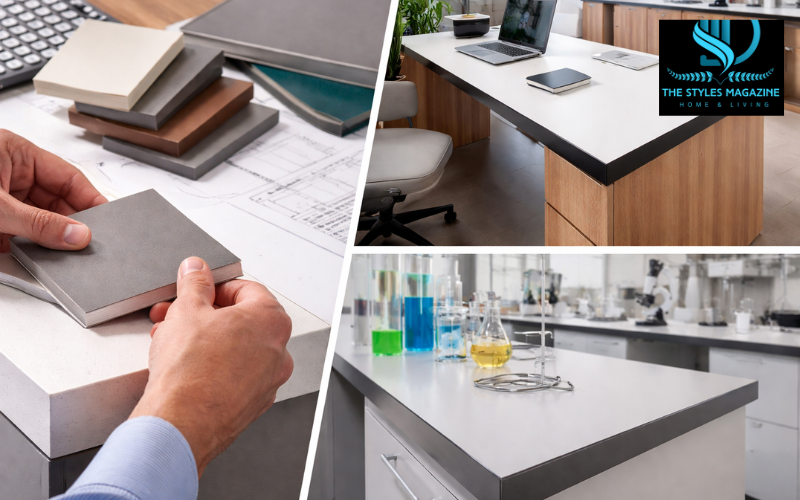
In the world of modern construction and interior design, surface materials play a major role in both appearance and durability. One material that has gained attention among designers and architects is Solicor. The term usually refers to a specialized surfacing product used in furniture, cabinetry, commercial interiors, and laboratory workspaces. Although the name may sound technical, the concept behind Solicor is simple: it is a high-performance laminate designed to provide a clean, seamless look while maintaining strong durability.
The most common reference to Solicor is SOLICOR™ laminate, produced by Wilsonart, a company known worldwide for decorative and functional surface materials. Unlike traditional laminate sheets that contain a brown core layer, Solicor laminate features a color-through core. This means the color of the surface runs through the entire sheet instead of stopping at the top layer. As a result, edges look cleaner and more consistent when the material is cut or shaped.
Designers, architects, and even laboratory planners choose Solicor surfaces because they combine visual appeal with practical performance. The material is made to handle everyday use, resist scratches and stains, and maintain its appearance over time. In commercial spaces where surfaces experience constant activity, these qualities are especially important.
Another reason for the growing popularity of Solicor is its versatility. It can be used in offices, retail environments, educational buildings, healthcare facilities, and even laboratory settings. In some specialized versions, such as lab-grade surfaces developed with Durcon, the material also offers chemical resistance and hygienic properties.
This article explains what Solicor is, how it works, and why it has become a trusted surface material in modern design and construction. By the end, readers will understand the technology behind Solicor laminate, its key benefits, where it is commonly used, and what factors to consider when choosing it for a project.
What Solicor Is
At its core, Solicor is a type of decorative and functional surface material used in interior construction. The term most often refers to SOLICOR™ laminate, a high-pressure laminate product created to provide both durability and a refined appearance. In the surfacing industry, it is known for its ability to create clean edges and consistent color throughout the material.
Traditional laminate typically consists of several layers of kraft paper pressed together with resin and topped with a decorative surface. These layers create a strong sheet, but they also leave a noticeable brown core visible along the edges. Solicor laminate was developed to solve this design limitation.
Instead of a brown interior, Solicor laminate uses a color-matched core. This means the inner layers of the material share the same color tone as the decorative surface. When the sheet is cut or shaped, the edges appear more uniform and visually integrated with the rest of the surface.
The manufacturer behind this material, Wilsonart, designed Solicor to meet the needs of modern architectural design. Many designers prefer materials that provide both performance and visual simplicity. By eliminating the dark core line that appears in traditional laminate, Solicor helps achieve a cleaner and more professional finish in furniture and interior installations.
Wilsonart SOLICOR™ Laminate Technology
To understand why Solicor performs well in commercial environments, it helps to understand how high-pressure laminate (HPL) technology works. High-pressure laminate is produced by layering multiple sheets of specially treated paper and bonding them together under heat and pressure. This process creates a dense, durable material that can be applied to various surfaces.
In the case of SOLICOR laminate, the manufacturing process follows the same basic HPL method but includes a key modification. The core layers are designed to match the color of the decorative surface layer. This approach creates the well-known color-through effect that defines Solicor products.
During manufacturing, decorative paper, kraft paper, and resins are compressed together at high temperatures. The result is a strong sheet that resists wear and maintains its appearance even in demanding environments. Because the color runs through the sheet, the edges maintain a consistent appearance when the material is trimmed, shaped, or routed.
This technology allows designers to use laminate in ways that previously required more expensive solid surface materials. Solicor provides a balance between affordability, durability, and visual quality, which makes it attractive for both commercial and institutional projects.
How Solicor Differs from Standard Laminate
One of the easiest ways to understand the difference between Solicor and traditional laminate is by looking at the edges of the material. Standard laminate usually has a visible brown core, created by the kraft paper layers inside the sheet. When the material is cut, this darker edge becomes noticeable and can interrupt the overall design.
Solicor laminate removes this issue by using a color-matched core. Because the inner layers are designed to match the decorative surface, the edge blends naturally with the rest of the material. This creates a more refined and seamless look.
The improvement may seem small at first, but it makes a noticeable difference in finished furniture and architectural elements. Clean edges are especially important for modern designs that emphasize minimalism and precision. Designers can route, bevel, or shape the edges of Solicor surfaces without revealing a contrasting core.
As a result, Solicor often appears closer to a solid material rather than a layered one. This visual advantage is one of the main reasons architects and interior designers choose it for contemporary commercial spaces.
Key Features of Solicor Surfaces
Solicor surfaces are designed to handle everyday use in both residential and commercial environments. One of their most important characteristics is durability. High-pressure laminate construction gives the material resistance against scratches and general wear, allowing it to maintain its appearance over time.
Another key feature is stain resistance. Many surfaces in offices, retail spaces, and educational buildings are exposed to frequent spills or contact with different substances. Solicor laminate is engineered to resist common stains, making it easier to keep surfaces clean and professional-looking.
The material also offers reliable long-term performance. Because it is manufactured under high pressure with durable resins, the structure remains stable even with regular use. This makes it suitable for areas where furniture or countertops experience constant contact.
For environments with heavy foot traffic or frequent activity, these qualities are essential. Solicor provides the strength needed for demanding spaces while still offering a polished visual finish.
Common Applications of Solicor
One reason Solicor has become popular is its wide range of applications. In interior design, it is frequently used for furniture and cabinetry surfaces. The clean edge appearance allows designers to create modern cabinets, desks, and shelving units without visible laminate lines.
Commercial countertops are another common use. Offices, retail stores, and hospitality spaces often require surfaces that can withstand regular use while maintaining a professional look. Solicor laminate provides that balance between style and durability.
In office interiors, the material is often used for workstations, reception desks, and meeting tables. Its durability helps ensure that these surfaces continue to look clean and consistent even after years of use.
Educational and institutional buildings also benefit from Solicor surfaces. Schools and universities need materials that can handle constant activity, and the durability of high-pressure laminate makes it well suited for these environments.
Solicor-CR for Laboratory Environments
In addition to standard applications, Solicor technology has also been adapted for laboratory settings. A specialized version called Solicor-CR was developed in collaboration with Durcon, a company known for laboratory furniture and surfaces.
Laboratories require materials that can withstand exposure to chemicals, moisture, and frequent cleaning. Solicor-CR surfaces are designed with chemical resistance, allowing them to maintain structural integrity when used in scientific or medical environments.
Another advantage is their relatively lightweight design compared with some traditional laboratory surfaces. This makes installation easier while still providing strong performance.
Because of these qualities, Solicor-CR is often used in educational laboratories, research facilities, and healthcare institutions where reliability and cleanliness are critical.
Hygiene and Safety Advantages of Solicor
Hygiene is an important consideration for many modern interior spaces, especially in healthcare and research environments. Solicor surfaces offer several advantages in this area.
One of the most important features is their non-porous surface structure. Non-porous materials do not easily absorb liquids, which helps prevent stains and reduces the chances of bacteria accumulating within the material.
The surface is also resistant to moisture, making it suitable for environments where spills or humidity are common. Regular cleaning can remove most contaminants without damaging the material.
Because of these qualities, Solicor surfaces are often chosen for spaces where hygiene is important, such as laboratories, clinics, and educational science facilities.
Design Advantages of Color-Core Surfaces
The defining visual benefit of Solicor laminate is its color-core design. Because the core of the sheet matches the surface color, the edges of the material appear cleaner and more consistent.
This feature allows designers to create furniture and architectural elements with smoother transitions and minimal visible seams. In modern interior design, these subtle details can significantly improve the overall aesthetic of a space.
Another advantage is the ability to shape edges more creatively. When designers cut or bevel standard laminate, the brown core becomes visible. With Solicor, shaping the edge does not disrupt the color, allowing for more refined finishing techniques.
The result is a surface that looks more integrated and polished, even though it is still a laminate product.
Difference Between Solicor and Solid Core Products
Because the names sound similar, some people confuse Solicor with solid-core materials used in construction. However, these are very different products.
Solicor is a decorative laminate used for surfaces such as furniture, cabinets, and countertops. It is designed to be applied over a substrate like particleboard or plywood.
Solid-core products, on the other hand, often refer to doors or structural components that contain a dense interior core. These doors are valued for their sound insulation and durability, but they are not surface laminates.
Understanding this difference helps prevent confusion when discussing building materials. While the names may sound alike, the products serve completely different purposes.
Industries That Use Solicor Materials
Many industries rely on Solicor surfaces because of their durability and visual quality. In commercial interior design, the material is commonly used for desks, cabinets, and decorative wall panels.
Healthcare environments also benefit from the hygienic and easy-to-clean properties of the surface. Hospitals, clinics, and laboratories often require materials that support both cleanliness and durability.
Educational institutions frequently choose Solicor for classrooms, laboratories, and administrative spaces. The material performs well under constant use while maintaining a clean appearance.
Corporate offices and hospitality environments also use Solicor surfaces to create modern interiors that combine practicality with aesthetic appeal.
Factors to Consider Before Choosing Solicor
Before selecting Solicor for a project, it is important to consider several practical factors. The first is the type of environment where the material will be used. High-traffic commercial areas may require stronger performance compared with residential settings.
Design goals are another important consideration. Because Solicor offers a color-through core, it is particularly beneficial for projects where clean edges and minimal seams are desired.
Performance expectations also matter. If the space involves frequent use, cleaning, or exposure to moisture, choosing a durable laminate like Solicor can help ensure long-term reliability.
By considering these factors, designers and project planners can determine whether Solicor is the most suitable material for their specific needs.
Maintenance and Care of Solicor Surfaces
Maintaining Solicor surfaces is generally simple. Regular cleaning with mild soap and water is usually enough to keep the surface looking clean and professional.
Avoiding harsh chemicals and abrasive cleaning tools can help protect the finish and extend the life of the material. While the laminate is durable, gentle care helps preserve its appearance.
For everyday use, wiping spills quickly and maintaining general cleanliness will help the surface remain in good condition. With proper care, Solicor surfaces can maintain their performance and visual quality for many years.
Conclusion
Solicor has become an important material in modern interior design and construction because it combines durability with a refined appearance. Unlike standard laminate, it features a color-through core that creates clean, seamless edges and improves the overall visual quality of finished surfaces.
Its strength, stain resistance, and long-lasting performance make it suitable for many environments, including offices, educational buildings, laboratories, and commercial interiors. Specialized versions such as Solicor-CR further expand its use in laboratory and healthcare settings.
Today, Solicor surfaces are widely used wherever designers need a balance between practicality and aesthetics. By offering the durability of high-pressure laminate with the visual advantage of a consistent color core, Solicor remains a reliable choice for modern projects that demand both performance and design quality.
FAQs
What Is Solicor Used For?
Solicor is mainly used for surfaces such as countertops, furniture, cabinetry, and commercial workspaces. It is popular in offices, retail stores, schools, and laboratories because it offers durability and a clean edge appearance.
How Is Solicor Different From Regular Laminate?
Unlike standard laminate, which has a visible brown core, Solicor laminate has a color-through core. This means the color runs throughout the sheet, creating cleaner edges and a more seamless look.
Is Solicor Durable For Commercial Environments?
Yes, Solicor is designed for high-use environments. It is resistant to scratches, stains, and everyday wear, making it suitable for offices, educational buildings, and other busy spaces.
Can Solicor Be Used In Laboratories?
Yes. A specialized version called Solicor-CR is designed for laboratory settings. It offers chemical resistance and a non-porous surface, making it suitable for research and medical environments.
Is Solicor Easy To Maintain?
Solicor surfaces are easy to maintain. Regular cleaning with mild soap and water is usually enough to keep the surface clean and in good condition.
Disclaimer: The information provided in this article is intended for general educational and informational purposes only. While every effort has been made to ensure the accuracy of the details presented about Solicor and related materials, specifications and product features may vary depending on the manufacturer, product line, and application. Readers should consult official product documentation or contact manufacturers or qualified professionals before making purchasing or installation decisions. This article does not represent or replace professional advice related to construction, design, or material selection.
Loved Reading This? Discover More Exclusive Stories And Updates At The Styles Magazine!