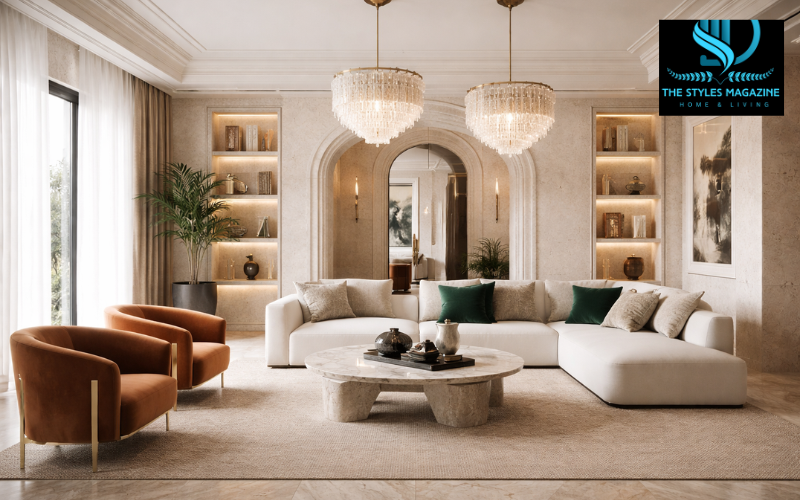
Modern Italian interior design has become one of the most admired design styles in the world. Known for its balance of elegance, comfort, and simplicity, this style reflects the artistic heritage of Italy while embracing modern living. Many homeowners and designers are drawn to it because it creates interiors that feel luxurious without being overwhelming.
Unlike some minimalist styles that can feel cold or empty, modern Italian interior design focuses on warmth and emotional comfort. The spaces are clean and refined, yet they still feel inviting and personal. Designers often combine high-quality materials, thoughtful lighting, and carefully selected furniture to create interiors that feel both stylish and livable.
Another reason this design approach has become popular in contemporary interiors is its ability to blend the past with the present. Italian homes often include classic architectural details like arches, decorative moldings, or stone walls. These traditional elements are paired with sleek modern furniture and simple layouts, creating a unique mix of history and modern aesthetics.
At its core, modern Italian interior design celebrates craftsmanship, natural materials, and thoughtful design. The result is a home that feels calm, sophisticated, and comfortable at the same time.
Overview of Modern Italian Interior Design
Modern Italian interior design is a design philosophy that combines traditional Italian artistry with contemporary minimalism. It reflects the Italian approach to living, where beauty, functionality, and comfort are equally important. The design style focuses on creating interiors that are elegant but never excessive.
One of the key ideas behind this style is something often called “warm minimalism.” While the design still follows the principle of keeping spaces clean and uncluttered, it avoids the sterile look sometimes associated with minimalism. Instead, it introduces warmth through natural materials, soft textures, and carefully chosen furniture.
This design style has gained popularity because it fits well with modern lifestyles. Many people today want homes that feel calm and organized, but they also want them to feel welcoming. Modern Italian interiors achieve this balance by combining simplicity with high-quality design details.
Another defining aspect of modern Italian interior design is the strong connection between tradition and innovation. Italy has a long history of art, architecture, and craftsmanship, and this heritage continues to influence modern interiors. Designers often incorporate contemporary furniture while respecting traditional materials and architectural features, creating spaces that feel both timeless and modern.
The Philosophy Behind Modern Italian Interior Design
The philosophy behind modern Italian interior design is deeply connected to Italian culture and lifestyle. In Italy, design is not just about decoration. It is about creating spaces that support everyday living while reflecting beauty and harmony.
Italian design has always been influenced by art, architecture, and craftsmanship. Cities like Milan, Florence, and Rome have shaped global design trends for centuries. Modern interiors continue this tradition by combining artistic expression with practical design solutions.
Elegance and simplicity are two important principles in this style. Rather than filling a room with many decorative items, modern Italian design focuses on a few well-chosen pieces that stand out for their quality and form. Each element in the room has a purpose, whether it is functional or aesthetic.
Another key concept is emotional comfort. A well-designed Italian home should feel relaxing and welcoming. This is why designers often use soft lighting, comfortable furniture, and warm materials that make a space feel inviting.
The idea of “quiet luxury” also plays a central role. Quiet luxury means that the beauty of a space comes from the quality of its materials and design rather than from excessive decoration. The luxury is subtle and refined, allowing the craftsmanship and materials to speak for themselves.
Core Characteristics of Modern Italian Interior Design
Modern Italian interior design has several defining characteristics that make it recognizable. One of the most important features is the balance between classical architecture and modern furniture. Many Italian homes include traditional architectural elements such as high ceilings, arches, or decorative moldings. These features are often paired with sleek, contemporary furniture that creates an interesting contrast.
Another characteristic is the minimalist layout. Rooms are typically arranged in a way that feels open and uncluttered. However, unlike some minimalist styles, Italian interiors still feel warm and lived-in. The design focuses on creating a comfortable atmosphere while maintaining visual simplicity.
Furniture in modern Italian interiors often features clean and sculptural forms. Sofas, chairs, and tables tend to have smooth lines and balanced proportions. Some pieces include gentle curves that add softness to the space and reflect natural shapes.
Craftsmanship is also essential. Italian design has a long tradition of high-quality craftsmanship, and this remains a defining element today. Whether it is a handmade leather sofa or a carefully finished wooden table, attention to detail is always visible.
These elements together create interiors that feel refined, balanced, and thoughtfully designed.
Premium Materials That Define Italian Interior Spaces
Materials play a very important role in modern Italian interior design. Designers often choose materials that are both beautiful and durable, allowing them to age gracefully over time.
Natural stone is one of the most recognizable materials in Italian interiors. Marble and travertine are frequently used for floors, countertops, and decorative surfaces. These stones add elegance and a sense of timeless luxury to a space.
Leather is another material strongly associated with Italian design. High-quality leather is often used in sofas, armchairs, and dining chairs. It adds comfort while also giving the furniture a refined appearance.
Wood is also widely used in modern Italian interiors. Rich woods with natural finishes help bring warmth into minimalist spaces. Wooden elements may appear in flooring, furniture, wall panels, or shelving.
Metals provide another layer of sophistication. Materials such as brass, chrome, and brushed steel are often used for lighting fixtures, table frames, or decorative details. These metals add subtle shine and contrast to natural materials.
The careful combination of stone, leather, wood, and metal is one of the reasons modern Italian interior design feels both luxurious and balanced.
Color Palettes That Shape Modern Italian Interiors
Color plays an important role in defining the atmosphere of modern Italian interiors. Designers typically begin with a neutral color palette that creates a calm and elegant foundation.
Colors such as white, cream, beige, and soft gray are commonly used on walls, floors, and large furniture pieces. These tones reflect natural light and make spaces feel open and airy.
Although the base palette is neutral, Italian designers often introduce bold accents to add personality. These accents may appear in decorative pillows, artwork, or statement furniture pieces. Jewel tones like emerald green, ruby red, or sapphire blue are popular choices because they bring depth and visual interest.
The key is balance. Accent colors are used carefully so that they complement the overall design without overwhelming it. Designers often coordinate colors with the materials used in the space, ensuring that everything feels harmonious.
This thoughtful use of color helps modern Italian interior design maintain its elegant and sophisticated appearance.
The Role of Furniture in Modern Italian Design
Furniture is one of the most important elements in modern Italian interior design. Italian furniture is known around the world for its combination of comfort, craftsmanship, and artistic form.
Most furniture pieces feature streamlined silhouettes and simple shapes. The designs avoid unnecessary decoration, allowing the quality of the materials and construction to stand out.
Many pieces are also sculptural, meaning they function not only as furniture but also as visual art. A carefully designed sofa or chair can become the centerpiece of a room.
Italian craftsmanship has played a major role in shaping this approach. Skilled artisans focus on details such as stitching, finishing, and material selection. This attention to detail ensures that each piece is both durable and beautiful.
At the same time, comfort remains a priority. Sofas are designed to be inviting, and seating arrangements encourage relaxation and conversation. The goal is to create a space that feels both stylish and comfortable.
Statement Lighting as a Design Centerpiece
Lighting is treated as an important design feature in modern Italian interiors. Rather than being purely functional, lighting fixtures often serve as artistic focal points within a room.
Oversized chandeliers or sculptural pendant lights are common choices in living rooms and dining areas. These fixtures add character and help define the overall style of the space.
Floor lamps with unique shapes are also popular. Designers often place them beside sofas or reading areas, where they provide both light and visual interest.
Another important aspect of Italian lighting design is the balance between natural and artificial light. Large windows allow daylight to fill the space, making rooms feel brighter and more open.
Artificial lighting is then layered carefully to create a warm and comfortable atmosphere in the evening. This thoughtful approach ensures that the lighting enhances the beauty of the interior.
Texture and Layering for Depth and Comfort
Even though modern Italian interior design often uses minimalist layouts, texture plays a crucial role in making spaces feel warm and inviting.
Soft materials such as velvet, silk, bouclé, and cashmere are frequently used in upholstery, cushions, and throws. These fabrics add comfort while also creating visual depth.
Designers often combine different textures within the same room. For example, a smooth marble surface might be paired with a soft velvet sofa or a textured wool rug.
This layering effect helps prevent minimalist spaces from feeling flat or empty. Instead, the room gains warmth and character while maintaining a clean aesthetic.
Texture is therefore an important tool for balancing simplicity and comfort in modern Italian interiors.
Smart Space Planning in Modern Italian Homes
Space planning is another essential aspect of modern Italian interior design, especially in urban environments where apartments may be smaller.
Italian designers focus on making spaces feel open and bright. Large windows, light colors, and minimal clutter help create an airy atmosphere.
Storage solutions are often cleverly concealed within furniture or walls. Cabinets and shelves are designed in a way that keeps everyday items organized without disrupting the visual simplicity of the space.
Open layouts are also common. Living rooms, dining areas, and kitchens may be connected to create a more spacious environment. This layout encourages social interaction while maximizing natural light.
These strategies allow modern Italian interiors to remain both functional and visually appealing.
Vertical Design Elements That Add Elegance
Vertical elements are frequently used in modern Italian interior design to enhance the sense of height and elegance in a space.
Floor-to-ceiling curtains are a common feature. They draw the eye upward and make ceilings appear higher, adding a feeling of grandeur.
Tall shelving units and modular storage systems also emphasize vertical lines. These features provide practical storage while contributing to the overall design.
Vertical wall panels or architectural details can further enhance the visual structure of a room. These elements add depth and sophistication without overwhelming the space.
By using vertical design techniques, Italian interiors often feel more spacious and refined.
Popular Styles Within Modern Italian Interior Design
Contemporary Milanese Style
The contemporary Milanese style reflects the design culture of Milan, one of the world’s leading design capitals. Interiors in this style emphasize precision, high-quality materials, and understated elegance. Glass, polished stone, and brass details are often combined to create a sophisticated atmosphere.
Mediterranean Minimalism
Mediterranean minimalism draws inspiration from Italy’s coastal regions. Interiors in this style are bright and airy, with a strong connection to outdoor spaces. Natural light, light-colored materials, and open layouts create a relaxed and comfortable environment.
Industrial Italian Chic
Industrial Italian chic combines the raw elements of industrial architecture with refined Italian furniture. Exposed brick walls, metal structures, and concrete surfaces are paired with luxurious materials such as leather and marble. The result is a design style that feels both modern and sophisticated.
Bringing Modern Italian Interior Design Into Your Own Home
Many homeowners are inspired by modern Italian interior design and want to incorporate some of its elements into their own homes.
One of the easiest ways to achieve this look is by focusing on quality rather than quantity. Choosing a few well-crafted furniture pieces can have a greater impact than filling a room with many decorative items.
Materials also play an important role. Natural materials such as wood, stone, and leather can instantly add warmth and elegance to a space.
Lighting is another key element. Selecting a statement light fixture can transform the atmosphere of a room and create a focal point.
By combining thoughtful materials, balanced colors, and comfortable furniture, it is possible to create a home that reflects the elegance and simplicity of modern Italian interior design.
Conclusion
Modern Italian interior design stands out because it combines timeless craftsmanship with contemporary simplicity. The style focuses on quality materials, thoughtful design, and a balance between tradition and modern living.
Its emphasis on warm minimalism, natural materials, and elegant forms has made it a popular choice in homes around the world. Rather than relying on excessive decoration, the beauty of the space comes from its materials, proportions, and carefully selected furniture.
This design philosophy continues to influence contemporary interiors because it offers something many people are looking for today: a home that feels calm, sophisticated, and comfortable.
By blending Italian craftsmanship with modern minimalism, modern Italian interior design creates spaces that are both stylish and welcoming, ensuring its lasting appeal for years to come.
FAQs
What Is Modern Italian Interior Design?
Modern Italian interior design is a style that combines traditional Italian craftsmanship with contemporary minimalism. It focuses on elegant materials, simple layouts, and comfortable living spaces.
What Colors Are Commonly Used In Modern Italian Interiors?
Neutral colors such as white, beige, cream, and gray are commonly used as base tones. Designers often add bold accents like emerald green, deep blue, or ruby red for visual interest.
What Materials Are Popular In Modern Italian Interior Design?
Natural materials are essential, including marble, travertine stone, leather, rich woods, and refined metals like brass and chrome.
Why Is Lighting Important In Modern Italian Interiors?
Lighting plays a key role because it acts as both a functional element and a decorative feature. Sculptural lamps and statement chandeliers often become focal points in the room.
Can Modern Italian Interior Design Work In Small Apartments?
Yes, this style works well in small spaces. It uses smart layouts, hidden storage, and light colors to create open, airy environments.
Disclaimer: The information provided in this article is for general educational and informational purposes only. While every effort has been made to ensure accuracy, interior design preferences and trends may vary depending on individual taste, location, and project requirements. Readers should consider their specific needs and consult professional designers or specialists when making major design or renovation decisions.
Loved Reading This? Discover More Exclusive Stories And Updates At The Styles Magazine!