Some summer flowers look lovely from a distance. Beebalm is just as interesting up close, with shaggy, crown-like blooms and leaves that release a pleasant scent when touched. Known botanically as Monarda, this North American plant brings a relaxed, cottage-garden feel to borders without needing complicated care.
It also offers more than colour. Its nectar-rich flowers attract bees, butterflies and other visiting insects, making it a useful choice for wildlife-friendly British gardens. The secret to growing it well is choosing the right variety and giving its roots moisture without leaving them in soggy soil. Here is what to know about planting beebalm, keeping it healthy and enjoying its flowers year after year.
Quick-Answer:
Beebalm (Monarda) is a North American flowering plant from the mint family, known for its colourful summer blooms, fragrant leaves and ability to attract bees and butterflies. Most garden varieties are hardy perennials.
Beebalm Varieties Comparison Table
| Beebalm Variety | Flower Colour | Typical Height | Best Growing Conditions |
| Scarlet Beebalm (Monarda didyma) | Red or pink | 60–120 cm | Sun, moist but well-drained soil |
| Wild Bergamot (Monarda fistulosa) | Lavender or pale pink | 60–120 cm | Sun, well-drained soil; tolerates occasional dryness |
| Spotted Beebalm (Monarda punctata) | Pale yellow with purple spots | 45–75 cm | Sun, free-draining soil |
| Compact Beebalm Cultivars | Pink, red, purple or white | Often 30–50 cm | Sun or light shade, suitable moisture and drainage |
Quick Step-by-Step Guide to Growing Beebalm
- Choose a suitable spot: Find a sunny location with good airflow and enough room for mature growth.
- Prepare the soil: Add garden compost where needed and ensure excess water can drain away.
- Plant carefully: Position beebalm at its original pot depth and water thoroughly.
- Maintain moisture: Water young plants regularly and established plants during prolonged dry weather.
- Keep plants healthy: Remove faded flowers if desired, watch for powdery mildew and divide crowded clumps in spring.
What Is a Beebalm Plant?
Beebalm belongs to the mint family, which explains its square stems and fragrant foliage. Most garden-grown types are herbaceous perennials: they grow new shoots in spring, flower in summer and die back above ground during winter before returning. Some species, however, are shorter-lived and may grow as annuals or biennials in certain conditions.
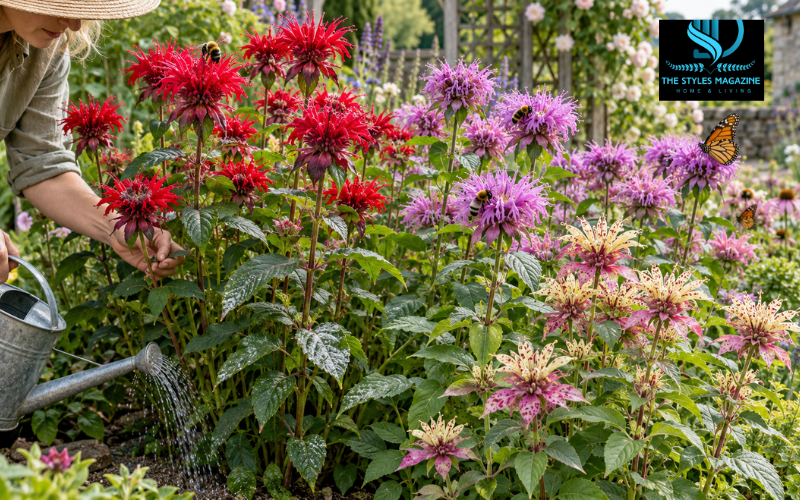
A beebalm plant has pairs of slightly toothed leaves along upright stems. At the top sit clusters of narrow, tubular flowers that can look like little fireworks. Depending on the species and cultivar, blooms may be red, pink, purple, lavender or white. The leaves smell minty and sometimes citrus-like when gently crushed.
You may see it sold as bergamot, wild bergamot or Oswego tea. These names cause occasional confusion: the bergamot orange used to flavour Earl Grey tea is a citrus fruit, not Monarda. The two share a name and some similarities in scent, but they are different plants.
Popular Beebalm Varieties for Home Gardens
Scarlet beebalm (Monarda didyma) is the familiar bright-red species, although garden selections come in other shades too. It prefers soil that stays reasonably moist and can spread through underground shoots. Its bold flowers stand out beautifully against green foliage, particularly in informal borders.
Wild bergamot (Monarda fistulosa) generally has soft lavender or pinkish-purple flowers and is more tolerant of moderately dry conditions once established. It still benefits from watering during prolonged drought. Its softer colouring works well with ornamental grasses and other summer perennials.
Spotted beebalm (Monarda punctata) looks rather different. Small, pale yellow flowers carry purple spots, while showy pinkish or whitish bracts provide much of the display. This shorter-lived species favours good drainage and can suit lighter, sandier soils better than scarlet beebalm.
Named cultivars offer further choices. ‘Gardenview Scarlet’ is a strong red-flowered option; ‘Marshall’s Delight’ produces pink flowers and has shown useful mildew resistance in trials. For limited space, consider compact ‘Pink Lace’. ‘Jacob Cline’ is vigorous and attractive, but its often-repeated mildew-resistant reputation is not a guarantee in every garden.
Before buying, check the label for mature height, spread and moisture needs. Beebalm reviews from gardeners in climates similar to yours can be helpful, especially when they describe long-term growth rather than just the flowers on arrival.
Beebalm Size, Growth Habit and Flowering Season
Beebalm size varies considerably. Compact cultivars may stay around 30–50 cm tall, while larger varieties commonly reach 60–120 cm in favourable conditions. Their spread also differs: some form fairly neat clumps, while others gradually move outwards through underground stems.
In Britain, many varieties flower from around July into August or September. Exact timing depends on the weather, location and cultivar. A warm, sheltered garden may see flowers sooner than a cooler northern site. Removing faded blooms can sometimes encourage a few more, although it will not keep every variety flowering continuously.
A newly planted clump may look modest in its first season. By its second or third summer, it can become much fuller. Allow room for that growth rather than squeezing young plants between established neighbours.
The Best Growing Conditions for Beebalm
For most garden beebalm, a sunny position gives the strongest flowering. Light or dappled shade is usually acceptable, but deep shade tends to produce fewer flowers and weaker stems. An open border where air moves freely is better than a cramped corner against a wall.
The ideal soil for many popular cultivars is fertile, moisture-retentive and well drained. This means it holds enough water to support growth but lets excess rain escape. Adding garden compost can improve the structure of sandy soil or heavy ground. If your garden stays waterlogged throughout winter, consider a raised bed or a better-draining position instead.
Remember that species differ. Scarlet beebalm appreciates more consistent moisture; spotted beebalm prefers freer-draining conditions. In a typical British summer, the main challenge may be keeping plants comfortable through dry spells, whereas winter calls for protecting their roots from standing water.
Give plants the spacing recommended for their eventual size, often roughly 30–60 cm apart for garden selections. Good airflow is especially valuable because crowded foliage is more likely to suffer from mildew.
How to Plant Beebalm Successfully
Spring and early autumn are generally good times to plant hardy beebalm in the UK. The ground is often workable and moist, giving roots time to establish without extreme heat. Avoid planting into frozen soil or ground that is saturated with water.
Start by clearing weeds and loosening the planting area. Mix in well-rotted compost if the soil needs improving, then dig a hole wide enough for the root ball. Set the plant at about the same depth it occupied in its nursery pot. Burying the crown too deeply can encourage problems in damp conditions.
Firm the soil gently around the roots and water thoroughly. Continue checking moisture while the plant settles, especially during a dry spring. A light layer of organic mulch helps the soil retain water, but keep it away from the base of the stems.
It is tempting to plant several small specimens close together for instant impact. Resist that urge: beebalm needs space to expand. Equally, do not assume that a plant which likes moisture will enjoy sitting in heavy, permanently wet clay.
Growing Beebalm from Seeds
Bee balm seeds are a budget-friendly way to raise several plants, particularly if you want a looser, meadow-style display. Buy seed labelled with the botanical species, because the growing requirements of Monarda didyma and Monarda punctata, for example, are not identical.
Spring is a convenient time to start seeds indoors in small trays of moist, free-draining seed compost. Sow thinly and follow the packet’s instructions about covering the seed: some types need only a very light covering, and certain species benefit from a period of cold, moist treatment before sowing. Germination can be uneven, so avoid throwing the tray away too early.
Keep seedlings in bright light and water gently, allowing excess moisture to drain. Once they are large enough to handle, move them into individual pots. Gradually get them used to outdoor conditions before planting them after the danger of hard frost has passed.
You can also sow suitable species outdoors into prepared soil at the time recommended on the seed packet. Be patient: seedlings may devote their first season mainly to roots and foliage. Seed collected from named hybrid cultivars will not necessarily produce plants identical to their parent.
Watering, Feeding and Everyday Beebalm Care
New beebalm plants need regular attention until their roots establish. Check the soil rather than watering by habit: if it feels dry below the surface, give the root area a thorough drink. Established plants usually cope with ordinary rainfall, but moisture-loving varieties may need extra water during warm, dry weeks.
Water at ground level where practical and avoid repeatedly soaking the foliage. This is helpful for general plant hygiene, although watering alone will not prevent powdery mildew. A layer of compost mulch in spring can reduce moisture loss and gradually improve the soil.
Beebalm seldom needs heavy feeding in reasonably fertile borders. Too much fertiliser can encourage lush, crowded growth without improving the flowers. Where soil is poor, adding compost or a modest amount of balanced fertiliser in spring is usually enough. Container-grown plants need closer attention because nutrients wash out of compost more readily.
As autumn approaches, reduce watering when growth slows. In winter, the priority is keeping drainage clear, not maintaining constantly wet soil. Expect the top growth of hardy perennial types to disappear until spring.
Pruning, Deadheading and Dividing Beebalm
When a flower head fades, you can snip it back to a healthy pair of leaves. This tidies the plant and may encourage some varieties to produce additional blooms. If you would rather leave seed heads for texture and visiting wildlife, there is no need to remove every one.
After flowering, stems gradually become tired and brown. They can be cut back in autumn, but leaving some standing through winter offers shelter for insects. A useful compromise is to tidy only the messiest growth, then remove or shorten old stems in spring before new shoots take over.
Established clumps may become crowded or spread farther than you intended. Every few years, inspect them in spring and divide if necessary. Lift the clump carefully, separate healthy rooted sections and replant those pieces into prepared, moist soil. Discard dead or weak central growth.
Dividing is also a reliable way to make more of a named cultivar while keeping its characteristics. Unlike raising seedlings, it produces new plants from the parent clump. Replant promptly and water well until the divisions begin growing strongly.
Common Beebalm Problems and How to Solve Them
Powdery mildew is the issue gardeners notice most often. It appears as pale, dusty patches on leaves and may spread until foliage yellows or drops. Crowded stems, still air and dry soil stress can all make the problem worse; mildew can develop even when leaves have not been splashed with water.
Choose a variety with a good record for resistance, allow space around plants and prevent prolonged drought. Remove badly affected, fallen foliage and clear away infected debris as the season ends. A little late-season mildew is often more unsightly than dangerous to an otherwise healthy perennial. Resistant varieties can still develop symptoms in difficult conditions.
Slugs may nibble tender shoots in spring. Check plants after damp nights and protect young growth with sensible, wildlife-conscious controls where needed. Yellowing leaves require a closer look: dry soil, exhausted foliage, poor nutrition and waterlogged roots can all produce similar signs.
If you find yourself asking, “Why is my bee balm not flowering?”, start with the light. Too much shade is a frequent reason. Also consider whether the plant is newly established, overcrowded or receiving more fertiliser than it needs. Long, floppy stems may indicate insufficient sunlight or competition for space.
Wilting is not always a sign of thirst. Feel the soil first. If it is very wet and the roots smell rotten or appear soft, improve drainage rather than adding more water. A plant that has suffered serious root damage may not recover, so preventing winter waterlogging is particularly important.
Growing Beebalm in Pots and Small Gardens
You do not need a large border to enjoy beebalm. Compact varieties such as ‘Pink Lace’ can make appealing container plants, particularly where visitors can appreciate the scented foliage and insects can reach the blooms.
Choose a sturdy pot with drainage holes and enough room for roots to develop. A container roughly 30–40 cm wide is a practical starting point for many compact plants, though vigorous cultivars need more space. Fill it with good-quality peat-free compost suitable for perennials and place it in sun or light shade.
Pots dry faster than garden soil, so check them regularly in summer. Water when needed and provide modest feeding according to the compost and fertiliser instructions. If roots fill the container, divide or repot the plant in spring, replacing tired compost.
During a wet British winter, raise pots on feet so water can escape. In exposed areas, group containers in a sheltered position or insulate them during severe cold, without sealing in moisture.
Beebalm Benefits for Pollinators and Garden Wildlife
One of the most welcome beebalm benefits is the activity around its flowers. Their nectar attracts bees and butterflies, while the plant adds colour at a time when many gardens are full of insects searching for food. The visitors you see will depend on your location and which Monarda you grow.
Beebalm sits comfortably among other summer-flowering perennials and grasses. Planting it alongside flowers with different bloom times can help provide a longer season of nectar rather than relying on one species alone. Leaving some old stems undisturbed may also benefit insects that shelter or nest in hollow plant material.
North American guides often mention hummingbirds visiting scarlet beebalm. That is a genuine attraction in the plant’s native region, but hummingbirds are not part of Britain’s wild garden birdlife. For UK growers, bees, butterflies and other insects are the more relevant wildlife benefit.
Beebalm Uses Beyond Its Decorative Flowers
Beebalm uses extend beyond the flower border. Several Monarda species have a history of use in herbal infusions, particularly Monarda didyma, which is associated with the traditional name Oswego tea. The aromatic leaves have also been used to flavour food, and suitable, correctly identified flowers can add colour to salads or garnishes.
If you plan to use it in the kitchen, identify the exact plant first and use only material grown without unsuitable sprays or other contaminants. Start with small amounts and avoid treating homemade infusions as medicine. Traditional use does not establish that a plant can safely cure an illness or suit everyone.
For decoration, beebalm works in relaxed cut-flower arrangements, wildlife borders and natural-looking planting with grasses. Cut stems when flowers are fresh and place them promptly in clean water. Its unusual shape gives arrangements texture even when only a few stems are used.
Searches for “beebalm lip balm” can refer to skincare products rather than the garden plant. Some products use Monarda extracts, while others simply use a similar name. Read the ingredients instead of assuming every balm contains beebalm or has proven skin benefits. Homemade essential oils and concentrated extracts also deserve caution, especially on sensitive skin.
Conclusion
Beebalm rewards a little thoughtful planning with a generous display of summer flowers. Choose a variety that suits your space and soil, give it enough light, keep its roots comfortable and avoid crowding the stems. Watch for mildew, especially during dry spells, and divide expanding clumps when they need room.
Whether you grow one compact plant in a pot or several among your border flowers, beebalm can bring colour, fragrance and welcome pollinator activity to a British garden for seasons to come.
Frequently Asked Questions
Is Beebalm A Perennial In The UK?
Yes, most commonly grown beebalm varieties are hardy perennials in the UK. Their stems die back during winter, but healthy roots produce fresh growth in spring when the soil begins warming.
When Does Beebalm Flower In The UK?
Beebalm usually flowers from July through August, sometimes continuing into September. Flowering depends on the variety, local weather and growing conditions. A sunny position generally encourages a better display.
Does Beebalm Spread Quickly In The Garden?
Some varieties, particularly scarlet beebalm, spread through underground stems and can form large clumps. Divide established plants when they become crowded to maintain healthy growth and prevent unwanted spreading.
Why Are My Beebalm Leaves Turning White?
A white, powdery coating usually indicates powdery mildew, a common fungal disease. Improve airflow, avoid overcrowding and prevent prolonged soil dryness. Choosing a mildew-resistant cultivar can also help reduce future problems.
Can Beebalm Grow Successfully In Pots?
Yes, compact beebalm varieties grow well in containers with drainage holes. Use good-quality peat-free compost, provide adequate sunlight and water regularly during dry weather. Repot or divide plants when overcrowded.
Disclaimer: The information in this article is intended for general gardening and educational purposes. Beebalm growing requirements can vary depending on the species, variety, soil conditions and local climate. Always follow plant-specific care instructions when planting or maintaining beebalm. Although some Monarda species have traditional culinary and herbal uses, not every plant or preparation is suitable for consumption or skincare. Identify plants correctly, check product ingredients and seek qualified medical advice before using herbal preparations for health purposes.
Enjoyed it? Find more exclusive content on The Styles Magazine.