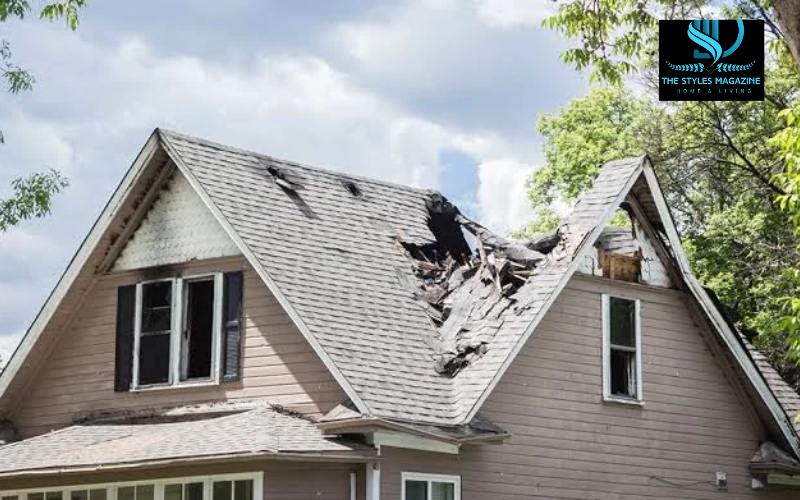
A gale comes through overnight, a row of tiles ends up on the drive and there’s water dripping into the back bedroom. The first thought, after “where’s the bucket”, is usually “will my policy pay for this?”
Sometimes it will. Quite often it won’t, or not all of it, and the reason is nearly always the same: wear and tear. We deal with roofs in Carlisle after every big storm, and we spend a fair bit of that time helping homeowners understand what their provider is likely to say before they make a claim. Here’s what tends to be covered, what tends not to be, and how to give a genuine claim the best chance.
Storm Damage Versus Wear and Tear
Almost every buildings policy covers storm damage. Almost none cover gradual deterioration. The trouble is that a storm usually finds the weakest parts of a roof first, so the damage you see after a gale is often a mix of the two.
Providers, and the Financial Ombudsman Service if a complaint gets that far, tend to ask three questions:
- Were there storm conditions on or around the date of the damage?
- Is the damage consistent with what a storm typically causes?
- Were the storm conditions the main cause of the damage?
The first is usually easy. Many providers treat wind gusts of around 55mph or more as a storm, and they’ll check weather records for your postcode. The second and third are where claims fail. If the slates that blew off were held on with rusted nails, or the ridge that came down had mortar that was already crumbling, the provider may say the storm only exposed a problem that was already there.
That’s why a roofer’s report matters so much. A firm that does roof repairs in Carlisle day in, day out will know what storm damage looks like compared with slow decay, and a clear description of what failed and why, with photos, is the evidence the provider’s assessor will weigh up against their own view.
What’s Usually Covered
These are the kinds of claims that tend to go through, assuming the roof was in reasonable condition beforehand:
- Tiles or slates blown off in a named storm or a recorded gale
- A chimney stack or pot brought down by high wind
- A fallen tree or branch damaging the roof
- Lightning strike or fire damage
- Internal damage caused by sudden storm ingress, such as a ceiling coming down after tiles were lifted
Many policies also cover the cost of an emergency temporary repair, such as tarpaulin or temporary tiles, to stop further damage. Keep the receipt.
What Usually Isn’t
These are the claims we see turned down most often around Carlisle:
- Slow leaks that have been staining a ceiling for months
- Slipped slates from nail fatigue, where the original fixings have corroded over decades
- Cracked or eroded mortar on ridges, verges or chimneys
- Moss damage and blocked gutters
- Flat roofs that have simply reached the end of their life, with cracked or blistered felt
- Damage from poor previous workmanship
None of that means you’re stuck with the full bill forever. It means the honest answer is often to have the work done as maintenance rather than chase a claim that’s likely to be refused, and that might sit on your claims history.
What to Do in the First 48 Hours
If your roof has been damaged in a storm, the order matters.
- Stay safe first. Don’t go up on the roof, and keep people away from anything that might still fall, especially chimney pots. If water is near light fittings or sockets, switch off that circuit.
- Photograph everything. Outside from the ground, the loft, the ceilings, any debris on the ground. Take them with the date showing, before anything is moved or tidied up.
- Get a temporary repair. Your policy will expect you to prevent further damage. A good local roofer will usually offer emergency sheeting or a temporary fix and photograph the damage as they go, which helps your claim later.
- Call your provider before permanent repairs. Some will send an assessor, some will want two quotes, and some will want to approve the work first. Don’t let anyone talk you into a full re-roof on the strength of “the claim will cover it”.
- Get a written report and quote. It should describe what was damaged, what caused it, the condition of the rest of the roof, and an itemised price. Be honest. If part of the roof was already worn, saying so keeps the report credible and protects you if the provider investigates.
Why Local Weather Makes This Common
Carlisle sits in the path of Atlantic weather coming up the Solway Firth, and the city has been hit hard more than once. Storm Desmond in December 2015 is still the one people remember, mostly for the flooding, but the wind did plenty of damage to roofs as well. Since then, a run of named storms each winter has kept roofers busy across the city and the surrounding villages.
The housing stock plays a part. The Victorian and Edwardian terraces in Denton Holme, Currock and Stanwix are mostly Welsh or Cumbrian slate, much of it now well over 100 years old, and nail fatigue is common. When a gale strips slates from one of these roofs, the provider’s first question is usually whether the fixings had already failed. The post-war estates in Harraby and Upperby have concrete tiled roofs with mortar ridges that crack and wash out over time, which again muddies the line between storm damage and wear.
What Storm Repairs Typically Cost
If you’re weighing up whether to claim at all, it helps to know the likely bill. Typical 2026 prices for a two-storey house:
- Emergency call-out and temporary sheeting: £150 to £350
- Replacing a few blown slates or tiles: £150 to £450
- Rebedding or re-fixing a section of ridge: £300 to £800
- Rebuilding a chimney stack above the roofline: £1,500 to £3,000
- Replacing a ceiling after water damage: £400 to £1,200 per room, including plastering and decorating
- Scaffolding where needed: £500 to £1,200
Compare those with your excess. On many policies it’s £100 to £500, and some charge a higher excess for storm or escape-of-water claims. A small repair that costs less than £500 above your excess is often not worth claiming for, given the possible effect on your premium.
Avoiding Storm Chasers
After every big storm, some people knock on doors offering to “sort the roof today” and “deal with the claim”. Be very wary. Get a written quote from a local firm with a fixed address, public liability cover and checkable reviews. Never pay a large deposit in cash, and never sign anything that hands your claim over to a contractor without reading it properly.
If your roof has taken a battering and you’d like an honest view on whether it’s storm damage or wear, get in touch with Roof Repairs Carlisle for an inspection and a written report.
Frequently Asked Questions
Does My Home Policy Cover Roof Repairs In Carlisle?
It usually covers sudden damage from storms, falling trees, fire or lightning. It usually doesn’t cover wear and tear, such as slipped slates from old nails, cracked mortar or a worn-out flat roof. Each claim depends on the policy and the condition of the roof beforehand.
What Wind Speed Counts As A Storm For A Claim?
There’s no single legal definition, but many providers treat gusts of around 55mph or more as storm conditions. They’ll usually check weather records for your area on the date of the damage. Check your policy wording for the exact definition.
Will A Roofer’s Report Help My Claim?
Yes. A written report with photos explaining what was damaged and why is often the most useful evidence you have. It should also note the condition of the rest of the roof, which keeps it credible.
Should I Get The Roof Fixed Before The Provider Visits?
Get a temporary repair to stop further damage, and keep the receipt and photos. Don’t carry out permanent repairs until your provider agrees, unless they tell you to go ahead.
Is It Worth Claiming For A Small Roof Repair?
Often not. If the repair costs only slightly more than your excess, which is typically £100 to £500, a claim may raise your premium for several years. For small jobs, many homeowners simply pay for the repair as maintenance.
Enjoyed it? Find more exclusive content on The Styles Magazine.