Rooftop arrays rarely receive identical sunlight across every module. A Smart Module Controller can provide module-level optimization and visibility, helping designers address differences caused by roof orientation, shading, and changing operating conditions. Project planning is easier when the main operating requirement is clear from the beginning. An installation becomes easier to manage when its technical limits, maintenance duties, and upgrade path are understood by everyone involved. The central design task is to connect the selected equipment with a clear site requirement.
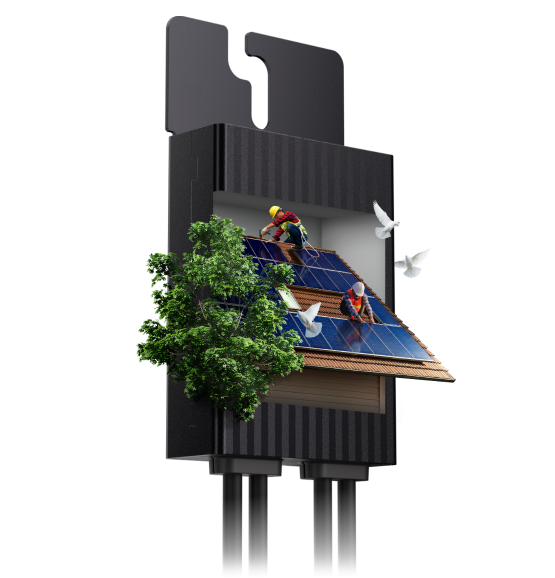
Shading Analysis Improves Layout Decisions
Trees, chimneys, parapets, and neighboring buildings can create partial shade that moves during the day and across seasons. A detailed shading assessment helps determine whether module-level optimization is appropriate and where panels should be placed. Optimizers can address certain mismatch conditions, but they cannot replace a sound roof layout or remove the physical effect of persistent shading.
Set Realistic Expectations For Energy Yield
Module-level optimization can improve the usable output of an array in suitable conditions, but the result depends on roof geometry, shading, module characteristics, and system design. It should not be presented as a guaranteed percentage increase for every home. A credible estimate uses site-specific assumptions and distinguishes modeled yield from measured operating results. For a closer look at the solution scope, review Smart Module Controller and consider how its documented functions fit the site layout, electrical interfaces, and operating plan.
String Design Still Requires Compatibility Checks
Optimizer deployment affects string voltage, current, module count, and inverter compatibility. The allowable number of devices and the supported electrical ranges depend on the exact inverter and optimizer models. Design teams should use the current configuration guide rather than assume that products from different generations or application categories can be mixed freely.
Document Interfaces Between Equipment
Many operational problems occur where two systems meet: electrical connections, communication protocols, control signals, cooling circuits, or service responsibilities. An interface register should identify the owner of each connection and the test that proves it works. Clear documentation reduces uncertainty during installation and future upgrades. Performance should always be assessed against the actual installation conditions and the complete system boundary.
Rapid Shutdown Should Be Planned As A System Function
Safety provisions need to be considered from the start of a rooftop project. Where supported by the selected configuration and local rules, module-level shutdown can reduce voltage on the PV side during specified shutdown conditions. Designers must confirm which devices, inverters, wiring arrangements, and procedures are required for the applicable installation standard. A project specification for Smart Module Controller should identify the applicable configuration, installation limits, commissioning checks, and service responsibilities.
Keep Service Access And Records In View
Solar equipment may operate for many years in exposed conditions, so access to connectors, isolation points, and the inverter should be considered during layout. Keeping a digital record of module positions and device identifiers helps a technician locate a fault. Good documentation is especially valuable when the original installer is no longer responsible for the site.
Enjoyed it? Find more exclusive content on The Styles Magazine.