An irrigation system can contain a surprising amount of equipment beneath an otherwise ordinary lawn or planting bed. Water lines run between zones, control valves regulate flow, and additional components may be installed to manage pressure, filtration, or other aspects of water delivery. Once these components are buried, locating and servicing them can become difficult.
Irrigation valve boxes provide a practical access point for this underground equipment. They enclose valves and related components while helping protect them from routine landscape activity. At the same time, the removable cover allows homeowners, landscapers, and irrigation technicians to reach the equipment when it needs to be inspected, adjusted, or repaired.
The box itself does not control water flow. Its purpose is to protect the equipment and keep the system organized while preserving access for future maintenance.
Easy maintenance is a practical part of irrigation system performance. Even a well designed system becomes difficult to manage when its valves and other components cannot be reached. Knowing how these boxes are sized, positioned, installed, and maintained can save considerable time when an irrigation system needs attention.
This article will explain what irrigation valve boxes do, how they are used, where they should be installed, how to choose the appropriate size, and what homeowners should know about keeping them accessible over time.
What Is an Irrigation Valve Box?
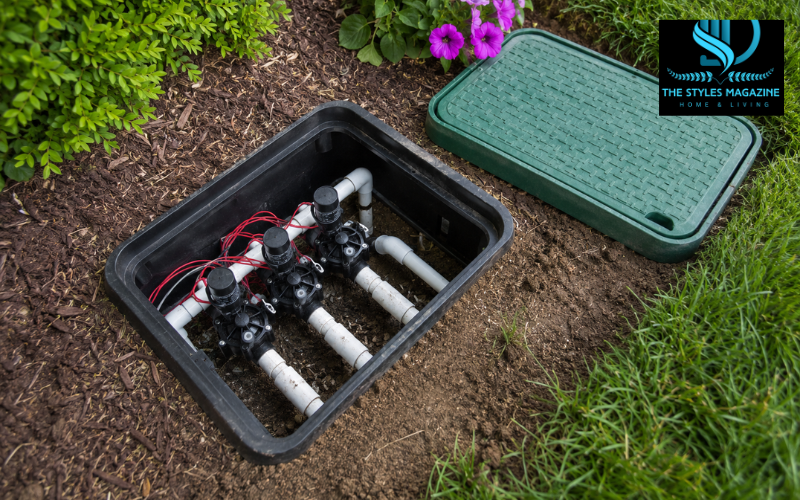
An irrigation valve box is an underground enclosure designed to house and protect irrigation valves and related components. The box normally consists of a buried body with a removable cover positioned at or near the finished landscape surface.
Valve boxes for irrigation provide a designated access point for valves that would otherwise be buried directly in soil. The valve and associated connections are housed inside the enclosure, with the piping arranged according to the design of the irrigation system. When maintenance is required, the cover can be removed to expose the components without excavating the surrounding lawn or planting area.
The arrangement is straightforward, but it addresses several practical problems. Underground valves need protection from soil, landscaping activity, weather exposure, and accidental contact. At the same time, they cannot be permanently sealed away because they need to be inspected, adjusted, and eventually replaced.
A properly selected valve box provides that balance. It keeps the equipment contained and protected while leaving enough room for a technician to work on the system when necessary.
Depending on the irrigation layout, a box may contain a single valve or several components serving multiple irrigation zones. Larger boxes provide additional working space for more complicated assemblies, making them useful on larger residential properties as well as commercial landscapes.
Why Irrigation Valves Need Their Own Access Point
Irrigation control valves are responsible for opening and closing water flow to individual zones. An automatic irrigation controller sends an electrical signal to a valve, which then allows water to enter the corresponding irrigation zone.
If a valve develops a problem, the consequences can extend across an entire section of the landscape. A valve that fails to open can leave a zone dry. One that does not close properly can allow water to continue flowing after the irrigation cycle should have ended.
These problems are much easier to diagnose when the valve can be reached without disturbing the surrounding landscape.
Imagine a homeowner has a valve buried directly beneath a lawn. A technician trying to locate it may have to probe the soil, excavate the area, and remove sections of turf. If the valve is inside a clearly identifiable box, the cover can be removed and the component inspected.
That accessibility becomes particularly valuable as an irrigation system ages. Valves, connections, wiring, and other components eventually need inspection or replacement, and having a defined access point keeps those repairs from becoming unnecessarily disruptive.
What Does a Valve Box Actually Protect?
The valve itself is usually the primary component being protected, but a valve box can also provide space for other irrigation equipment.
Depending on the system design, the enclosure may contain:
- Irrigation control valves
- Manual shutoff valves
- Pressure regulation components
- Filters or control zone equipment
- Pipe connections
- Other irrigation accessories
The exact configuration depends on the irrigation system and the size of the enclosure.
The box creates a protective enclosure around the underground components, helping shield them from routine landscape activity. Lawn equipment, foot traffic, soil movement, and landscaping work can all create risks for exposed irrigation equipment. NDS, for example, describes its standard irrigation valve boxes as enclosures intended to protect irrigation components from the elements, foot traffic, lawn care equipment, and potential vandalism.
That protective function becomes especially important in areas where irrigation components are located near frequently maintained lawns, walkways, or other active parts of a property.
Choosing the Right Valve Box Size
One of the common mistakes in irrigation installation is treating valve box size as an afterthought.
The enclosure needs to provide enough room for the components inside it and enough working space for someone to service them. A box that technically fits a valve but leaves almost no room around it can make maintenance unnecessarily difficult.
The right size depends on the number and type of components being installed, the arrangement of the piping, and the amount of access needed for future service.
A single residential valve may require only a relatively small enclosure. A group of valves serving several irrigation zones may require a larger rectangular box. Commercial landscapes and larger properties can require considerably larger access boxes where multiple components are concentrated in one location.
It is also worth considering future maintenance rather than sizing the box only for the initial installation. Irrigation systems can be modified over the life of a property. Providing adequate working room from the beginning can make future adjustments much easier.
Where Should Valve Boxes Be Located?
Accessibility should be considered when determining where a valve box belongs.
A valve box generally needs to be close enough to the irrigation components it serves while remaining accessible for inspection and maintenance. At the same time, its location should not interfere with normal use of the landscape.
For residential properties, boxes are commonly placed in lawn areas, planting beds, or other landscaped locations where they can remain relatively unobtrusive. The cover should remain easy to see, reach, and remove throughout the life of the landscape.
Poor placement can create problems later. A box positioned directly beneath dense shrub growth may technically remain accessible, but reaching it could require cutting back vegetation every time the valve needs service. A box installed where soil gradually washes over the cover can become difficult to locate.
Before finalizing a location, consider how the landscape will look several years after installation rather than only on the day the system is completed. Plants grow, soil settles, mulch is added, and outdoor areas are often redesigned. The access point needs to remain practical through those changes.
Why the Cover Matters as Much as the Box
The box provides the enclosure, but the cover creates the access point. It also protects the interior from unwanted debris and helps integrate the component into the landscape.
A suitable cover should fit securely and be appropriate for the conditions around the installation. A box located in a lawn may experience repeated contact with mowing equipment, while one installed beside a pedestrian path may encounter regular foot traffic.
Some valve boxes use overlapping covers that help limit soil and grass from settling between the box and cover. Other designs use locking or securing mechanisms to reduce unauthorized access or accidental removal.
NDS offers irrigation valve boxes in several configurations and sizes, with features such as structural reinforcing ribs, overlapping covers, pipe access openings, and locking options on selected models. These features address the practical requirements of protecting underground irrigation components while keeping them accessible for service.
A cover should therefore be matched to the conditions around the installation, including pedestrian traffic, lawn maintenance, and the type of surface surrounding the box.
How Valve Boxes Help Keep an Irrigation System Organized
As irrigation systems become more complicated, organization becomes increasingly important.
A residential landscape may have separate zones for turf, shrubs, flower beds, and other planting areas. A larger property may have dozens of zones distributed across different sections of the site. Each zone can have its own valve, creating a network of components that needs to remain identifiable.
Valve boxes provide a consistent access structure for these components.
When boxes are properly located and identified, technicians can work through an irrigation system systematically. Instead of searching through an entire property for buried valves, they can follow the planned layout and inspect the relevant access points.
This also helps when ownership changes. A homeowner who did not install the original irrigation system may have little knowledge of where the valves are located. Clearly accessible valve boxes make the system easier to understand and maintain.
For larger properties, organization can become even more important because several irrigation zones may be spread across extensive lawns, planting areas, courtyards, sports grounds, or commercial landscapes. Consistent placement and identification can save considerable time during troubleshooting.
Installation Details Can Affect Long Term Performance
A valve box should not simply be placed into a hole and covered with soil. Its installation affects how well the enclosure remains accessible and how the surrounding ground behaves over time.
The box needs to be installed at an appropriate depth, with the cover positioned correctly relative to the finished landscape surface. NDS installation guidance for its standard valve boxes calls for sufficient depth so that the cover is flush with the surface, along with gravel beneath the box to provide drainage.
The surrounding soil also matters. If the box is installed in unstable soil or the area is poorly compacted, settlement can cause the enclosure to shift relative to the landscape.
A box that ends up significantly below the surrounding grade can become a collection point for soil and debris. One that sits too high can interfere with mowing or become a trip hazard.
Installation should account for the finished grade, surrounding landscape materials, drainage conditions, and the amount of access needed for future maintenance.
What Homeowners Should Check During Routine Maintenance
Valve boxes are easy to forget because most of the time they simply sit beneath the landscape. Periodic inspection, however, can prevent small access problems from becoming major maintenance obstacles.
Homeowners can look for several warning signs:
- Covers that are cracked, missing, or difficult to remove
- Soil or mulch covering the access point
- Standing water inside the enclosure
- Damaged piping around the box
- Vegetation growing directly over the cover
- Boxes that have shifted or settled below the surrounding grade
- Evidence that lawn equipment has damaged the cover
The inside of the box should also be checked when there is a known irrigation problem. Mud, excessive debris, or persistent water accumulation may indicate conditions that need attention.
A valve box is intended to provide access, so anything that makes the valve difficult to reach defeats one of its main purposes.
Routine inspection is particularly useful after major landscaping work. New soil, mulch, paving, planting beds, and grading changes can alter the position or accessibility of an existing box even when the irrigation system itself has not been modified.
Valve Boxes and Irrigation Troubleshooting
When an irrigation zone stops working correctly, the valve box can become one of the first useful diagnostic points.
Consider a lawn zone that suddenly stops receiving water. The controller may show that the zone is running, but the sprinklers remain inactive. Accessing the valve allows a technician to determine whether the valve is receiving the appropriate signal and whether water is reaching the component.
The opposite problem can also occur. If a zone continues receiving water after the controller has completed its cycle, the valve can be inspected to determine whether it is closing properly.
A valve is only one possible source of an irrigation problem. Sprinkler heads, nozzles, wiring, pressure, filters, pipes, and other components can all contribute to poor system performance. However, having organized access to the valves makes it much easier to isolate the source of a problem.
For this reason, the location and condition of valve boxes can have a practical effect on repair time. A technician who can quickly reach the correct valve can begin testing the system without first excavating the landscape to find it.
Common Valve Box Mistakes to Avoid
Several installation and landscaping decisions can make valve boxes harder to use than they need to be.
Burying the Cover
Landscape material should not gradually cover the access point. Soil, mulch, gravel, and other materials can make the cover difficult to identify and remove.
Planting Directly Over the Box
Fast growing plants can eventually conceal the box or make access uncomfortable. The landscape should leave enough room for someone to remove the cover and work on the components inside.
Using a Box That Is Too Small
A cramped enclosure can make even basic valve maintenance frustrating. Components should have enough room for inspection and service.
Ignoring Future Landscape Changes
A valve box that is accessible today may become buried beneath a new planting bed, patio edge, or layer of landscape material after a renovation. Irrigation access should be considered whenever the landscape is redesigned.
Failing to Account for Drainage
Water naturally collects in low areas. If a valve box is installed where surrounding runoff enters and remains trapped, the interior can become unnecessarily wet and difficult to service. Proper installation should account for the site’s drainage characteristics.
Valve Boxes Are Part of Good Irrigation Planning
A valve box may be one of the least noticeable parts of an irrigation system, but its importance becomes obvious when something needs to be repaired.
Good irrigation design considers more than where water will be delivered. It also considers how the system will be accessed, inspected, adjusted, and maintained throughout its service life. Valve boxes provide the physical organization needed to make those tasks practical.
Most homeowners will barely notice a properly installed valve box during everyday use. What matters is whether they can find it and open it easily when the irrigation system needs attention.
Keeping the valves protected and accessible means a technician can reach the equipment without digging through the landscape, removing plants, or disturbing finished surfaces. Over the life of an irrigation system, that accessibility can save time and prevent unnecessary disturbance to the surrounding landscape.
Valve boxes for irrigation are therefore part of the system’s long term serviceability. They give homeowners and technicians a defined access point without requiring excavation every time an underground valve needs attention.
A well organized irrigation system is easier to troubleshoot, easier to maintain, and less disruptive to the surrounding landscape when repairs eventually become necessary.
Enjoyed it? Find more exclusive content on The Styles Magazine.