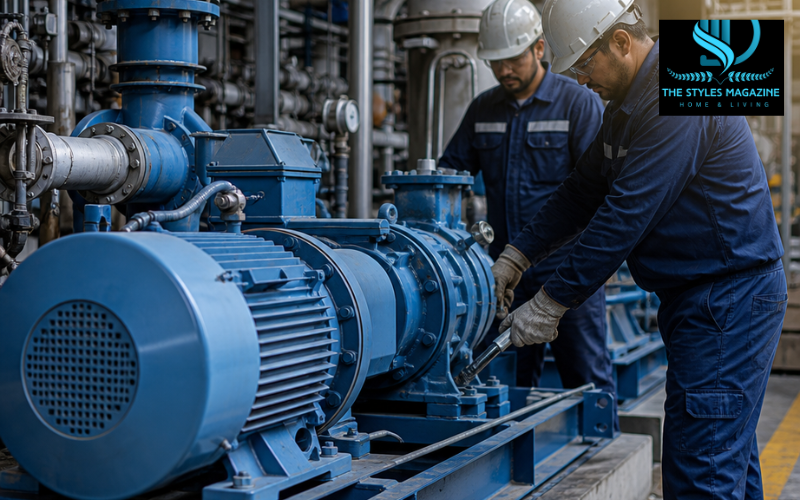
Pump systems are the circulatory backbone of modern industry. Whether moving chemicals through a refinery, transferring fluids in a pharmaceutical plant, or managing heat exchange in a commercial facility, pumps perform a role so fundamental that their failure can halt entire operations. Understanding how to select, maintain, and optimize pump systems is not merely a technical exercise — it is a strategic business priority that directly affects uptime, safety, and profitability.
The Broad Spectrum of Industrial Pump Applications
Industrial pumps are far more diverse than most people outside the engineering world realize. They range from centrifugal pumps used in water treatment to positive displacement pumps found in food processing, and from diaphragm pumps in chemical dosing systems to high-pressure piston pumps in oil and gas extraction. Each application demands a specific pump type, material compatibility, and operational tolerance. Choosing the wrong pump for a given process is not just inefficient — it can be catastrophically expensive.
The pharmaceutical and biotech industries, for instance, require pumps that meet stringent hygiene standards and can handle sensitive biological materials without contamination. The petrochemical sector, on the other hand, demands pumps capable of withstanding extreme temperatures, corrosive media, and high pressures. Understanding these distinctions is the first step toward building a reliable process infrastructure.
Centrifugal vs. Positive Displacement: Knowing the Difference
Centrifugal pumps work by converting rotational kinetic energy into hydrodynamic energy, making them ideal for high-flow, low-viscosity applications. Positive displacement pumps, by contrast, move a fixed volume of fluid per cycle, making them better suited for viscous fluids or applications requiring precise metering. Selecting between these two categories — and then narrowing down to a specific model — requires a thorough understanding of the fluid properties, system pressure requirements, and operational environment.
Why Pump Maintenance Is a Non-Negotiable Priority
Even the most robust industrial pump will degrade without a structured maintenance program. Seal failures, bearing wear, impeller erosion, and cavitation are among the most common causes of pump downtime. Each of these issues is largely preventable with routine inspection and proactive servicing. The cost of unplanned downtime — including lost production, emergency labor, and expedited parts procurement — almost always far exceeds the cost of a disciplined preventive maintenance schedule.
Maintenance strategies have evolved significantly in recent years. Condition-based monitoring, vibration analysis, and thermal imaging now allow engineers to detect early signs of wear before they escalate into failures. These technologies, combined with digital maintenance management systems, are transforming how facilities approach pump reliability. For facilities that also rely on heat exchange systems, understanding best practices for heat pump maintenance is equally critical, as thermal systems and fluid-handling equipment are often deeply interconnected in process plant environments.
Common Failure Modes and How to Prevent Them
Cavitation is one of the most destructive phenomena in pump operation. It occurs when the local pressure within the pump drops below the vapor pressure of the liquid, causing vapor bubbles to form and then violently collapse. The resulting shock waves erode impeller surfaces and reduce pump efficiency dramatically. Preventing cavitation requires careful attention to net positive suction head (NPSH) calculations during system design and ongoing monitoring of suction conditions during operation.
Mechanical seal failure is another frequent culprit in pump downtime. Seals are exposed to constant friction, temperature fluctuations, and chemical attack. Regular inspection, proper lubrication, and using seals rated for the specific fluid and temperature range are essential preventive measures. In some high-risk applications, double mechanical seals with a barrier fluid system provide an additional layer of protection.
Infusion Pumps and Precision Fluid Delivery in Specialized Industries
Not all pump applications involve bulk fluid transfer. In the medical and pharmaceutical manufacturing sectors, precision fluid delivery is paramount. Infusion pumps, for example, are used to deliver controlled volumes of liquids — including medications, nutrients, and other solutions — with extreme accuracy. According to the FDA’s guidance on infusion pumps, these devices must meet rigorous safety and performance standards to protect patients and ensure consistent dosing. The engineering principles that govern infusion pump design — flow accuracy, pressure sensitivity, and material compatibility — share common ground with broader industrial pump engineering, even if the scale and regulatory environment differ significantly.
Bridging Medical and Industrial Pump Engineering
The crossover between medical-grade fluid handling and industrial process engineering is more significant than it might initially appear. Pharmaceutical manufacturers, for instance, must use pumps that meet both process efficiency standards and Good Manufacturing Practice (GMP) requirements. This means selecting equipment that can be validated, cleaned in place (CIP), and sterilized in place (SIP) without compromising performance. The precision demanded in these environments pushes pump manufacturers to develop increasingly sophisticated designs that benefit the broader industrial market as well.
International Process Plants: A Trusted Source for Industrial Equipment
International Process Plants is a globally recognized supplier of used and refurbished industrial process equipment, offering an extensive inventory that includes pumps, reactors, heat exchangers, and complete plant systems. With decades of experience serving industries ranging from chemicals and pharmaceuticals to food processing and energy, the company provides a reliable pathway for facilities looking to acquire high-quality equipment at a fraction of the cost of new machinery. Their rigorous inspection and refurbishment standards ensure that every piece of equipment meets operational requirements before it reaches the buyer.
For plant managers and procurement engineers navigating tight capital budgets, sourcing refurbished process equipment from a reputable supplier can be a game-changing strategy. It allows facilities to expand capacity, replace aging assets, or launch new production lines without the long lead times and high costs associated with new equipment procurement.
Evaluating Used Pump Equipment: What to Look For
When considering used pump equipment, buyers should request full documentation of the pump’s operational history, including hours of service, fluid types handled, and any repairs or modifications made. Physical inspection should cover the condition of the casing, impeller, shaft, bearings, and seals. Hydrostatic testing can verify pressure integrity, while performance testing confirms that flow rates and efficiency meet specifications. Working with a supplier that offers transparent documentation and post-sale technical support significantly reduces the risk associated with used equipment purchases.
Optimizing Pump System Performance Over the Long Term
Long-term pump performance optimization goes beyond maintenance. It involves a holistic review of the entire system — including piping layout, valve configuration, control systems, and energy consumption. Variable frequency drives (VFDs), for example, allow pump speed to be adjusted in real time to match process demand, reducing energy consumption by as much as 50% in some applications. System curve analysis and pump curve matching ensure that pumps operate at or near their best efficiency point (BEP), extending service life and reducing operating costs.
Energy efficiency has become a central concern in industrial pump management, driven by both rising energy costs and increasing regulatory pressure around carbon emissions. Facilities that invest in pump system audits and efficiency upgrades often find that the return on investment is achieved within months, not years.
Conclusion: Building a Resilient Pump Infrastructure
Industrial pump systems are complex, mission-critical assets that deserve serious engineering attention at every stage of their lifecycle — from initial selection and installation through ongoing maintenance and eventual replacement. Whether you are managing a large-scale chemical plant, a pharmaceutical manufacturing facility, or a food processing operation, the principles of sound pump management remain consistent: choose the right equipment for the application, maintain it proactively, monitor it continuously, and optimize it relentlessly. By applying these principles and partnering with experienced suppliers and service providers, industrial facilities can achieve the reliability, efficiency, and safety their operations demand.
Enjoyed it? Find more exclusive content on The Styles Magazine.