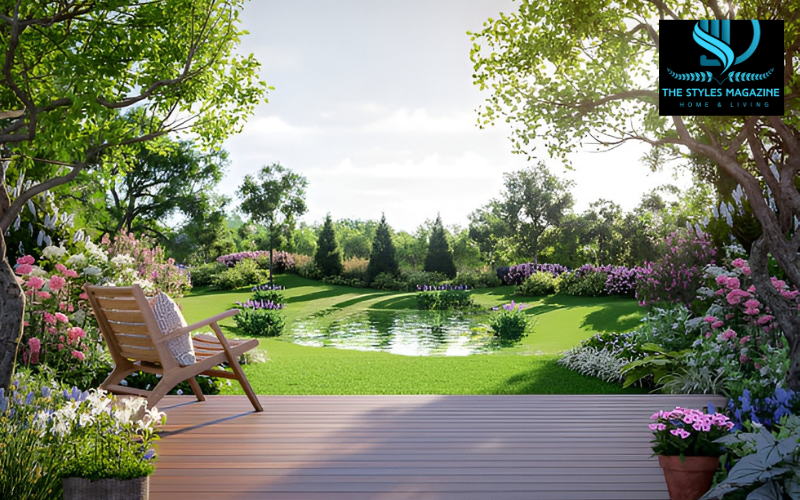
A pond is a small, calm body of fresh water that sits quietly in a field, a forest clearing, or even a corner of someone’s backyard. Unlike rivers or lakes, a pond doesn’t need to be large or deep to matter — in fact, its small size is exactly what makes it so full of life. Sunlight reaches the bottom, plants grow across the entire water bed, and the water stays gentle enough for frogs, insects, and fish to thrive close together.
Ponds also matter to people directly, whether that’s a farmer relying on one for irrigation or a homeowner building one to enjoy birdsong and koi fish in the evening. This article walks through what a pond really is, where ponds are commonly found, what lives in and around them, and how you can build and care for one of your own.
Quick Guide Table: Pond vs. Lake
| Feature | Pond | Lake |
| Size | Under ~12 acres | Larger, often much bigger |
| Depth | Less than 5 meters | Can exceed 5 meters |
| Sunlight | Reaches the bottom | Often blocked in deep zones |
| Temperature | Fairly uniform | Layered (warm top, cold bottom) |
| Waves | Minimal to none | Can form noticeable waves |
| Plant growth | Across the entire bed | Limited to shallow edges |
Step-by-Step: Building a Basic Backyard Pond
- Pick a spot with a mix of sun and shade.
- Mark and dig the shape, sloping one edge for wildlife access.
- Fit the liner (flexible, preformed, or concrete) and smooth out air pockets.
- Fill with water and let it settle for a few days.
- Add plants first, then introduce fish once the water balances.
What Exactly Is a Pond?
A pond is generally described as a body of standing fresh water that is smaller than a lake, usually under about 12 acres in size and less than 5 meters deep. There’s no strict scientific rule that separates a pond from a lake, but depth and sunlight are the two things that define a pond’s character.
Because the water is shallow, light can reach every part of it, allowing plants to grow along the entire bottom instead of just near the edges. Ponds can form naturally, filled by rainwater, groundwater, or a nearby stream, or they can be man-made, dug out and shaped by people for farming, decoration, or wildlife. Either way, the basic idea stays the same: a small, still body of water that supports its own little world.
Pond vs. Lake: What Sets Them Apart
People often use “pond” and “lake” interchangeably, but there are real differences once you look closer. The biggest one is depth. Lakes are deep enough to form separate temperature layers, with cold water sitting at the bottom and warmer water near the surface. Ponds are too shallow for this kind of layering, so the water temperature stays fairly even from top to bottom.
Size plays a role too — lakes cover much larger areas and can produce noticeable waves, while ponds are calm enough that wind rarely stirs up more than a ripple. Light is another factor. In a lake, sunlight often can’t reach the deepest zones, leaving areas with little to no plant life. In a pond, sunlight touches the entire floor, which is why plants can grow everywhere rather than just along the shallow edges.
Where Are Ponds Found?
Ponds show up in more places than most people realize. Naturally, they form in low-lying areas where rainwater or groundwater collects — meadows, forest clearings, floodplains, and farmland are common spots. Some ponds are seasonal, filling up during rainy months and drying out later in the year, while others hold water all year round.
Beyond nature, ponds are also created deliberately. Golf courses use them for drainage and design, farms build them to water livestock or crops, and neighborhoods sometimes install retention ponds to manage rainwater runoff. Gardens and backyards are another popular spot, where people build small ponds purely for the beauty and calm they bring to a space.
Common Types of Ponds and Real Examples
Not all ponds serve the same purpose, and the differences are easy to spot once you know what to look for. Vernal ponds are temporary, filling with rainwater in spring and drying out by summer, and they’re especially important for amphibians that need still water to lay their eggs. Farm ponds are usually dug intentionally to store water for livestock or irrigation during dry seasons.
Koi ponds are ornamental, built with care to house colorful fish and often include filtration systems to keep the water clear. Retention ponds are common in cities and neighborhoods, designed mainly to catch and slowly release stormwater so it doesn’t flood nearby streets. Garden ponds fall somewhere in between — smaller, decorative, and usually built to attract birds, frogs, and dragonflies rather than to serve a practical function.
Pond Water: Characteristics and Composition
Pond water is fresh water, meaning it has very low salt content compared to the ocean. What makes pond water unique is how much it’s shaped by its surroundings. Because ponds are shallow and often still, oxygen levels can shift throughout the day — plants and algae release oxygen during sunlight hours and use it up at night, which is why oxygen tends to dip in the early morning.
Nutrients also build up more easily in ponds than in larger bodies of water, since there’s less water to dilute runoff from soil, leaves, and decaying plants. Over time, factors like sunlight exposure, nearby vegetation, rainfall, and even the type of soil at the bottom all influence how clear, murky, or nutrient-rich the water becomes.
Pond Conditions That Support Life
A handful of simple conditions decide whether a pond thrives or struggles. Sunlight is essential, since it powers the plants and algae that form the base of the food chain. Because ponds are shallow, their temperature also stays fairly stable and warms up faster than a lake would, which helps species that need warmer water to grow and reproduce.
pH balance matters too — most pond life prefers water that’s close to neutral, and sudden swings caused by pollution or heavy rainfall can stress fish and plants. What ties all of this together is the pond’s shallow depth. Because light and warmth reach every part of the water, the entire pond becomes livable space rather than just the surface layer, which is a big part of why ponds pack in so much life relative to their size.
Pond Habitats: Plants and Insects
Plant life in a pond generally falls into three groups. Floating plants, like water lilies and duckweed, sit on the surface and provide shade that helps keep the water cool and limits excess algae growth. Submerged plants, such as elodea, grow entirely underwater and release oxygen directly into the pond, which is why they’re often called natural oxygenators. Marginal plants, like cattails and rushes, grow along the shoreline where the water is shallowest, offering shelter for insects and small animals.
Insects are just as central to a healthy pond. Dragonflies and damselflies patrol the surface and help control mosquito populations, while water skaters glide across the top using surface tension. Diving beetles and other aquatic insects spend most of their time underwater, feeding on smaller organisms and serving as food for fish and amphibians in turn.
Wildlife Found in and Around Ponds
Ponds tend to attract a surprising variety of wildlife for their size. Amphibians are especially drawn to them — frogs, toads, newts, and salamanders often rely on ponds for breeding, since still, shallow water is ideal for laying eggs. Birds are regular visitors too, with herons often seen wading at the edges looking for fish, and ducks paddling across the surface or resting among the reeds.
Small mammals sometimes pass through as well, using the pond as a water source, and turtles are common residents in ponds that stay wet year-round. Even mammals that don’t live near the water permanently, like foxes or raccoons, will visit ponds to drink or hunt, making them a quiet but important part of the wider local ecosystem.
Ponds for Fish: What Works Best
Fish are one of the biggest draws for people building their own ponds, but not every species suits every pond. Koi and goldfish are popular choices for ornamental ponds because they’re hardy, colorful, and tolerate a range of water conditions reasonably well. For ponds built more for wildlife than decoration, native fish species are often a better fit, since they’re naturally suited to the local climate and less likely to disrupt the surrounding ecosystem.
Before adding fish, it helps to think about space — overcrowding is one of the most common mistakes, since too many fish in a small pond can quickly lower oxygen levels and lead to poor water quality. A general rule many pond owners follow is to stock lightly at first and observe how the water and fish respond before adding more.
Building Your Own Backyard Pond
Building a pond doesn’t have to be complicated, even for a first-timer. The process usually starts with planning: choosing a spot that gets a reasonable mix of sunlight and shade, and deciding roughly how large and deep the pond should be. From there, it’s a matter of digging out the shape, often with sloped edges on one side so wildlife can safely enter and exit the water.
Once the shape is ready, a liner or pre-formed shell is placed to hold the water in, followed by adding water, plants, and eventually fish if desired. People who don’t want to dig at all often turn to container ponds instead, using items like old sinks, wine barrels, or stock tanks set above ground. These smaller setups can still support plants, a few fish, and visiting wildlife, making them a practical option for smaller yards or patios.
Choosing the Right Pond Liner
The liner is one of the most important decisions when building a pond, since it directly affects how long the pond lasts and how much maintenance it needs. Flexible liners, usually made from rubber or heavy-duty plastic sheeting, are popular because they can be shaped into almost any size or design and are relatively easy to install.
Preformed liners come in a fixed shape and are simpler to set up, though they offer less flexibility if you want a custom design. Concrete is a more permanent option, often used for larger or more elaborate ponds, but it requires more effort and cost upfront. Whichever type you choose, durability and correct sizing matter most — a liner that’s too small will stretch and weaken over time, while one that’s poorly fitted can lead to leaks that are frustrating to fix later.
Keeping a Pond Healthy: Maintenance Essentials
Once a pond is up and running, a bit of regular attention keeps it looking clear and staying healthy. Algae is the most common issue pond owners deal with, and it’s usually kept in check by balancing sunlight, plant coverage, and nutrient levels rather than relying on heavy chemical treatments. A mix of submerged oxygenating plants and surface-shading plants like lilies often does most of the work naturally, reducing the need for mechanical filtration.
Seasonal upkeep also matters — clearing fallen leaves in autumn, checking water levels during hot summer months, and keeping an eye on ice coverage in winter if fish are present. Watching how a pond behaves over time is often the best way to gauge its health: clear water, active fish, and visible insect or amphibian activity are all good signs, while cloudy water, a strong odor, or a sudden drop in wildlife activity usually signal that something needs attention.
Conclusion
Ponds may be small compared to lakes and rivers, but they carry an outsized amount of life and value for their size. From the frogs that breed in a woodland pond to the koi swimming in a backyard pool, these quiet bodies of water play a real role in both nature and everyday life.
Whether you’re simply curious about how ponds work, hoping to spot one on a nearby trail, or planning to build one of your own, understanding what makes a pond tick — its depth, its water, its plants, and the wildlife it supports — makes it easier to appreciate just how much is happening beneath that calm surface.
FAQs
How Deep Does A Pond Need To Be?
Most ponds are under 5 meters deep. Shallower ponds let sunlight reach the bottom, which supports plant growth and keeps the water temperature fairly even throughout.
Can A Small Backyard Pond Support Fish?
Yes, small ponds can support fish like koi or goldfish if properly stocked. Avoid overcrowding, since too many fish can quickly lower oxygen levels.
What Causes Green Or Murky Pond Water?
Excess algae, usually caused by too much sunlight or nutrient buildup, is the main cause. Balancing plants and shade naturally helps keep water clearer.
Do Ponds Need Filtration Systems?
Not always. A good mix of submerged and floating plants can naturally filter water and reduce algae, lowering the need for mechanical filtration systems.
What’s The Easiest Way To Start A Pond Without Digging?
Container ponds, made from stock tanks, barrels, or old sinks, are a simple no-dig option that still supports plants and small wildlife.
Enjoyed it? Find more exclusive content on The Styles Magazine.
Disclaimer: This article is intended for general informational purposes only. While every effort has been made to ensure accuracy, pond conditions, wildlife behavior, and local regulations can vary by region and over time. Readers planning to build or maintain a pond should consult local guidelines or a qualified professional where relevant.