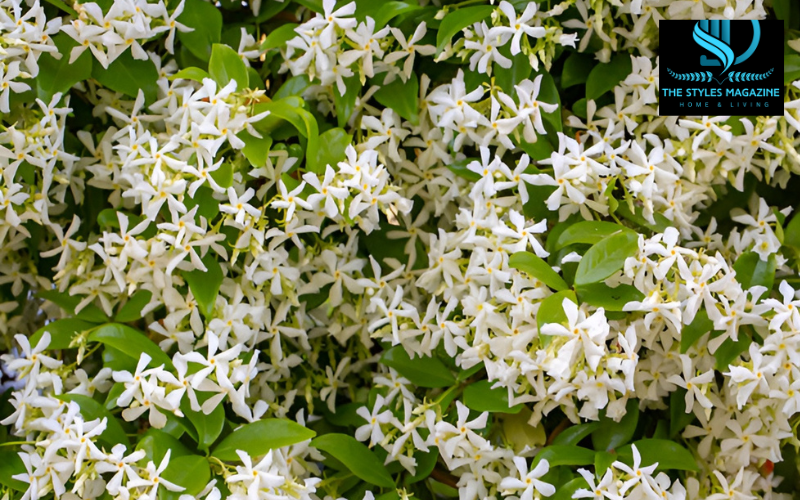
If you’ve ever walked past a fence covered in small white flowers and stopped because of a sweet, unmistakable scent in the air, there’s a good chance you were standing near a star jasmine plant. It’s one of the most popular flowering vines grown in home gardens today, prized for its glossy green leaves, star-shaped blooms, and the kind of fragrance that can fill an entire backyard on a warm evening.
Despite its name, star jasmine isn’t a “true” jasmine at all. It belongs to a different plant family altogether, though it shares a similar look and scent that makes the confusion easy to understand. Gardeners love it because it’s flexible — it can climb a trellis, spread out as a groundcover, or spill gracefully over the edge of a pot on a patio.
This guide walks through everything you need to know about the star jasmine plant, from the basics of care to the questions people ask most often, like whether it’s safe around pets, whether it grows well indoors, and how to keep it blooming year after year. Whether you’re planting your first vine or trying to fix a struggling one, you’ll find practical, easy-to-follow answers here.
Quick Guide Table
| Feature | Details |
| Botanical Name | Trachelospermum jasminoides |
| Plant Family | Apocynaceae (Dogbane) |
| Type | Evergreen perennial vine |
| Light | Full sun to partial shade |
| Water | Weekly; less once established |
| Soil | Well-draining, loamy |
| USDA Zones | 8–10 |
| Bloom Time | Late spring to early summer |
| Fragrance | Strong, sweet |
| Toxicity | Non-toxic to dogs, cats, horses (ASPCA) |
| Mature Height | Up to 20 ft (climbing); 2 ft (groundcover) |
Step-by-Step: Planting Star Jasmine
- Choose a spot with full sun to partial shade.
- Loosen and amend soil for good drainage.
- Dig a hole twice the width of the root ball.
- Set the plant at the same depth it was in its pot.
- Backfill, water thoroughly, and add mulch around the base.
- Water weekly until established, then reduce frequency.
What Is Star Jasmine? A Quick Plant Overview
The star jasmine plant’s botanical name is Trachelospermum jasminoides, and it originally comes from parts of East Asia, including China, Japan, and Vietnam. It’s an evergreen vine, which means it keeps its leaves throughout the year in the right climate, giving your garden a layer of green even in the cooler months.
Here’s where the naming mix-up happens: star jasmine belongs to the dogbane family, not the true jasmine family (Jasminum). True jasmine plants are botanically unrelated, even though both produce small, fragrant white flowers. Over time, the common name “star jasmine” stuck because the resemblance is so strong, especially in the shape and scent of the blossoms.
In terms of growth habit, star jasmine is naturally a climbing vine. Give it something to grip — a trellis, fence, or wall — and it will wind its way upward using twining stems rather than clinging tendrils. Left without support, it doesn’t fail to grow; it simply spreads outward instead, which is exactly why it also works so well as a groundcover.
Star Jasmine Plant Care Essentials
Once established, star jasmine is considered a relatively low-maintenance plant, but getting the basics right early on makes a noticeable difference in how quickly it grows and how heavily it blooms.
Light is one of the biggest factors. Star jasmine performs best in full sun, though it also tolerates partial shade reasonably well. The trade-off is blooming: plants grown in full sun typically produce more flowers than those tucked into shadier corners. If fragrance and flower coverage are your priority, aim for at least six hours of direct sunlight a day.
Watering needs are moderate. Young or newly planted star jasmine benefits from consistent watering, roughly once a week, with extra attention during hot or dry stretches. Once established, usually after the first growing season, it becomes more drought-tolerant and prefers its topsoil to dry out slightly between waterings. Overwatering is a more common problem than underwatering, since soggy roots can lead to rot.
Soil matters too. Star jasmine prefers well-draining, loamy soil and isn’t especially picky about pH, adapting to slightly acidic or slightly alkaline conditions without much trouble. What it won’t tolerate well is heavy, waterlogged soil that stays wet for long periods.
Climate-wise, star jasmine thrives in USDA hardiness zones 8 through 10, where winters stay relatively mild. Gardeners in colder regions aren’t necessarily out of luck — growing it in a container and bringing it indoors during winter is a common and effective workaround.
Finally, a light hand with fertilizer goes a long way. A balanced, slow-release fertilizer applied in early spring supports healthy growth and encourages a fuller bloom later in the season. Too much fertilizer, particularly anything high in nitrogen, can push leafy growth at the expense of flowers.
Is Star Jasmine a Perennial? Understanding Its Growth Cycle
Yes, star jasmine is a perennial, and more specifically, it’s an evergreen perennial in climates that suit it. That means it doesn’t die back to the ground each year like some seasonal perennials do; instead, it keeps its leaves and continues growing season after season, provided the winters aren’t too harsh.
In its ideal zones, a healthy star jasmine plant can live for many years, gradually maturing into a thick, established vine or a dense mat of groundcover. Growth tends to be moderate in the first year or two as the root system establishes itself, then picks up noticeably once the plant settles in.
In colder regions outside its comfort zone, star jasmine may behave more like a seasonal plant unless it’s protected or grown in containers that can be moved indoors, since a hard freeze can kill an unprotected plant. This is why zone awareness matters so much when deciding where to plant it.
How Fragrant Is Star Jasmine, Really?
Fragrance is arguably the biggest reason people choose star jasmine over other flowering vines, and it genuinely lives up to its reputation. The scent is often described as sweet, warm, and slightly rich, similar to true jasmine but with its own distinct character.
Blooming typically peaks in late spring into early summer, and during this window, a mature, well-placed vine can perfume a surprisingly large area, especially in the evening when the scent tends to intensify. Because of this, star jasmine is a popular choice near patios, porches, windows, and walkways, where people naturally spend time and can enjoy the fragrance up close.
If maximizing scent is your goal, placement matters. Planting it near a seating area, along a well-used path, or beneath a window that’s often open lets the fragrance do its work exactly where you’ll appreciate it most. Compared to true jasmine varieties, star jasmine’s scent is often described as slightly softer and less overpowering, which makes it a comfortable choice for smaller outdoor spaces or areas close to the house.
Best Landscape Uses for Star Jasmine
Part of what makes the star jasmine plant so popular is how many different roles it can play in a garden. As a climbing vine, it’s commonly trained up trellises, fences, pergolas, and even brick walls using simple ties to guide the young stems in the right direction. Over time, it fills in beautifully, creating a natural green screen that also delivers seasonal fragrance and flowers.
Left without a structure to climb, star jasmine takes on a completely different role as a groundcover. It spreads outward and forms a dense mat, generally growing up to about two feet tall, which makes it effective at crowding out weeds while covering bare or sloped areas that are otherwise tricky to plant.
It also does well in containers, which is especially useful for patios, balconies, or gardeners working with limited space. Grown in a large pot, star jasmine will happily spill over the edges, softening hard lines and adding movement to an outdoor seating area. This container flexibility is also what makes it possible for gardeners in colder climates to enjoy the plant, since pots can simply be moved indoors when temperatures drop.
Popular Star Jasmine Varieties to Consider
While the standard Trachelospermum jasminoides remains the most widely planted version, with its classic dark green leaves and pure white blooms, a few other varieties offer their own advantages depending on what you’re looking for.
‘Madison’ stands out for its improved cold hardiness, tolerating conditions down to about zone 7, which makes it a solid option for gardeners just outside the plant’s typical comfort range. Its leaves are also slightly hairier than the standard variety, giving it a subtly different texture.
‘Variegatum’ is chosen more for its foliage than anything else. Its cream-and-green variegated leaves add visual interest to the garden even when the plant isn’t in bloom, making it a good option for year-round appeal rather than just seasonal flowering.
‘Snow-N-Summer’ offers something a little different with its new growth, which emerges in shades of pink before fading first to white and eventually settling into deep green. This changing color pattern gives the plant an ever-evolving look throughout its growing cycle.
Choosing between these mostly comes down to your climate and what you want from the plant beyond flowers — whether that’s better cold tolerance, decorative foliage, or seasonal color changes.
Can You Grow Star Jasmine Indoors?
Growing star jasmine indoors is possible, though it comes with some realistic trade-offs worth knowing about upfront. Because the plant naturally wants strong light to bloom well, an indoor setup needs to replicate that as closely as possible, typically through a bright south-facing window or supplemental grow lights.
When it comes to potting, a well-draining container with quality potting soil is essential, since indoor plants don’t have the natural drainage that in-ground planting provides. Choosing a pot with drainage holes and avoiding letting water sit in a saucer helps prevent root problems.
It’s worth setting expectations accordingly: star jasmine grown indoors often blooms less abundantly than it would outdoors in full sun, and the fragrance, while still present, may be more subtle indoors due to reduced airflow. That said, many gardeners still find it worthwhile as a decorative, fragrant houseplant, especially if it’s given a spot near a bright window and occasionally moved outdoors during warmer months to encourage stronger blooming.
Common Star Jasmine Problems and How to Solve Them
Like most garden plants, star jasmine can run into a few issues, though most are manageable once you know what to look for. Yellowing leaves are one of the more common complaints, and they’re usually tied to watering habits — either the soil is staying too wet, or in some cases, the plant isn’t getting enough water during particularly hot stretches. Checking soil moisture before assuming which issue applies can save a lot of guesswork.
Poor blooming is another frequent concern. In most cases, this comes down to insufficient sunlight, since star jasmine simply won’t flower as heavily in shady spots. Over-fertilizing, particularly with nitrogen-heavy products, can also push the plant toward leafy growth instead of flowers.
Pests and diseases aren’t usually a major issue for star jasmine, but it can occasionally attract scale insects or aphids, especially on new growth. A simple insecticidal soap or a strong spray of water is often enough to manage smaller infestations before they spread.
Root rot tends to be the most serious problem, and it almost always traces back to overwatering or soil that doesn’t drain properly. Because star jasmine strongly dislikes soggy roots, improving drainage — whether by amending the soil or adjusting a watering schedule — is usually the most effective fix.
Is Star Jasmine Poisonous? Pet and Family Safety Guide
This is one of the most searched questions about the star jasmine plant, and the answer is reassuring for most households. According to the ASPCA, star jasmine is classified as non-toxic to dogs, cats, and horses, making it a relatively safe choice for gardens shared with pets.
That said, “non-toxic” doesn’t mean completely without any effect. Like many plants in the dogbane family, star jasmine produces a milky sap when its stems or leaves are cut or broken. This sap can cause mild skin irritation in some people, particularly with prolonged contact, so it’s a good idea to wear gloves when pruning or handling cuttings.
As a general precaution, it’s always sensible to discourage pets and young children from chewing on any garden plant, even those officially listed as non-toxic, simply because individual sensitivities can vary. If you ever have specific concerns about a pet ingesting plant material, contacting a veterinarian or a poison control hotline is the safest course of action.
Pruning and Maintenance Tips for Healthy Growth
Regular pruning keeps a star jasmine plant looking tidy and encourages healthier, more controlled growth over time. The best time to prune is generally right after the main blooming period ends, which allows the plant to recover and set new growth before the next season’s flowers begin forming.
For vines trained onto a structure, gently guiding new stems along the trellis, fence, or pergola as they grow helps maintain an even, attractive shape rather than letting the plant sprawl unpredictably. Soft ties work well for this, since they secure the stems without cutting into them as the plant thickens.
A simple seasonal routine makes ongoing maintenance easier: light pruning and shape control after blooming, a check on soil moisture and drainage heading into summer, and a reduced watering schedule as the plant enters its slower growth period in fall and winter. This kind of light, consistent attention tends to produce better long-term results than infrequent, heavy pruning sessions.
How to Propagate Star Jasmine at Home
Propagating star jasmine is a straightforward way to expand your garden or share cuttings with other gardeners, and it’s typically done through stem cuttings rather than seeds. Selecting a healthy, semi-hardwood stem — not too young, not too woody — gives the cutting the best chance of rooting successfully.
After trimming a cutting a few inches long and removing the lower leaves, dipping the cut end in rooting hormone can improve success, though it isn’t strictly necessary. Planting it in a well-draining mix, keeping the soil consistently moist, and providing warmth and indirect light creates the right conditions for roots to develop over the following weeks.
Timing matters too: taking cuttings during the warmer growing months, generally late spring through summer, produces better results than attempting propagation in winter.
Buying Star Jasmine: What to Look for Near You
When you’re ready to buy a star jasmine plant, local nurseries and garden centers are usually the most reliable source, since staff can often advise on what grows well in your specific climate. Online retailers are another option, particularly if you’re looking for a specific variety like ‘Madison’ or ‘Snow-N-Summer’ that might not be available locally.
Whichever route you choose, a few quick checks help ensure you’re bringing home a healthy plant. Look for consistent green color across the leaves, without large patches of yellowing or browning. Gently check that the plant feels well-rooted in its container rather than loose, which can indicate a weaker root system.
Container size is also worth considering based on your planting goals. Smaller starter plants are more budget-friendly and adapt well when planted early in the growing season, while larger, more established plants cost more but offer a head start if you want quicker coverage on a trellis or wall.
Final Thoughts
The star jasmine plant earns its popularity honestly. It’s adaptable enough to work as a climbing vine, a groundcover, or a container plant, low-maintenance once established, and generous with both its glossy foliage and its fragrant white blooms. Add in its pet-friendly reputation and the range of varieties available, and it’s easy to see why so many gardeners return to it again and again.
Whether you’re planting your first vine along a fence or adding a container to a sunny patio corner, star jasmine offers a forgiving, rewarding growing experience. With the right light, consistent but moderate watering, and a little seasonal care, it settles in well and rewards patience with years of greenery and fragrance to enjoy.
FAQs
Is Star Jasmine A True Jasmine?
No. Despite the name, star jasmine belongs to the dogbane family, not the true jasmine (Jasminum) family. The similarity is in appearance and fragrance, not botanical classification.
Is Star Jasmine Poisonous To Dogs Or Cats?
According to the ASPCA, star jasmine is non-toxic to dogs, cats, and horses. Its sap may still cause mild skin irritation in humans, so gloves are recommended when pruning.
Is Star Jasmine A Perennial?
Yes, star jasmine is an evergreen perennial in USDA zones 8–10, keeping its leaves year-round. In colder climates, it’s often grown in containers and moved indoors during winter.
Can Star Jasmine Grow Indoors?
Yes, with a bright, sunny window or grow lights. Indoor plants generally bloom less than outdoor ones due to reduced light and airflow, but can still thrive decoratively.
How Fragrant Is Star Jasmine?
Very fragrant. It produces a sweet, warm scent similar to true jasmine, especially strong during its late spring to early summer bloom period, particularly in the evening.
Enjoyed it? Find more exclusive content on The Styles Magazine.
Disclaimer: This article is intended for general informational purposes only and does not replace professional horticultural, veterinary, or medical advice. Plant tolerance, toxicity, and growing conditions can vary by individual, climate, and region. If you suspect a pet or person has ingested plant material and are concerned, contact a veterinarian, physician, or poison control center immediately. Always verify local growing conditions with a certified nursery or extension office before planting.