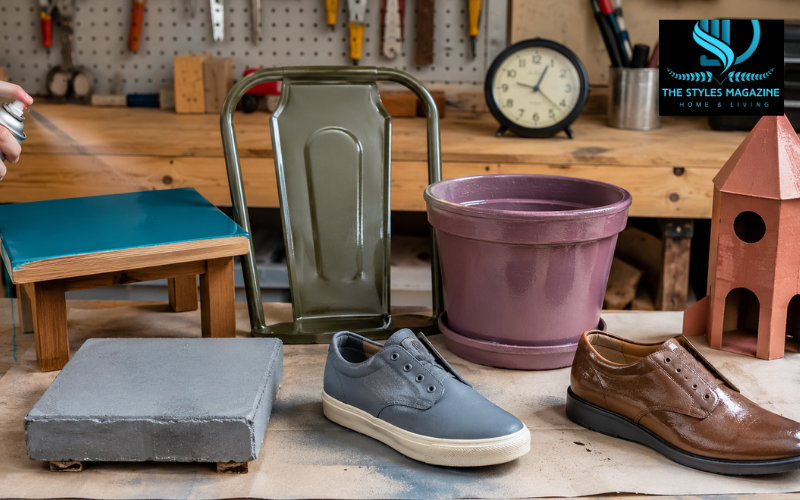
How long does spray paint take to dry? In normal conditions, many spray paints feel dry to the touch in about 15 to 30 minutes. That does not mean the finish is ready for regular use. Most projects need at least 24 hours to cure, while certain paints and surfaces may need several days to reach their best hardness and adhesion.
The answer depends on what “dry” means. Recoat time tells you when another layer can be added. Handling time is when the object can be moved carefully. Cure time is how long the coating needs to become firm and durable. A surface can feel dry while the paint underneath is still soft.
Paint formula, surface material, temperature, humidity, airflow, preparation, and coat thickness all affect the timeline. Krylon says most of its spray paints are touch dry in 20 to 25 minutes and ready to handle in about one hour, but individual products vary. Some rust-preventive enamels can take two to four hours to become touch dry. The directions on the can should always be your final guide.
Spray Paint Drying Time Quick Guide
| Surface or Paint Type | Touch-Dry Time | Recommended Cure Time |
| Metal | 10–30 minutes | 24–48 hours |
| Plastic | 20–30 minutes | 24 hours to 7 days |
| Wood | 30 minutes–2 hours | 24–72 hours |
| Concrete | 30 minutes–2 hours | 24 hours or longer |
| Cardboard | 15–30 minutes | Several hours |
| Leather and shoes | 15–30 minutes per coat | 24–48 hours |
| Rims | 10–30 minutes | 24–72 hours |
| Acrylic spray paint | 10–30 minutes | About 24 hours |
| Enamel spray paint | 30 minutes–4 hours | 24–48 hours |
| Oil-based spray paint | Several hours | 24–48 hours or longer |
Spray Paint Drying Stages at a Glance
Spray paint moves through several drying stages. Understanding them can prevent fingerprints, dents, peeling, and a sticky finish.
Surface dry is the first stage. Water or solvents begin leaving the top layer, so the paint may look dry even though it is still fragile. This often happens within 10 to 30 minutes.
Touch dry means a light touch in a hidden spot should not leave paint on your finger or create a mark. Many general-purpose aerosols reach this point in 15 to 30 minutes, but slow enamels may need longer.
Hard dry means the coating feels firmer and is less likely to collect dust or light marks. This may take two to four hours, although moving or assembling the item can still damage it.
Fully cured means the paint has reached its intended hardness and adhesion. Twenty-four hours is common, but some coatings need 48 hours, several days, or even a week.
Drying Time by Spray Paint Type
Paint formula is one of the biggest influences on drying time. Fast-drying craft and artist sprays may become surface dry in 5 to 10 minutes. Acrylic and lacquer aerosols often become touch dry in about 10 to 30 minutes. One current acrylic-metallic product lists 20 minutes to touch dry and 24 hours for total curing.
General-purpose enamel varies widely. Some automotive enamels become touch dry in 15 minutes and ready to handle in one to two hours, while certain rust-preventive enamels need two to four hours to become touch dry. Water-based aerosol paint may take about one hour to feel dry and around 24 hours to cure.
Oil-based formulas can stay soft for several hours and often benefit from 24 to 48 hours or longer before use. Epoxy and polyurethane aerosols may become touch dry in 30 to 60 minutes, but their final cure can take several days. These are planning ranges, not fixed rules. Brand, resin, finish, and coat thickness can change both dry and recoat times.
Factors That Make Spray Paint Dry Faster or Slower
Warm, dry air usually helps spray paint dry steadily. Many product times are tested near 70°F to 77°F, or about 21°C to 25°C, with moderate humidity. Cooler temperatures slow evaporation, while high humidity can delay drying, especially with water-based products. Krylon recommends spraying below 60% humidity when possible.
Gentle airflow carries moisture and vapor away from the surface. Strong wind, however, can blow dust into wet paint or make the spray uneven. Direct, intense sunlight is not always helpful because a very hot surface may dry on top before the lower layer becomes firm.
Several light coats dry more evenly than one heavy layer. Primer, dirt, grease, rust, moisture, and glossy old finishes can also change the result. A clean, dry, properly prepared surface gives the paint the best chance to dry and bond as expected.
How Long Does Spray Paint Take to Dry on Wood?
On wood, spray paint commonly becomes touch dry in about 30 minutes to two hours. Bare wood is porous, so it can absorb some of the first coat. The surface may appear dry while moisture or solvents remain in the grain. Softwood, open grain, and damp wood may take longer than sealed or previously painted wood.
Raw wood should be clean, dry, and smooth. Primer can reduce uneven absorption and provide a consistent base. Painted, stained, or sealed wood may dry more like a nonporous surface, but glossy finishes usually need cleaning and light sanding so the new coating can grip.
Follow the can’s recoat window. Some products allow another coat within an hour but require a 24- to 48-hour pause if that early period is missed. Rust-Oleum warns that certain multi-surface aerosols should receive light coats within one hour, followed by 48 hours before a later topcoat.
Wait at least 24 hours before moving decorative wood carefully. Furniture, shelves, and frequently handled pieces are safer with 48 to 72 hours of curing.
Spray Paint Drying Time on Metal and Rims
Clean metal is nonporous, so a thin coat can become touch dry quickly. Depending on the product, spray paint on metal may feel dry in 10 minutes to two hours and become ready for careful handling in 30 minutes to several hours. One automotive enamel lists 15 minutes to touch dry and one to two hours to handle, while high-heat paint lists 30 minutes to touch and one to two hours to handle.
Rust, oil, wax, cold metal, and heavy coats slow the process or weaken adhesion. Remove loose rust, clean away grease, and apply a compatible primer when required. Cold metal may also collect condensation, so let it reach a suitable working temperature before painting.
Wheel paint can be fast under controlled conditions. One Rust-Oleum wheel coating lists 10 minutes to touch and 30 minutes to fully dry. Real rims, however, are bolted on, heated, and exposed to road dirt. Unless the label allows earlier use, wait at least 24 hours before careful installation. A 48- to 72-hour cure is a safer choice after several coats or in cool weather.
How Long Does Spray Paint Take to Dry on Plastic?
Plastic-compatible spray paint often becomes touch dry in 20 to 30 minutes and may be handled carefully after about one hour. Krylon’s current guidance for Fusion All-In-One gives 20 minutes to touch dry and roughly one hour before handling.
The main problem with plastic is often adhesion rather than drying. Smooth, flexible, waxy, or unknown plastics may reject paint. Wash away dirt and grease, dry the item fully, and lightly scuff it when the label permits. Use a plastic primer or a paint clearly approved for plastic.
Even when the coating feels dry, avoid bending, stacking, scratching, or washing the item too soon. Twenty-four hours is a sensible minimum for gentle use. Some Rust-Oleum guidance recommends allowing painted plastic five to seven days to develop maximum adhesion and durability. That longer wait is useful for outdoor furniture, bins, handles, and other frequently touched items.
Drying Spray Paint on Concrete and Cardboard
On clean, dry concrete, a general-purpose spray coating may become touch dry in about 30 minutes to two hours. Concrete is porous and can hold moisture, so new, damp, dusty, sealed, or cold concrete may dry unevenly. Outdoor concrete also needs a longer wait before rain, washing, or foot traffic. Depending on the product and use, that may mean at least 24 hours or several days.
Use paint approved for concrete or masonry. Remove dust, loose material, oil, and moisture first. Decorative paint on a vertical planter or wall may be ready sooner than paint on a floor, step, or other high-wear area.
Cardboard usually feels dry in 15 to 30 minutes when paint is applied lightly. Thick coats can soften the fibers, create waves, or separate the layers. Build the color with fine passes and allow roughly 20 to 30 minutes between coats unless the label states otherwise. Leave the finished cardboard for several hours before folding, gluing, stacking, or placing weight on it.
How Long Does Spray Paint Take to Dry on Leather and Shoes?
Leather and shoes bend during use, so standard hard spray paint may crack, peel, or feel stiff. Choose a product made for natural leather, faux leather, vinyl, or fabric. The correct paint is more important than the fastest drying time.
Flexible acrylic leather paint often needs 15 to 30 minutes between thin layers. Angelus gives about 30 minutes as a typical drying time for each coat on leather shoes, while noting that paint thickness and leather type can change the result.
After the final coat, leave leather or shoes untouched for at least 24 hours before wearing, bending, sanding, or adding stress. Apply any protective finisher only after the color coat has dried according to its directions. In humid conditions or after several coats, 48 hours is safer. Angelus also advises allowing tacky paint at least 24 hours in a ventilated area to cure properly.
Fabric shoes may feel dry on top while holding moisture inside the fibers, so give them extra airflow and time.
Recoat Time, Handling Time, and Cure Time
Recoat, handling, and cure times are not interchangeable. Recoat time tells you when another layer can be added without wrinkling, lifting, or trapping too much solvent. It may be shorter or longer than touch-dry time. Some aerosols must be recoated within one hour or only after 24 to 48 hours.
Handling time tells you when the item can be moved gently. It does not mean the paint can withstand screws, straps, stacking, cleaning, or daily contact. Cure time is the longest stage, when the complete coating becomes harder and develops stronger adhesion.
Simple décor may be ready after 24 hours. Furniture, tools, handles, and shelving often benefit from 48 to 72 hours. Certain plastic finishes may need five to seven days. Rims and outdoor items should cure as long as practical before heat, weather, washing, or abrasion. Shoes and leather should usually rest for at least 24 hours before wear. When a label lists both dry and cure times, use the cure time to plan regular use.
How to Tell Whether Spray Paint Is Completely Dry
Do not test the center of a visible area with a firm finger press. Check a hidden edge or a test piece painted at the same time. Touch it lightly with a clean fingertip. Paint ready for careful handling should not transfer, feel sticky, or hold a fingerprint.
Inspect the finish under good light. Wet-looking patches, uneven gloss, soft edges, or darker areas may show that some sections are still drying. A strong odor can mean vapors are still leaving the coating, although odor alone does not confirm whether it is cured.
If a hidden area dents or feels rubbery under very light pressure, wait longer. Cool weather, high humidity, thick layers, and enclosed corners can add hours to the stated time. When you are unsure, another 12 to 24 hours is usually easier than repairing fingerprints, stuck surfaces, or peeled paint.
Safe Ways to Make Spray Paint Dry Faster
The safest way to shorten drying time is to improve the application, not force heat onto wet paint. Begin with a clean, fully dry surface. Shake the can as directed, hold it at the recommended distance, and keep it moving. Several light coats release moisture and solvents more evenly than one wet coat.
Work within the temperature and humidity range on the label. Around 70°F, or 21°C, with low to moderate humidity suits many products. Ventilate the area and use gentle airflow from a household fan, but do not blow dust directly onto the finish. Current manufacturer guidance also notes that cooler temperatures, high humidity, weak airflow, and thick coats extend drying.
Never use an open flame, heat gun, or space heater near aerosol paint. Vapors may be flammable, and high heat can damage the coating or object. Keep the project dry and respect the full recoat window.
Common Mistakes That Extend Spray Paint Drying Time
The most common mistake is trying to cover the surface with one heavy coat. A skin may form on top while wet paint remains trapped underneath. The finish can then stay sticky, dent easily, or wrinkle when another coat is applied.
Cold air, high humidity, poor ventilation, or an overheated surface can also cause problems. Manufacturers warn that heavy application, incorrect recoat timing, and unsuitable weather may lead to cracking, wrinkles, or bubbles.
Poor preparation is another cause. Paint may stay tacky or peel when sprayed over grease, silicone, wax, moisture, dust, loose rust, or an incompatible finish. The wrong product can fail on smooth plastic, flexible leather, damp concrete, or high-heat metal even if it seems to dry normally.
Finally, do not confuse “ready to handle” with “ready to use.” Assembling furniture, installing rims, bending shoes, washing plastic, or placing objects on a shelf too soon can mark a finish that looked dry.
Conclusion: Allowing Enough Time for a Durable Finish
So, how long does spray paint take to dry? Many common products become dry to the touch in about 15 to 30 minutes and can be handled carefully after one to two hours. Slower enamel, oil-based, specialty, or heavily applied coatings may need several hours just to feel dry. A full cure usually takes at least 24 hours, while some projects need 48 hours to seven days before they can handle regular wear, washing, pressure, or outdoor exposure.
The surface also changes the answer. Metal often dries quickly. Porous wood, concrete, cardboard, fabric, and leather may hold moisture or need extra time. Plastic can feel dry within minutes but still require days to reach strong adhesion. Rims, shoes, furniture, and frequently handled objects deserve more curing time than decorative pieces.
For the best result, apply thin coats in warm, dry, well-ventilated conditions and follow the dry, recoat, handling, and cure times on the can. Waiting a little longer is usually the simplest way to protect the finish and avoid doing the job again.
Frequently Asked Questions
How Long Should Spray Paint Dry Before Touching It?
Most spray paint can be touched lightly after 15 to 30 minutes. Slower enamel or oil-based formulas may require several hours, especially in cold, humid, or poorly ventilated conditions.
How Long Does Spray Paint Take To Cure Fully?
Most spray paint needs at least 24 hours to cure. Thick coats, plastic surfaces, cool temperatures, and high humidity can extend the full curing period to several days.
Can I Apply Another Coat After 30 Minutes?
Many products allow recoating within 20 minutes to one hour. However, some require recoating within a specific window or waiting 24 to 48 hours, so check the label first.
Why Is My Spray Paint Still Sticky?
Spray paint may remain sticky because the coats were too thick, the weather was cold or humid, ventilation was poor, or the new paint reacted with the surface underneath.
Does Spray Paint Dry Faster In The Sun?
Warm conditions may help, but strong direct sunlight can heat the surface unevenly and damage the finish. A warm, dry, shaded, and well-ventilated area is usually safer.
Enjoyed it? Find more exclusive content on The Styles Magazine.
Disclaimer: The drying times in this article are general estimates. Results vary by product, surface, weather, and application method. Always follow the manufacturer’s safety, drying, and recoating instructions.