Old wood floors have a way of making people emotional. Pull up a corner of carpet in an older home and suddenly there is a whole story waiting underneath. Maybe the boards are warm, worn, and full of character. Maybe they are stained, scratched, or patched in strange places. Or maybe they are so damaged that the dream of restoring them starts to feel more like an expensive gamble.
That is the tricky thing about original floors. They can be one of the most beautiful parts of a home, but they can also be one of the most misunderstood. A floor that looks rough is not always a lost cause. At the same time, a floor with history is not automatically worth saving at any cost. Homeowners need a balanced view before they make a decision that affects the look, feel, budget, and long-term function of the entire home.
This is where careful planning matters. Whether you are handling a full renovation, updating one room, or working with a team that offers professional home design and build, the smartest approach is to slow down and understand what the floor is actually telling you.
The Charm Hiding Under the Surface
Original wood floors often carry a kind of character that newer materials try hard to imitate. The small dents, subtle color changes, old nail holes, and uneven grain can make a room feel grounded and lived-in. These details are not always flaws. In many homes, they are part of the appeal.
That does not mean every mark should be celebrated without question. Some homeowners love a rustic, timeworn look, while others want a cleaner and more refined finish. Both preferences are valid. The important thing is knowing the difference between cosmetic aging and serious damage.
Many older floors look worse than they really are when they are first uncovered. Dust, adhesive residue, paint splatter, dark stains, or old finishes can make boards seem beyond repair. Once a flooring professional evaluates the material, there may be more potential than expected. Sanding, patching, staining, and sealing can sometimes bring the floor back beautifully without removing its personality.
Still, restoration is not magic. If the wood has been sanded too many times before, there may not be enough thickness left for another full refinish. If boards are loose, warped, or deeply damaged, the work becomes more complicated. The charm is real, but so are the limits.
When Restoration Makes Sense
Saving original floors is often worth considering when the boards are mostly intact and structurally sound. Scratches, uneven color, small gaps, and surface stains do not always mean replacement is necessary. In fact, these are often the exact details that give old floors their depth.
A good restoration plan usually starts with an inspection. The floor should be checked for softness, movement, deep cracking, water damage, and signs of insects. The subfloor matters too. A beautiful surface will not perform well if the support underneath is failing.
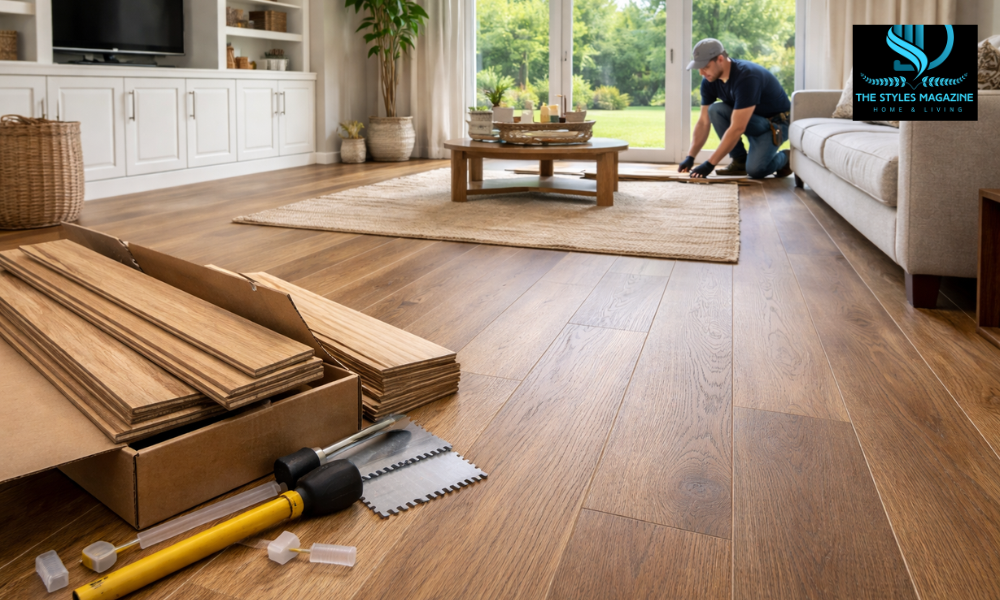
If the boards feel solid underfoot and the damage is mostly on the surface, refinishing can be a practical choice. The process may involve removing the old finish, sanding carefully, filling certain gaps, replacing individual boards, and applying a new protective coating. The goal is not always to make the floor look brand new. Often, the best result is a floor that looks cared for while still feeling authentic.
Restoration can also support the overall value and character of a home. Original floors are often made from wood that is harder to find today, especially in the same board widths, grain patterns, or old-growth quality. Preserving them can keep the home’s personality intact in a way that new flooring may not fully match.
That said, homeowners should be realistic. Restoration can be messy and disruptive. It may involve dust, odor, drying time, and moving furniture out of the way. If you are already planning other renovation work, it is usually better to handle the floors before moving in or before final finishes are installed.
When Replacement is the Wiser Choice
There are times when replacing old wood floors is not a failure. It is simply the right decision. Severe rot, widespread insect damage, deep water damage, and boards that crush or flex under pressure are serious warning signs.
Some floors are too thin from previous sanding. Others have been cut apart for old repairs, plumbing access, or layout changes. In some cases, only certain sections are worth saving, while the rest need to be replaced or blended with new material. A balanced decision looks at safety, cost, appearance, and long-term durability rather than emotion alone.
Replacement can also make sense when the existing floor no longer fits how the home will be used. A busy household may need a more durable surface. A major layout change may leave awkward transitions or mismatched patches. A homeowner may simply prefer a cleaner, more consistent look. Around this stage, it is smart to compare restoration costs with new flooring options and get experienced input from a qualified flooring specialist through www.premierhardwood.net before making the final call.
The key is not to assume replacement is automatically wasteful. Sometimes new floors can improve performance, moisture resistance, comfort, and maintenance. They can also solve hidden problems that restoration would only disguise for a short time.
The Middle Ground Many Homeowners Miss
One of the best options is not always full restoration or full replacement. Sometimes the answer is a thoughtful mix of both.
A floor may be worth saving in the living room, dining area, or bedrooms, while another section needs new boards because of damage. Skilled professionals can sometimes lace in replacement boards so the transition feels natural. They may also use stain and finish techniques to help old and new sections work together.
This approach is especially useful in older homes where different rooms have gone through different phases of change. One area might have original boards in great condition, while another may have been damaged by moisture, covered with tile, or altered during a previous renovation. Treating the entire home as one single flooring decision can lead to unnecessary costs or missed opportunities.
There is also room for personal taste. Some homeowners want every imperfection softened. Others want the repairs to remain slightly visible because they see them as part of the home’s story. Neither choice is wrong. What matters is making the decision intentionally.
A Careful Sanding Strategy Matters
Refinishing old floors requires restraint. Aggressive sanding can remove too much wood and shorten the life of the floor. This is especially important with historic boards or floors that have already been refinished several times.
A careful professional will evaluate the thickness of the boards before deciding how much sanding is safe. The goal is to remove enough old finish and damage to create a clean surface, but not so much that the floor becomes weak. In some cases, a gentler screen-and-recoat may be better than a full sanding.
Homeowners should be cautious about rushing this part of the process. Heavy equipment in the wrong hands can do permanent damage quickly. A floor that has survived for decades can lose years of future life through one overly aggressive refinish.
Finish selection matters too. A matte or satin finish can help preserve a natural look, while a glossier finish may highlight imperfections. Stain color can either celebrate the wood’s age or try to even it out. These choices should support the home’s overall style rather than fight against it.
The best Decision Starts with Honest Expectations
Original wood floors can be worth saving, but they deserve an honest evaluation. They are not automatically treasures, and they are not automatically problems. They are materials with history, limits, strengths, and surprises.
The smartest approach is to look beyond the first impression. A rough-looking floor may only need careful refinishing. A charming floor may hide serious structural issues. A replacement plan may feel less romantic, but it may also be safer and more practical. A partial repair may deliver the best balance of character and reliability.
Before making a final choice, homeowners should think about budget, timeline, lifestyle, future maintenance, and the feeling they want the home to have. Old floors can bring warmth that is hard to recreate, but only when they are stable enough to serve the home well.
In the end, the goal is not just to save what is old or install what is new. The goal is to make a decision that respects the home while supporting the people who live in it every day.
Enjoyed it? Find more exclusive content on The Styles Magazine.