Building an accessory dwelling unit can be exciting, practical, and a little intimidating all at once. It can create room for family, guests, rental income, work, privacy, or future flexibility. At the same time, it is still a real construction project with permits, budgets, inspections, design choices, timelines, and a few surprises that can appear along the way.
The strongest projects usually begin with a clear purpose. A small guest suite, a private space for a relative, a rental-ready unit, and a backyard office may all fall under the same general idea, but they do not need the same layout, utility setup, finishes, or privacy plan. The more clearly you understand your goals before the design phase for your extra unit, the easier it is to avoid expensive changes later.
That does not mean every detail needs to be decided immediately. A good project becomes clearer as you learn more about the property, the rules, the budget, and the build process. The key is to move in the right order instead of jumping straight into floor plans, fixtures, or contractor conversations before the basics are settled.
Start with the “Why” Behind the Build
An ADU works best when it is planned around a real need, not just the idea of adding more space.
Some owners want a comfortable place for aging parents or adult children. Others want rental income, a guest suite, a studio, or a flexible space that can change over time. Each goal creates different priorities. A family suite may need privacy, accessibility, and comfort. A rental unit may need durable finishes, a separate entrance, good storage, and a clear separation from the main home.
It is also worth being honest about the trade-offs. An ADU can add value and usefulness, but it also brings upfront costs, construction disruption, maintenance responsibilities, and decisions that can affect the rest of the property. The best projects are not just possible on paper. They make sense financially, practically, and emotionally for the owner.
Let the Property Guide the Plan
A great idea still needs to work with the land, the existing home, and the rules that apply to the property.
Lot size, access, slope, trees, drainage, setbacks, utility connections, existing structures, and safety requirements can all influence what can be built. Even when the general rules are favorable, the details of a specific property can change the size, placement, layout, and total cost of the unit.
This is why feasibility should come before design. A feasibility review helps determine where the unit could fit, how large it could be, how utilities may connect, and which construction type makes the most sense. Sometimes a detached unit is the best choice. In other cases, an attached unit, garage conversion, or internal conversion may be more practical.
This step may not feel as exciting as choosing finishes, but it can prevent major frustration. It is much better to discover access issues, utility challenges, or size limits early than after plans have already been created.
Budget Beyond the Walls
The cost of an ADU is not just the cost of framing, roofing, flooring, cabinets, and finishes. Some of the most important budget decisions are tied to the parts of the project that affect comfort, efficiency, durability, and everyday use.
Windows are a good example. They may seem like a smaller line item compared with foundation work or utility connections, but they can influence the entire feel of the space. The right windows can improve natural light, help with ventilation, reduce noise, support energy efficiency, and make a compact unit feel more open. The wrong choices can create glare, heat gain, privacy issues, or long-term maintenance headaches.
That is why window planning should be part of the early budget conversation, not something left until the end. Size, placement, material, glass type, installation quality, and code requirements can all affect the final cost. When researching window performance, installation standards, or replacement options, owners may come across resources like https://thewindowdepotllc.com/ during planning, choosing windows that match the unit’s layout, climate needs, privacy goals, and overall budget.
A realistic budget also needs room for the less visible parts of the project. Design, engineering, permits, utility work, site preparation, foundation, inspections, and contingency can all affect the final number. Some projects are straightforward, while others become more expensive because of trenching, drainage, tight access, structural upgrades, or unusual site conditions.
It is also important to compare value, not just price. A cheaper window package may reduce the upfront cost, but it may not offer the same comfort, efficiency, sound control, or durability. At the same time, not every project needs premium finishes. The best choice is usually the one that fits the purpose of the unit, the expected use, and the owner’s long-term plans.
Choose the Right Type of ADU
There is no single best type of ADU. The right choice depends on the property, the budget, and the reason for building.
A detached unit usually offers the most privacy and independence. It can feel like a true separate home, which may be ideal for rental use or long-term family living. However, it may also require more site work, utility planning, and construction coordination.
An attached unit can be more efficient when the existing home layout supports it. It may share certain walls or systems, but it still needs thoughtful design so both spaces feel comfortable and private. A garage conversion can also be appealing when the existing structure is suitable, but it is not always as simple as finishing the inside. The slab, framing, insulation, ventilation, ceiling height, and utility access all need to be reviewed.
Internal conversions can work well when the main home has unused or underused space. They may be more limited in size and layout, but they can be practical when the property does not have enough room for a separate structure. The right choice is not always the biggest or flashiest option. It is the one that fits the property without forcing the project to become more complicated than it needs to be.
Treat Permits as Part of the Journey
Permitting can feel slow, but it exists to make sure the unit is safe, legal, and properly documented.
A complete permit package may include architectural plans, structural details, energy documents, utility information, and other project-specific materials. Review times vary, and revisions are common. A requested revision does not always mean something is wrong. Sometimes the plans simply need clarification before approval can move forward.
The smoother projects usually have experienced professionals preparing documents and anticipating the questions reviewers may ask. Clear plans can reduce confusion, but they cannot remove every variable. Different properties bring different issues, and some reviews take longer than expected.
Owners should treat permitting as a real phase of the project rather than a delay before construction begins. Decisions made during this stage can affect the budget, the build quality, and the final inspection process.
Prepare for the Reality of Construction
Once construction begins, the project becomes more visible, more active, and sometimes more disruptive.
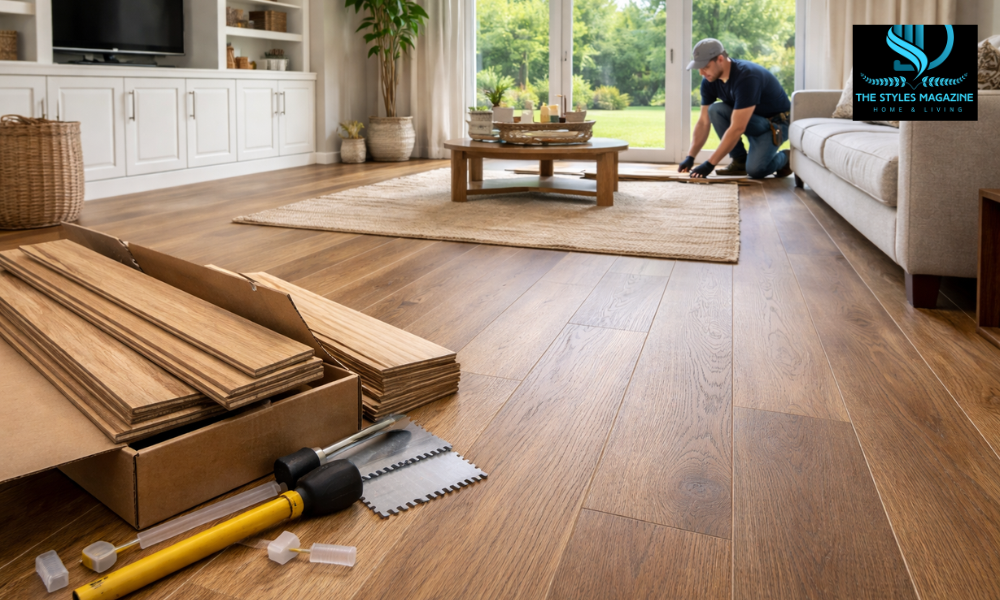
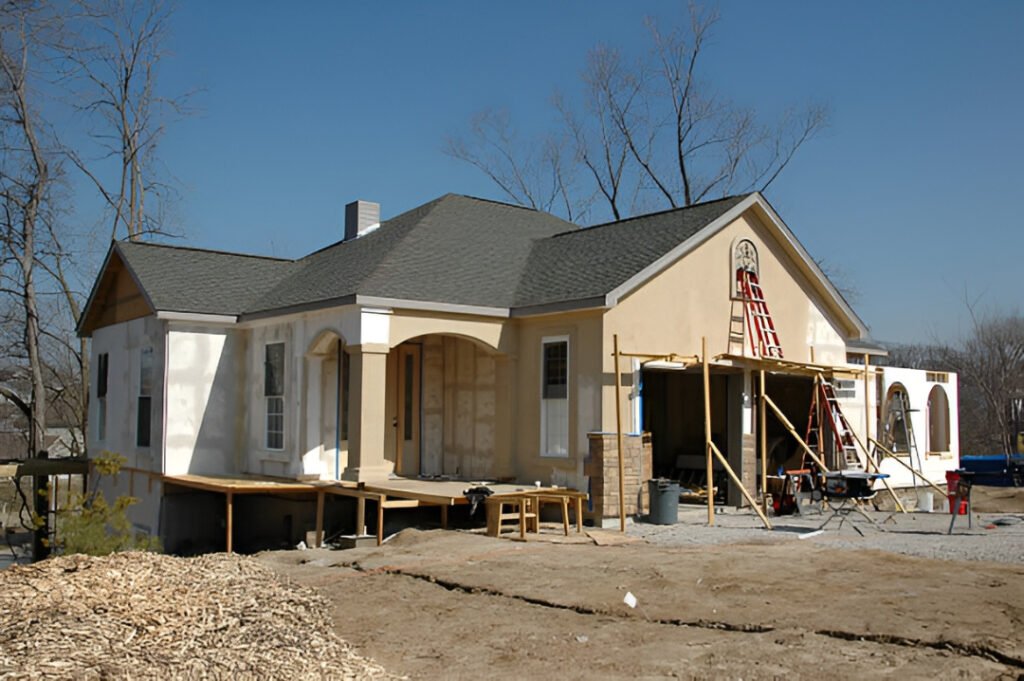
The work may include site preparation, demolition, trenching, foundation, framing, roofing, windows, rough plumbing, electrical, mechanical systems, exterior finishes, insulation, drywall, cabinetry, flooring, fixtures, paint, and final inspections. Some stages move quickly. Others may feel slower because the work is happening underground, behind walls, or around inspection schedules.
Communication is one of the most important parts of this phase. Owners should understand who is managing the project, when decisions are needed, how changes are handled, and what milestones are coming next. Delays can happen because of weather, inspections, materials, change orders, or unexpected site conditions. A reliable project team will not pretend that nothing can go wrong. Instead, they will explain what is happening and how the issue will be handled.
Clear expectations make the process easier to live through. Construction is temporary, but the finished unit may serve the property for decades.
Build for Today Without Ignoring Tomorrow
A well-planned ADU should solve a current need while staying useful in the future.
A space built for a parent today may later become a guest suite, office, rental, or private retreat. Durable finishes, efficient systems, smart storage, natural light, privacy, and comfortable access can make the unit more adaptable over time. This is where practical design often matters more than trendy choices.
It is also wise to avoid shortcuts that only look cheaper upfront. A poor layout, weak materials, rushed planning, or unclear scope can create long-term headaches. At the same time, not every ADU needs luxury finishes or a fully custom design. A simple, well-planned unit can be more valuable than an overbuilt one that strains the budget.
The goal is not to build the largest or most expensive space possible. The goal is to build the right space, with the right plan, for the right reasons. When the project starts with feasibility, moves through thoughtful budgeting, and continues with clear communication, an ADU can become one of the most useful additions a property can have.
Enjoyed it? Find more exclusive content on The Styles Magazine.