Hiring a virtual interior designer has become one of the most practical ways to design or refresh a space in 2026. Instead of scheduling in-home visits, waiting weeks for appointments, and paying premium design fees, many homeowners, renters, and even business owners now choose online design services that deliver professional results remotely.
Virtual interior design, often called online interior design or e-design, allows clients to work with professional designers through digital platforms, video calls, design apps, and cloud-based planning tools. A client usually shares room photos, measurements, design goals, and budget preferences. The designer then creates personalized room concepts, furniture layouts, mood boards, shopping recommendations, and often realistic 3D room previews.
This design model has grown quickly over the last few years. Better design software, mobile apps, artificial intelligence, and improved 3D rendering technology have made remote design more accurate and easier to use than ever before. What started as a convenient alternative is now a preferred solution for many people who want flexibility, affordability, and access to design expertise from anywhere.
Whether someone wants to redesign a bedroom, improve a home office, stage a rental property, or start a career in online design, working with a virtual interior designer offers more opportunities than ever before.
Quick Comparison Guide
| Option | Best For | Typical Cost | Features |
| Virtual Interior Designer | Personalized room design | Low to Medium | Custom layouts, shopping lists, expert advice |
| AI Design Tools | Fast inspiration | Free to Low | Instant style previews, room ideas |
| DIY Design Software | Hands-on planners | Free to Medium | Floor plans, furniture placement |
| Traditional Interior Designer | Full-service luxury projects | High | In-home visits, project management |
What a Virtual Interior Designer Actually Does
A virtual interior designer helps clients improve the look, comfort, and function of their spaces without meeting in person. Their work goes far beyond simply choosing furniture or paint colors. They study how a room is used, identify layout problems, understand the client’s lifestyle, and create solutions that fit both style and practical needs.
Most designers begin by learning about the client’s preferences. They ask questions about design taste, daily habits, storage needs, color preferences, and budget. Clients usually upload photos and room measurements, which gives the designer a clear understanding of the space.
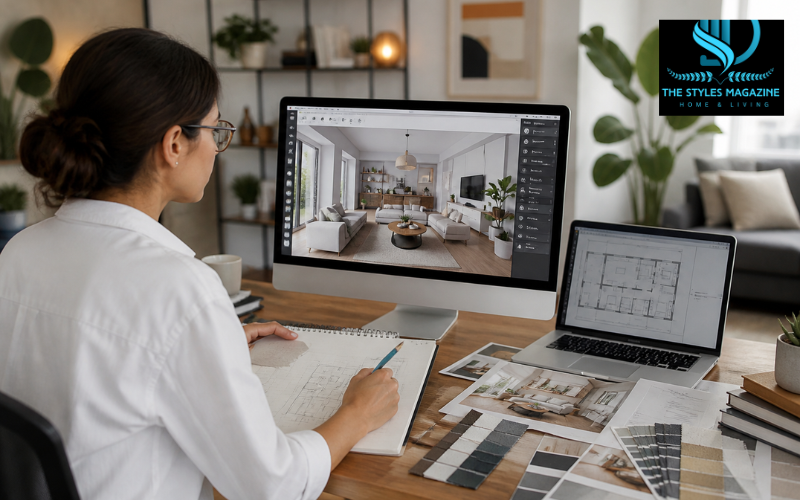
After gathering information, the designer creates a personalized concept. This may include color palettes, furniture suggestions, lighting recommendations, decorative accents, wall styling ideas, and layout improvements. Many designers also provide 3D visual presentations so clients can see how the finished room may look before purchasing anything.
A virtual designer often continues guiding the client through the buying and setup process, helping them make confident choices along the way.
How Virtual Interior Design Works from Consultation to Final Setup
The virtual design process is usually simple and user-friendly. Most projects begin on a design platform or through an online consultation. Clients complete a style questionnaire, share images of their current room, upload measurements, and explain what they want to improve.
After reviewing the information, the designer creates an initial concept. This may include inspiration boards, design directions, furniture placement suggestions, and sample product recommendations. Some platforms also offer video consultations where clients can discuss ideas directly with the designer.
Once the client approves the design direction, the designer develops a more complete room plan. This often includes 3D room visualizations, furniture dimensions, décor selections, and links to recommended products.
The final step is implementation. Since the service is remote, clients usually handle the ordering, delivery, and room setup themselves. However, the design plan acts as a roadmap, making the process much easier and reducing design mistakes.
Benefits of Hiring a Virtual Interior Designer Instead of Traditional In-Home Design
One of the biggest reasons people choose a virtual interior designer is convenience. Everything can be done from home, including consultations, planning, revisions, and product selection. There is no need to coordinate home visits or rearrange personal schedules.
Cost is another major advantage. Traditional interior design services often include travel costs, in-person consultations, and higher project fees. Virtual services usually offer flexible packages that make professional design more accessible.
Online design also gives clients more freedom. They can review plans in their own time, compare product options, and make purchases gradually instead of feeling pressured into immediate decisions.
Another important benefit is access to talent. Instead of choosing from local designers only, clients can work with professionals from different cities or even different countries, giving them more style options and creative perspectives.
Types of Virtual Interior Design Services Available Today
In 2026, virtual design services are available in several formats. Some designers focus on single-room makeovers, while others handle full-home planning. Some services are built around quick design consultations, while others provide complete design packages with detailed 3D visualization.
Many platforms now offer style-focused packages for modern, minimalist, luxury, family-friendly, or small-space interiors. Some designers specialize in residential spaces, while others focus on offices, cafés, short-term rentals, or commercial environments.
AI-supported design services are also becoming more common. These platforms combine professional input with automated design suggestions, helping clients explore multiple room styles faster.
Because there are now so many service types, clients can choose a solution that fits their goals, timeline, and budget more easily than ever.
Best Online Interior Design Services for Different Budgets and Design Goals
Online design platforms have expanded rapidly, offering solutions for almost every type of project. Some platforms are designed for affordable room refreshes, while others focus on premium design experiences with detailed custom planning.
For clients who want quick results and straightforward design help, platforms like Havenly have become popular. They typically guide users through style matching, digital consultations, and product recommendations.
For clients who want more personalized concepts and photorealistic presentations, services like Decorilla often provide a more detailed design experience with multiple design options.
For those focused on room visualization and layout precision, platforms such as Spacejoy are known for helping clients understand how furniture fits within their exact space.
The best service depends on what the client values most—budget savings, creative guidance, visualization accuracy, or premium customization.
Leading Virtual Interior Design Companies to Know in 2026
Several companies continue shaping the online interior design industry in 2026.
Havenly remains one of the most recognized platforms for beginner-friendly online design. Its process is simple, making it attractive for homeowners and renters who want quick design guidance.
Decorilla has built a reputation for more personalized service, often offering clients multiple designer concepts before the final direction is selected.
Spacejoy continues to attract users who want highly visual design presentations and practical furniture planning.
Each company serves a slightly different audience, which makes comparing features and design styles important before starting a project.
Affordable Online Interior Design Services for Small Spaces and Budget Projects
Not every design project requires a large investment. Many people turn to virtual interior design because it allows them to improve small spaces without overspending.
Studio apartments, guest rooms, home offices, and rental spaces often benefit the most from affordable online design services. These projects usually focus on layout optimization, smart storage, lighting improvements, and furniture selection that maximizes limited space.
Budget-friendly designers often help clients reuse existing furniture, choose lower-cost décor alternatives, and prioritize high-impact changes instead of complete renovations.
This makes virtual design especially useful for first-time renters, young professionals, and families looking for practical improvements without major construction or high design fees.
Virtual Interior Design Online Free Tools for DIY Home Planning
Some people prefer designing their spaces independently before hiring a professional. In that case, free design tools can be very useful.
Planner 5D allows users to create room layouts, place furniture, and visualize spaces in 2D and 3D. It is often used by beginners who want to experiment with floor plans.
Homestyler offers a user-friendly design experience with realistic furniture placement and room visualization.
Interior AI has become increasingly popular because it lets users upload room photos and instantly explore different design styles using artificial intelligence.
These tools help users build confidence and better understand their design preferences before making purchases.
Choosing the Right Virtual Interior Designer App for Mobile Design Projects
Mobile design apps have made virtual interior design even more accessible. Many clients now start their design journey directly from a smartphone or tablet.
A good design app should offer easy photo uploads, room measurement tools, communication features, product recommendations, and visual design previews. Speed and usability matter, especially for users who want to manage projects while traveling or working.
Apps that support live collaboration between clients and designers are becoming more valuable in 2026. The ability to review updates, request revisions, and approve designs directly from a mobile device creates a smoother experience.
Choosing the right app often depends on whether the user wants full designer support, DIY tools, or AI-generated inspiration.
Virtual Interior Design for Living Rooms, Bedrooms, Offices, and Apartments
A virtual interior designer can work on nearly any type of room. Living rooms often focus on seating arrangements, entertainment layouts, and creating welcoming social spaces.
Bedrooms usually prioritize comfort, lighting, storage, and calming color choices. Designers often help clients create spaces that feel restful and organized.
Home offices have become increasingly important, especially for remote workers. Designers focus on productivity, ergonomics, lighting, and minimizing distractions.
Apartments present unique challenges because of limited square footage. Virtual designers help maximize every corner while maintaining style and functionality.
Because online design is flexible, it works equally well for large homes, small apartments, and multifunctional spaces.
How 3D Visualization and AI Are Changing Online Interior Design
Technology has transformed how interior design works. In the past, clients had to imagine how a design concept might look. Today, 3D visualization tools make it possible to see detailed room previews before spending money.
This reduces uncertainty and helps clients make better purchasing decisions. They can test furniture placement, color combinations, and layout options before making commitments.
Artificial intelligence has also introduced a new level of speed and personalization. AI can analyze room photos, suggest style directions, recommend furniture combinations, and generate inspiration based on personal preferences.
Rather than replacing designers, AI is helping them work faster and provide more creative options.
Virtual Interior Designer Pricing and What Affects Project Costs
The cost of hiring a virtual interior designer can vary widely depending on the project size, service level, and designer experience.
Basic design packages for a single room may start at relatively affordable rates, while premium services with multiple revisions, detailed 3D rendering, and personalized sourcing can cost significantly more.
Project complexity also affects pricing. A small guest room usually requires less planning than an open-concept living space or a multi-room redesign.
Custom furniture sourcing, architectural changes, and specialized styling needs may also increase the final cost.
Understanding what is included in each package helps clients compare services more accurately.
How to Choose the Right Virtual Interior Designer for Your Style and Budget
Choosing the right designer begins with understanding your goals. Some clients want a luxury aesthetic, while others prioritize functionality, family-friendly layouts, or budget-conscious upgrades.
Reviewing a designer’s portfolio is one of the best ways to see whether their style matches your vision. Reading client reviews can also reveal how well they communicate, solve problems, and handle revisions.
Budget transparency is equally important. A strong virtual interior designer clearly explains what is included, what may cost extra, and how product recommendations fit within the client’s spending goals.
The best designer is not always the most expensive one. It is the one who understands your needs and can turn your ideas into a practical design plan.
Virtual Interior Designer Jobs and Career Opportunities in 2026
As remote work continues growing, virtual interior designer jobs are becoming more common. Design platforms, freelance marketplaces, architecture firms, and home décor brands are all hiring digital design professionals.
Some designers work independently with private clients, while others join online design companies or collaborate with furniture retailers.
There are also opportunities in content creation, digital staging, real estate marketing, and AI-supported design consulting.
Because clients now accept remote design as normal, the career outlook for digital interior design professionals continues to improve.
How to Become a Virtual Interior Designer and Build an Online Design Career
Starting a career as a virtual interior designer usually begins with building design knowledge and creating a strong portfolio. Many professionals study interior design formally, while others gain experience through design software, practical projects, and online education.
Learning digital tools is essential. Designers who understand 3D modeling, mood board creation, room planning software, and online communication tools often have stronger career opportunities.
Building a personal brand also matters. Many successful designers attract clients through websites, social media portfolios, and design marketplaces.
As demand grows, designers who combine creativity, communication, and technology skills are finding new career opportunities around the world.
Common Challenges in Virtual Interior Design and How Professionals Solve Them
Remote design comes with unique challenges. Incorrect room measurements, poor lighting in uploaded photos, unclear style preferences, and budget limitations can sometimes affect project accuracy.
Experienced designers reduce these problems by providing clear measurement guides, requesting multiple photos, and using digital consultations to better understand the client’s goals.
Technology also helps solve communication issues. 3D renderings, interactive mood boards, and live collaboration tools make it easier for clients to understand the design direction.
With the right process, virtual interior design can deliver results that feel just as personal and effective as traditional in-home design.
Conclusion
The role of the virtual interior designer has evolved from a simple online convenience into a powerful design solution for modern living. In 2026, digital design services offer flexibility, affordability, creativity, and access to professional expertise from almost anywhere.
Whether someone wants to redesign a small apartment, improve a workspace, explore AI-powered design tools, or build a career in online interiors, virtual design creates opportunities that fit modern lifestyles.
By understanding the available services, comparing platforms, exploring design tools, and choosing professionals carefully, anyone can use virtual interior design to create spaces that feel smarter, more beautiful, and better suited to everyday life.
Frequently Asked Questions
Is Hiring A Virtual Interior Designer Worth It?
Yes, a virtual interior designer can save time, reduce design mistakes, and provide expert guidance at a lower cost than many traditional interior design services.
How Much Does A Virtual Interior Designer Cost?
Pricing depends on the designer, room size, and service package. Basic online design can start affordably, while premium customized packages cost more.
Can Virtual Interior Designers Work With Small Apartments?
Yes, virtual interior designers often specialize in small spaces and can help improve storage, layout, comfort, and functionality.
Do I Need Special Software To Work With A Virtual Interior Designer?
No, most services work through websites, mobile apps, email, or video calls. Some may also provide interactive 3D design tools.
Can I Become A Virtual Interior Designer Without A Degree?
Some professionals build careers through certifications, software skills, portfolios, and practical experience, though formal education can also help.
Enjoyed it? Find more exclusive content on The Styles Magazine.
Disclaimer: This article is published for educational and informational purposes only. Pricing, services, software features, and platform availability may change over time. Readers should always verify current details directly with service providers before making purchasing or business decisions.