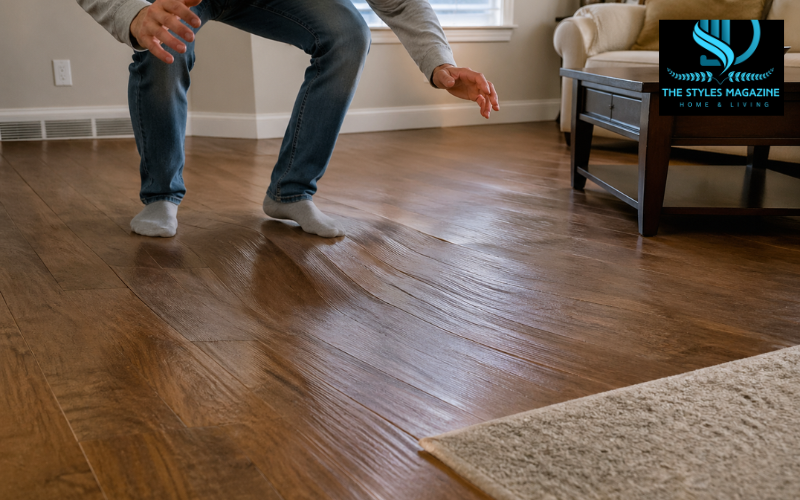
Bouncy floors are something many homeowners notice at some point. You might be walking across a room and suddenly feel a slight “give” under your feet, almost like the floor is springing back. For some, it’s subtle. For others, it can feel strong enough to make furniture shake or create concern about safety.
If you’ve ever thought, “Why does my floor feel bouncy when I walk?”, you’re not alone. This issue, often referred to as floor deflection, can happen in both old and new homes. In some cases, it’s completely normal and nothing to worry about. In other situations, it may be a sign of a deeper structural problem that needs attention.
The challenge is knowing the difference. Not every bouncy floor is dangerous, but ignoring the wrong kind can lead to bigger issues over time. Understanding what causes this “springy” feeling, how serious it is, and what you can do about it is key to protecting your home.
In this guide, you’ll learn what bouncy floors actually mean, why they happen, how to tell if they’re a problem, and the most effective ways to fix them. By the end, you’ll have a clear and practical understanding of whether your floor is just flexible—or something that needs fixing.
Bouncy Floors at a Glance
| Aspect | Details |
| What it Means | Floor flex or deflection under weight |
| Common Causes | Weak joists, long spans, poor support, loose subfloor |
| Normal or Not? | Slight bounce = normal, strong bounce = concern |
| Warning Signs | Cracks, sagging, sticking doors, vibrations |
| Fix Options | Reinforce subfloor, add blocking, sister joists, add supports |
| Estimated Cost | Low for minor fixes, higher for structural repairs |
| When to Worry | If bounce increases or structural signs appear |
What Bouncy Floors Actually Mean in a Home
Bouncy floors are usually the result of something called deflection. In simple terms, deflection means that a structure bends slightly when weight is applied. Every floor has some level of flexibility, especially those made from wood. A small amount of movement is normal and often designed into the structure.
However, the key difference lies in how much the floor moves. A slight, barely noticeable give when you step is typically harmless. It’s common in hardwood floors or laminate installations, especially in larger rooms. But when the movement becomes obvious—when you can feel the floor dip or bounce back—it may indicate that the structure underneath is not as strong as it should be.
Certain materials and floor systems make bounce more noticeable. Wood joists, for example, naturally flex more than concrete slabs. Lightweight flooring systems used in modern construction can also feel more responsive underfoot. On the other hand, tile or stone floors often reveal underlying issues more clearly because they don’t flex easily, leading to cracks if there’s too much movement below.
Understanding this balance between normal flexibility and excessive bounce helps you determine whether what you’re feeling is expected or a warning sign.
Common Causes Behind Bouncy Floors
Bouncy floors usually don’t happen without a reason. In most cases, the issue starts with the structural components beneath the surface.
One of the most common causes is over-spanned or undersized joists. Floor joists are the horizontal beams that support your flooring. If they are too long for their size or spaced too far apart, they can bend more than intended when weight is applied. This creates that noticeable bounce.
Another major factor is weakened joists. Over time, wood can lose its strength due to moisture exposure, rot, or pest damage such as termites. Even small areas of damage can reduce the overall stability of the floor, leading to movement when you walk across it.
Support structures also play an important role. If the beams or support posts in a crawl space or basement shift, settle, or were never properly installed, they may fail to provide enough support. This can cause the entire floor system to feel less stable.
Subfloor problems are another common reason. The subfloor is the layer directly beneath your visible flooring. If it is too thin, poorly installed, or not securely attached to the joists, it can create a springy surface. Loose panels may move slightly when stepped on, adding to the feeling of bounce.
Finally, heavy loads can contribute to the issue. Adding large appliances, heavy furniture, or even home renovations can put extra stress on a floor that was not designed to handle that weight. Over time, this can increase deflection and make the bounce more noticeable.
Bouncy Floors in Old vs New Homes
Bouncy floors are often associated with older homes, but they can also appear in newly built houses. The reasons, however, are slightly different.
In older homes, materials naturally age and wear down. Wood joists may weaken due to years of exposure to moisture or environmental changes. Homes also settle over time, which can shift support structures and create uneven pressure on the floor system. This is why bouncy floors in old houses are quite common and often expected to some degree.
In contrast, bouncy floors in new houses usually come down to design or construction choices. Modern building practices sometimes prioritize cost efficiency and speed, which can result in lighter materials or wider spacing between joists. While these designs often meet building codes, they may still feel less solid underfoot.
Another factor in newer homes is open floor plans. Large, open spaces require longer joist spans, which naturally increases the chance of deflection. Even if everything is built correctly, the floor may still feel slightly more flexible than in smaller, more traditional layouts.
So while the causes differ, both old and new homes can experience bouncy floors—it’s just a matter of understanding why.
Warning Signs That Indicate a Serious Problem
Not all bouncy floors are harmless. Sometimes, the movement you feel is part of a bigger structural issue.
One of the clearest warning signs is visible sagging or uneven flooring. If certain areas of the floor appear lower than others, it may indicate that the support system underneath is failing.
Cracks in walls or ceilings can also point to structural stress. These cracks often appear around doors, windows, or corners and may grow over time if the problem continues.
Another sign is doors and windows that start sticking or become difficult to open and close. This can happen when the structure shifts slightly, affecting the alignment of frames.
You may also notice vibrations throughout the room. For example, walking across the floor might cause furniture to shake or lamps to rattle. This level of movement usually suggests that the floor lacks proper support.
Finally, musty odors coming from a crawl space can indicate moisture issues, which may lead to wood rot or mold. These conditions can weaken the structure and contribute to bouncy floors.
When multiple signs appear together, it’s a strong indication that the issue goes beyond simple flexibility.
Are Bouncy Floors Dangerous or Just Annoying?
The answer depends on the severity of the bounce and its underlying cause.
In many cases, bouncy floors are simply a minor inconvenience. A slight springy feeling, especially in wood-framed homes, is often normal and not a cause for concern. It may be more noticeable in certain rooms or under specific conditions but does not necessarily mean the structure is unsafe.
However, when the bounce becomes pronounced or is accompanied by other warning signs, it can become a safety issue. Excessive movement may indicate that the floor is not properly supported, which can lead to further structural damage over time.
Ignoring the problem can make things worse. What starts as a small amount of deflection can gradually increase, putting more stress on joists, supports, and even walls. In extreme cases, this could lead to significant damage that requires costly repairs.
So while not all bouncy floors are dangerous, it’s important to pay attention to changes and investigate anything that seems unusual.
How to Fix Bouncy Floors (From Simple to Structural Solutions)
Fixing bouncy floors depends on what’s causing the problem. Some solutions are relatively simple, while others require more extensive work.
In mild cases, reinforcing the subfloor can help. Tightening loose panels or adding screws and adhesive can reduce movement and improve stability.
Another common approach is adding blocking or bridging between joists. These are small pieces of wood or metal installed between the beams to prevent them from twisting or shifting. This helps distribute weight more evenly and reduces bounce.
For more significant issues, sistering joists is often used. This involves attaching a new piece of lumber alongside an existing joist to strengthen it. It’s a reliable way to increase the overall rigidity of the floor.
In cases where support is lacking, installing additional beams or support posts may be necessary. Adjustable steel posts can provide extra support from below, especially in crawl spaces or basements.
Some homeowners attempt minor fixes themselves, especially when dealing with loose subfloors. However, structural repairs should be handled carefully. If the issue involves weakened joists or shifting supports, it’s usually best to consult a professional to ensure the problem is properly addressed.
Cost to Fix Bouncy Floors: What to Expect
The cost to fix bouncy floors can vary widely depending on the cause and the extent of the problem.
Simple repairs, such as securing a loose subfloor, are usually affordable and can often be completed quickly. These types of fixes typically involve minimal materials and labor.
More involved solutions, like adding blocking or sistering joists, increase the cost but provide stronger, longer-lasting results. These repairs require more time and expertise.
Structural fixes, such as installing new support beams or posts, tend to be the most expensive. The cost can rise further if access to the crawl space or basement is limited.
Location also matters. Repairs in crawl spaces may require additional effort due to limited space, while basement access can make the job easier. Homes built on slabs may involve different challenges altogether.
Overall, the bouncy floors cost depends on how serious the issue is. Addressing the problem early can often prevent higher expenses later.
When You Should Call a Professional
While some minor issues can be handled on your own, there are times when calling a professional is the best choice.
If you notice sagging floors, growing cracks, or significant movement, it’s important to get an expert opinion. Structural engineers and foundation specialists can assess the situation and identify the root cause.
Professionals also have the tools and experience needed to handle complex repairs safely. They can recommend the most effective solution and ensure that the work meets safety standards.
Delaying repairs can increase both the cost and the risk. What starts as a manageable issue can become more serious over time, affecting other parts of the home.
If you’re unsure about the severity of your bouncy floors, it’s always better to have them evaluated rather than taking chances.
Bouncy Floors in Specialized Settings (Like Gymnastics Floors)
Not all bouncy floors are a problem. In some settings, they are actually designed that way.
A bouncy floor in gymnastics, for example, is built to absorb impact and provide energy return. These floors use layers of materials that allow controlled movement, helping athletes perform jumps and land safely.
This type of bounce is very different from what you experience in a home. It is carefully engineered and evenly distributed across the surface.
In contrast, residential bouncy floors are usually unintentional and uneven. The movement often comes from structural limitations rather than design.
Understanding this difference helps put things into perspective. Not all bounce is bad—it just depends on where and why it happens.
Conclusion
Bouncy floors can mean different things depending on the situation. In many homes, a slight springy feeling is completely normal and nothing to worry about. However, when the movement becomes noticeable or is accompanied by other warning signs, it may point to a deeper structural issue.
Identifying the root cause early is important. Whether it’s a simple subfloor problem or a more serious issue with joists or support structures, taking action can prevent further damage and save money in the long run.
The key is to stay aware of changes in your home. If something feels off, it’s worth investigating. With the right approach, most bouncy floor problems can be fixed effectively.
By understanding what causes bouncy floors and how to address them, you can feel more confident about your home’s safety and stability.
FAQs
Are Bouncy Floors Dangerous?
Not always. Slight bounce is normal, but strong or worsening movement with cracks or sagging can signal structural problems and should be checked to avoid long-term damage.
Why Does My Floor Feel Bouncy When I Walk?
It usually happens due to flexible or weak support underneath, such as long joists, loose subfloor panels, or insufficient structural reinforcement.
How Much Does It Cost To Fix Bouncy Floors?
Costs vary widely. Minor fixes may be inexpensive, while structural repairs like adding supports or sistering joists can cost significantly more depending on the severity.
Can Bouncy Floors Be Fixed Permanently?
Yes, most issues can be permanently fixed by strengthening the floor structure, such as reinforcing joists, improving support, or securing the subfloor properly.
Are Bouncy Floors Common In New Houses?
Yes, they can occur in new homes due to modern construction designs, longer spans, or lighter materials, even if everything meets building standards.
Enjoyed it? Find more exclusive content on The Styles Magazine.
Disclaimer: This content is for informational purposes only and does not replace professional advice. Structural issues can vary, so always consult a qualified engineer or contractor for accurate inspection and repair recommendations.